
Tabelog 100 #100
Our verdict
Kurofune Tei puts Ueno’s yoshoku tradition in a compact, mid-priced frame: Japanese-style Western cooking, a 40-seat room, and recognition in Tabelog’s Yoshoku EAST 100 for 2025. The draw is not novelty but continuity, with lunch and dinner budgets that sit above everyday set-meal counters yet below Tokyo’s formal French rooms.

Pearl is the En Primeur Club membership app, where members save venues, book tables and use the concierge.
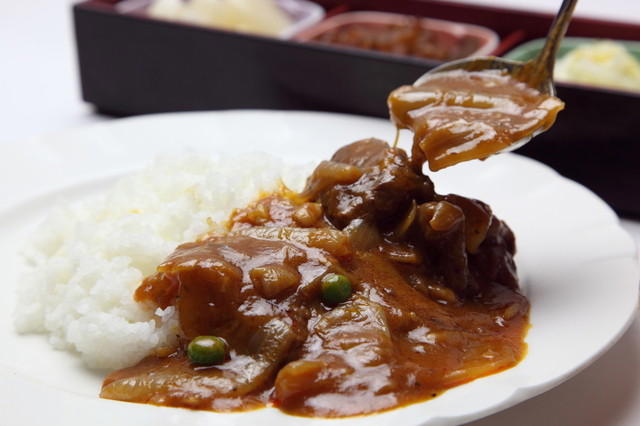
The menu
What to order
- Hayashi rice
- Beef stew
- Omurice
- Hamburg steak
- Seafood curry
Tokyo changes texture quickly: museum days, station traffic, upper-floor dining rooms, department-store edges, and old city restaurants can make Western cooking feel like a local language, not an imported costume. Kurofune Tei belongs to that layer: a yoshoku room in Tokyo, where a family lunch, date, and post-museum dinner can share one plan without forcing a single mood.
Visitors often mistake yoshoku for retro comfort food. In Tokyo, it is more specific: Western techniques filtered through Japanese rice culture, urban department-store dining, and an appetite for sauces, stews, cutlets, omelettes, gratins, and European-leaning plates adapted to local habits. The category rewards consistency over theatrics; restaurants are judged less by spectacle than by practiced sauce work, portioning, pacing, and room discipline.
Tokyo yoshoku, not luxury French cosplay
Kurofune Tei’s context is not the luxury tasting-menu circuit. It sits in the yoshoku, European, and dining-bar bracket, with Tabelog Hyakumeiten recognition in 2025. That matters because yoshoku has its own competitive set: restaurants where demi-glace, rice service, family accessibility, and mid-range pricing count more than chef-counter intimacy or rare imported ingredients.
Pricing makes the tier clear. Lunch is listed at JPY 3,000 to JPY 3,999, dinner at JPY 5,000 to JPY 5,999. That is expensive for a casual plate lunch, but restrained for a Tokyo evening built around Western-style cooking, drinks, and table service. It suits travellers wanting old-school Tokyo dining without committing a full night’s budget to kaiseki, sushi, or French tasting menus.
The sustainability angle is quieter than farm-restaurant or zero-waste language. Yoshoku’s environmental logic often sits in repetition: sauces built for continuity, menus that do not chase weekly novelty, and a format serving children, dates, and friends rather than a narrow luxury audience. A long-running category restaurant can reduce waste through predictable demand and operational discipline, though Kurofune Tei publishes no sourcing manifesto. In 2026, modest, repeatable restaurant craft deserves more attention than another performative seasonal claim.
Compared with Tokyo’s more casual drinking and seafood addresses, such as Uokusa and Daitoryo, this is calmer. It is also different from Tokyo Tonkatsu Gabuu, Chanfe Tokyo, or Tompachitei, where the meal follows a tighter genre. Kurofune Tei is broader: yoshoku, European cooking, dining-bar drinks, and a room for several occasions. Readers building a wider itinerary can cross-reference Our full Tokyo restaurants guide, then use Our full Tokyo bars guide, Our full Tokyo hotels guide, Our full Tokyo wineries guide, and Our full Tokyo experiences guide to keep the meal in proportion with the city.
The room suits the category: flexible, not precious
The practical appeal reinforces the point. This is not best understood as a temple of scarcity; it is a structured urban dining room, where yoshoku often performs well. The category is built for repeat use as much as special occasion dining, which is why Kurofune Tei can make sense for travellers who want a grounded Tokyo meal rather than another trophy reservation.
Access is part of the experience, but the useful location note is simple: Kurofune Tei is in Tokyo. Build it into a day when Western-style Japanese cooking suits the brief, rather than forcing it into a prestige-led sequence. The restaurant’s listed budget range gives enough guidance to plan lunch or dinner without treating the booking as a full luxury splurge.
For a Tokyo plan, do not treat Kurofune Tei as a trophy booking. It works better as a category correction: an address for understanding how Western technique became Japanese urban food. Pair it with sharper-format meals elsewhere in Tokyo, whether the brief is skewers, curry culture, charcoal grilling, a station-area contrast, or visual novelty rather than culinary tradition.
Who should choose it in 2026
The strongest case is for travellers who have already scheduled sushi, ramen, or tempura and want another strand of Tokyo dining history. Yoshoku also suits mixed groups better than many specialist counters: its appeal is broad, occasion-friendly, and less dependent on a single ritualised format. The European and dining-bar side of the listing also helps explain why drinks can sit naturally beside the cooking without turning the meal into a formal pairing exercise.
The trade-off is focus. Diners seeking a narrow master-specialist format may prefer tonkatsu, yakitori, curry, or sushi rooms built around one technique. Diners seeking a mid-range Tokyo restaurant with award recognition in its own category get a clearer answer here. Kurofune Tei’s Tabelog score of 3.59 and 2025 Tabelog Hyakumeiten recognition are not decorations; they place it inside a defined Japanese-Western tradition that survives because regular guests use it, not because it performs novelty for visitors.
For comparisons beyond Tokyo, the same itinerary logic applies: choose category before prestige. A traveller could look at unnamed dining rooms in other Japanese cities to see how local format changes the meal, or at overseas Japanese-inspired venues to see how categories travel and narrow abroad. In Tokyo, yoshoku remains rooted in everyday city dining, and that is the point.
Frequently asked questions
How do I find Kurofune Tei?
Kurofune Tei is located in Tokyo.
What time does Kurofune Tei open and close?
Check current opening hours directly before visiting, as only the Tokyo location and listed dining budget are confirmed here.
What should I budget for a meal at Kurofune Tei?
Pricing at Kurofune Tei is listed as dinner JPY 5,000 - JPY 5,999 and lunch JPY 3,000 - JPY 3,999.
What's the signature at Kurofune Tei?
The clearest confirmed cue is the category: Kurofune Tei is listed for yoshoku, European, and dining-bar dining. It had Tabelog Hyakumeiten recognition in 2025, with a Tabelog score of 3.59.
Nearby-ish Comparables
Comparable venues side-by-side for orientation.
| Venue | Cuisine | Price | Awards | Notes |
|---|---|---|---|---|
| Kurofune TeiThis venue (the venue you are viewing) | Classic Yoshoku (Japanese Western) | $30–50 | Tabelog 100 #100 | Not listed |
| Uokusa | Standing seafood bar & raw bar | $20–30 | Tabelog 100 #24 | JPY 3,000 - JPY 3,999 JPY 3,000 - JPY 3,999 |
| Daitoryo | Traditional Izakaya - Grilled Offal & Yakitori | $10–20 | Not listed | Not listed |
| Tokyo Tonkatsu Gabuu | Tonkatsu | $20–30 | Tabelog 100 #80 | JPY 3,000 - JPY 3,999 JPY 3,000 - JPY 3,999 |
| Chanfe Tokyo | Modern Italian with Japanese Influences | $50–100 | Not listed | Not listed |
| Tompachitei | Traditional Tonkatsu | $20–30 | Michelin Bib Gourmand · Tabelog 100 #10 | Tonkatsu |
Recognition history
Dated appearances from independent guides and award organizations, with the underlying list record or original source where available.
Tabelog 100 #100 · No. 100
Tabelog · Tabelog 100 - Yoshoku - EAST - 2025
Continue exploring
More in Tokyo
Restaurants in Tokyo
All restaurants in Tokyo →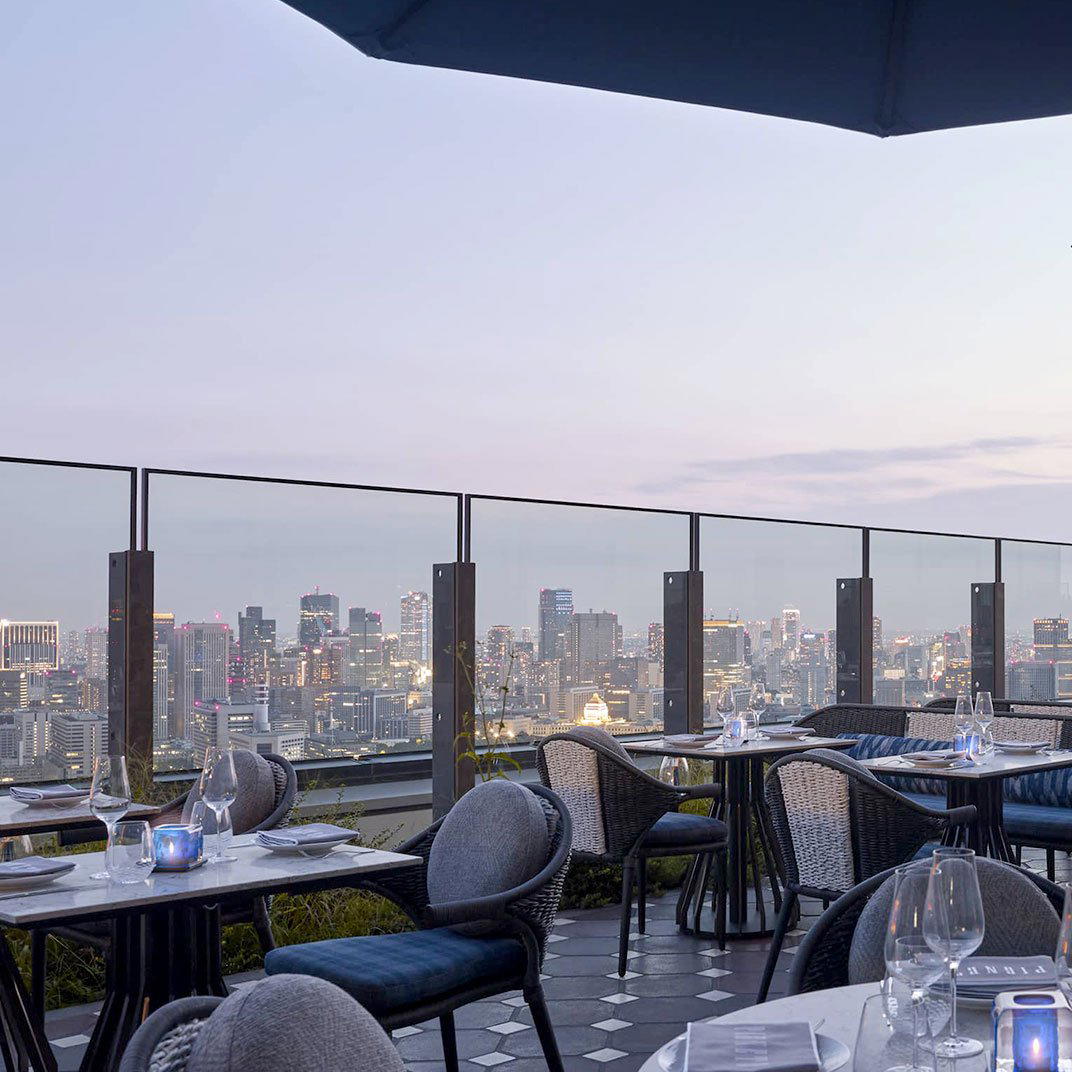


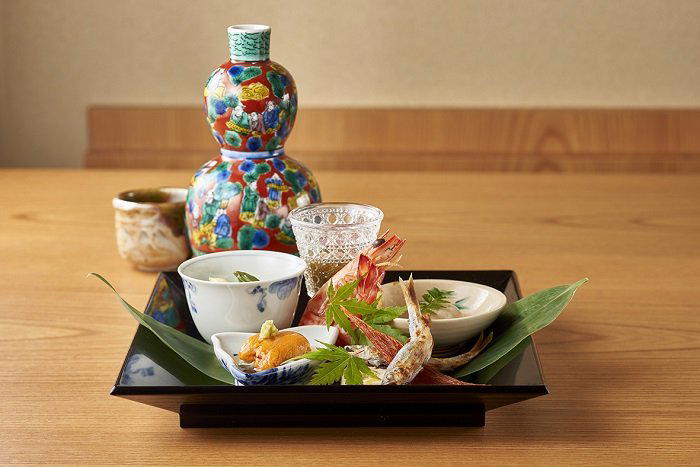
Bars in Tokyo
All bars in Tokyo →




Details
- Classic
- Cozy
- Well Known
- Family
- Group Dining
- Casual Hangout
- After Work
- Solo
- Wine Cellar
- Private Dining
- Standalone
- Historic Building
- Extensive Wine List
- Street Scene
- A La Carte
- Wine
Current opening hours
- Monday
- Closed
- Tuesday
- 11:30 AM–3:30 PM, 5–9:45 PM
- Wednesday
- 11:30 AM–3:30 PM, 5–9:45 PM
- Thursday
- 11:30 AM–3:30 PM, 5–9:45 PM
- Friday
- 11:30 AM–3:30 PM, 5–9:45 PM
- Saturday
- 11:30 AM–9:45 PM
- Sunday
- 11:30 AM–9:45 PM
Hours can change for holidays and private events. Hours as of .
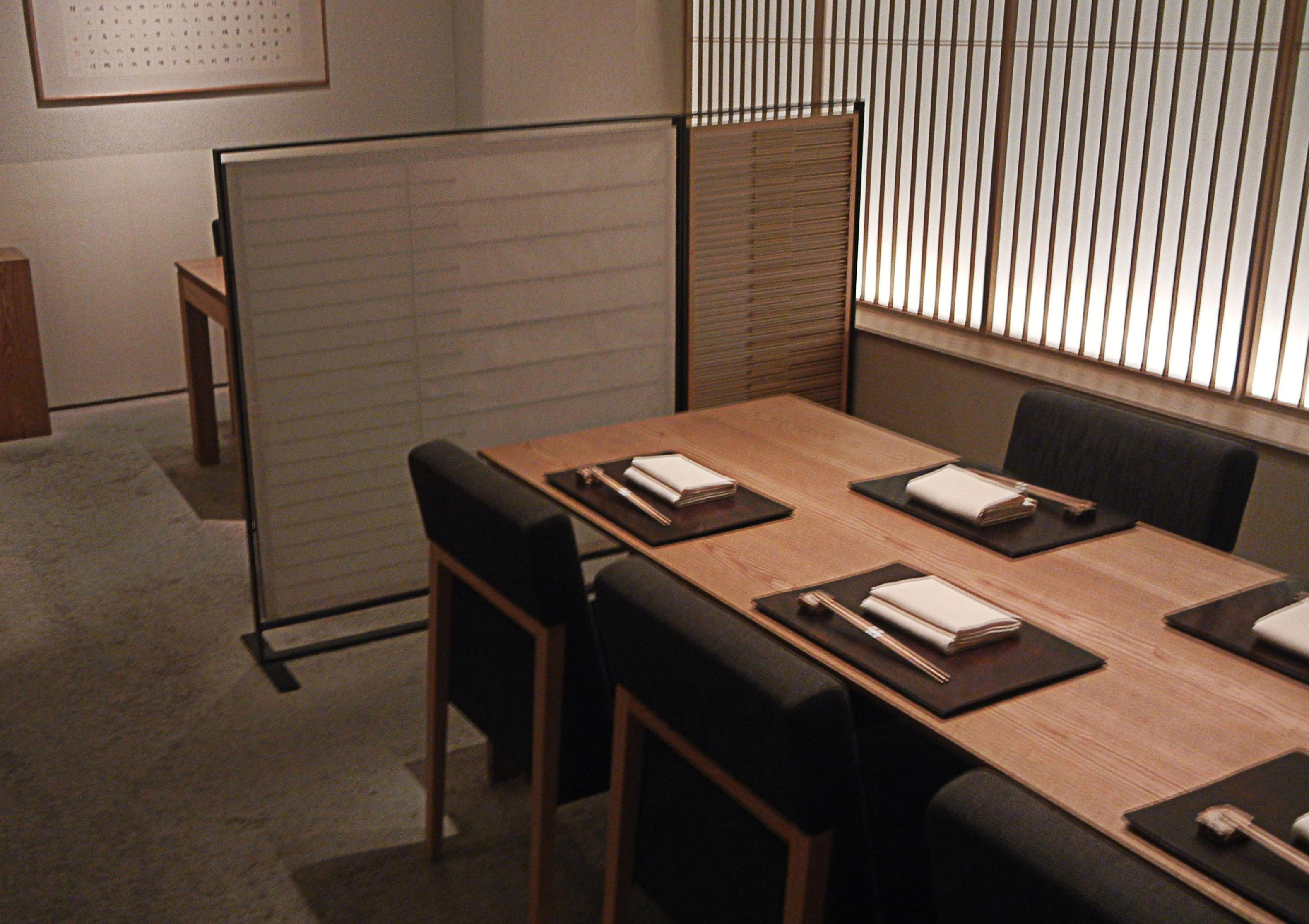
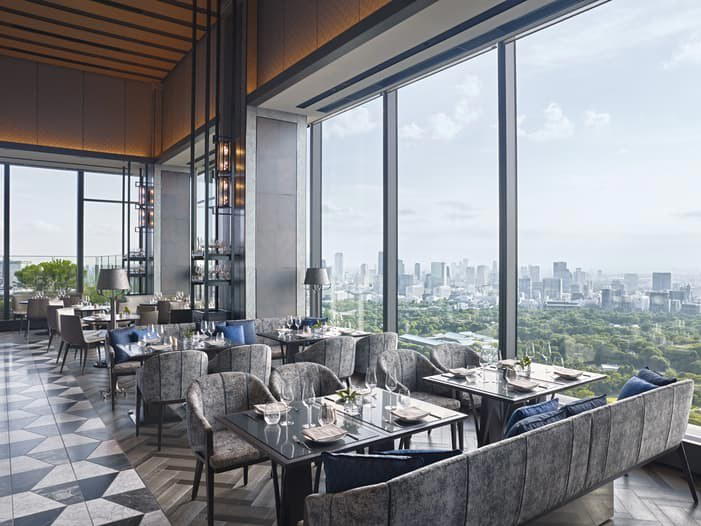
Refined, retro Japanese yoshoku setting with bright natural light from large windows, simple table seating and a relaxed, nostalgic downtown atmosphere suited to casual but slightly special meals.