

Tabelog 100 #83
Our verdict
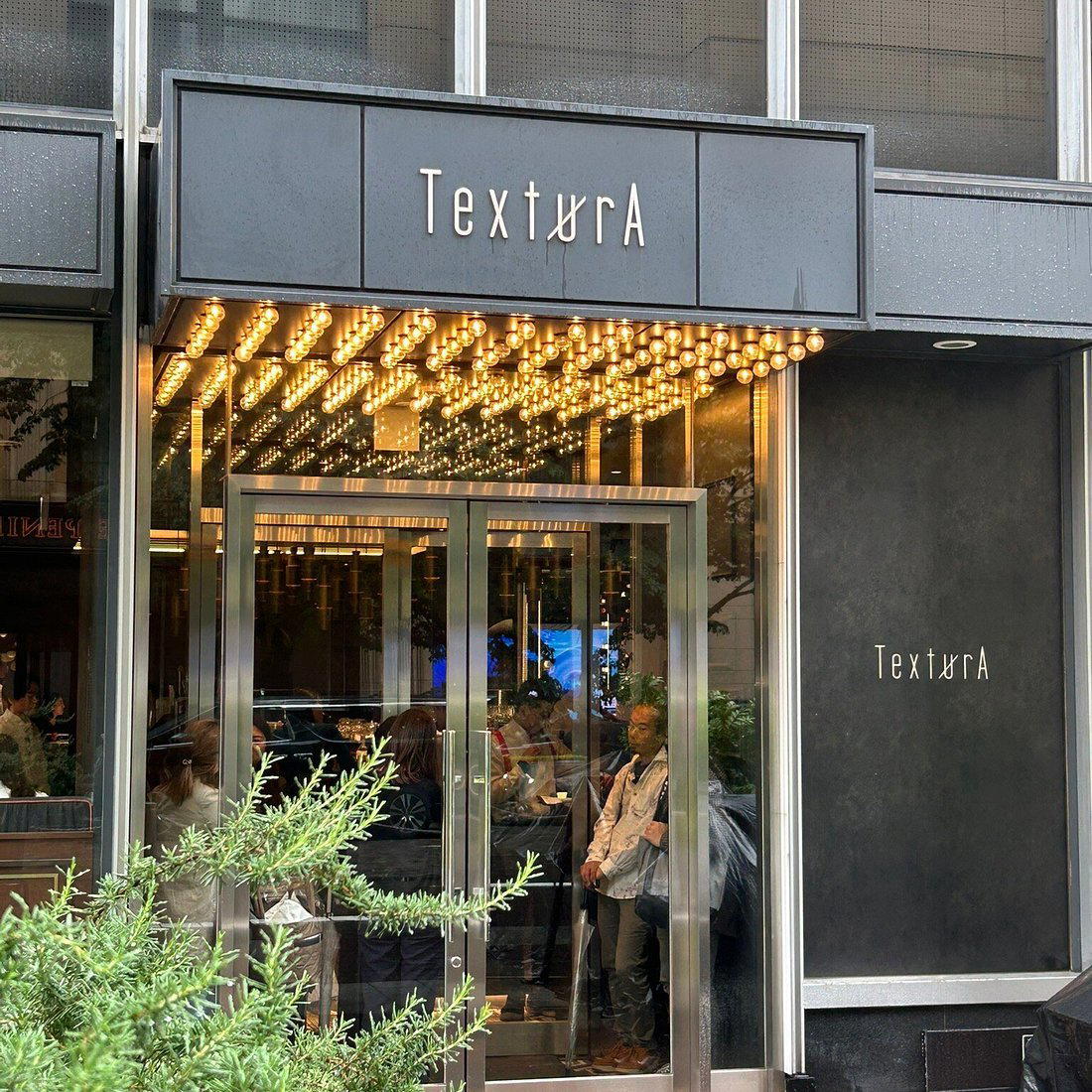
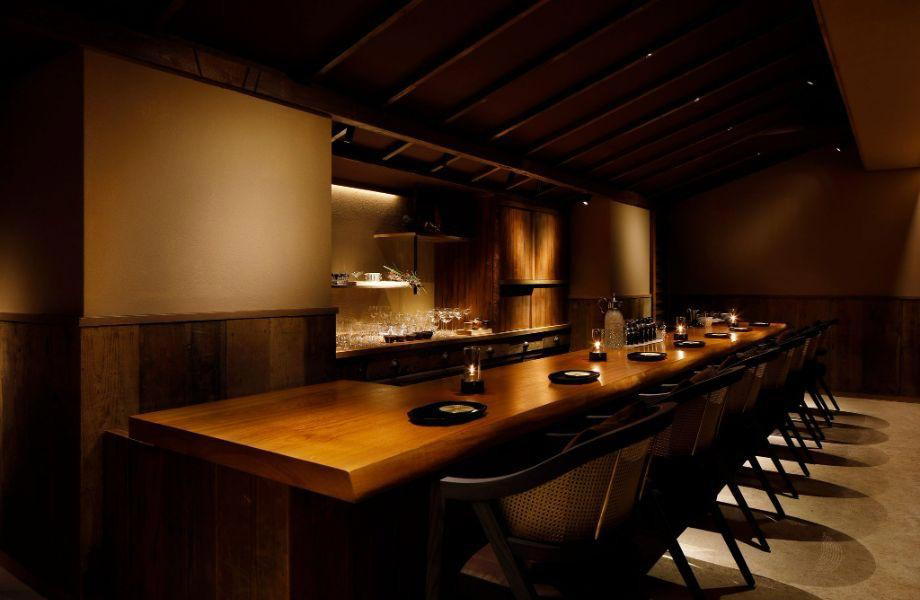
TexturA occupies a Yurakucho address that places it at the intersection of Tokyo's international dining corridor and the city's more experimental edge. The room signals intent before a dish arrives, and the format sits in a tier where sensory precision is the primary currency. Book well ahead and arrive without assumptions about what Japanese fine dining means.

Pearl is the En Primeur Club membership app — saves, bookings, and concierge access live there. Same editors, same standards.
- Address
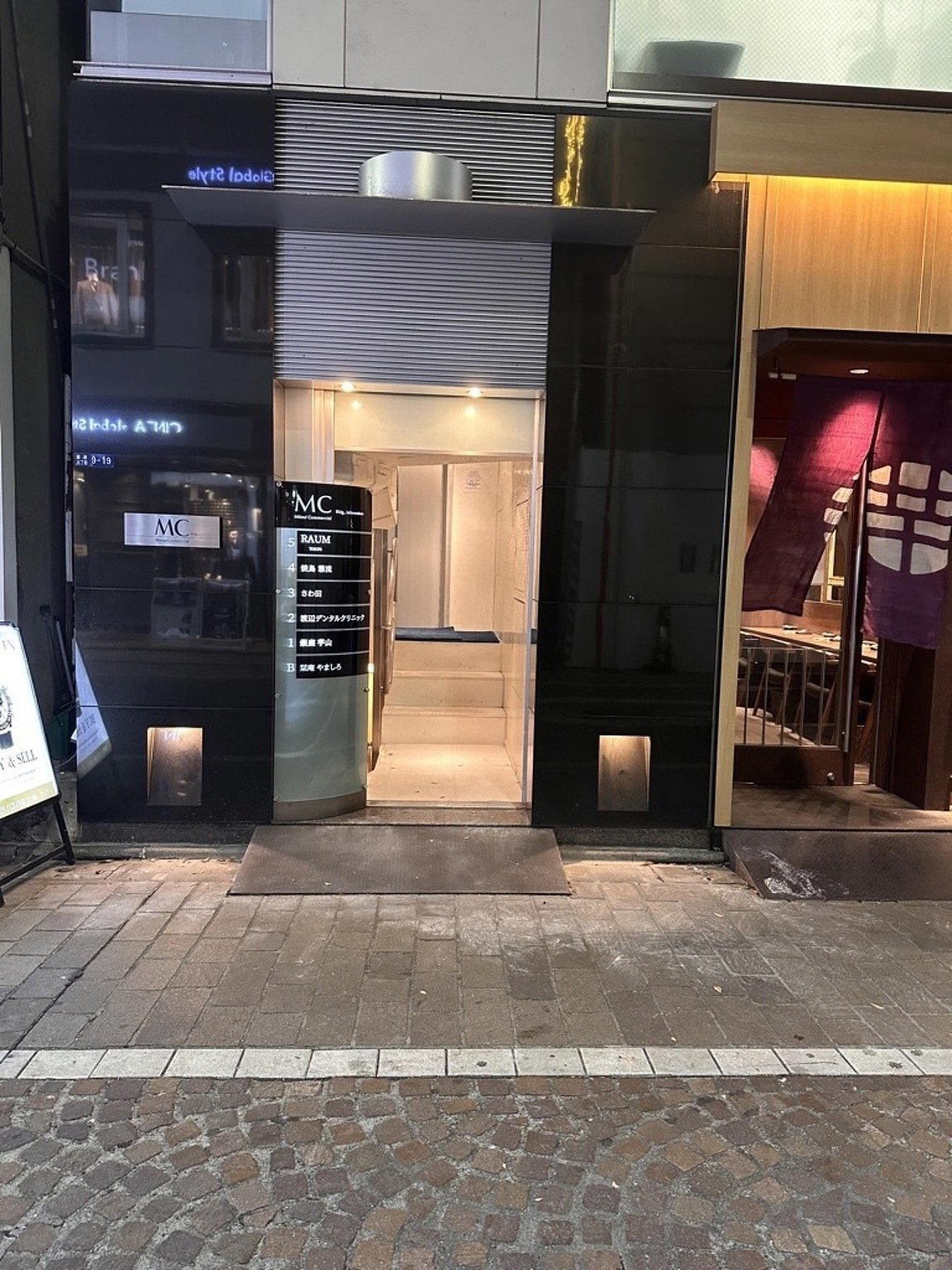
- 1 Chome-7-1 Yurakucho, Chiyoda City, Tokyo 100-0006, Japan
- Phone
- +81362591144
- Hours
- Mon ClosedTue–Sun 11:30 AM–10 PM
- Website
- whaves.co.jp
- Directions
- Get directions
The menu
What to order
- Drool_chicken
- Szechuan_chicken
- Spanish_garlic_shrimp
The Room Speaks First
Yurakucho sits in that compressed zone between the Ginza flagships and the salary-man yakitori stalls beneath the train tracks, a neighbourhood that has quietly attracted a different kind of serious restaurant over the past decade. TexturA holds an address here at 1 Chome-7-1 Yurakucho, Chiyoda City, which places it inside one of Tokyo's most charged dining corridors without quite belonging to Ginza's gilded tier or the casual density of Shimbashi. That positioning is itself an editorial statement. Restaurants that choose this latitude tend to be making a point about who they are not, as much as who they are.
Tokyo's fine dining scene has stratified sharply since the pandemic reshaped international travel. Elsewhere, a smaller cohort of rooms has pushed toward something less categorisable: formats where the sensory architecture of the experience, the light levels, the sequencing of temperature and texture, the relationship between sound and plate, carries as much weight as the provenance of the produce. TexturA appears to operate in that second register.
What the Format Signals
Tokyo's most considered rooms in this tier share a common discipline: the environment is not decorative backdrop but active participant. In the tradition of kaiseki, where the season is expressed through lacquerware, flower placement, and ceramic weight as much as through ingredient, contemporary fine dining in the city has absorbed and reinterpreted that attentiveness. Rooms like RyuGin apply it through a Japanese lens with deep technical rigour; L'Effervescence brings a French framework to similar questions of seasonal resonance; Sézanne routes it through a Parisian idiom transplanted to the Marunouchi corridor. TexturA's name alone locates it within this conversation: texture as the primary sensory variable, the thing you register before taste completes itself.
The question any room in this category must answer is whether the concept holds through a full service, or whether it collapses into a theme. In Tokyo, diners at this level are typically cross-referencing against experiences at Crony or against memories of meals at L'Effervescence, both of which set a high bar for formal coherence. The competitive set is genuinely demanding.
Placing TexturA in the Tokyo Dining Order
Tokyo's restaurant ecology rewards patience and specificity. The city has more Michelin-starred addresses per capita than any other, which means Michelin recognition functions less as a differentiator here than in, say, Osaka or Fukuoka. At HAJIME in Osaka, three stars carry weight partly because the surrounding field is thinner. In Tokyo, the star signals entry into a conversation, not dominance of it. Rooms without formal awards can still command serious attention if the format and the audience are aligned, and TexturA's Yurakucho position suggests it is targeting the latter: an audience that cross-references internationally and arrives with calibrated expectations.
For comparison, the sushi tier in Tokyo, represented by addresses like Harutaka, operates on a different sensory logic: stillness, restraint, the austere sequencing of fish and rice. The kaiseki tradition at places like Gion Sasaki in Kyoto foregrounds seasonality and craft over conceptual framing. A restaurant whose name foregrounds texture is consciously placing itself outside both those reference points, proposing something more contingent and more sensory in a specifically contemporary register. That is a legible choice, and it carries its own risk: conceptual clarity must be earned nightly at the table.
Across Japan, the most interesting rooms working in this register include akordu in Nara, which brings a European format to an ancient city, and Goh in Fukuoka, where the regional ingredient base grounds an otherwise free-form format. TexturA in Tokyo operates with more international pressure than either, and with a Yurakucho address that will attract visitors benchmarking against rooms like Le Bernardin in New York or Atomix, both of which demonstrate what sustained formal ambition at this level actually looks like over many years.
Planning Your Visit
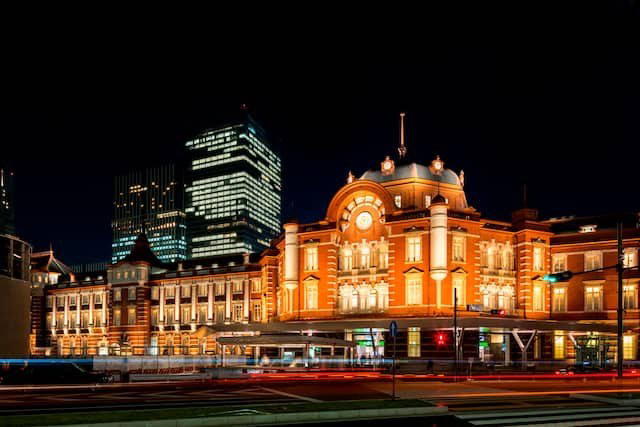
Yurakucho is accessible directly from Yurakucho Station on the JR Yamanote Line and the Tokyo Metro Yurakucho Line, one stop from Tokyo Station and two from Ginza on the metro. The neighbourhood is compact enough to walk between destinations, and the proximity to Hibiya Park gives the area a slightly more open quality than the Ginza grid to the south. For visitors building a multi-city itinerary across Japan, TexturA sits conveniently between airports and the Shinkansen network at Tokyo Station, which makes it a plausible first or last night in the city before connecting to Kyoto or Osaka.
For comparable rooms in Tokyo's upper tier, three to eight weeks of advance planning is a reasonable working assumption, with longer windows required for prime weekend slots. Contact directly via the venue's current booking channels to confirm availability and format details. See our full Tokyo restaurants guide for context on the broader dining scene and further recommendations across price tiers and cuisine types, including additional options in the Yurakucho and Ginza corridor. If your itinerary extends beyond the capital, we have coverage of restaurants in smaller cities including Nanao, Toyohashi, and Sakai, alongside regional anchors like Sapporo.
Quick reference: TexturA, 1 Chome-7-1 Yurakucho, Chiyoda City, Tokyo 100-0006. Nearest station: Yurakucho (JR Yamanote / Tokyo Metro Yurakucho Line).
Frequently asked questions
What dish is TexturA famous for?
How far ahead should I plan for TexturA?
What is the signature at TexturA?
Is TexturA good for vegetarians?
Is TexturA worth the price?
How does TexturA compare to other contemporary fine dining rooms in Tokyo for a first-time visitor to the city's high-end scene?
The Essentials
Comparable venues nearby, for context on price, style, and recognition.
| Venue | Cuisine | Price | Awards | Notes |
|---|---|---|---|---|
| TexturAThis venue — the venue you are viewing | Chinese-Spanish Fusion | $50–100 | Tabelog 100 #83 | Not listed |
| Dining & Bar Lavarock (ラヴァロック) | Modern Grilled Bistro | $50–100 | Not listed | Kyobashi, Modern Grilled Bistro |
| have more curry | Vegetable-forward spice curry (gluten-free, vegan-friendly) | $10–20 | Tabelog 100 #95 | Shibuya, Vegetable-forward spice curry (gluten-free, vegan-friendly) |
| Tiger Peak | Sino-Japanese Tasting Menu | $50–100 | Black Pearl 2 Diamond | Minato, Sino-Japanese Tasting Menu |
| SPICE Cafe | Creative spice-focused curry cafe | $20–30 | Tabelog 100 #21 | Sumida, Creative spice-focused curry cafe |
| Ukiyo | Modern Spice-Infused Charcoal Grill | $100–150 | Star Wine List | Shibuya, Modern Spice-Infused Charcoal Grill |
Recognition history
Dated appearances from independent guides and award organizations, with the underlying list record or original source where available.
Opinionated About Dining Top Restaurants in Japan Recommended
Opinionated About Dining
Tabelog 100 #83 · No. 83
Tabelog · Tabelog 100 - Innovative / Creative cuisine - 2025








Details
- Sophisticated
- Elegant
- Modern
- Intimate
- Date Night
- Business Dinner
- Special Occasion
- Open Kitchen
- Sake Program
- A La Carte
- Sake
- Wine
- Cocktails
Current opening hours
- Monday
- Closed
- Tuesday
- 11:30 AM–10 PM
- Wednesday
- 11:30 AM–10 PM
- Thursday
- 11:30 AM–10 PM
- Friday
- 11:30 AM–10 PM
- Saturday
- 11:30 AM–10 PM
- Sunday
- 11:30 AM–10 PM
Hours can change for holidays and private events. Last verified .
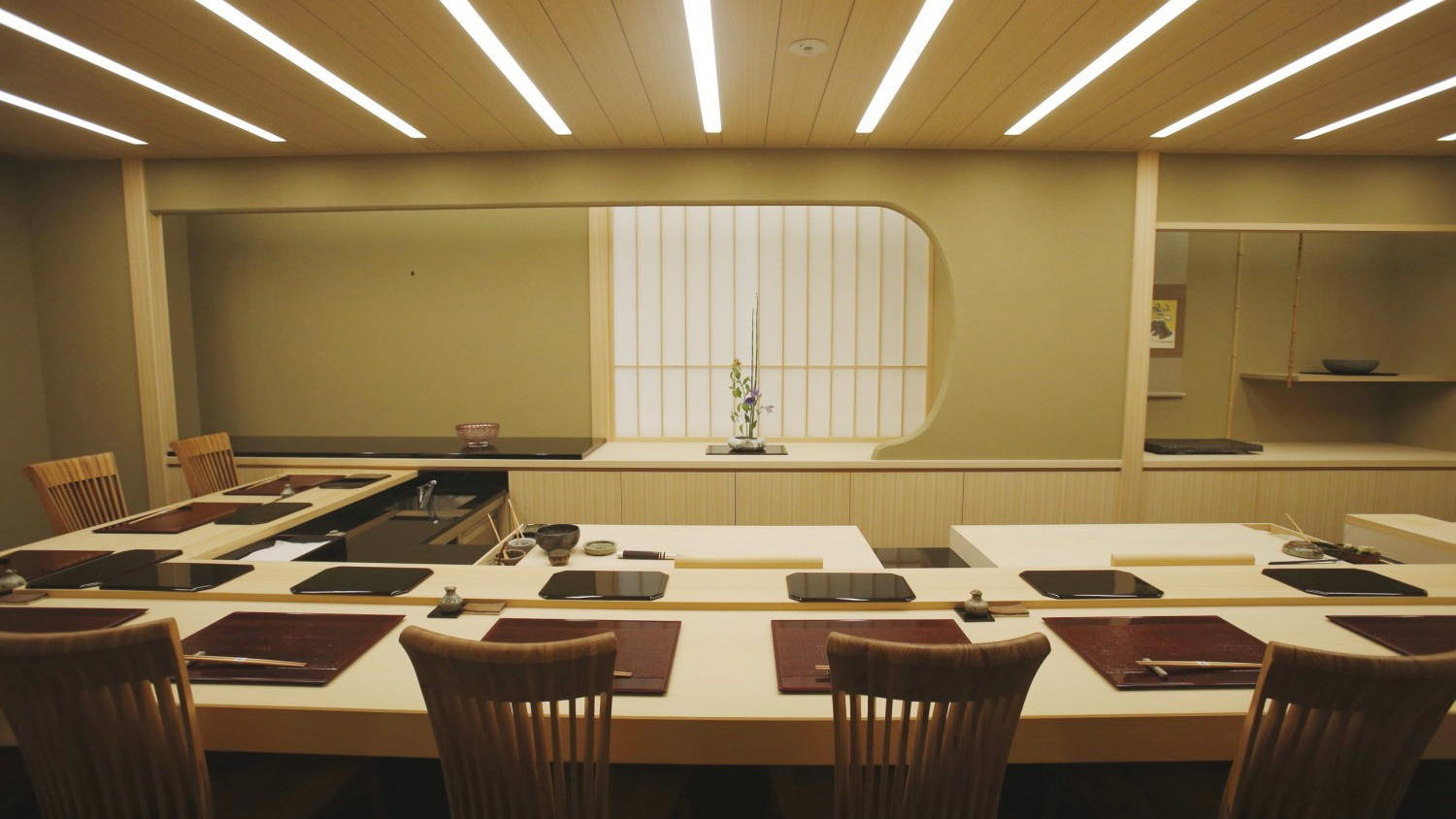
Sophisticated adult social space with elegant high-end area for special occasions and relaxed high-casual dining area.