Our verdict
パヴォーネ・インディアーノ sits in Hatagaya, one of Shibuya's quieter residential pockets, where the dining scene favours neighbourhood regulars over destination crowds. The name, Italian for 'Indian peacock', signals a cross-cultural ambition that places this address outside Tokyo's more legible category lines. Details on format and booking remain sparse, which in this part of the city often indicates a word-of-mouth operation with a small, loyal following.

Pearl is the En Primeur Club membership app, where members save venues, book tables and use the concierge.
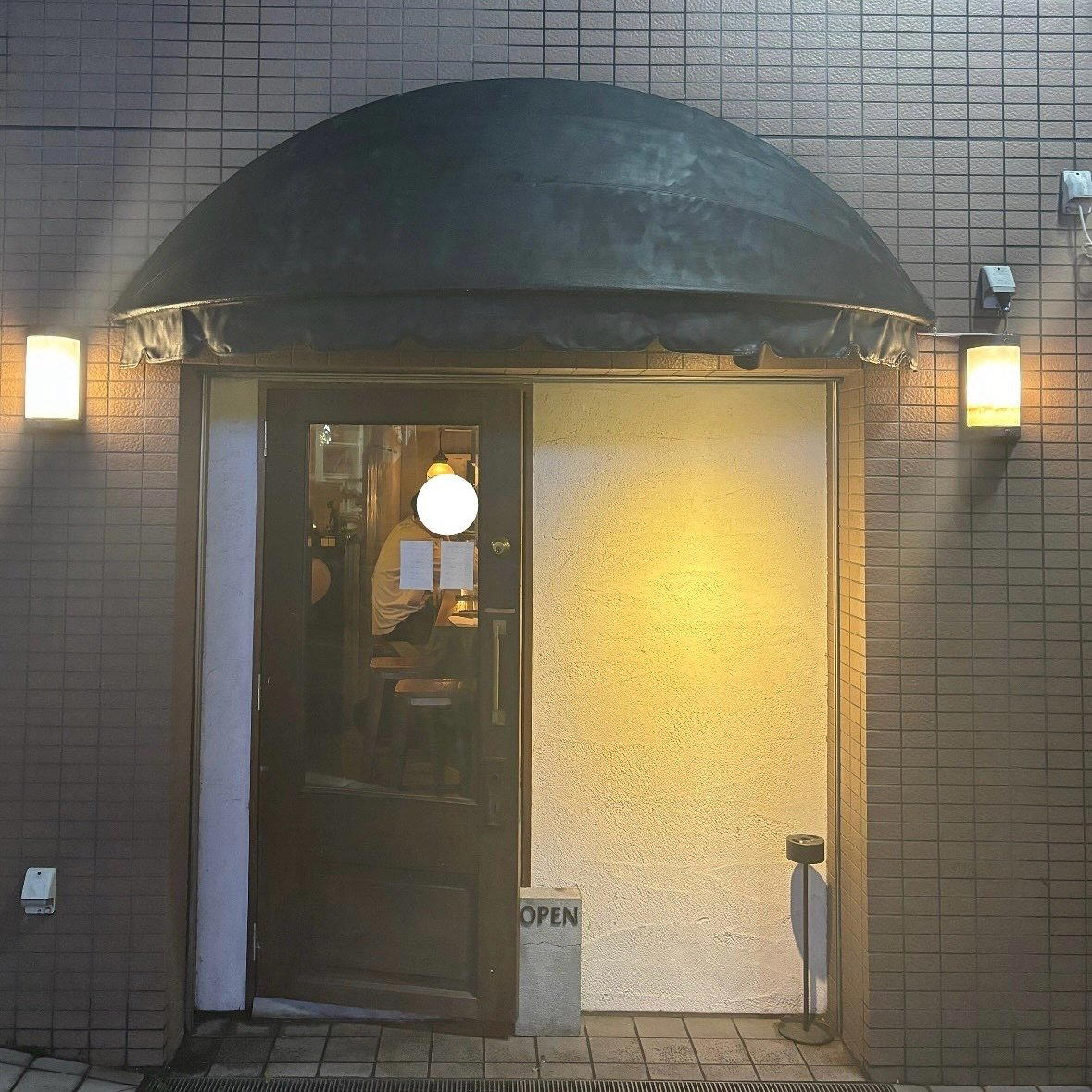
Hatagaya and the Case for Eating Off the Main Line
Tokyo's restaurant culture sorts itself, with unusual efficiency, by proximity to major transit hubs. Shinjuku, Ginza, Roppongi, Shibuya, these are the coordinates most visiting diners plot their evenings around. Hatagaya, a short walk from Hatsudai or a few stops from Shibuya on the Keio New Line, sits just outside that gravitational pull. The streets here are narrower, the signage less competitive, and the restaurants that survive tend to do so on repeat custom rather than tourist turnover. It is, by the logic of the city, a neighbourhood that rewards attention.
Within that context, パヴォーネ・インディアーノ occupies an address at 3-9-13 Hatagaya, a specific, unglamorous location that tells you something about the restaurant's orientation before you arrive. This is not a venue positioned for discovery by foot traffic. Its name, combining the Italian word for peacock with the adjective for Indian, plants a flag at the intersection of two culinary traditions that rarely meet in Tokyo's more stratified dining map. Whether that meeting is literal, a kitchen that genuinely synthesises Italian and Indian technique, or purely nominal is the first question any curious diner will want answered on arrival.
What the Name Promises: Menu Architecture and Cross-Cultural Framing
In Tokyo, the way a restaurant names itself often functions as a structural statement about the menu. The city has a long tradition of chefs who train deeply in a single foreign tradition, French, Italian, Spanish, and then return to reinterpret it through Japanese ingredient sourcing and plating discipline. A smaller number attempt genuine fusion, where two distinct culinary languages are spoken in the same kitchen, with varying degrees of coherence. パヴォーネ・インディアーノ's name positions it in that second, harder category.
Italian-Indian crossover, as a culinary proposition, is less unusual globally than it might appear. Both traditions share a dependence on layered spicing, an ease with slow-cooked sauces, and a structural role for bread and pasta as carriers rather than accompaniments. Where they diverge is in heat tolerance, the role of dairy, and the grammar of a meal's progression. A kitchen that takes both seriously has decisions to make about which tradition sets the tempo and which provides accent. That structural question, whose logic governs the menu, is, in many ways, the most interesting thing about パヴォーネ・インディアーノ as a concept, and it is one only a visit can properly answer. For Tokyo diners building a picture of where this fits, the comparison venues worth holding in mind include Crony, which takes French technique and subjects it to a similar kind of creative pressure, and L'Effervescence, which operates in a more resolved but equally ambitious idiom.
Situating Hatagaya in Tokyo's Broader Dining Geography
Understanding where パヴォーネ・インディアーノ sits requires a brief map of how Tokyo's dining neighbourhoods stratify. Ginza and its surrounds house the city's highest concentration of Michelin-starred formal dining, including counters like Harutaka and kaiseki rooms like RyuGin, both operating at price points that filter for a specific kind of commitment. Further west, pockets like Hatagaya and Hatsudai have developed quieter identities, smaller rooms, shorter menus, lower rents, and kitchens that can take creative risks without the overhead pressures of a Ginza address.
This geography matters because it shapes what a restaurant can be. In a neighbourhood like Hatagaya, the absence of destination-dining infrastructure, hotel concierge referrals, international review traffic, walk-in crowds, means a restaurant either builds a local base or does not survive. The ones that persist tend to have something specific and consistent to offer. Across Japan more broadly, this neighbourhood-specific resilience shows up in cities from Osaka, where HAJIME occupies a comparable niche of ambitious cooking away from the main tourist spine, to Fukuoka, where Goh operates in a similar register. Even internationally, the model of a technically serious restaurant in a non-destination address recurs at places like Atomix in New York, which built a reputation that outgrew its neighbourhood rather than trading on it.
The Limits of Available Data and What That Signals
In Tokyo's dining culture, this combination of signals tends to cluster around one of two types: a very new restaurant still building its profile, or a small, deliberate operation that has chosen to remain outside the review and reservation-platform circuits. Both types exist in Hatagaya. Neither is necessarily a disadvantage, Sézanne, now one of Tokyo's most discussed French addresses, spent its earliest months largely beneath the radar of international travel media before award recognition shifted the dynamic entirely.
For Tokyo's wider dining scene and regional comparisons, our full Tokyo restaurants guide maps the city's key neighbourhoods and category tiers. Those looking to pair a visit to Hatagaya with other off-circuit addresses in the broader Kanto and Kansai regions might also consider akordu in Nara or Gion Sasaki in Kyoto, both of which operate with a similar sense of considered remove from the main destination-dining infrastructure. Further afield, Bistro Ange in Toyohashi and Birdland in Sakai represent the same pattern of serious cooking in secondary cities.
Planning a Visit
Hatagaya is accessible from Shibuya in under ten minutes on the Keio New Line, or on foot from Hatsudai station. The address at 3-9-13 Hatagaya places the restaurant in a residential block that is easier to locate with a map application than from street memory alone. Timing a visit in the evening, when the surrounding streets are quiet, is consistent with how Hatagaya's small dining rooms generally operate, these are not lunch-trade venues.
Frequently asked questions
How do I find パヴォーネ・インディアーノ?
パヴォーネ・インディアーノ is located at Japan, 〒151-0072 Tokyo, Shibuya, Hatagaya, 3 Chome−9−13 ノブヒル, Tokyo.
Is パヴォーネ・インディアーノ in Hatagaya suitable for a standalone dinner, or better as part of a Shibuya-area evening?
Hatagaya sits on the Keio New Line, under ten minutes from Shibuya station, which makes it a practical standalone destination rather than a neighbourhood you pass through incidentally. The area around 3-9-13 Hatagaya has a residential character distinct from Shibuya's commercial core, so the visit functions more as a deliberate detour than an add-on. For visitors already exploring the Shibuya ward, the proximity to Hatsudai and its arts venues makes a pre- or post-dinner pairing straightforward.
What do people recommend at パヴォーネ・インディアーノ?
Documented dish-level recommendations for パヴォーネ・インディアーノ are not consolidated in current review sources, which is common for smaller neighbourhood restaurants in Tokyo's outer Shibuya wards. The name itself, combining the Italian word for peacock with 'Indian', suggests a menu that draws from both traditions, and visitors to Hatagaya's quieter dining scene often report that these cross-cultural kitchens reward ordering broadly rather than targeting a single signature. Checking the restaurant directly on arrival or through local Japanese review platforms such as Tabelog is the most reliable way to confirm current offerings.
What's the best way to book パヴォーネ・インディアーノ?
For smaller neighbourhood restaurants in Tokyo operating without an English-language web presence, walking in or asking a hotel concierge to call ahead in Japanese typically produces results. Tabelog and Google Maps listings for the address may surface contact details or reservation notes that are not captured in international directories.
Recognition, Side-by-Side
Comparable venues nearby, for context on price, style, and recognition.
| Venue | Cuisine | Price | Awards | Notes |
|---|---|---|---|---|
| パヴォーネ・インディアーノThis venue (the venue you are viewing) | Italian-Indian Fusion | $20–30 | Not listed | Not listed |
| 日本酒と和風中華OZ | Japanese Sake and Japanese-Style Chinese | $50–100 | Not listed | Setagaya |
| Restaurant Quinbell | French–Italian yoshoku with seasonal fish and a famous beef fillet cutlet sandwich | $20–30 | Tabelog 100 #78 | Sumida |
| hide mode | Creative French-Influenced Fusion | $30–50 | Tabelog 100 #49 | Bunkyō |
| Dining & Bar Lavarock (ラヴァロック) | Modern Grilled Bistro | $50–100 | Not listed | Kyobashi |
| Nicolai Bergmann NOMU Aoyama | Scandinavian-inspired flower café with Danish smørrebrød and seasonal salads | $20–30 | Tabelog 100 #79 | Minato |
Continue exploring
More in Tokyo
Restaurants in Tokyo
All restaurants in Tokyo →



Bars in Tokyo
All bars in Tokyo →




Details
- Cozy
- Trendy
- Date Night
- Casual Hangout
- Craft Cocktails
- A La Carte
- Lemon Sour
- Wine
Current opening hours
- Monday
- 5–11 PM
- Tuesday
- Closed
- Wednesday
- Closed
- Thursday
- Closed
- Friday
- 5–11 PM
- Saturday
- 5–11 PM
- Sunday
- 5–11 PM
Hours can change for holidays and private events. Hours as of .
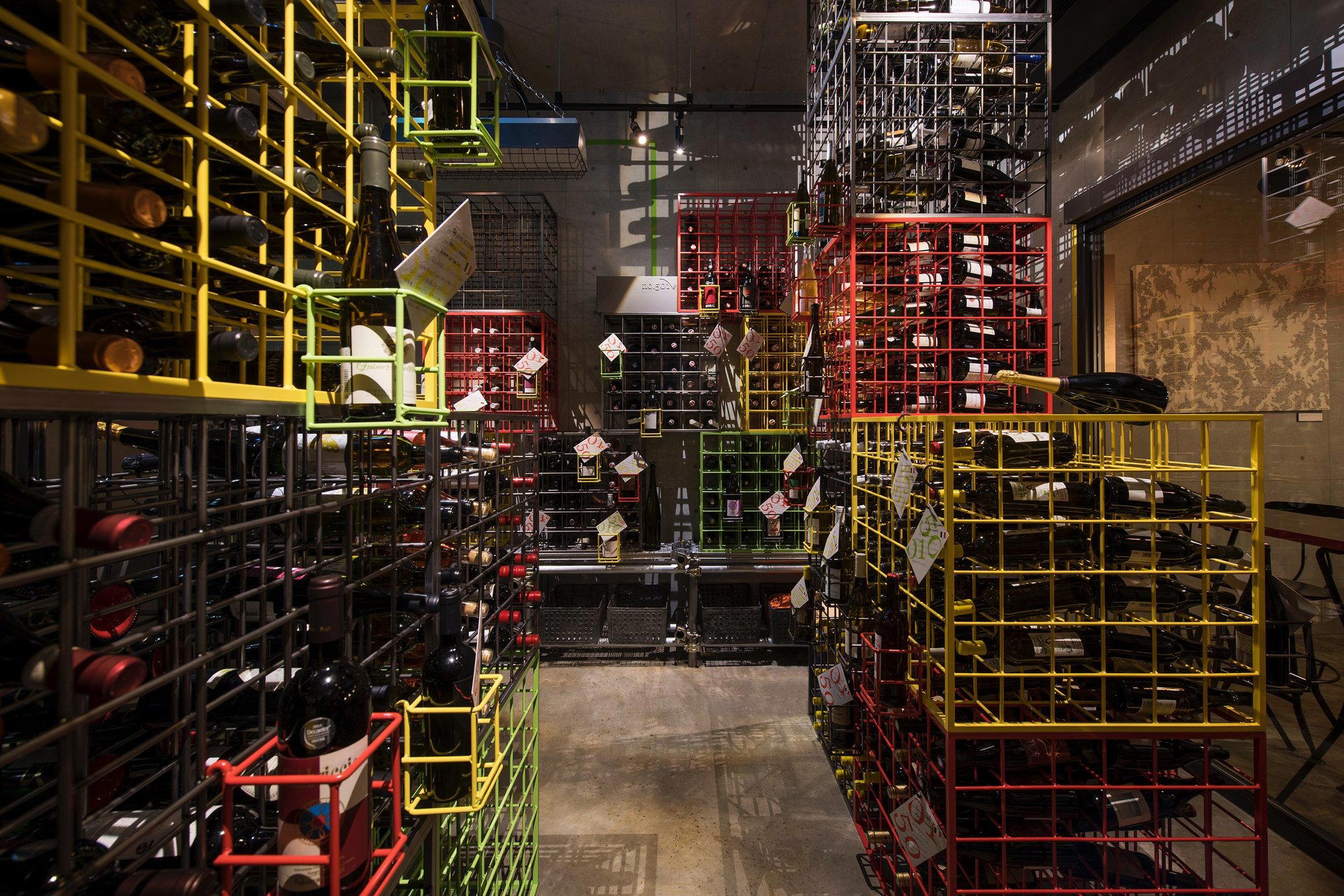
Amber lighting creating a cozy, intimate dining bar atmosphere.