We're Smart World 1 Radish
Our verdict
In Minato's Shiba Park district, Tokyo Shiba Toufuya Ukai occupies a setting where traditional Japanese architecture frames a menu built entirely around tofu and seasonal vegetables. The kitchen applies a full range of classical preparation techniques, raw, steamed, fried, miso-dressed, dashi-poached, to ingredients that most Tokyo restaurants treat as supporting cast. For visitors interested in the depth of washoku vegetable tradition, it holds a distinct position in the city's dining scene.
The menu
What to order
- Homemade tofu
- Warm tofu in dashi-seasoned soy milk
Where Shiba Park Sets the Scene
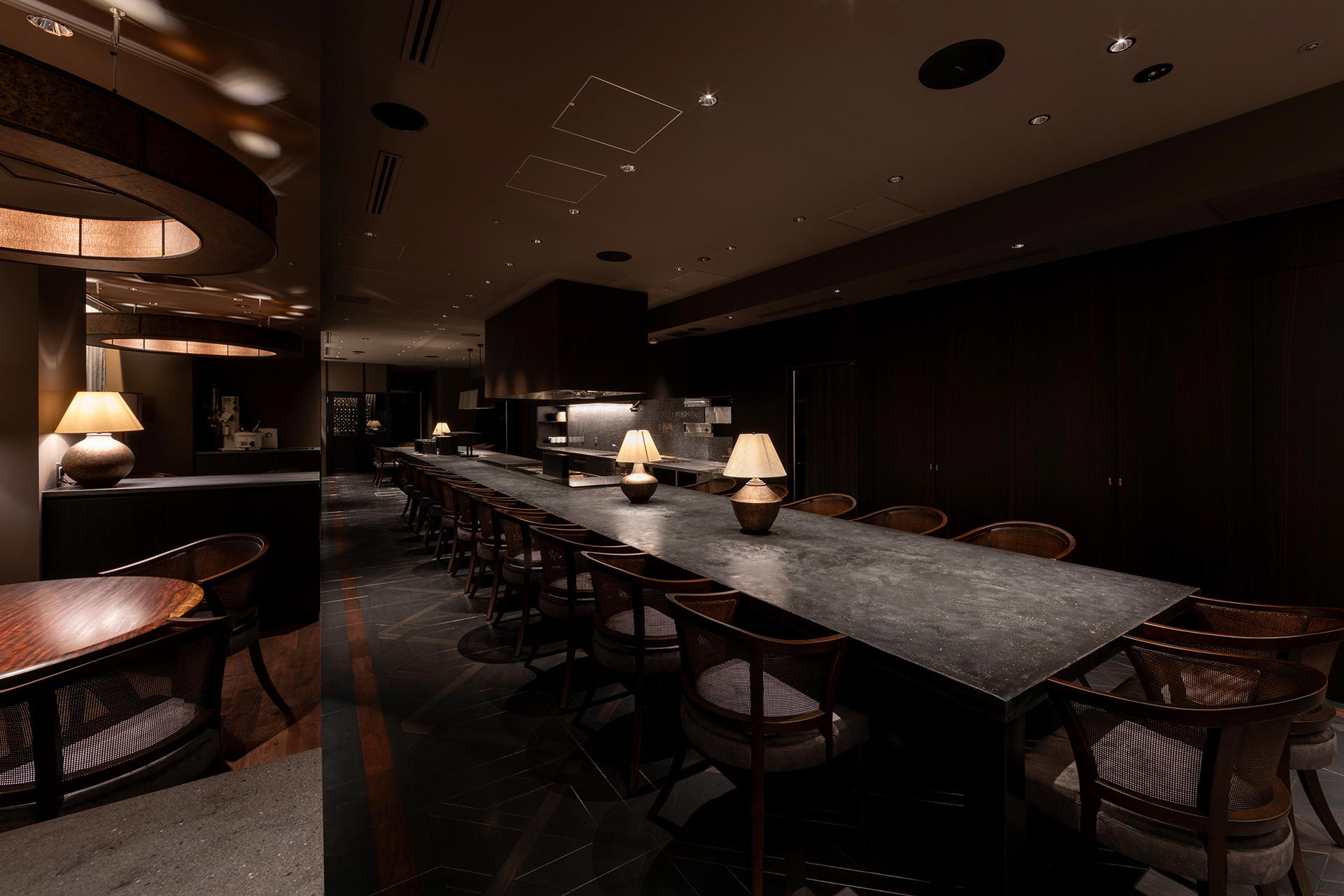
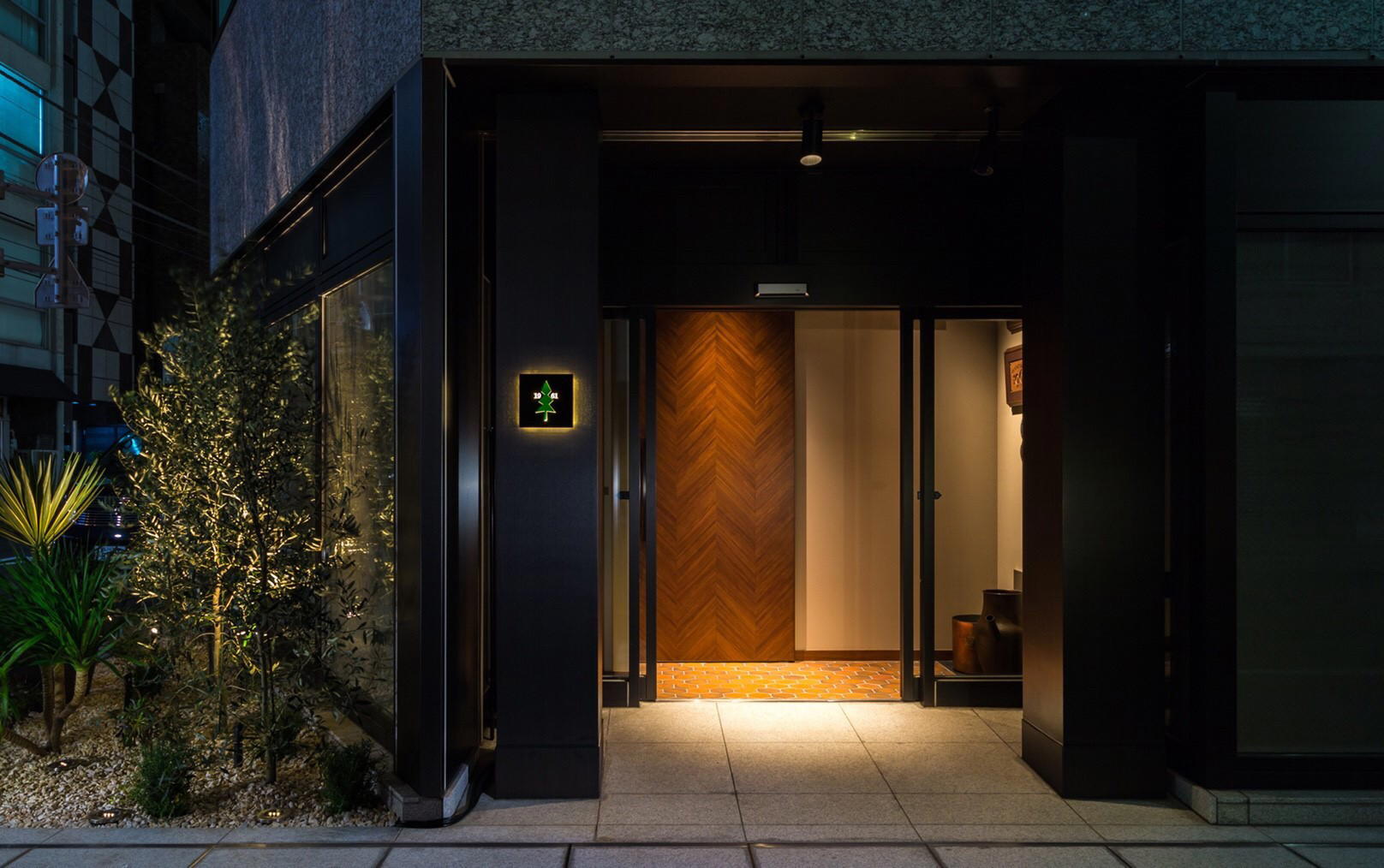
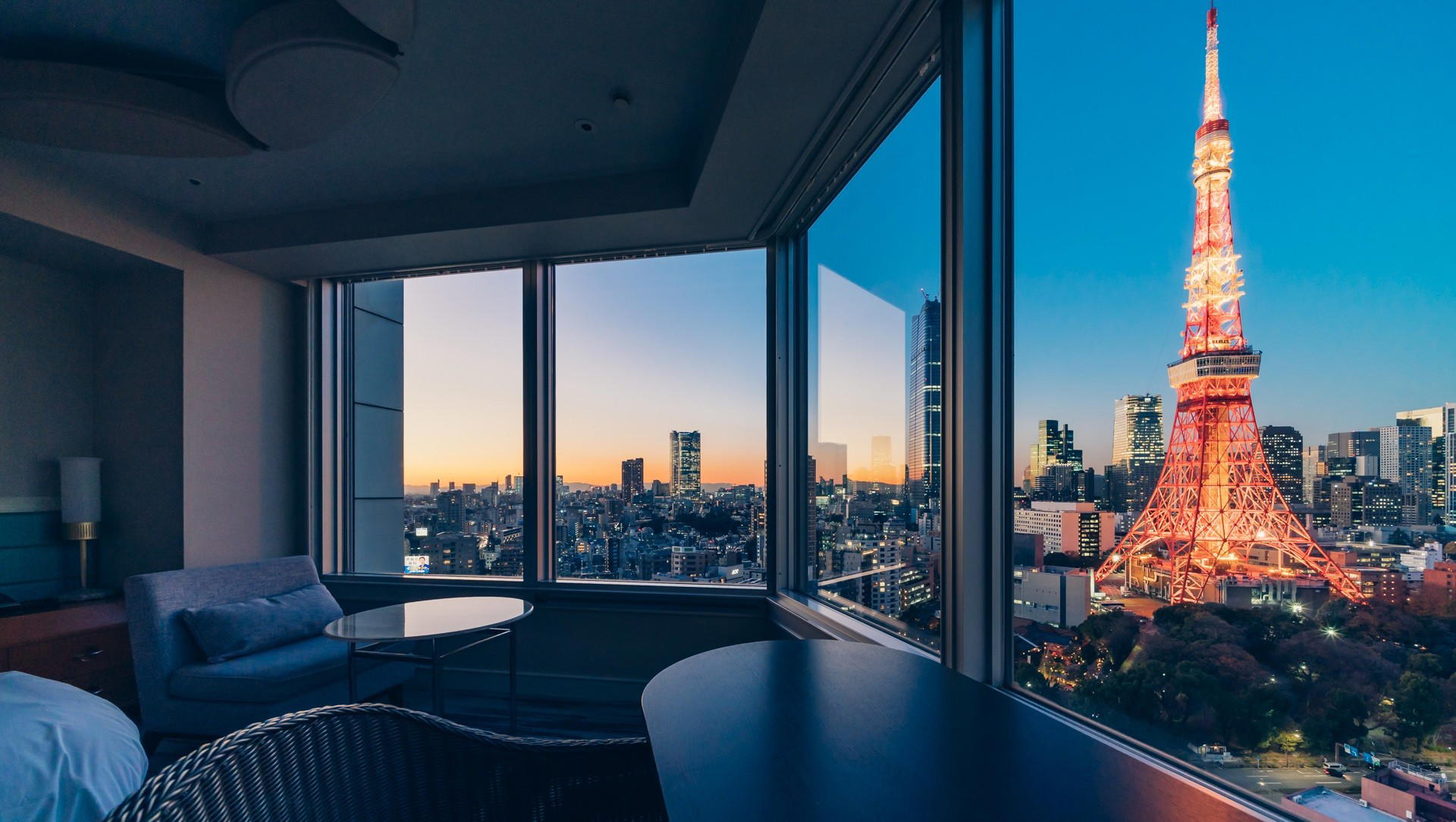
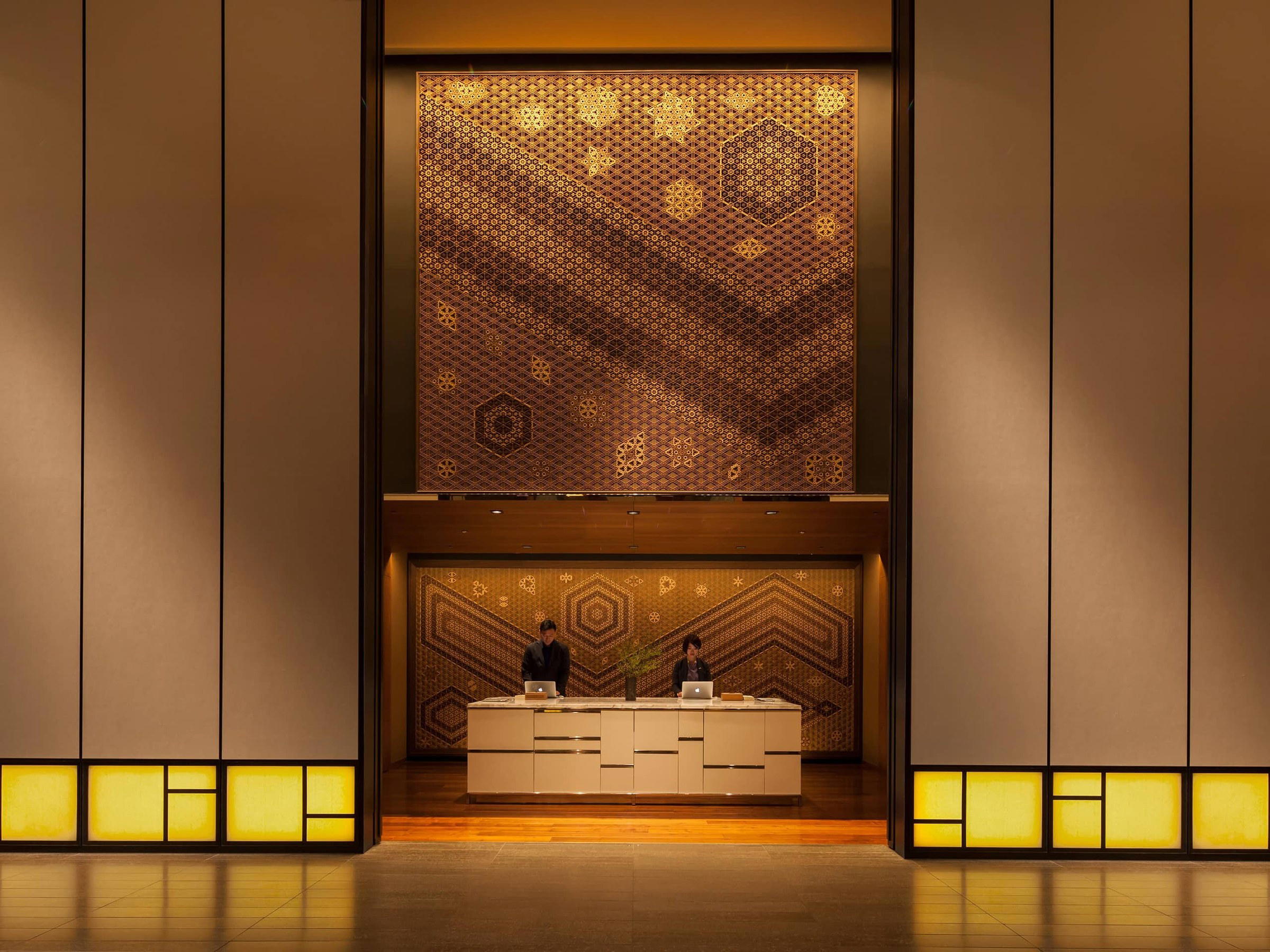
Approaching Toufuya Ukai along the tree-lined paths of Shibakoen, with Tokyo Tower visible through the canopy above, the setting does something rare in a city that tends to compress its finest dining into tower floors and basement corridors: it spreads out. The property occupies a traditional Japanese structure in the shadow of one of Tokyo's most photographed landmarks, and that spatial generosity shapes everything about the experience before a single dish arrives. Lantern light, the sound of water, and the smell of cedar establish the register early. You understand, walking in, that this is a kitchen that takes its physical context seriously, and that the food will follow suit.
Minato City's Shiba Park neighbourhood sits at an interesting remove from the concentrated dining corridors of Ginza or Roppongi. It is quieter, more deliberate, and the choice of this location for a restaurant dedicated to tofu and vegetable kaiseki is not incidental. The tradition of tofu-centric dining in Japan traces back to Buddhist temple kitchens shojin ryori, where the absence of meat was not a constraint but a discipline. Toufuya Ukai operates in that lineage, though it has evolved the format into something closer to full kaiseki in its structural ambition.
The Vegetable Kitchen as a Technical Argument
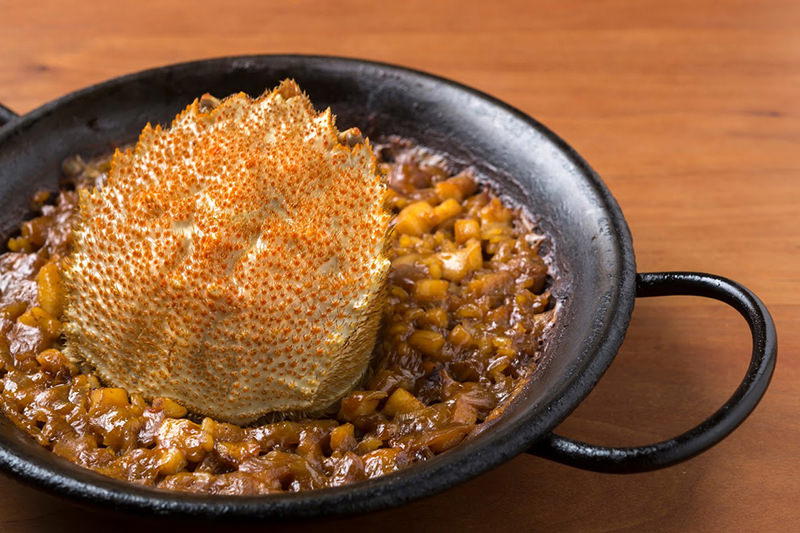
The case Toufuya Ukai makes is essentially this: given enough technical range, tofu and vegetables constitute a complete and serious cuisine. That argument gets tested across an extended sequence of preparations, raw vegetables served with careful seasoning, fermented and leavened forms, ingredients suspended in dashi stock, steamed presentations, miso-dressed compositions, and fried pieces where the crust does specific textural work. The progression is not arbitrary. Each technique reveals a different aspect of the same core ingredients, and the cumulative effect is something like a systematic education in how Japanese cooking approaches plant matter.
This editorial angle connects to a broader pattern in Japanese fine dining: the application of rigorous classical structure to ingredients often sidelined elsewhere. At RyuGin, the kaiseki framework organises Japanese seasonal produce around a precise sequence of temperatures and textures. At L'Effervescence, a French-trained kitchen works through a similar logic of seasonal Japanese ingredients under European structural discipline. Toufuya Ukai applies comparable rigour, but confines its palette to tofu and vegetables entirely, which narrows the canvas and raises the stakes for every preparation.
The global technique dimension matters here. The fried preparations show understanding of how oil temperature, batter hydration, and timing produce specific results with delicate bean curd, knowledge refined through generations of Japanese frying tradition but increasingly understood in dialogue with wider culinary practice. The dashi-based courses demonstrate the same precision. Tofu absorbs flavour passively; getting the stock balance and temperature right is what separates a dish from an ingredient sitting in liquid. At this level of kitchen, that distinction is the entire point.
Positioning in Tokyo's Serious Dining Tier
Tokyo's premium dining scene has long been dominated by fish, the city's omakase counters, from Harutaka in Ginza to the broader concentration of Michelin-starred sushi throughout the central wards, represent the most visible face of the city's culinary identity internationally. Vegetable-centred fine dining occupies a smaller but genuinely deep tier. The Buddhist temple dining tradition that underlies it is historically documented, and several Tokyo kitchens have built serious reputations within it.
Toufuya Ukai's place in that tier rests on the breadth of its technique vocabulary and the seriousness of its setting. The property itself, traditional architecture, garden, private dining rooms, places it in a category where the experience extends beyond the table. Comparable investments in setting and tradition can be found at Gion Sasaki in Kyoto and at temple-adjacent restaurants in Nara, where akordu operates with a similar attention to place as context for food. Toufuya Ukai's specific contribution is anchoring that tradition in central Tokyo, within walking distance of Hamamatsucho Station and accessible to the full range of the city's visitors.
The contrast with Tokyo's French-influenced tables is instructive. Sézanne and Crony represent the city's appetite for European technique applied to Japanese seasonal produce, a different translation of the local-ingredient, global-method dynamic. Toufuya Ukai inverts that: the methods are entirely Japanese, the ingredients are hyper-local, and the result is a form of cooking that requires no imported framework to justify itself. Both approaches have serious practitioners in Tokyo; they simply make different arguments.
Vegetables as the Primary Subject
What distinguishes the kitchen's approach from a simple vegetarian tasting menu is the systematic attention to technique as a means of revealing ingredient character rather than compensating for the absence of protein. The raw preparations, which open the meal's progression, establish a baseline, this is what these vegetables are before intervention. The leavened and fermented forms introduce time as an ingredient. The miso-dressed compositions demonstrate how a strong flavouring agent can work with rather than against a mild primary ingredient. The fried pieces show what controlled heat transformation does to texture and flavour concentration.
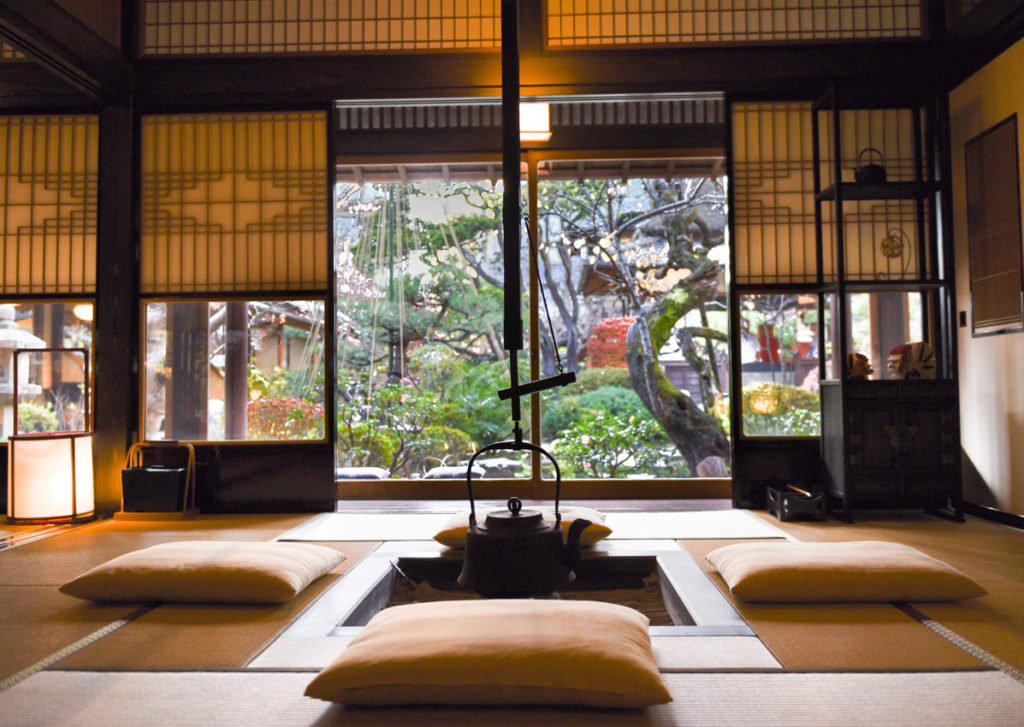
This is a kitchen making a pedagogical as much as a gustatory case. And it does so within a physical environment, the tatami rooms, the garden views, the architectural detail, that reinforces the idea that eating this food carefully is the appropriate response. Restaurants like HAJIME in Osaka or Bleston Court Yukawatan in Nagano similarly use setting and structure to frame the experience as something requiring attention. The format, in each case, tells you how to receive it.
For travellers building a serious Tokyo itinerary that extends beyond the obvious omakase circuit, Toufuya Ukai occupies a specific and non-redundant position. It does not compete with Harutaka or RyuGin for the same occasion. It makes a different argument about what Japanese cuisine is and what it can do, and it makes that argument with full commitment to its premise. That is its value in the city's dining map.
Planning Your Visit
Toufuya Ukai is located at 4 Chome-4-13 Shibakoen, Minato City, a short walk from Hamamatsucho Station on the Yamanote Line, which makes it accessible from most central Tokyo hotels without significant navigation. The location near Shiba Park and Tokyo Tower means it can be paired naturally with an afternoon in Minato before an evening meal. Booking well in advance is advisable; restaurants at this level of setting and reputation in Tokyo typically operate at full capacity, and the private dining room format means seat count is limited. For broader planning across the city, our full Tokyo restaurants guide, our Tokyo hotels guide, and our Tokyo bars guide cover the full range of the city's serious offerings. Regional context is also available through Goh in Fukuoka, giueme in Akita, and for international reference points in vegetable-forward fine dining, Le Bernardin in New York City and Emeril's in New Orleans offer useful comparative framing. Tokyo wineries and Tokyo experiences round out the full picture for a multi-day visit.
Frequently asked questions
What's Tokyo Shiba Toufuya Ukai known for in terms of accolades?
Tokyo Shiba Toufuya Ukai has received recognition including: This is the tofu temple from Tokyo! Tofu, which is naturally veggie, comes on the plate in many ways. If you like culinary traditions and a unique setting, you can enjoy a nice experience here. Vegetables are served raw, leavened, in a stoc….
How do I find Tokyo Shiba Toufuya Ukai?
Tokyo Shiba Toufuya Ukai is located at 4 Chome-4-13 Shibakoen, Minato City, Tokyo 105-0011, Japan, Tokyo.
What's the best thing to order at Tokyo Shiba Toufuya Ukai?
The kitchen doesn't operate à la carte in the conventional sense, the experience is built around set courses that move through tofu and vegetables prepared across multiple techniques: raw, steamed, simmered in dashi, fried, and finished with miso. The progression itself is the point. Arriving with a preference for a single dish misses how the menu is structured as a cumulative technical argument rather than a collection of individual plates.
Do they take walk-ins at Tokyo Shiba Toufuya Ukai?
Toufuya Ukai is located at 4 Chome-4-13 Shibakoen in Minato City, accessible from Hamamatsucho Station, and draws a consistent volume of visitors both for the setting and the cooking. Multi-course kaiseki formats at this level of recognition typically require advance reservations, particularly for weekend and evening services. Contacting the venue directly before arriving without a booking is the practical approach.
What's the defining dish or idea at Tokyo Shiba Toufuya Ukai?
The defining idea is the argument that tofu, naturally vegetarian and historically treated as a supporting ingredient in Japanese cooking, can carry an entire serious meal when the kitchen commands sufficient technical range. Vegetables arrive raw, fermented, steamed, fried, and braised across a single sitting, with tofu appearing in forms that shift from delicate to substantial. The cuisine makes a case through accumulation rather than any single course.
| Venue | Cuisine | Price | Awards | Notes |
|---|---|---|---|---|
| Tokyo Shiba Toufuya UkaiThis venue (the venue you are viewing) | Traditional Japanese Tofu Kaiseki | Not listed | We're Smart World 1 Radish | Not listed |
| Harutaka | Edo-Style Omakase Sushi | $200–300 | 3 Michelin Stars · World's 50 Best #76 | Sushi |
| L'Effervescence | Modern French with Japanese Influences | $200–300 | 3 Michelin Stars · World's 50 Best #69 | French |
| RyuGin | Modern Kaiseki | $500+ | 3 Michelin Stars · World's 50 Best #41 | Kaiseki, Japanese |
| HOMMAGE | Modern French with Japanese Influences | $150–200 | 2 Michelin Stars · World's 50 Best #78 | Innovtive French, French |
| Crony | Modern French with Japanese Influences | $150–200 | 2 Michelin Stars · World's 50 Best #34 | Innovative, French |
Recognition history
Dated appearances from independent guides and award organizations, with the underlying list record or original source where available.
Opinionated About Dining Top Restaurants in Japan Recommended
Opinionated About Dining
We're Smart World 1 Radish
We're Smart World