
Star Wine List
Our verdict
A husband-and-wife tempura counter on Yoshijimanishi island in Hiroshima's Naka Ward, Tenyoshi operates a set-menu-only format that pairs the clean precision of tempura with sashimi and Japanese small plates. The format is intimate, the kitchen approach is disciplined, and the setting places it well outside the city's more tourist-facing dining circuit.

Pearl is the En Primeur Club membership app, where members save venues, book tables and use the concierge.

Tempura as Ritual: The Counter Format in Japanese Culinary Tradition
Japan's tempura tradition carries a formality that casual Western familiarity with the dish rarely captures. In specialist tempura-ya, the meal is not a side note to rice or noodles but the central event, structured around timing, temperature, and the relationship between batter weight and the ingredient underneath. The set menu format, common among serious tempura counters from Tokyo to Kyushu, exists precisely to protect that structure. Diners eat what the kitchen sends, in the order the kitchen decides, because tempura at this level is engineered to arrive at a specific moment and be consumed immediately. Waiting defeats the dish.
Tenyoshi, on Yoshijimanishi island in Hiroshima's Naka Ward, operates inside that tradition. A husband-and-wife business running a set menu only, it represents the smaller, more personal end of the specialist tempura spectrum, the kind of place that functions more like an extended household than a restaurant in any commercial sense. Across Japan, this format has proven more durable than larger tempura-ya precisely because it resists scaling. The counter stays small, the sourcing stays manageable, and the cooking stays focused.
Where Tenyoshi Sits in Hiroshima's Dining Circuit
Hiroshima's restaurant scene operates across a wider range than the city's international profile suggests. Most visitors arrive via Miyajima or the Peace Memorial and eat okonomiyaki and oysters, both legitimate local traditions, without much awareness of the city's quieter, more considered dining options. The city does have a higher-register layer: kaiseki practitioners like Nakashima, long-standing Japanese houses, and a small number of specialist formats that reward the effort of finding them. Tenyoshi sits in this latter group, physically separated from the central dining corridor by its island address and operationally separated from it by its format. It does not need to compete for walk-in traffic.
For context on how Hiroshima's more formal dining options compare to their counterparts in larger Japanese cities, it helps to look outward. The kaiseki discipline at Gion Sasaki in Kyoto or the technical ambition at HAJIME in Osaka represents the ceiling of the Kansai fine-dining register. Hiroshima operates at a different scale, but specialist counters like Tenyoshi reflect the same underlying logic: small format, defined menu, kitchen in control. The same pattern holds at Harutaka in Tokyo, where the omakase counter disciplines the meal from first piece to last. Tempura counters and sushi counters share a structural similarity, both are fundamentally about sequencing, and both are degraded by improvisation.
The Set Menu and What It Signals
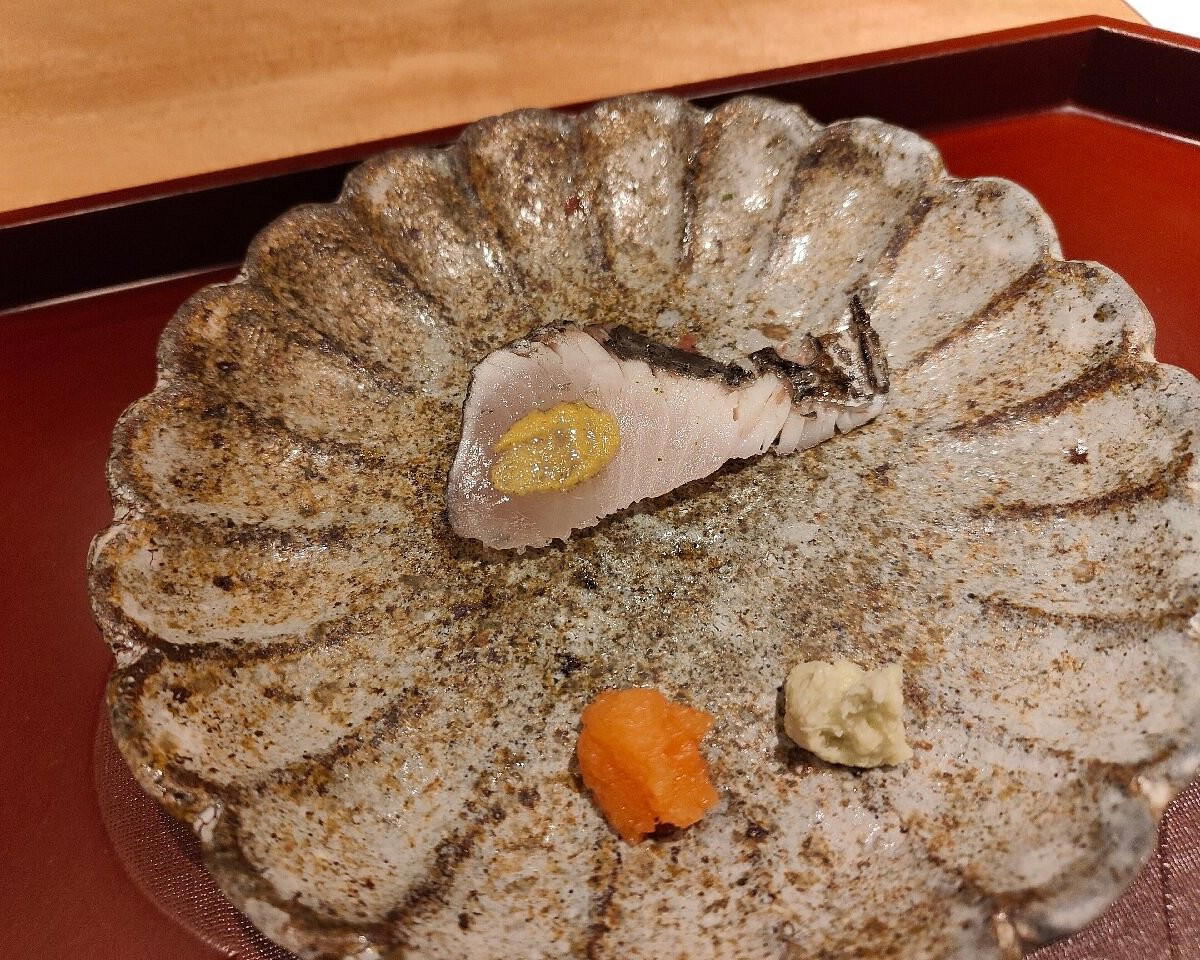
A set-menu-only policy at a small restaurant in Japan is rarely a limitation and almost always a philosophy. It tells the diner that the kitchen is not configured for choice, that sourcing is done to a plan, and that the meal has a designed arc. At Tenyoshi, the set menu includes sashimi alongside the tempura, which is consistent with the fuller kaiseki-adjacent approach that many specialist tempura-ya in the Kansai and western Honshu regions have adopted. Sashimi in this context functions as a palate-clearing counterpoint to fried courses, drawing the meal closer to a multi-course structure than a single-discipline exercise.
This kind of programming places Tenyoshi in a different tier from the city's more casual Japanese offerings. MASUKI, for example, operates in a higher price bracket (JPY 20,000–29,999) as a Chinese-influenced option in the city. Tenyoshi occupies a different axis entirely, not Chinese-inflected, not prix-fixe in the European sense, but structured around a Japanese idea of sequence and hospitality that has its own internal logic.
The Island Setting and How to Approach It
Yoshijimanishi island is in Naka Ward, Hiroshima's central administrative ward, but the island address creates a mild physical separation from the main dining streets. This is worth accounting for in practical terms: the address at 1 Chome-21-25 Yoshijimanishi is reachable from central Hiroshima, but it is not a restaurant you stumble onto. Given the husband-and-wife scale of the operation, it is reasonable to assume that reservations are necessary and that capacity is limited. Small specialist counters in Japan routinely book out days or weeks in advance, and arriving without a booking at a two-person operation is rarely viable.
For broader planning across the city, our full Hiroshima restaurants guide maps the full range of dining options by type and price tier. If your Hiroshima itinerary extends to bars, the Hiroshima bars guide covers the city's cocktail and sake-bar circuit. Hotel recommendations, including properties near the Naka Ward centre, are in the Hiroshima hotels guide.
Comparisons Worth Making
Specialist counters outside Japan can approximate the discipline but rarely the cultural compression. Le Bernardin in New York City runs a comparable logic around seafood, a kitchen entirely organised around one product category, with a menu designed to show its range rather than offer conventional choice. Emeril's in New Orleans takes a different approach, operating as a larger-format destination. The contrast is instructive: Tenyoshi belongs to the smaller, more concentrated school.
Within Japan's secondary cities, the husband-and-wife counter format appears often enough to constitute a recognisable type. Goh in Fukuoka and akordu in Nara both operate in cities that support serious dining without the density of Tokyo or Osaka. Bleston Court Yukawatan in Nagano represents a different model again, embedded in a resort context. Tenyoshi is closer to the urban specialist end of this range.
Other Hiroshima Options to Consider
Hiroshima's dining circuit has enough range to support a full trip built around eating. CHILAN and NAKADO represent different registers within the city's contemporary dining offer. Chiso Sottakuito and Eizan provide additional reference points for considered Japanese cooking in the city. The Hiroshima experiences guide and wineries guide complete the picture for visitors planning time across the prefecture.
Planning Notes
Tenyoshi is at 1 Chome-21-25 Yoshijimanishi, Naka Ward, Hiroshima. The format is set menu only, structured around tempura and sashimi. Given the scale of the operation, a husband-and-wife kitchen, advance reservation is the only sensible approach. The island location is accessible from the city centre but requires deliberate navigation rather than a casual detour.
Frequently asked questions
Would Tenyoshi be comfortable with kids?
Tenyoshi is a small husband-and-wife counter on Yoshijimanishi island in Naka Ward, built around a set menu eaten at a quiet pace. The format does not accommodate the flexibility children typically need, and the intimate scale means disruption is felt by all diners. It is better suited to adults with an appetite for an unhurried, structured meal.
Is Tenyoshi formal or casual?
The setting is a small, husband-and-wife operation in Hiroshima rather than a white-tablecloth destination, so the atmosphere leans toward understated and composed rather than formally ceremonial. That said, a set-menu-only counter in Japan carries its own implicit expectations: arriving on time, eating at the kitchen's pace, and engaging with the meal rather than treating it as a backdrop. Smart-casual dress fits without overthinking it.
What awards or recognition does Tenyoshi have?
Tenyoshi has received recognition including: Tenyoshi is a tempura restaurant on Yoshijimanishi island, not far from the centre of Hiroshima. A small, husband-and-wife business, Tenyoshi serves a set menu only, including delicious sashimi and ou....
What do regulars order at Tenyoshi?
Nothing, in the conventional sense: Tenyoshi runs a set menu only, which removes the choice entirely and hands the sequence to the kitchen. The menu includes tempura and sashimi as confirmed components. In specialist tempura-ya, the set format means regulars distinguish themselves by how well they read the counter's rhythm, not by what they select.
Budget Reality Check
Comparable venues nearby, for context on price, style, and recognition.
| Venue | Cuisine | Price | Awards | Notes |
|---|---|---|---|---|
| TenyoshiThis venue (the venue you are viewing) | Seasonal Tempura Omakase | $300–500 | Star Wine List | Not listed |
| 桃花庵 | Seasonal Kaiseki Omakase | $200–300 | Not listed | Asakita, Seasonal Kaiseki Omakase |
| Wagyu lab K | Sakakiyama Beef Yakiniku | $50–100 | Tabelog Bronze #509 | Nishi, Sakakiyama Beef Yakiniku |
| Tori Yamamoto | Premium Yakitori & Jidori Chicken Omakase | $50–100 | Tabelog Bronze #513 | Naka, Premium Yakitori & Jidori Chicken Omakase |
| Tenko Honten | Traditional Edomae Tempura | $50–100 | Not listed | Naka, Traditional Edomae Tempura |
| Chiso Sottakuito | Modern Japanese Omakase | $200–300 | Tabelog Silver #15 | Naka, Modern Japanese Omakase |
Recognition history
Dated appearances from independent guides and award organizations, with the underlying list record or original source where available.
Star Wine List
Star Wine List
Continue exploring
More in Hiroshima
Restaurants in Hiroshima
All restaurants in Hiroshima →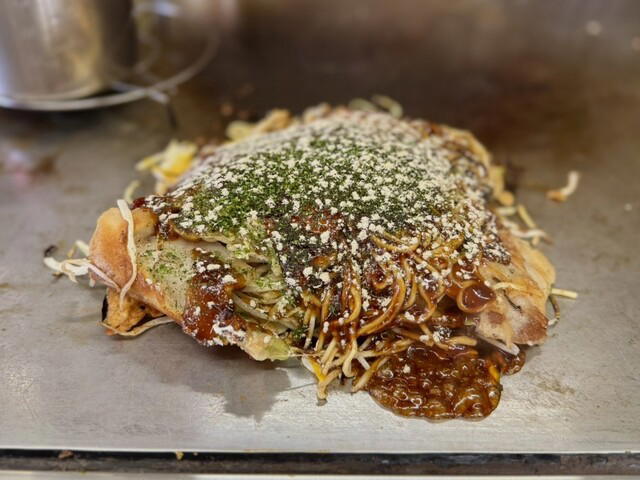
Bars in Hiroshima
All bars in Hiroshima →
Details
- Intimate
- Elegant
- Cozy
- Sophisticated
- Date Night
- Business Dinner
- Special Occasion
- Chefs Counter
- Sake Program
- Extensive Wine List
- Local Sourcing
- Omakase
- Counter Dining
- Sake
- Wine
Current opening hours
- Monday
- 7–10 PM
- Tuesday
- 7–10 PM
- Wednesday
- 7–10 PM
- Thursday
- 12–2 PM, 7–10 PM
- Friday
- 12–2 PM, 7–10 PM
- Saturday
- 12–2 PM, 7–10 PM
- Sunday
- Closed
Hours can change for holidays and private events. Hours as of .
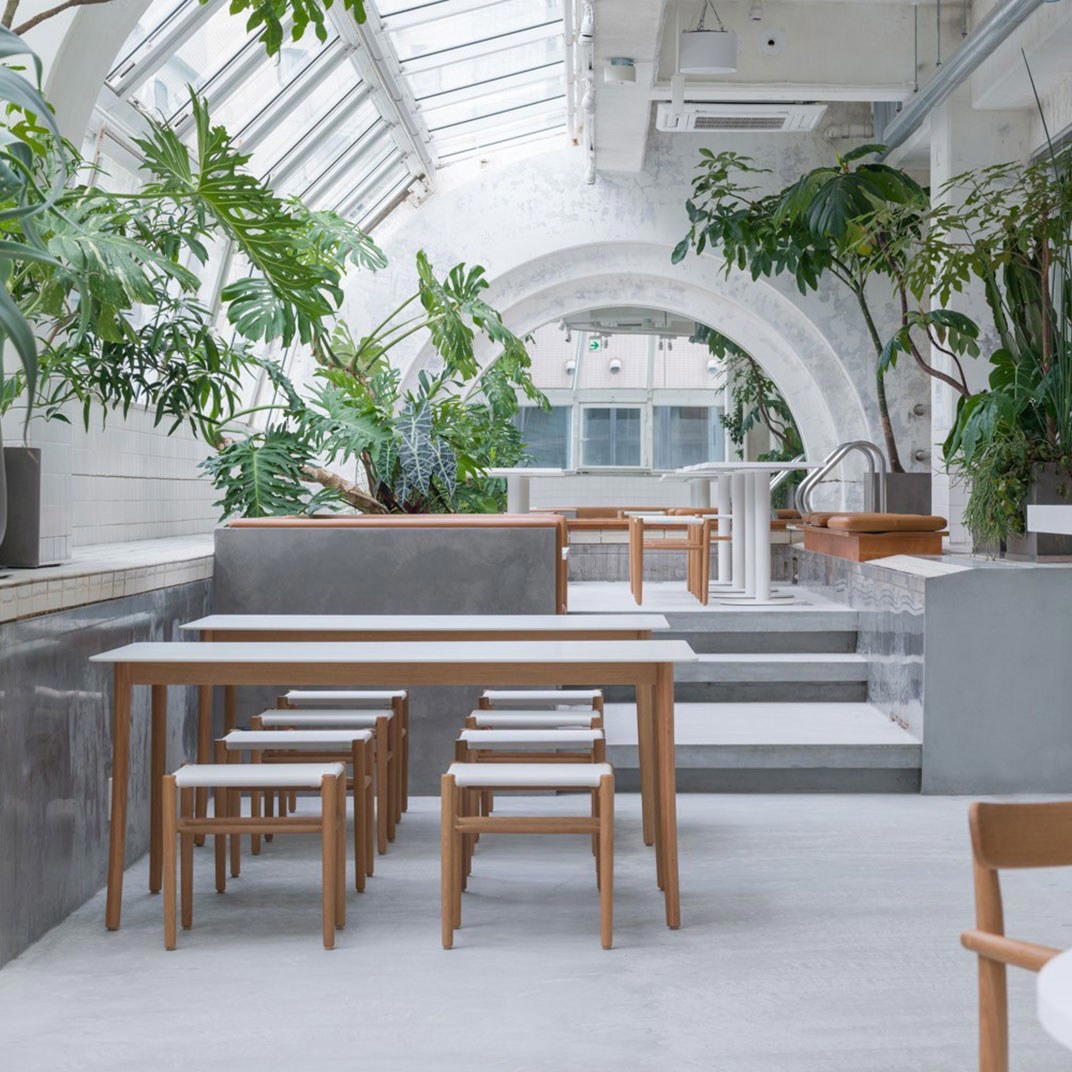
Calming Japanese atmosphere with relaxing, stylish space and attentive counter service.