
A Michelin Plate-recognised French restaurant in Sumida City, ÉTAPE holds consecutive recognitions in 2024 and 2025 against a Tokyo French dining scene that runs from neighbourhood bistros to three-star institutions. Its Higashikomagata address places it east of the Sumida River, outside the central arrondissements where most of Tokyo's decorated French kitchens operate, which shapes both its character and its clientele.
Pearl is the En Primeur Club membership app — saves, bookings, and concierge access live there. Same editors, same standards.
- Address
- 2 Chome-21-6 Higashikomagata, Sumida City, Tokyo 130-0005, Japan
- Phone
- +81 3-5809-7452
- Website
- etaperestaurant.com
- Directions
- Get directions
 Saves & bookings on Pearl
French Cooking in the Eastern Wards: What Sumida's Position Says About ÉTAPE
Tokyo's French restaurant geography follows a predictable logic: Nishi-Azabu, Minami-Aoyama, and Ginza concentrate the city's most awarded rooms, where a three-star kitchen can price its tasting menu against the expectations of an international clientele that has already cleared customs. The eastern wards operate differently. Sumida City, the district where ÉTAPE holds its address at 2 Chome-21-6 Higashikomagata, is better known for the Skytree's silhouette than for French gastronomy, and that separation from the standard dining circuit is not incidental. Restaurants that earn recognition here do so without the ambient credibility of a prestigious postcode. The Michelin Plate awarded consecutively in 2024 and 2025 is read, in this context, as a signal about food quality rather than location premium.
That consecutive recognition matters more than it might elsewhere. The Michelin Plate, distinct from starred classifications, denotes a kitchen that inspires confidence: good ingredients, competent preparation, a kitchen the inspectors returned to. Earning it twice in sequence in an outer Tokyo ward, against the volume of French restaurants in this city, suggests ÉTAPE is doing something with genuine discipline rather than coasting on neighbourhood advantage. but one with a high consensus score.
The Cultural Work French Cuisine Does in Japan
France and Japan have maintained one of the more productive culinary dialogues of the past half-century. Japanese chefs trained in Lyon and Paris through the 1970s and 1980s, then returned to open restaurants that were neither fully French nor fully Japanese but fluent in both. That generation established a Tokyo French scene of unusual depth, one where classical technique is treated seriously and where the comparable set for a French restaurant in Tokyo is not simply other French restaurants in Tokyo, but French restaurants globally.
The result is a market structured differently from, say, Singapore or Bangkok, where French restaurants often operate as luxury signals for a corporate clientele. In Tokyo, French cooking has been absorbed into the city's general dining culture deeply enough that a neighbourhood French restaurant in Sumida can hold its own critical standing. The French tradition that ÉTAPE works within is not an imported novelty; it has local roots, trained practitioners, and an audience that knows what it is eating. For context on how the top end of that tradition is expressed here, L'Effervescence and Sézanne represent the three-star tier, while ESqUISSE and Florilège operate at the two-star level. Château Restaurant Joël Robuchon represents the longest-running international flagship model. ÉTAPE occupies a different price tier, ¥¥¥ against the ¥¥¥¥ of those rooms, and a different neighbourhood logic entirely.
Price Tier and What It Signals
At ¥¥¥, ÉTAPE prices below the upper tier of Tokyo French dining, which tends to cluster at ¥¥¥¥ for multi-course tasting menus at starred addresses. That pricing position places it closer to the accessible end of serious French cooking in this city, the range where a kitchen must justify the visit through food quality rather than ceremonial occasion. It is a harder argument to make: a tasting menu at a three-star room in Nishi-Azabu sells an event as much as a meal, and diners arrive with adjusted expectations. A ¥¥¥ French restaurant in Sumida is selling the cooking itself, with less occasion theatre to cushion any misstep.
The consecutive Michelin Plate recognition and the review score suggest ÉTAPE is making that argument successfully. For a broader picture of where it sits within the Tokyo French category and how it compares on access and price, the comparison below provides a working reference.
Comparison: ÉTAPE Against Tokyo French comparable set
| Venue | Price Tier | Recognition | Location |
|---|---|---|---|
| ÉTAPE | ¥¥¥ | Michelin Plate (2024, 2025) | Sumida City |
| L'Effervescence | ¥¥¥¥ | Michelin 3 Stars | Nishi-Azabu |
| ESqUISSE | ¥¥¥¥ | Michelin 2 Stars | Ginza |
| Florilège | ¥¥¥¥ | Michelin 2 Stars | Minami-Aoyama |
Getting There and Planning the Visit
Higashikomagata sits in Sumida City's western edge, accessible from Asakusabashi Station (Sobu and Asakusa lines) and within walking distance of the Toei Asakusa line's Honjo-Azumabashi stop. The Sumida River crosses nearby, and the neighbourhood has a working character, printing workshops, small fabricators, older residential buildings, that contrasts with the polished commercial corridors of Tokyo's central dining districts. The address on Higashikomagata's quieter side streets is not a destination you drift into; it requires intent.
Given the absence of publicly available booking or hours information, confirming reservation availability and service times directly with the restaurant before visiting is advisable. The ¥¥¥ price tier suggests this is not a casual walk-in address, and the Michelin recognition implies a kitchen operating at a level where advance planning repays the effort.
French Cooking Beyond the Capital: A Regional Note
For readers building a wider Japan itinerary around serious French and European dining, the category extends well beyond Tokyo. HAJIME in Osaka operates at the three-star level with a distinct philosophical approach to ingredients. Outside the major cities, akordu in Nara applies European technique to regional produce in a setting without metropolitan overhead. For French cooking in other global contexts, Hotel de Ville Crissier in Crissier and Les Amis in Singapore provide useful reference points for how the tradition travels.
For a fuller picture of dining, drinking, and staying in Tokyo, see our full Tokyo restaurants guide, our full Tokyo hotels guide, our full Tokyo bars guide, our full Tokyo wineries guide, and our full Tokyo experiences guide. Elsewhere in Japan, Gion Sasaki in Kyoto, Goh in Fukuoka, 1000 in Yokohama, and 6 in Okinawa each represent strong regional arguments for extending the itinerary beyond the capital.
Peers You’d Cross-Shop
Comparable venues nearby, for context on price, style, and recognition.
| Venue | Cuisine | Price | Notes |
|---|---|---|---|
| ÉTAPEThis venue — the venue you are viewing | Modern French-Japanese Fusion | $$$ | Not listed |
| Chez Olivier | Modern French Bistro | $$$ | Chiyoda |
| L'AMITIE | French Bistro | $$$ | Shinjuku |
| BAMBAKUN | French-Japanese Dessert Tasting | $$$ | Ōta |
| レストラン パッション - Pachon | Classic South French Bistro | $$$ | Shibuya |
| Le Monde Gourmand | French Bistro | $$$ | Meguro |
Recognition history
Dated appearances from independent guides and award organizations, with the underlying list record or original source where available.
Michelin Plate
Michelin
Michelin Plate
Michelin









At a Glance
- Cozy
- Intimate
- Elegant
- Modern
- Date Night
- Special Occasion
- Business Dinner
- Open Kitchen
- Sake Program
- Local Sourcing
Current opening hours
- Monday
- 5:30–10 PM
- Tuesday
- Closed
- Wednesday
- Closed
- Thursday
- 5:30–10 PM
- Friday
- 5:30–10 PM
- Saturday
- 12–3 PM, 5:30–10 PM
- Sunday
- 12–3 PM, 5:30–10 PM
Hours can change for holidays and private events. Last verified .
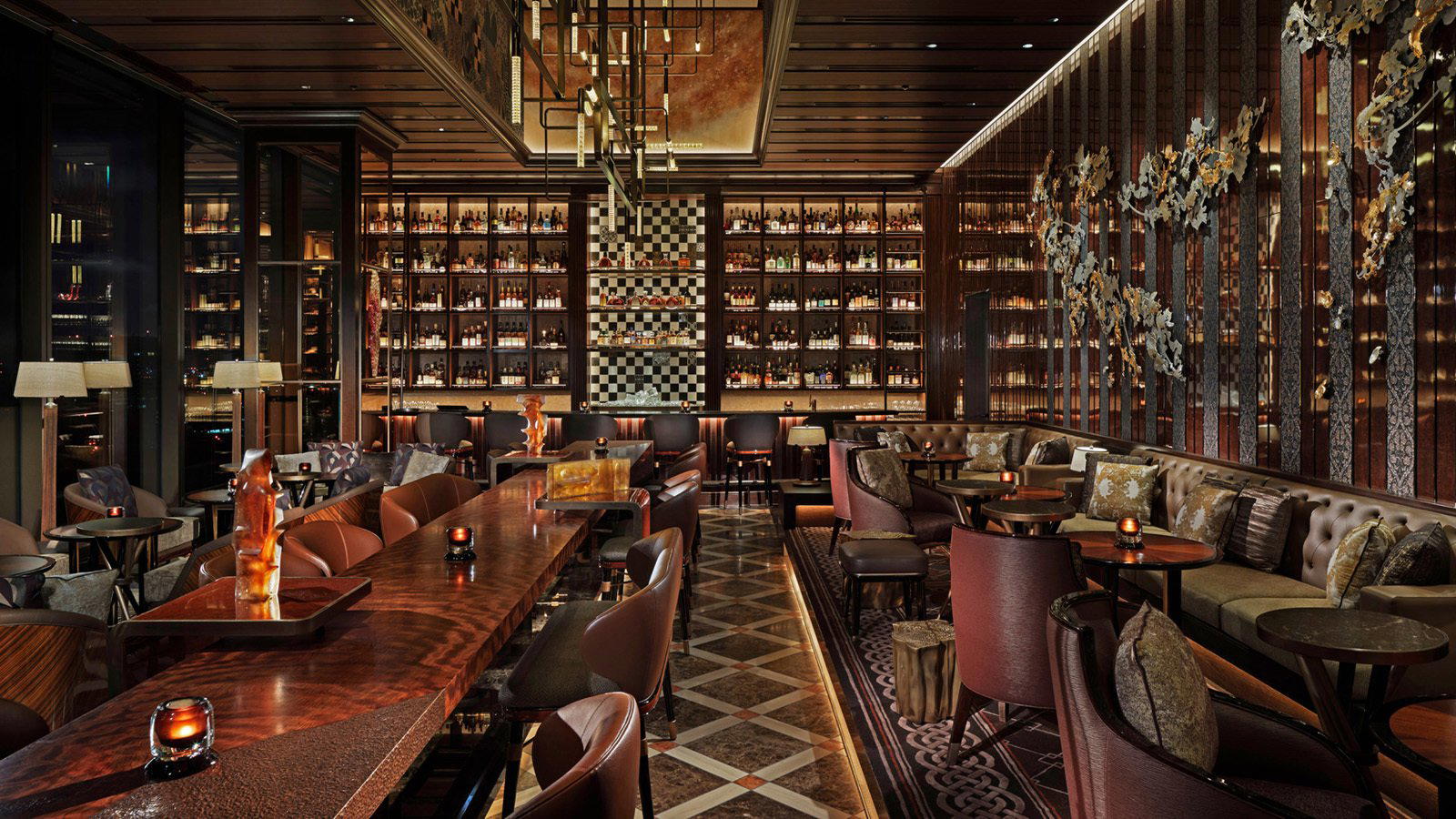
Cozy and relaxing with stylish, intimate counter seating for six, fostering a warm and personal atmosphere.