
In the residential quiet of Denenchofu, BAMBAKUN operates as a patisserie that pairs a light savoury meal of soup, salad, and sandwiches with a prix fixe dessert menu built on seasonal fruit and Japanese ingredients. French recipes meet awamori-misted baked goods in a format guided by two hosts known simply as Bamba-kun and Bamba-chan. The result sits well outside Tokyo's high-volume dessert circuit.
Pearl is the En Primeur Club membership app — saves, bookings, and concierge access live there. Same editors, same standards.
- Address
- 2 Chome-39-11 Denenchofu, Ota City, Tokyo 145-0071, Japan
- Website
- instagram.com
- Directions
- Get directions
 Saves & bookings on Pearl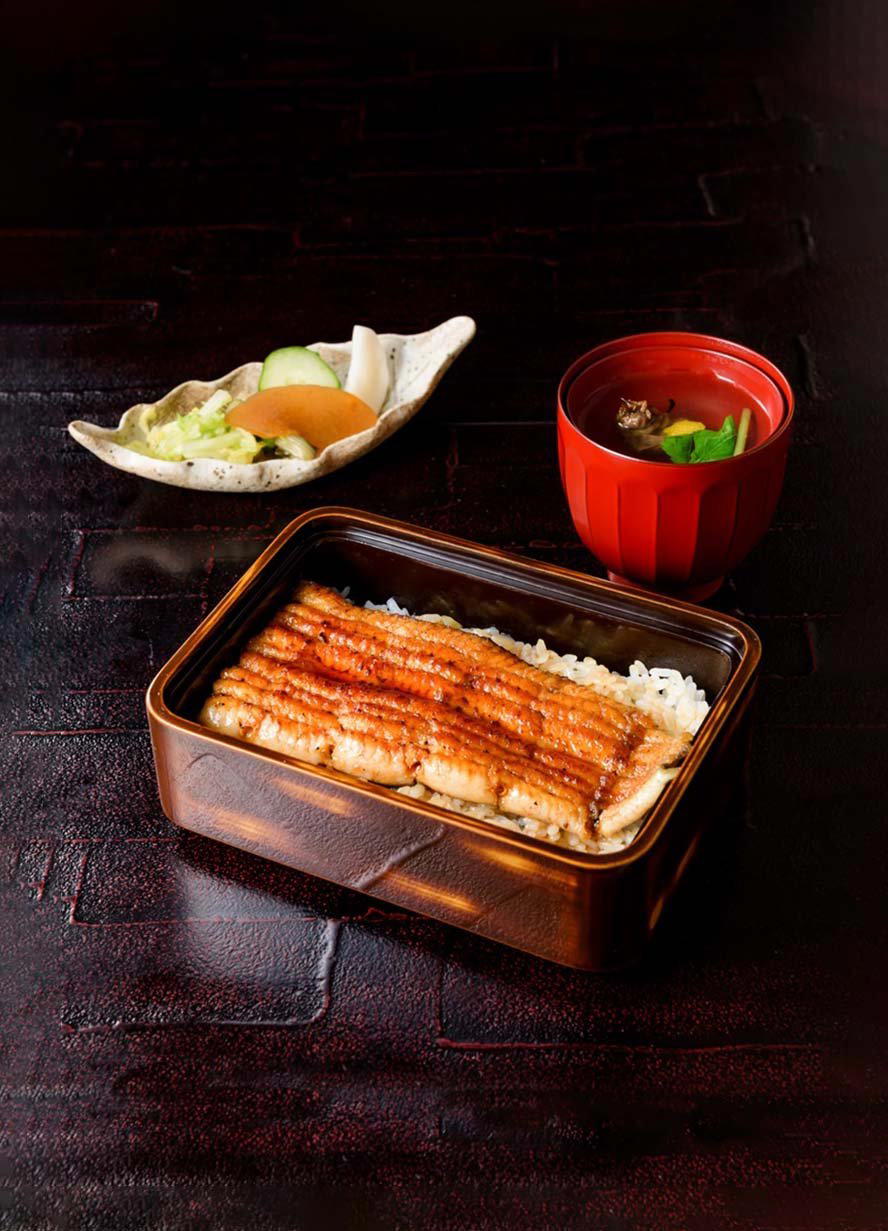
A Patisserie at the Edge of Tokyo's Dessert Conversation
Tokyo's dessert culture has spent the last two decades pulling in opposite directions. On one side, the city's department store basement floors, the depachika, pack internationally trained pastry teams into high-throughput counters serving precise, photogenic sweets to long queues. On the other, a quieter movement has taken root in residential neighbourhoods, where smaller formats favour seasonal rhythm over brand recognition. BAMBAKUN, a Tokyo restaurant in Denenchofu, Ota City, serves a prix fixe of seasonal French-Japanese desserts at about $80 per person.
Denenchofu itself shapes expectations before you arrive. Developed in the early twentieth century as Tokyo's answer to the English garden suburb, its wide, tree-lined streets and low-density housing create an atmosphere that has little in common with the dense commercial zones around Shibuya or Ginza. Coming to BAMBAKUN is not a spontaneous decision; it is, by the neighbourhood's own logic, a deliberate one. That deliberateness runs through the format inside.
The Savoury Prelude: Earning the Dessert
Across the more considered end of Tokyo's dessert scene, from specialist wagashi houses to French-trained pastry counters, there is a recurring intuition that sweetness is sharpened by contrast. BAMBAKUN formalises that intuition into structure. The prix fixe progression opens not with sweets but with a light, slightly saline meal: soup, salad, and sandwiches. The sequence is deliberate. Salt and acidity recalibrate the palate, and by the time the dessert course arrives, the contrast is doing real work rather than serving as a gimmick.
This approach places BAMBAKUN in a specific niche within Tokyo's creative dining category. Venues priced at the ¥¥¥ tier that operate a full prix fixe structure, savoury to sweet, occupy a middle ground between standalone patisseries and full-service restaurants. The format demands more from the guest than a counter purchase, and more from the kitchen than a single discipline. The savoury meal is light by design, calibrated to prime rather than to satisfy, which is a harder editorial brief to execute than it sounds.
French Technique, Japanese Seasonality, Awamori Smoke
The dessert menu reads as a considered negotiation between two culinary traditions. French pastry technique provides the structural grammar, the architecture of a well-made tart, the precision of a good cream. Japanese ingredients and seasonal fruit provide the vocabulary. Neither absorbs the other; both remain legible.
One specific detail in the BAMBAKUN format is the use of awamori to mist baked sweets at service. Awamori is a distilled spirit from Okinawa, typically made from long-grain indica rice and aged in clay pots; its flavour profile sits somewhere between aged sake and a light brandy, with an earthy warmth that differs noticeably from standard sake. Misting rather than incorporating the spirit into a recipe is a presentational choice with genuine sensory consequence: the aroma reaches the guest before the first bite, framing the experience around a scent that is specifically Japanese without being heavy-handed. The technique recalls the theatrical element that certain high-end formats use to signal a shift in register, but here it is applied with restraint rather than spectacle.
For context, this kind of cross-cultural ingredient work is operating in good company in Tokyo. L'Effervescence has long used French technique as a container for Japanese seasonal produce at the three-Michelin-star level. RyuGin applies kaiseki logic to ingredients that shift with the agricultural calendar. BAMBAKUN operates at a different price point and a narrower scope, but the underlying philosophy, that French and Japanese culinary thinking are more complementary than competitive, is consistent with what the city's most considered kitchens have been demonstrating for years.
The Evolution of a Neighbourhood Format
The editorial angle here is not reinvention in the dramatic sense but rather the kind of quiet, iterative refinement that residential-neighbourhood venues often undergo away from the scrutiny that follows Ginza or Roppongi openings. BAMBAKUN's identity is built around two hosts operating under pseudonyms: Bamba-kun and Bamba-chan. The choice of informal, character-like names, the Japanese suffixes kun and chan connote warmth and familiarity rather than formality, signals something about how the venue positions itself relative to the city's more prestigious dessert operations.
Where Tokyo's patisserie counters lean into technical credentials and chef biography as primary trust signals, BAMBAKUN deflects personal identity in favour of the experience itself. The sweets, the seasonal calendar, and the awamori mist are the offer; the hosts are facilitators rather than protagonists. That is a deliberate editorial stance about what the venue is for, and it has aged well in a city where chef-as-brand fatigue is increasingly apparent among the dining public.
The seasonal dimension of the dessert menu means the format is designed to reward return visits across the year. A spring menu built around strawberry and citrus reads differently from an autumn version using persimmon or chestnut. French dessert recipes interpreted through seasonal Japanese fruit is not a fixed proposition but a rotating one, which gives the ¥¥¥ pricing structure a different logic from venues offering a static menu at the same tier.
Where BAMBAKUN Sits in Tokyo's Creative Tier
At its ¥¥¥ pricing, Tokyo's creative dining category covers considerable range. Venues like VERT and çayca operate within the same broad price tier, while Michelin-starred peers such as Harutaka and RyuGin occupy the ¥¥¥¥ bracket above. BAMBAKUN's positioning as a prix fixe patisserie experience rather than a restaurant means the comparison set is narrower than the price tier implies. The relevant peer group is specialist dessert formats rather than full-service creative cuisine, and within that peer group the savoury prelude and awamori misting give it a structural distinctiveness that most patisserie counters in the city do not attempt.
For readers building a broader Tokyo itinerary, the venue fits as an afternoon or early evening appointment rather than a primary dinner reservation. Those wanting to map it against Japan's wider fine dining circuit can reference Gion Sasaki in Kyoto, HAJIME in Osaka, or akordu in Nara for contexts in which French and Japanese culinary thinking have been brought into dialogue at different price points. Internationally, the structural conversation that BAMBAKUN is participating in has parallels at Le Bernardin in New York City and Atomix, where prix fixe discipline and cross-cultural technique have been applied at the highest level of recognition.
Know Before You Go
- Address: 2 Chome-39-11 Denenchofu, Ota City, Tokyo 145-0071, Japan
- Area: Denenchofu, a residential garden suburb in Ota City, southwest Tokyo
- Format: Prix fixe, light savoury meal (soup, salad, sandwiches) followed by seasonal dessert menu
- Price tier: ¥¥¥ (Creative)
- Booking: Reservations are essential.
- Getting there: Denenchofu Station (Tokyu Tōyoko and Ōimachi lines) is the closest rail access point to the Denenchofu address
- Timing note: Seasonal fruit menus shift across the year; spring and autumn visits offer particularly pronounced ingredient contrasts
- Further afield: Goh in Fukuoka, 1000 in Yokohama, 6 in Okinawa
Same-City Peers
Comparable venues nearby, for context on price, style, and recognition.
| Venue | Cuisine | Price | Notes |
|---|---|---|---|
| BAMBAKUNThis venue — the venue you are viewing | French-Japanese Dessert Tasting | $$$ | Not listed |
| Benoit | Classic French Bistro with Japanese Influences | $$$ | Shibuya |
| Quatre Vingt Douze | Modern French Fine Dining | $$$ | Setagaya |
| Le Bouton | Modern French Bistro | $$$ | Minato |
| Patous | Classic French Fine Dining | $$$$ | Minato |
| La Pioche | French Bistro with Natural Wines | $$$ | Chūō |
Recognition history
Dated appearances from independent guides and award organizations, with the underlying list record or original source where available.
Michelin Plate
Michelin








At a Glance
- Intimate
- Elegant
- Quiet
- Whimsical
- Special Occasion
- Date Night
- Solo
- Open Kitchen
- Standalone
- Design Destination
- Sake Program
- Local Sourcing
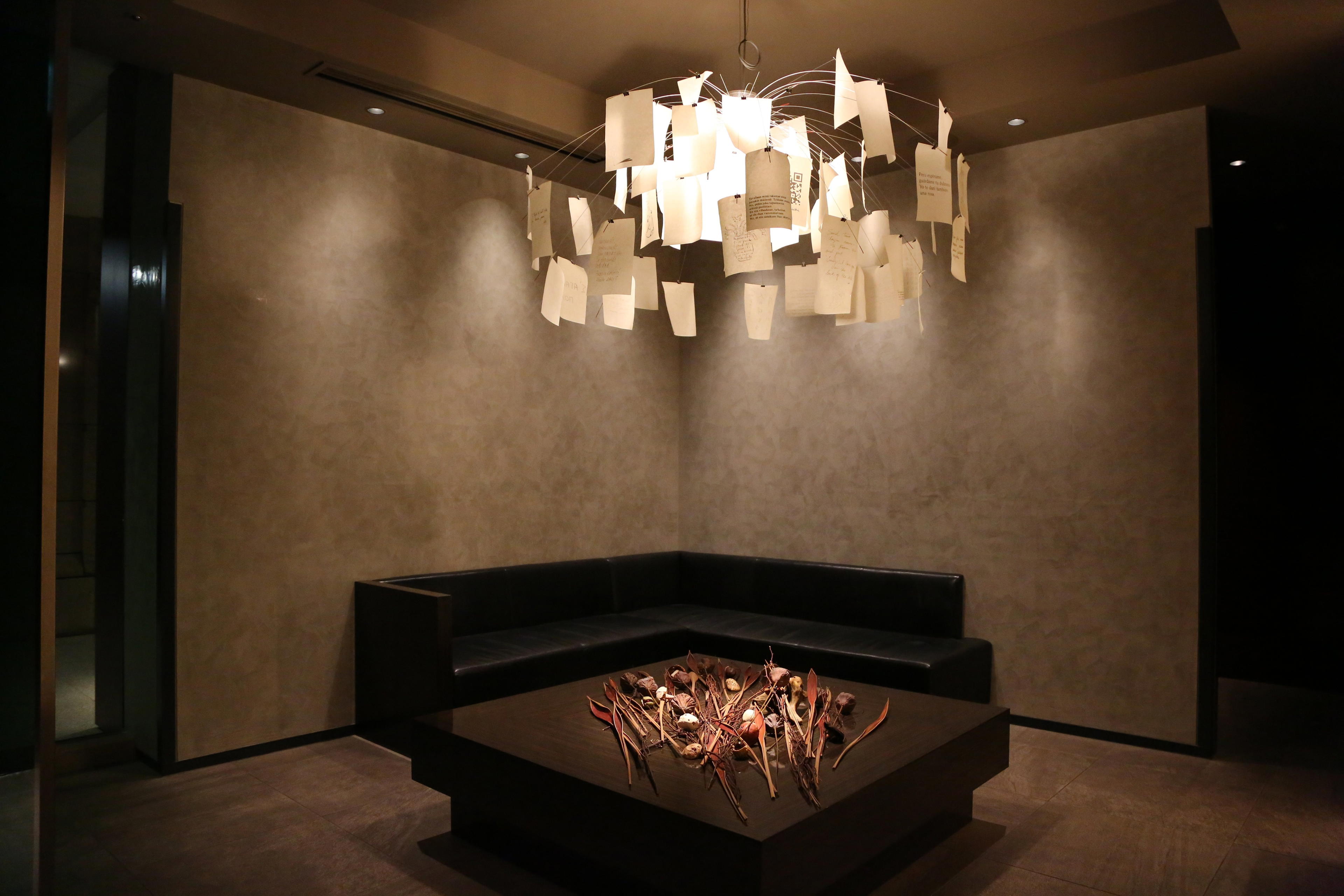
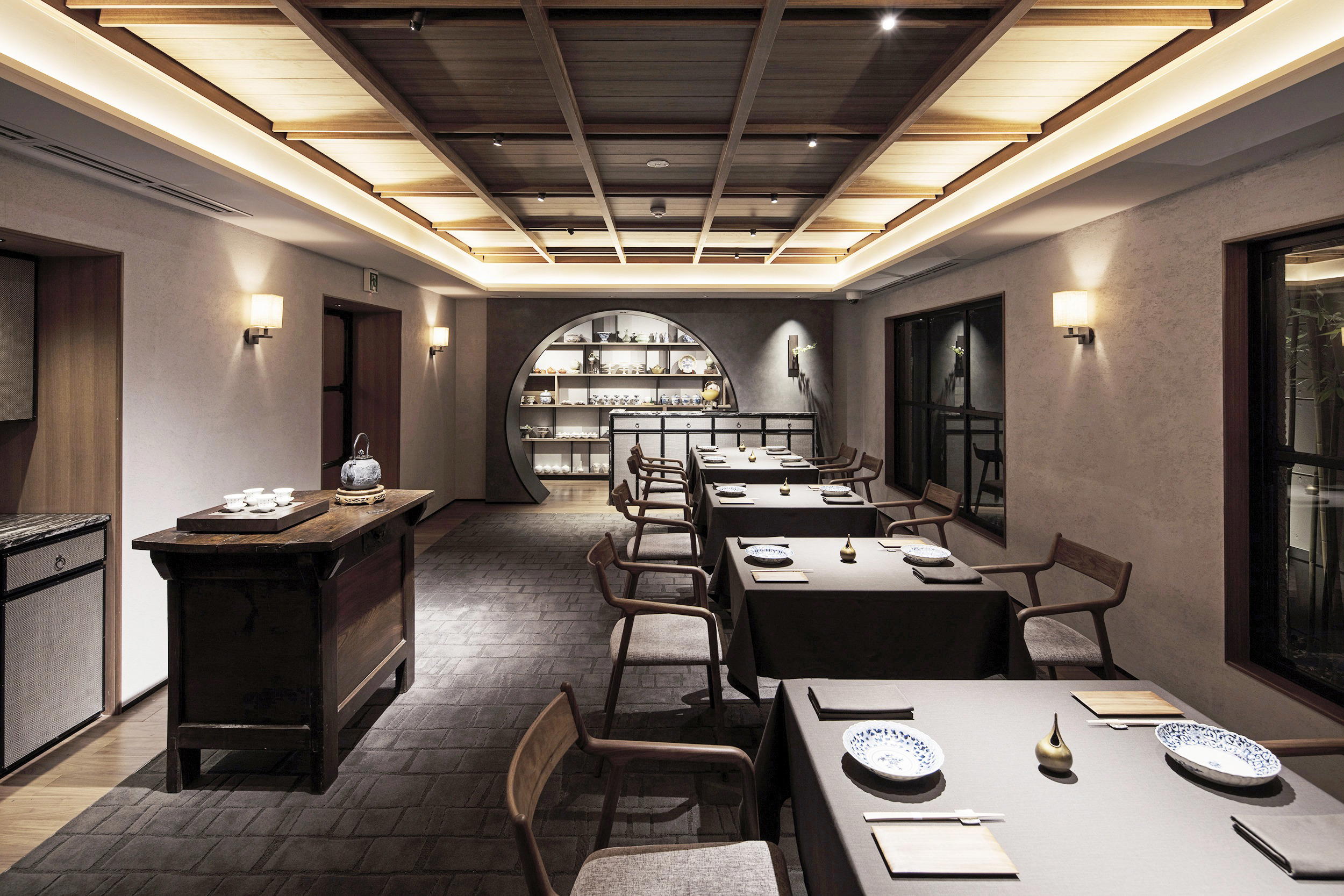
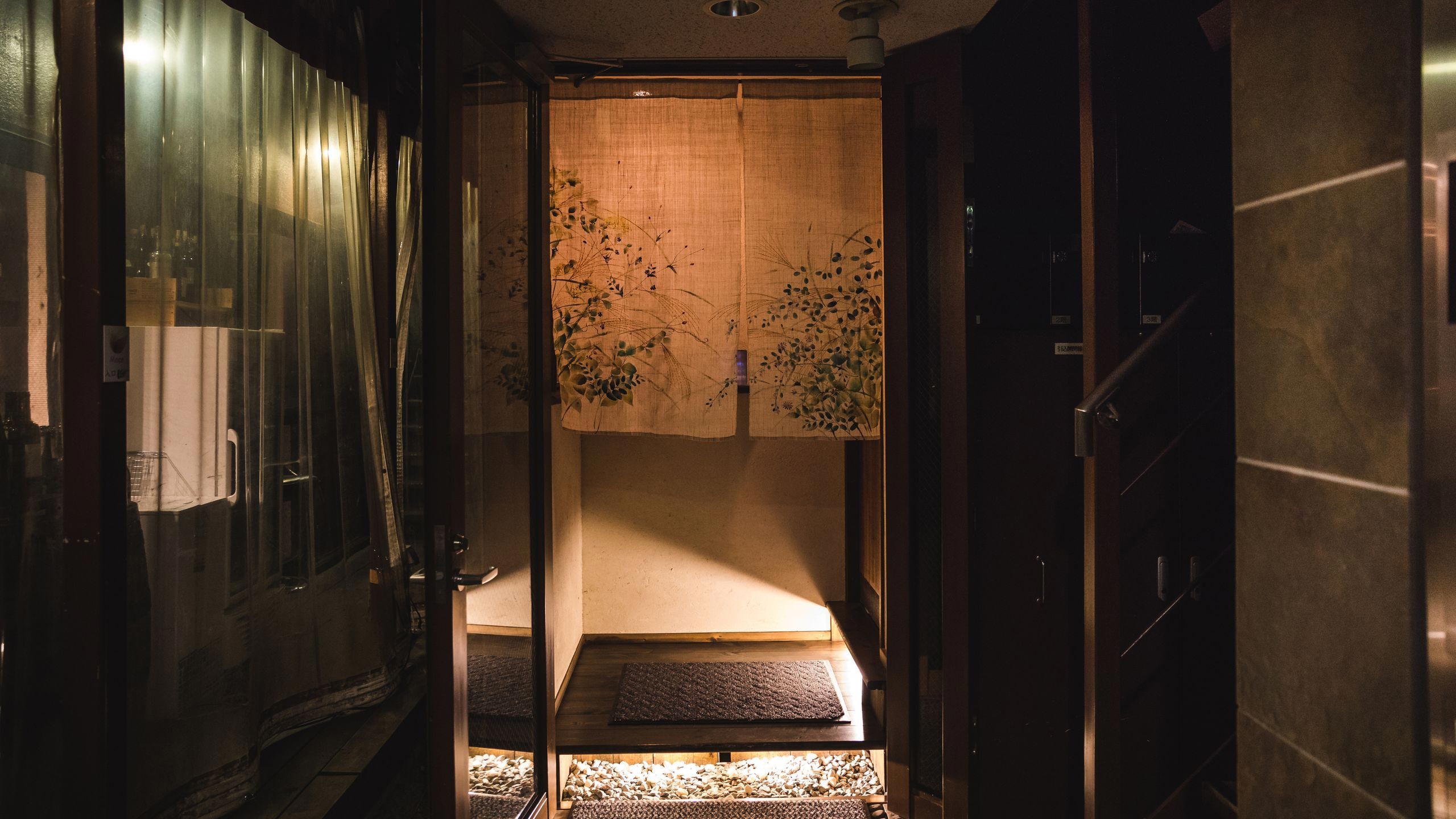
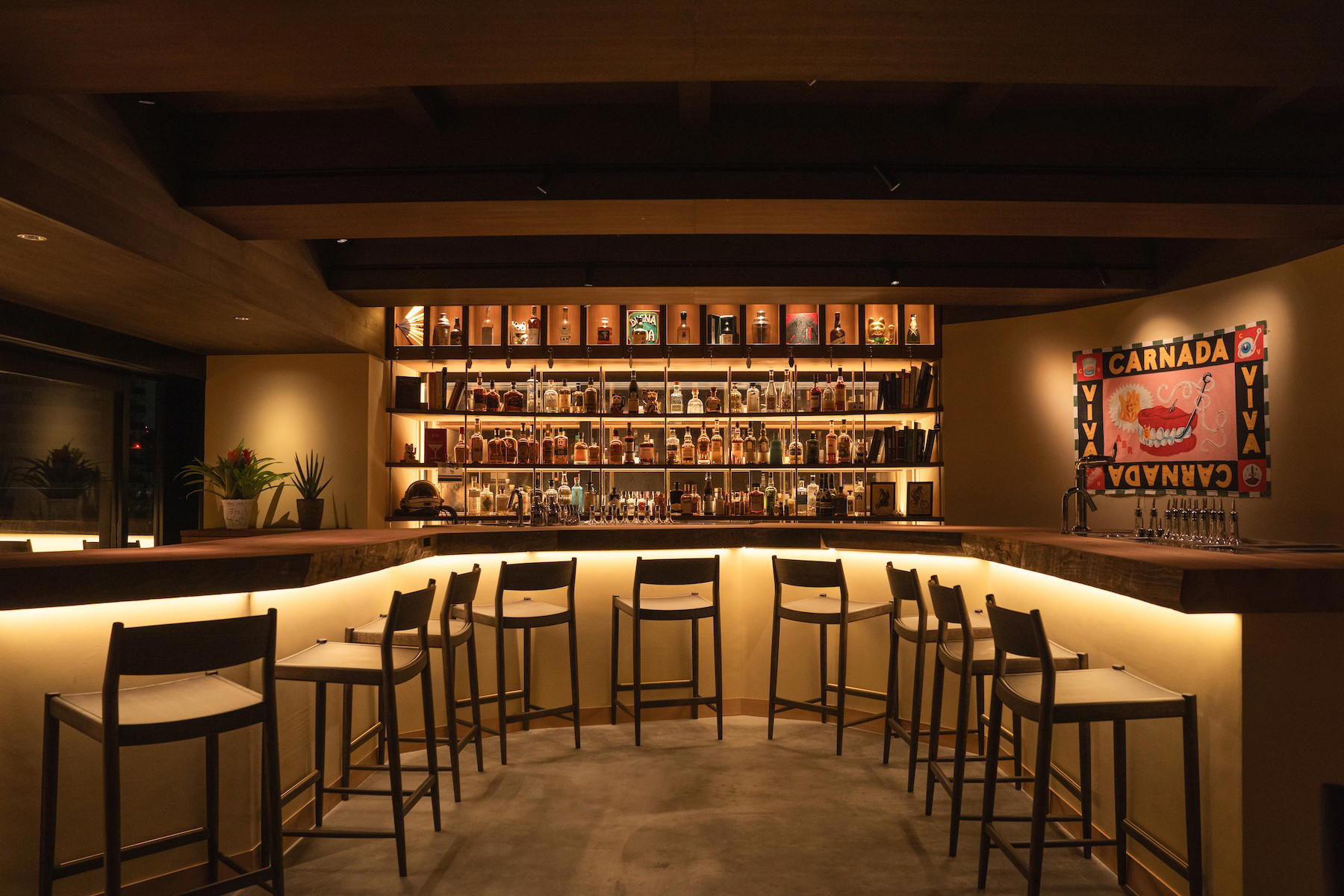
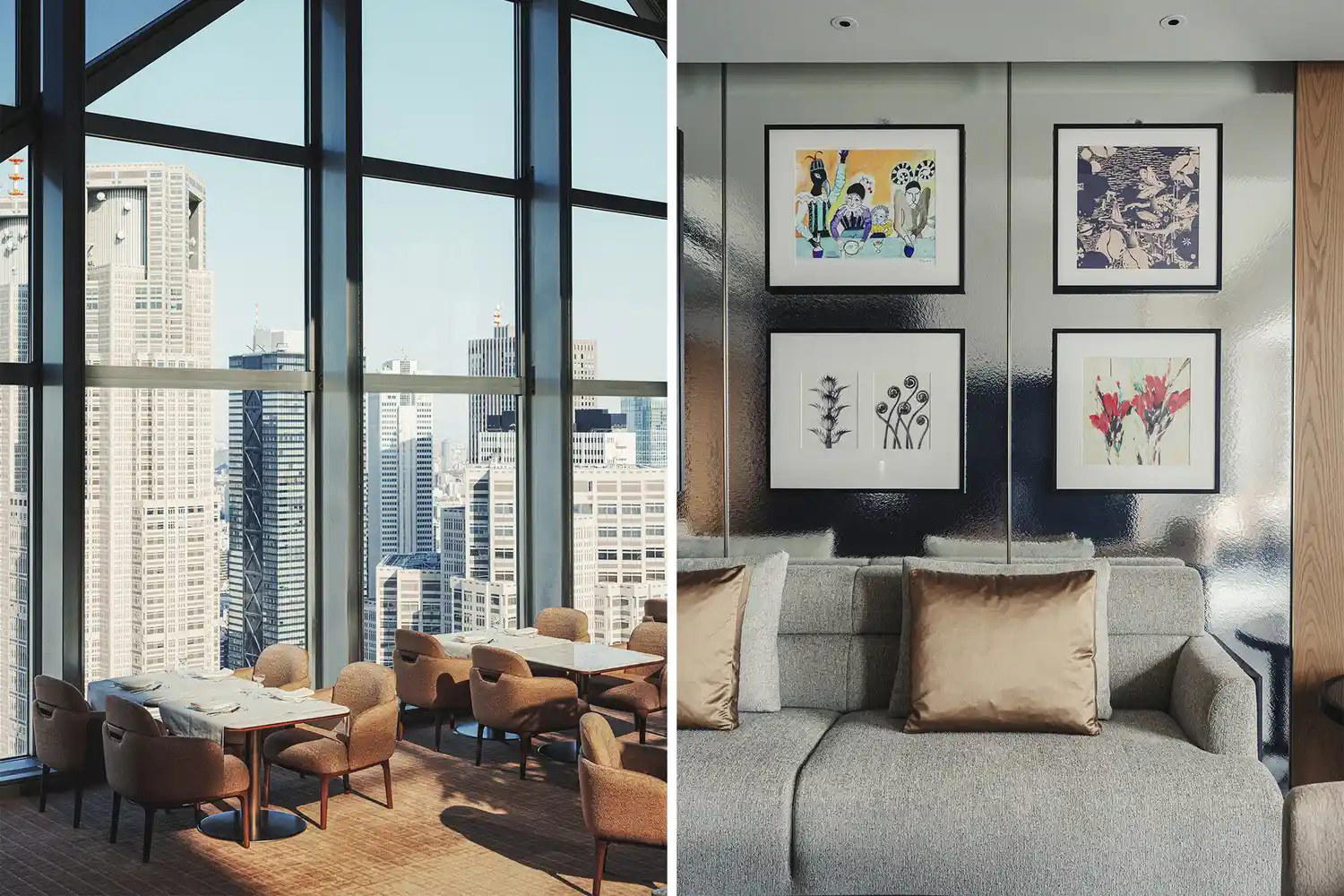
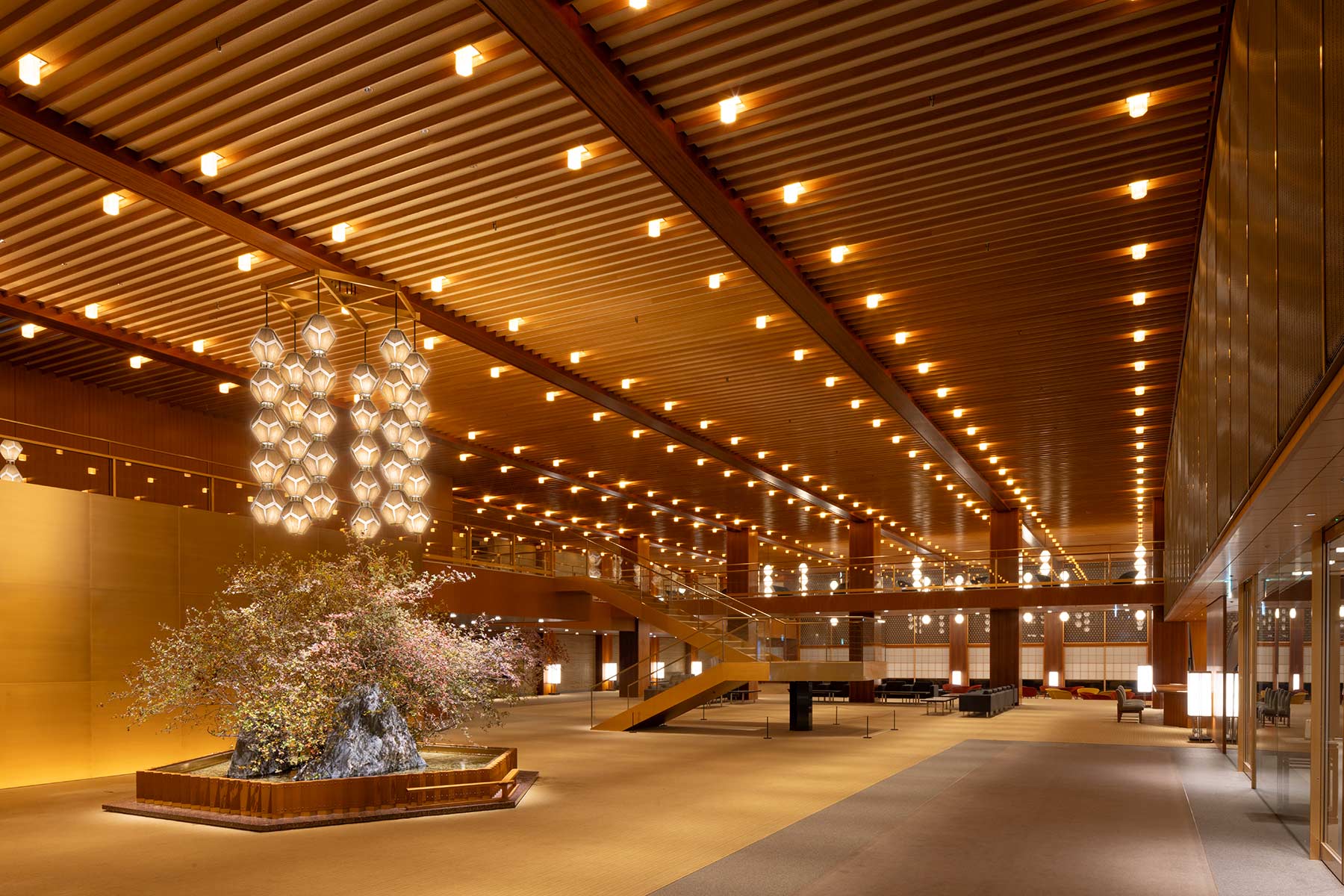
Relaxed and intimate interior with warm woods, clean surfaces, and compact display cases; subtle sake aroma from awamori misting creates a sensory experience focused on craft and comfort.