On Awaji Island, where the Seto Inland Sea dictates what lands on the plate, Sushiya Nobu operates from the quiet northern end of the island at Shizuki. The setting places it squarely within a regional tradition that prizes proximity to source over metropolitan prestige. For visitors crossing from Kobe or arriving via the Akashi Kaikyō Bridge, it represents a different sushi register than the Ginza counter.
Pearl is the En Primeur Club membership app — saves, bookings, and concierge access live there. Same editors, same standards.
- Address
- 1871-5 Shizuki, Awaji, Hyogo 656-2131, Japan
- Phone
- +81799624040
- Website
- nobu4040.com
 Saves & bookings on Pearl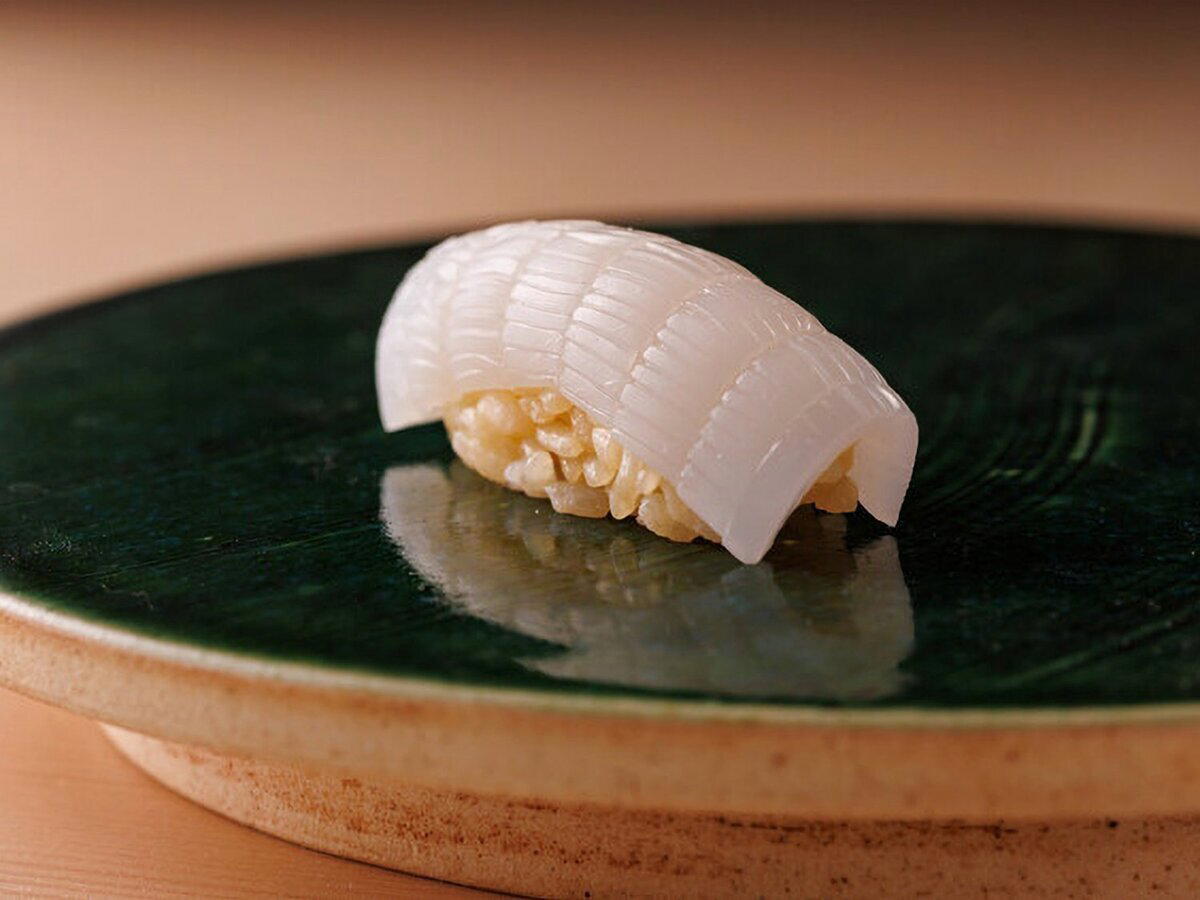
Where the Seto Inland Sea Sets the Menu
Awaji Island sits at the geographical center of Japan's ancient sea trade routes, framed by the Seto Inland Sea to the north and east and the Pacific-influenced waters of Osaka Bay. That position is not incidental to how food tastes here. The island has long supplied Osaka and Kyoto kitchens with some of the country's most prized seafood, particularly sea bream, conger eel, and the shrimp species that thrive in the nutrient-rich tidal flows between Hyogo and Tokushima. Sushiya Nobu, addressed at 1871-5 Shizuki in the island's northern quarter, places itself directly inside that supply chain rather than at the end of it.
This is the structural difference between a sushi counter on Awaji and one in a major city. In Tokyo, even a counter of Harutaka's calibre depends on Toyosu market logistics, with fish traveling hours and changing hands multiple times before it reaches the rice. On the island, the gap between sea and plate is compressed in a way that no urban distribution network can replicate. That compression is not a romantic abstraction; it produces measurable differences in texture and temperature tolerance in the fish, and it shapes the rhythm and composition of what a local counter can offer on a given day.
Awaji's Position in the Kansai Dining Circuit
The Kansai region fields some of Japan's most technically demanding restaurants. HAJIME in Osaka operates at the French-innovative tier with three Michelin stars. Gion Sasaki in Kyoto anchors the kaiseki tradition with comparable recognition. Against that backdrop, Awaji Island occupies a quieter but increasingly legible position: a place where the ingredient sourcing argument is won not by certification or marketing but by geography itself.
The island is roughly 50 kilometres in length, with the Akashi Kaikyō Bridge connecting its northern tip to Kobe. Day-trip and weekend traffic from Osaka and Kobe has grown steadily, and the island's food identity has followed. Sushiya Nobu's Shizuki address sits close to that northern entry point, which affects both its accessibility and the likely composition of its guests: the counter draws from a regional visitor base rather than the domestic tourism circuit that loops through Kyoto, Nara, and Osaka.
For context on what that regional base expects, consider that akordu in Nara has demonstrated that Kansai visitors will travel for ingredient-led, place-specific cooking when the sourcing story is coherent. The same logic applies on Awaji, where the island's agricultural identity (particularly its onions, widely considered among Japan's leading) and its seafood provenance together form a sourcing argument that a skilled counter can translate directly into the menu.
The Ingredient Case for Awaji Sushi
Japan's premium sushi tradition places unusual weight on the concept of shun, the seasonal peak of an ingredient. That concept lands differently depending on where the counter sits. A city counter applies it through careful sourcing and timing at market. An island counter like Sushiya Nobu can apply it through direct proximity to the catch and the agricultural cycle, which narrows the window of decision-making and tightens the relationship between what is available and what is served.
The Seto Inland Sea produces a specific range of seafood that differs meaningfully from Pacific or Sea of Japan catches. The relatively calm, warm, mineral-rich waters yield sea bream (tai) with firm, sweet flesh that has supplied the Osaka market for centuries. Conger eel (hamo), a Kyoto summer staple, originates substantially from these waters. Awaji shrimp are harvested in forms that rarely make it to mainland markets in prime condition. These are not decorative claims; they are the sourcing infrastructure that a counter at this address can access in ways that a metropolitan peer cannot.
For comparison, Goh in Fukuoka has built a clear identity around Kyushu's specific seafood character. The same principle applies here: the island's geography is an editorial position, not just a postcode.
How Awaji Compares to Other Regional Sushi Destinations
Japan's regional sushi scene operates in sharp contrast to the Tokyo-centric counter model that draws international attention. Counters in places like Nanao, on the Noto Peninsula, have built reputations around access to Sea of Japan species that don't reach Tsukiji in prime form; 三本木 石川割烹 in Nanao represents that regional specificity in a different climate and catch profile. Awaji's equivalent is its Seto Inland Sea identity: gentler water, different species mix, and a supply chain that runs through local fishing cooperatives rather than national wholesale markets.
This regional differentiation matters most to visitors who have already covered the established Tokyo or Kyoto counter circuit and are looking for a sourcing register that those cities cannot provide. The Awaji argument is geographic rather than hierarchical: it is not competing with Ginza-tier omakase on technical grounds, but offering something that technical excellence in a city setting structurally cannot replicate.
Internationally, the closest conceptual parallel might be a counter in coastal Brittany accessing day-boat shellfish, or the sourcing logic behind a restaurant like Le Bernardin in New York, which has built decades of credibility on supplier relationships and species specificity. The island counter version compresses that logic: the relationship between fisherman and kitchen exists within a radius measured in kilometres, not supply chain tiers.
Planning a Visit to Sushiya Nobu
The restaurant's address at 1871-5 Shizuki, Awaji, Hyogo places it in the island's northern section, accessible from Kobe via the Akashi Kaikyō Bridge by car or bus, with journey times from central Kobe in the range of 40 to 60 minutes depending on traffic at the bridge approach. Reservations are essential. Those building a wider Kansai itinerary might consider pairing an Awaji visit with HAJIME in Osaka or Gion Sasaki in Kyoto for a broader read on the region's range. Visitors with more time in western Japan might also consider Denko Sekka in Hiroshima or Cafe Naoshima Konichiwa on Naoshima as part of an Inland Sea arc.
Fast Comparison
Comparable venues nearby, for context on price, style, and recognition.
| Venue | Cuisine | Price | Notes |
|---|---|---|---|
| Sushiya NobuThis venue — the venue you are viewing | Awaji Island Omakase Sushi | $$$$ | Not listed |
| Awaji Okina | Traditional Soba Specialty Shop | $$ | :null |
| Master of beef Miyoshi (にくの匠 三芳) | Premium Beef Kaiseki | $$$$ | Gion |
| Dining at Kai (食事処) | Kaiseki Ryokan Dining | $$$$ | Yufuin |
| Araya Totoan | Traditional Kaga kaiseki at historic onsen ryokan | $$$$ | Yamashiro Onsen |
| Hakone Ginyu | Seasonal Kaiseki Ryokan | $$$$ | Miyanoshita |
Continue exploring
More in Awaji
Restaurants in Awaji
Browse all →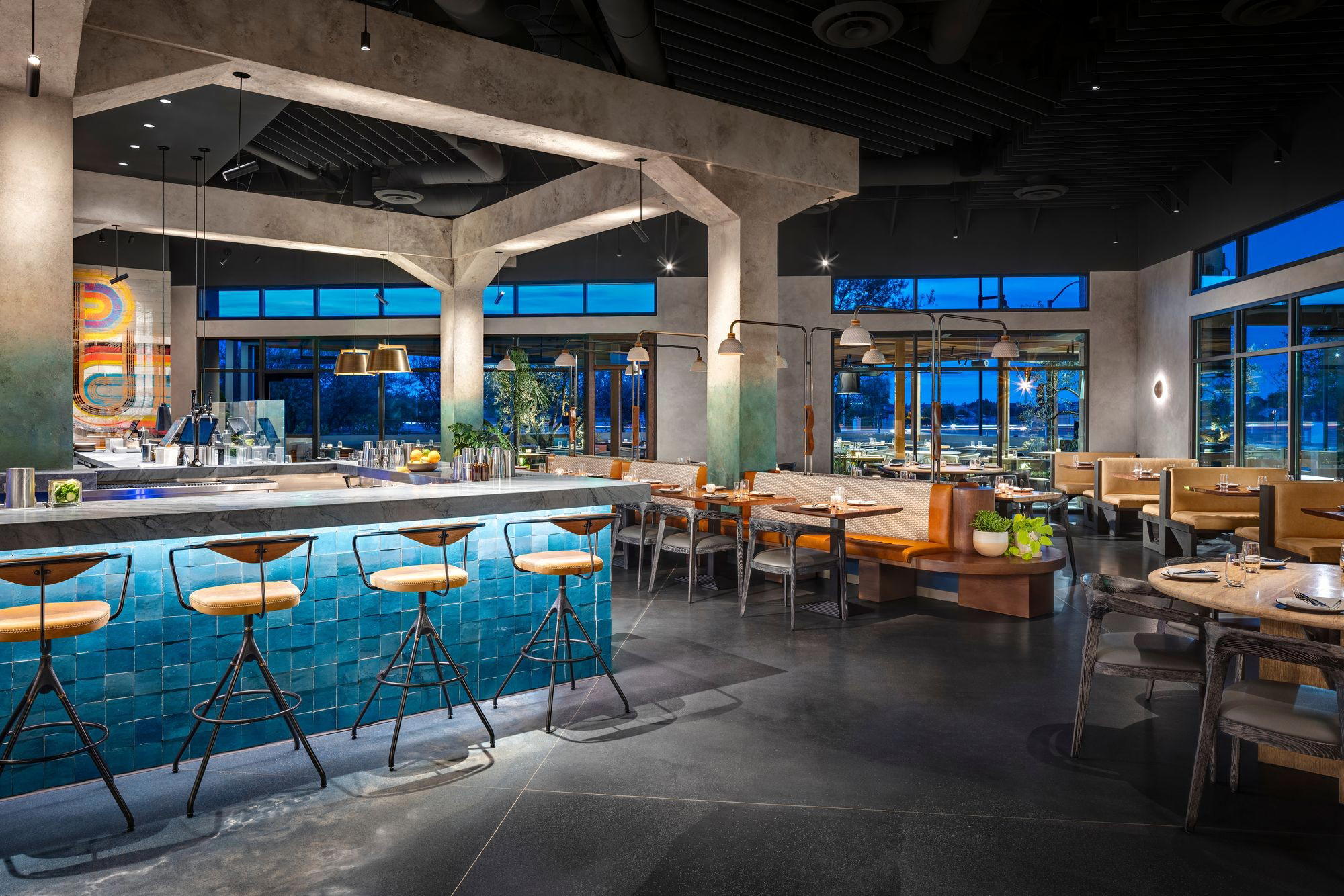
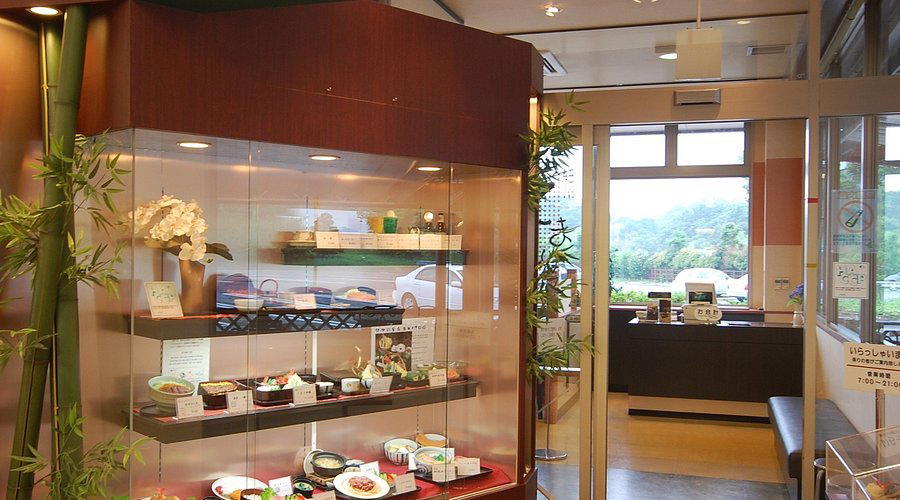
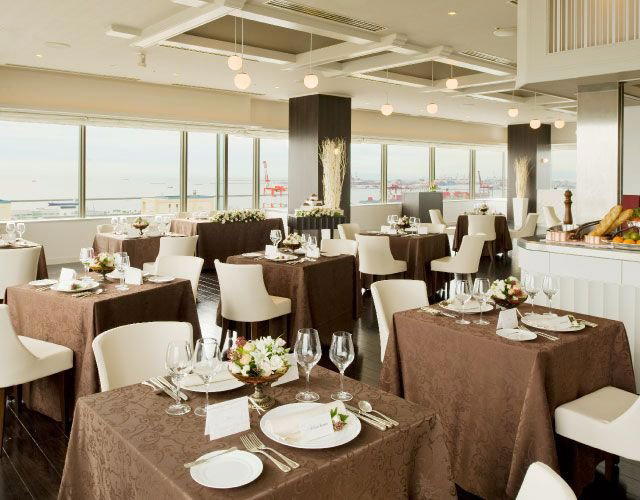
Hotels in Awaji
Browse all →
Wineries in Awaji
Browse all →
At a Glance
- Elegant
- Sophisticated
- Intimate
- Special Occasion
- Date Night
- Chefs Counter
- Sake Program
- Sustainable Seafood
- Waterfront
Current opening hours
- Monday
- 11:30 AM–1:25 PM, 1:35–3:30 PM, 5–8:30 PM
- Tuesday
- Closed
- Wednesday
- 11:30 AM–1:25 PM, 1:35–3 PM, 5–8:30 PM
- Thursday
- 11:30 AM–1:25 PM, 1:35–3:30 PM, 5–8:30 PM
- Friday
- Closed
- Saturday
- 11:30 AM–1:25 PM, 1:35–3:30 PM, 5–8:30 PM
- Sunday
- 11:30 AM–1:25 PM, 1:35–3:30 PM, 5–8:30 PM
Hours can change for holidays and private events. Last verified .