Our verdict
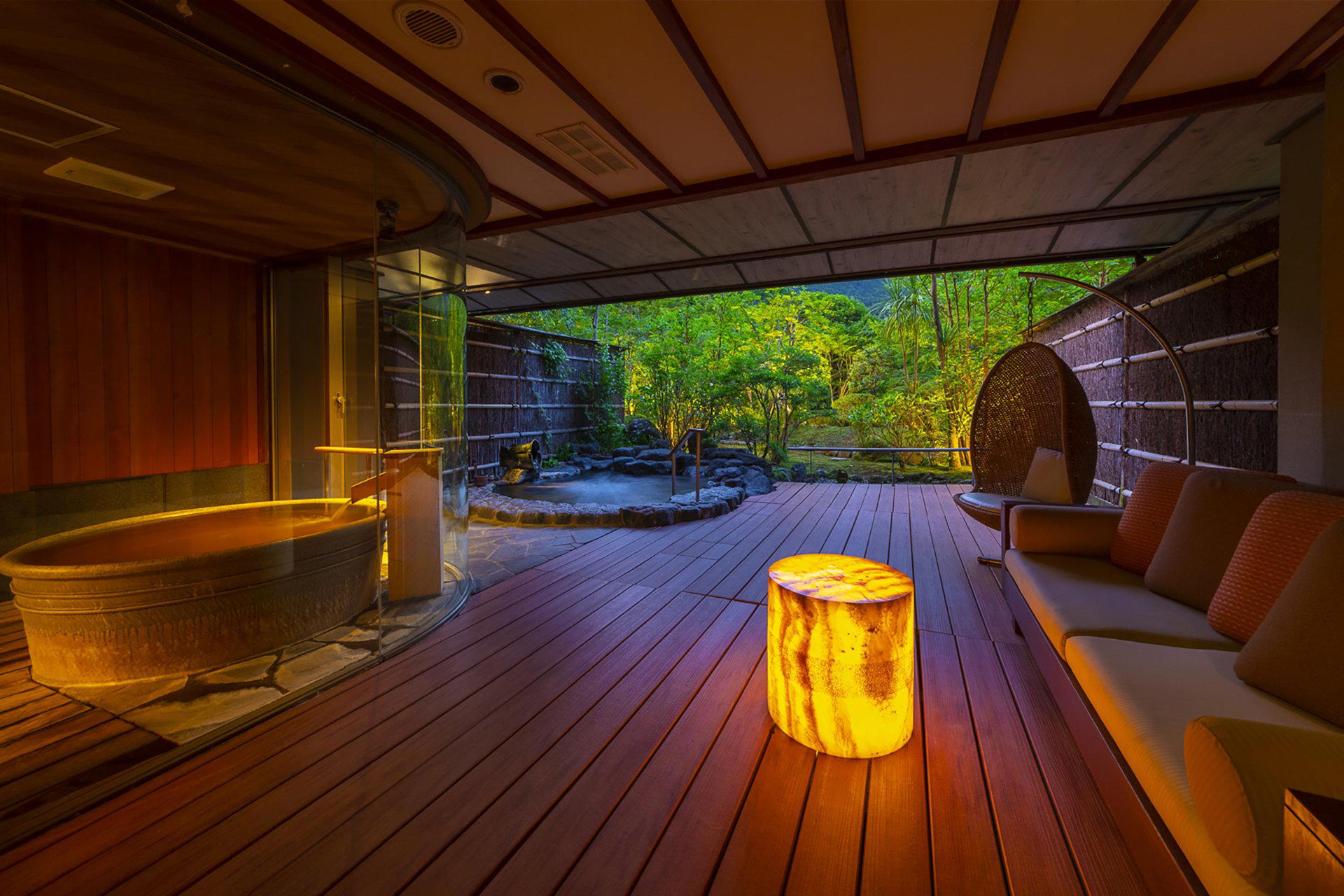
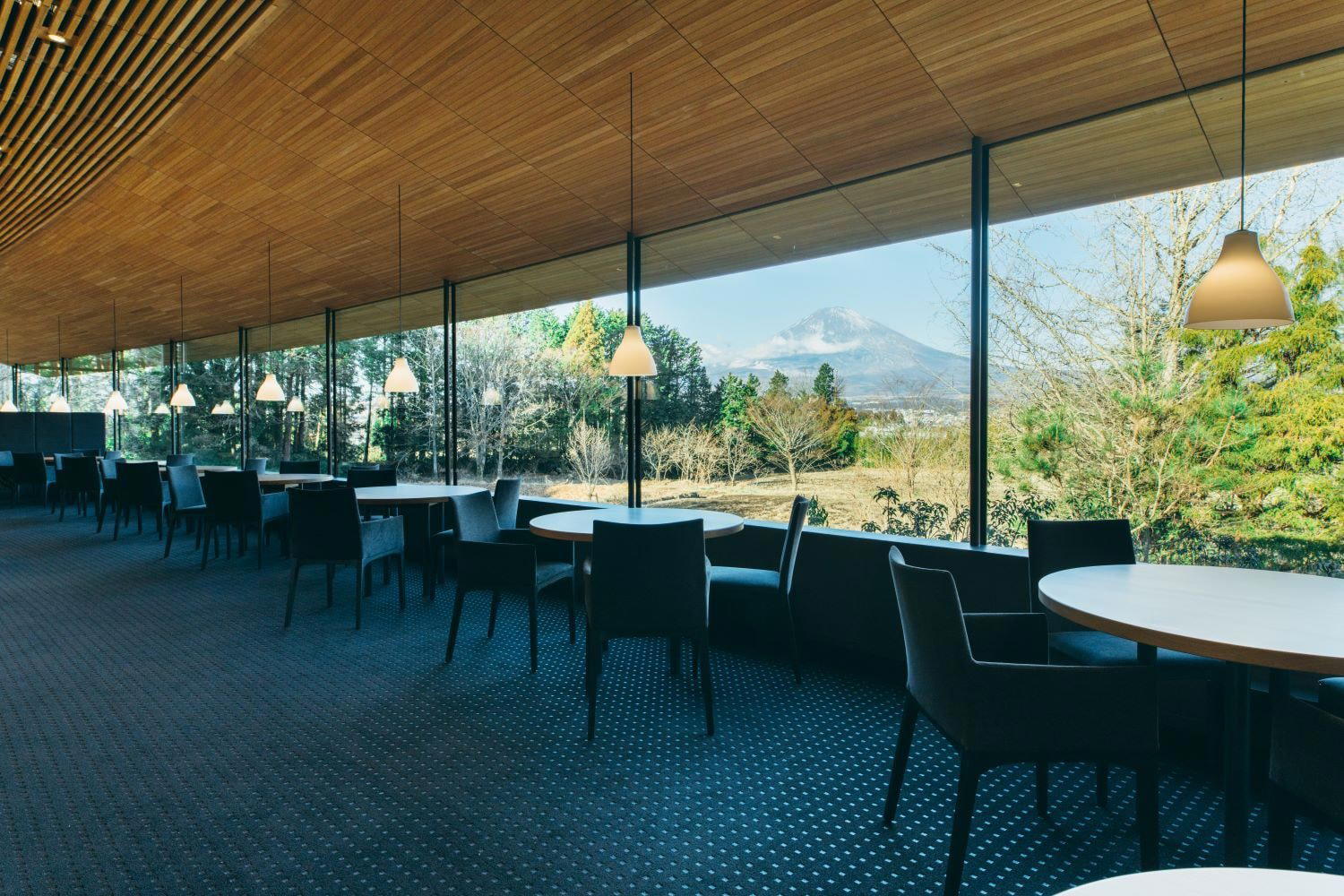
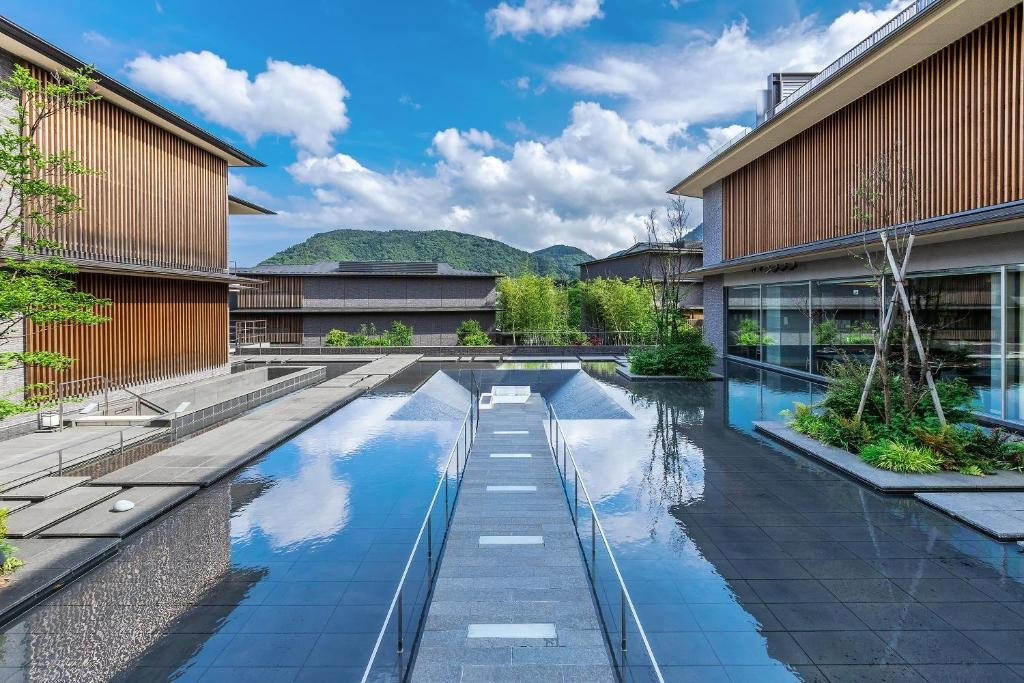
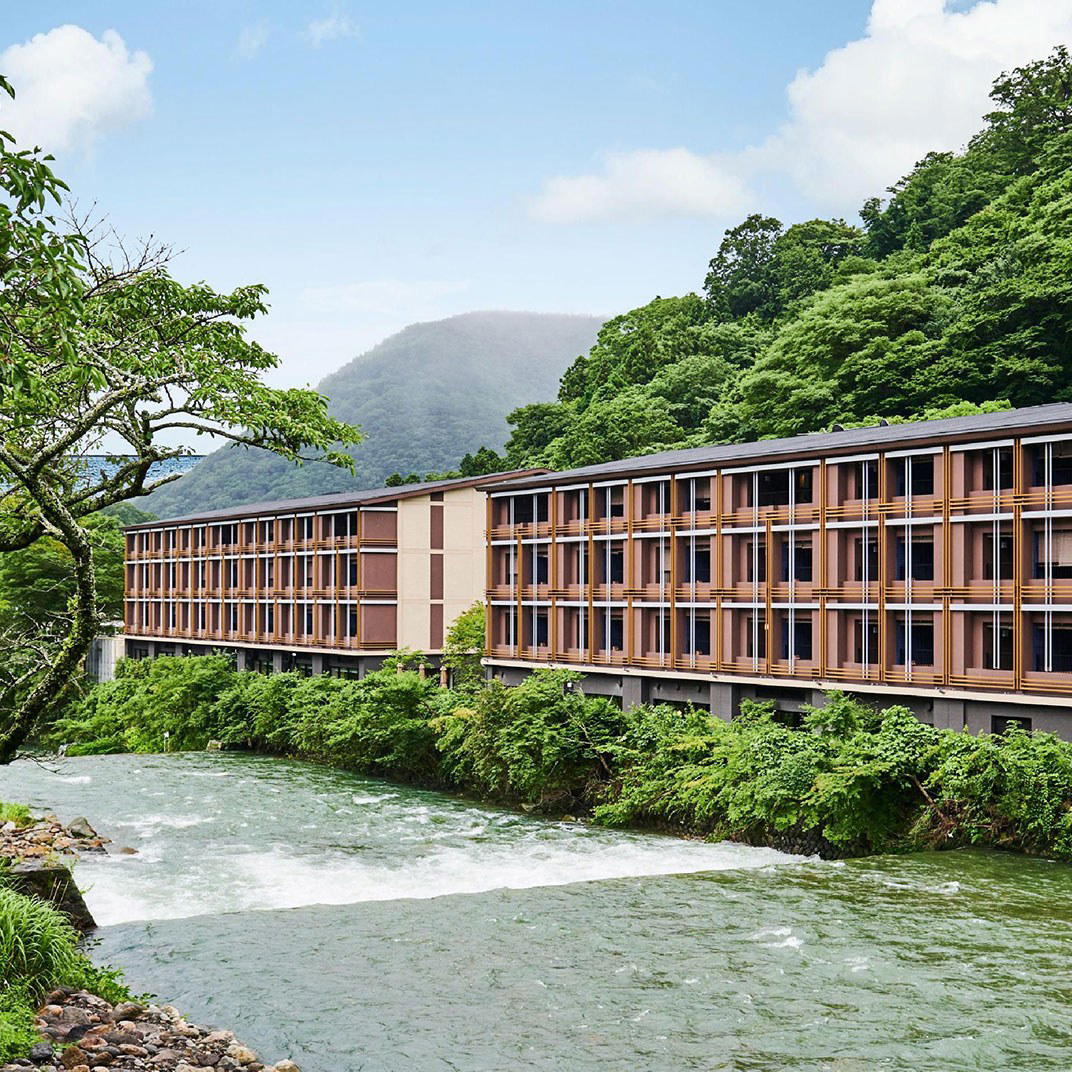
Hakone Ginyu pairs seasonal kaiseki ryokan dining with panoramic mountain, garden, and waterfront views, plus sake and craft cocktails for an extended dinner.

Pearl is the En Primeur Club membership app, where members save venues, book tables and use the concierge.
The menu
What to order
- Seasonal kaiseki multi-course dinner
- Teppanyaki wagyu beef course
- Ise lobster teppanyaki course
Where Hakone's Landscape Becomes the Kitchen
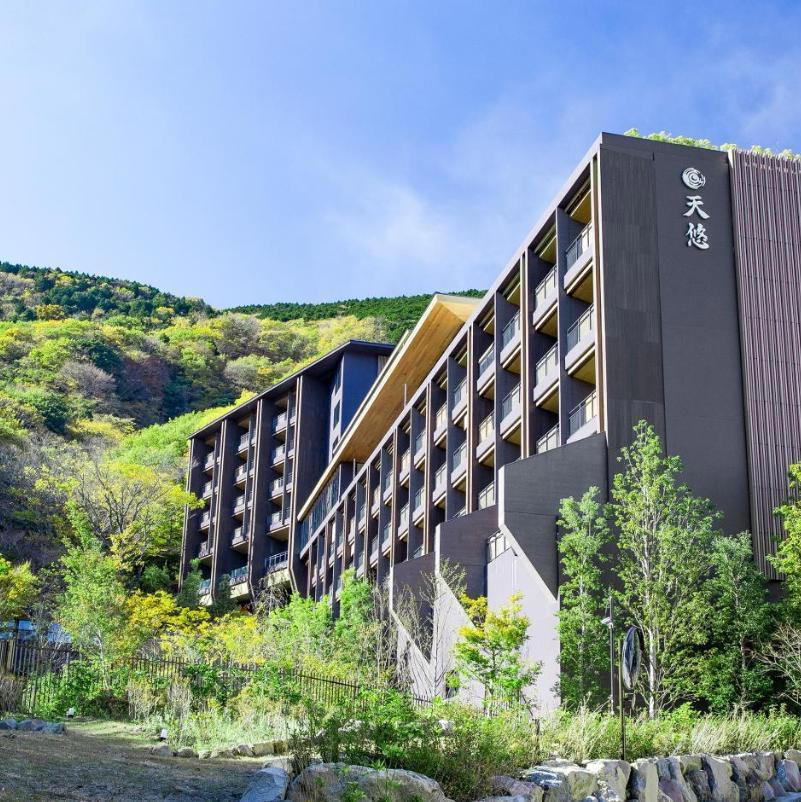
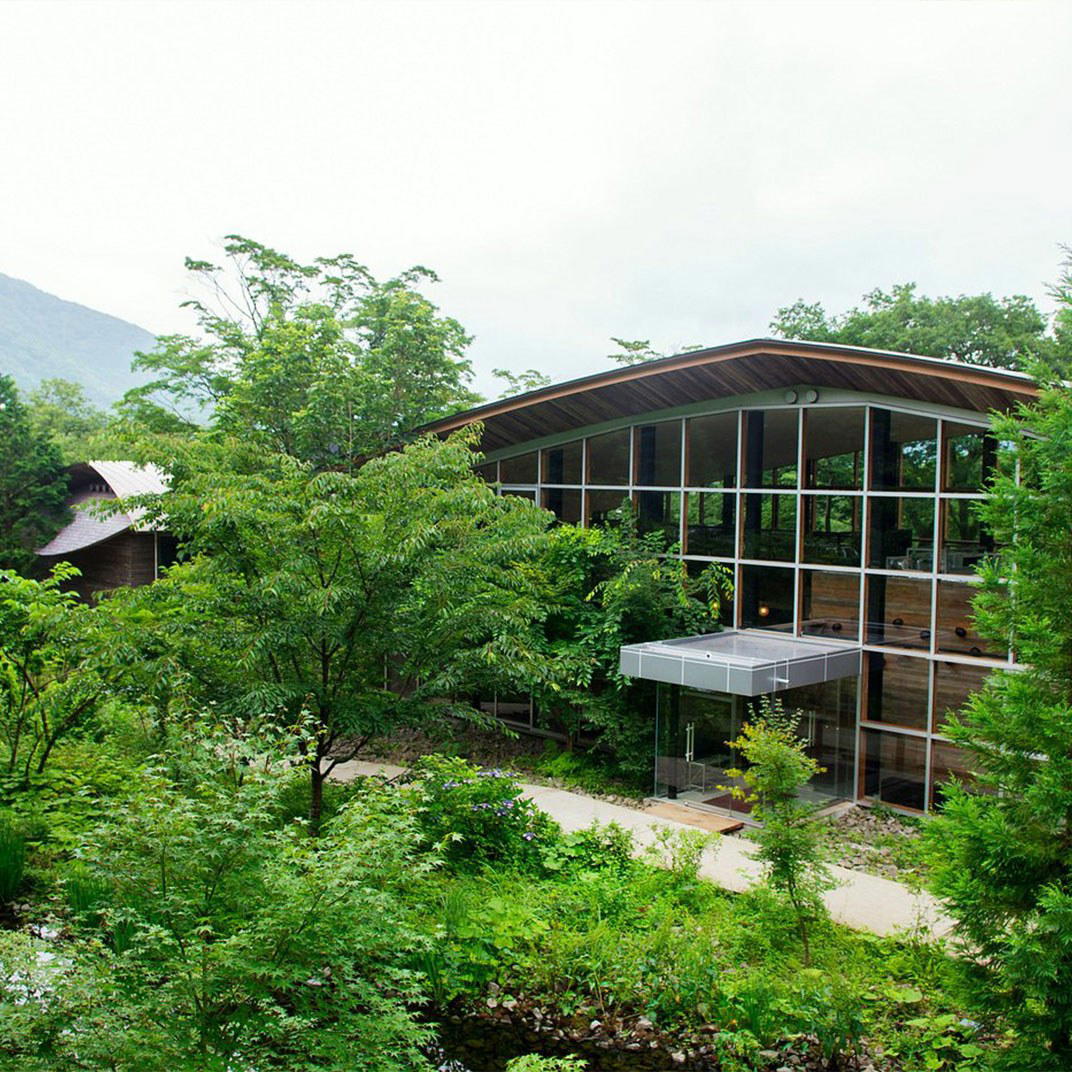
Approaching a ryokan of Hakone Ginyu's standing, the sequence is deliberate: forested slopes, the faint mineral trace of volcanic air, and then a structure that seems to have arrived at its position by necessity rather than design choice. This is the specific grammar of high-end onsen ryokan in Hakone, where the natural environment is not backdrop but active ingredient. The region sits within Fuji-Hakone-Izu National Park, and the properties that occupy its upper tier treat that geography as a sourcing imperative, not merely a view.
Hakone has long functioned as Tokyo's pressure valve, close enough for a weekend escape but sufficiently removed, at roughly 90 minutes by Romancecar from Shinjuku, to reset the visitor's sense of scale. The premium ryokan category here operates differently from urban kaiseki or destination omakase counters. The meal is inseparable from the stay: the hot spring water, the cedar-panelled architecture, and the food form a single considered offer. Understanding Hakone Ginyu means understanding that category first.
The Sourcing Logic Behind Kaiseki in Volcanic Country
Kaiseki cuisine, in its most demanding form, is an argument about place made through food. The tradition demands seasonal precision: what is harvested now, from where, and how it is prepared to express rather than mask its origin. In Hakone, that sourcing argument has specific regional weight. The Kanagawa and Shizuoka prefectures that bracket the area supply distinctive produce: wasabi from the Izu Peninsula's clear rivers, locally caught river fish, mountain vegetables from the surrounding highlands, and seafood from Sagami Bay, which sits within practical reach of ryokan kitchens.
The volcanic geology matters at table. Hakone's hot springs produce water with particular mineral characteristics, and the region's soil profile shapes the flavour of its root vegetables and greens in ways that a skilled kaiseki kitchen will reflect in its seasonal menu. This is not the soft sourcing language of contemporary farm-to-table branding. Classical kaiseki has operated this way for centuries, treating the immediate environment as the menu's first author. Properties in Hakone's premium tier, including Hakone Ginyu, sit inside that tradition. For a sense of how ingredient sourcing shapes kaiseki at the highest level elsewhere in Japan, Gion Sasaki in Kyoto demonstrates the same rigour applied to a different regional larder.
Hakone's luxury ryokan tier is genuinely competitive. Properties here price against a small cohort that includes names with decades of accumulated reputation. Within that set, differentiation tends to cluster around three variables: the quality of the onsen source, the architectural approach, and the sophistication of the food program. The food program matters more than casual visitors expect: a stay at a high-grade ryokan typically includes dinner and breakfast, meaning the kitchen is not a peripheral amenity but a core part of the proposition.
At the level where Hakone Ginyu operates, the comparison set is not the broader Hakone accommodation market. It is a smaller group of properties where the kaiseki offer is taken as seriously as the bathing facilities. For context on what serious Japanese culinary programs look like at comparable price points, Harutaka in Tokyo and HAJIME in Osaka represent urban equivalents in different formats, each with Michelin recognition that signals the standards the wider Japanese fine dining circuit applies. Ryokan kaiseki at Ginyu's level aspires to that same tier of ingredient discipline, delivered through a format that is fundamentally residential rather than purely culinary.
For travellers building a broader Japan itinerary around serious food, akordu in Nara and Goh in Fukuoka offer contrasting regional approaches to the same sourcing-led philosophy, each expressing a different prefecture's larder. Our full Hakone restaurants guide covers the broader local dining context for those spending extended time in the region.
The Ritual Structure of the Ryokan Meal
Kaiseki at a ryokan follows a choreography that differs from restaurant kaiseki in one critical respect: the timing is yours, within reason. Dinner is typically served in the room or a private dining space, and the courses arrive at a pace calibrated to the guest rather than to a full restaurant's turn. This format privileges the ingredient over the performance, which is the correct hierarchy for cuisine of this seriousness.
A kaiseki progression in this region will typically move through cold seasonal appetisers, a clear soup testing the kitchen's dashi precision, raw preparations of local seafood, a simmered course showcasing root vegetables or fish from regional waters, a grilled element, and a closing rice course. Each transition is an opportunity for the kitchen to argue, through sourcing and technique, why Hakone's particular geography produces something worth this degree of attention. Contrast this format with the counter-service intensity of Tokyo's leading omakase rooms or the precision tasting menus at places like Le Bernardin in New York City or Atomix in New York City, and the ryokan model reads as the most immersive available: the meal, the bath, and the sleep are a single composed experience.
Planning a Stay
Hakone Ginyu sits within the national park boundaries, which means access is by private vehicle or the Hakone Tozan bus and ropeway network rather than direct taxi from Odawara Station. The Romancecar limited express from Shinjuku reaches Hakone-Yumoto in approximately 85 minutes; from there, local connections carry guests deeper into the hills. Bookings at this level of ryokan are typically direct or through high-end travel concierge services, and availability compresses sharply during autumn foliage season (mid-October through mid-November) and the spring sakura window. Those seasons reward advance planning by several months. The dinner-and-breakfast inclusion model means that planning around meal timing matters more than at a standard hotel.
Additional high-standard dining in Japan's regions worth comparing: 湖畔荘 in Takashima, 庄羽屋 in Nishikawa Machi, 古仁屋山乃 in Sapporo, and 三本木 名川割烹 in Nanao each represent the regional ryokan and kaiseki tier in their respective areas. For broader regional contrasts, Denko Sekka in Hiroshima, bodai, Cafe Naoshima Konichiwa in Naoshima, Birdland in Sakai, Bistro Ange in Toyohashi, and Blue Ocean Steak in Nakagami District round out a picture of Japan's diverse regional dining registers.
Frequently asked questions
Is Hakone Ginyu good for families?
Hakone Ginyu is oriented toward the ryokan tradition, which means multi-course kaiseki dining, communal onsen bathing protocols, and a pace built around quiet. Families with young children who are unfamiliar with onsen etiquette or kaiseki service may find the format demanding. For older children comfortable with formal Japanese dining and bathing culture, the immersive setting within Hakone's national park boundaries makes a strong case.
What is the atmosphere like at Hakone Ginyu?
The property sits inside Hakone's national park, so the surrounding environment does significant atmospheric work: forested slopes, volcanic air, and minimal urban noise. Inside, the rhythm is that of a traditional ryokan, unhurried, structured around the cadence of the kaiseki meal and onsen rotation. It reads as contemplative rather than convivial, closer in register to a retreat than a hotel.
What is the best time of year to stay at a kaiseki ryokan in Hakone?
Kaiseki cuisine is seasonal by design, meaning the menu argument shifts with each quarter. Spring brings mountain vegetables and river fish as the Hakone terrain thaws; autumn frames the meal against foliage and root-season produce. Both windows are also the property's most competitive for bookings, so travellers who want seasonal kaiseki at its most expressive should plan reservations two to three months ahead, particularly for weekends inside the national park.
What should I order at Hakone Ginyu?
Kaiseki at a ryokan is not à la carte, the kitchen sets the sequence, and guests follow it. The meal tracks the season and what the region can supply, which in volcanic Hakone means mountain vegetables, river fish, and produce from the Kanagawa agricultural belt. Communicating dietary preferences at the time of booking rather than at the table gives the kitchen the best chance of accommodating them within the kaiseki structure.
How hard is it to get a table at Hakone Ginyu?
At a ryokan, the meal is part of the room booking rather than a separate reservation, so availability is tied to room inventory, not covers. Hakone's luxury tier books heavily during cherry blossom season (late March to early April) and autumn foliage (November), and properties like Ginyu fill well in advance during those windows. Midweek stays outside peak season offer the clearest path to availability.
What makes Hakone Ginyu worth seeking out?
The case for Hakone Ginyu rests on its position within a genuinely competitive luxury ryokan tier in a national park setting. Few properties in the Hakone area combine kaiseki dining with direct access to volcanic onsen and the visual context of the park's forested terrain in this configuration. The ryokan format itself, where meals, bathing, and accommodation are integrated rather than optional, is the distinguishing structural fact.
Is Hakone Ginyu allergy-friendly?
Kaiseki is a tightly constructed cuisine where substitution can alter the logic of a course sequence, so communicating allergies or intolerances at the time of booking is the standard protocol at ryokan of this level. Common allergen concerns, shellfish, soy, gluten, are worth specifying clearly, ideally in writing. Properties within Hakone's luxury tier generally have staff with enough language ability or translation resources to handle this, though confirming in advance is advisable.
At-a-Glance Comparison
| Venue | Cuisine | Price | Awards | Notes |
|---|---|---|---|---|
| Hakone GinyuThis venue (the venue you are viewing) | Seasonal Kaiseki Ryokan | $500+ | Not listed | Not listed |
| HAJIME | Avant-Garde Japanese Fine Dining | $300–500 | 3 Michelin Stars · World's 50 Best #83 | French, Innovative |
| Harutaka | Edo-Style Omakase Sushi | $200–300 | 3 Michelin Stars · World's 50 Best #76 | Sushi |
| L'Effervescence | Modern French with Japanese Influences | $200–300 | 3 Michelin Stars · World's 50 Best #69 | French |
| RyuGin | Modern Kaiseki | $500+ | 3 Michelin Stars · World's 50 Best #41 | Kaiseki, Japanese |
| Crony | Modern French with Japanese Influences | $150–200 | 2 Michelin Stars · World's 50 Best #34 | Innovative, French |
Continue exploring
More in Hakone
Restaurants in Hakone
All restaurants in Hakone →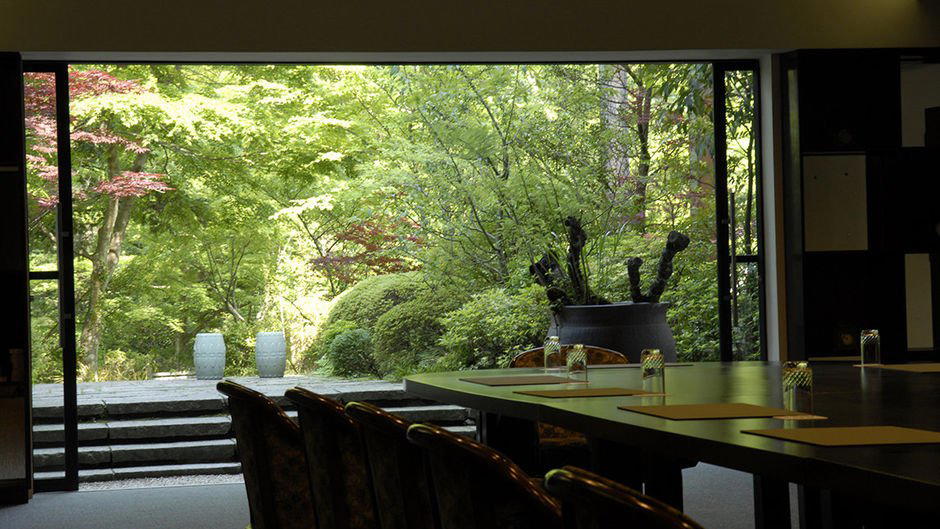
Bars in Hakone
Browse all →
Hotels in Hakone
All hotels in Hakone →
Wineries in Hakone
Browse all →
Details
- Romantic
- Quiet
- Elegant
- Scenic
- Intimate
- Sophisticated
- Date Night
- Special Occasion
- Celebration
- Private Dining
- Garden
- Panoramic View
- Terrace
- Sake Program
- Craft Cocktails
- Local Sourcing
- Mountain
- Garden
- Waterfront
- Set Menu
- Tasting Menu
- Sake
- Shochu
- Whiskey
- Wine
- Vegetarian Friendly
- Vegan Options
- Allergy Accommodating
Serene and tranquil with traditional Japanese aesthetics, soft lighting in intimate dining spaces, and panoramic mountain and river views that create a meditative atmosphere.