In the dense restaurant block of Gion's Minami-gawa, Master of Beef Miyoshi (にくの匠 三芳) is a specialist beef restaurant at 東山区祇園町南側570-15 in Kyoto. The address places it among some of the city's most serious dining, from kaiseki counters to single-ingredient specialists. For visitors tracking Kyoto's less-publicised meat-focused dining tier, Miyoshi merits attention alongside the district's more celebrated names.
Pearl is the En Primeur Club membership app — saves, bookings, and concierge access live there. Same editors, same standards.
- Address
- 東山区祇園町南側570-15, 京都市, 京都府, 605-0074
 Saves & bookings on Pearl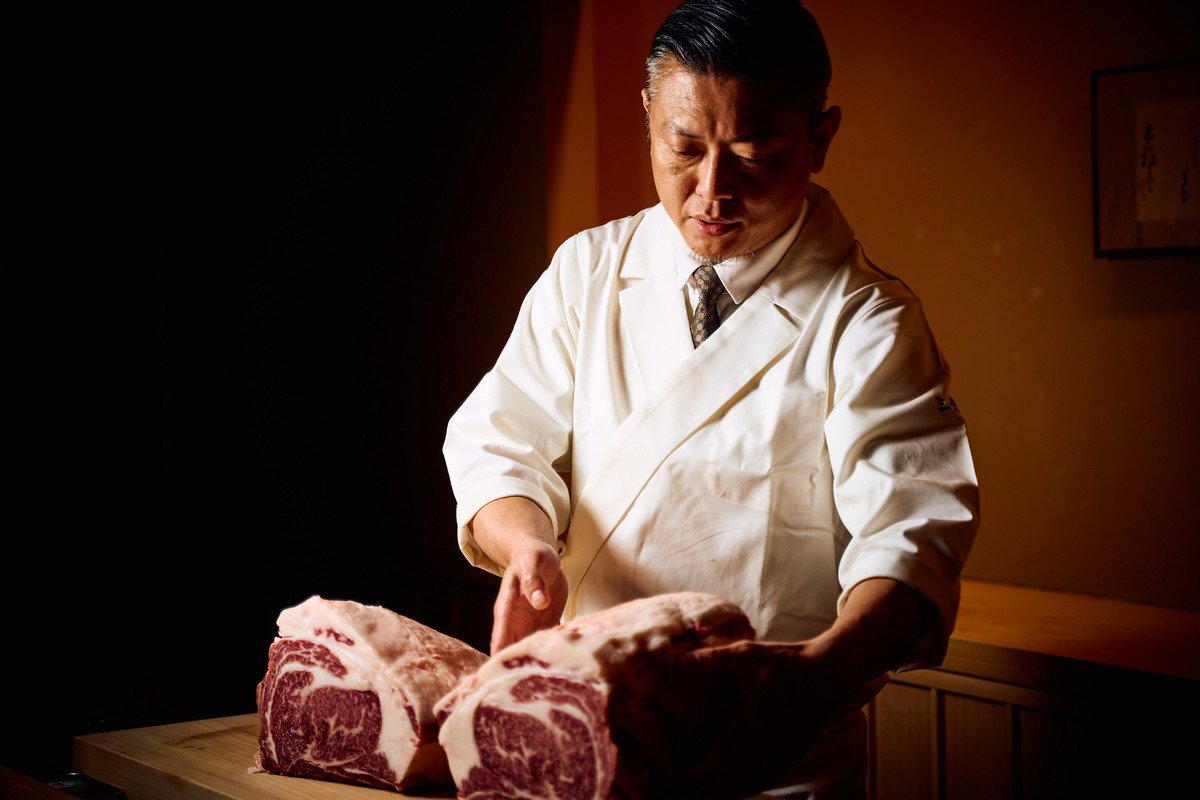
The Address and What It Signals
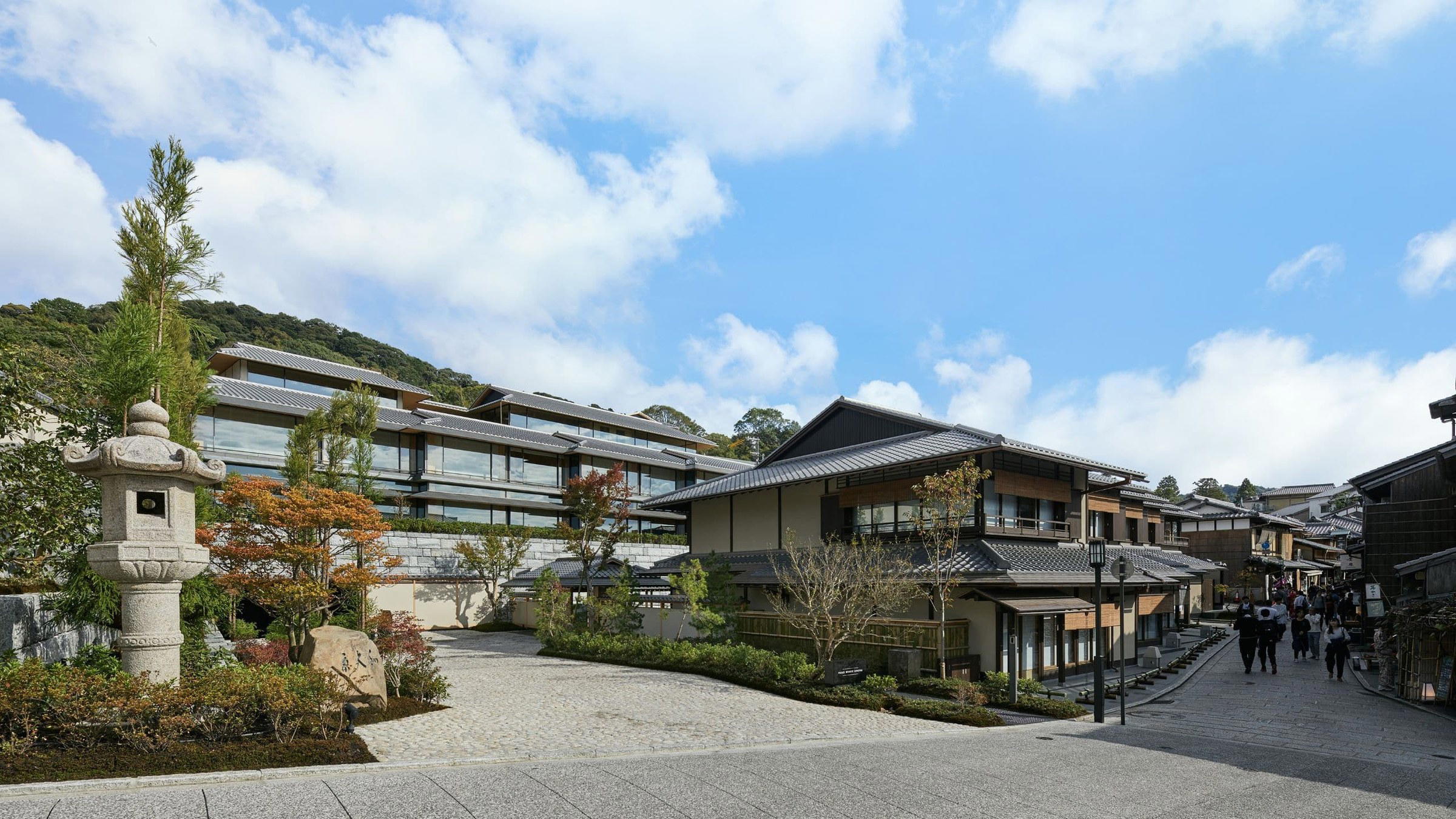
Gion's Minami-gawa strip, along the southern side of 祇園町, operates as one of Kyoto's most concentrated corridors of serious dining. The address at 東山区祇園町南側570-15 places Master of Beef Miyoshi (にくの匠 三芳) in proximity to kaiseki institutions that have anchored Gion's reputation for decades. Restaurants in this block do not survive on foot traffic; the neighbourhood selects for operators who can sustain a committed clientele. A beef specialist choosing to position here signals deliberate alignment with Kyoto's fine dining tier.
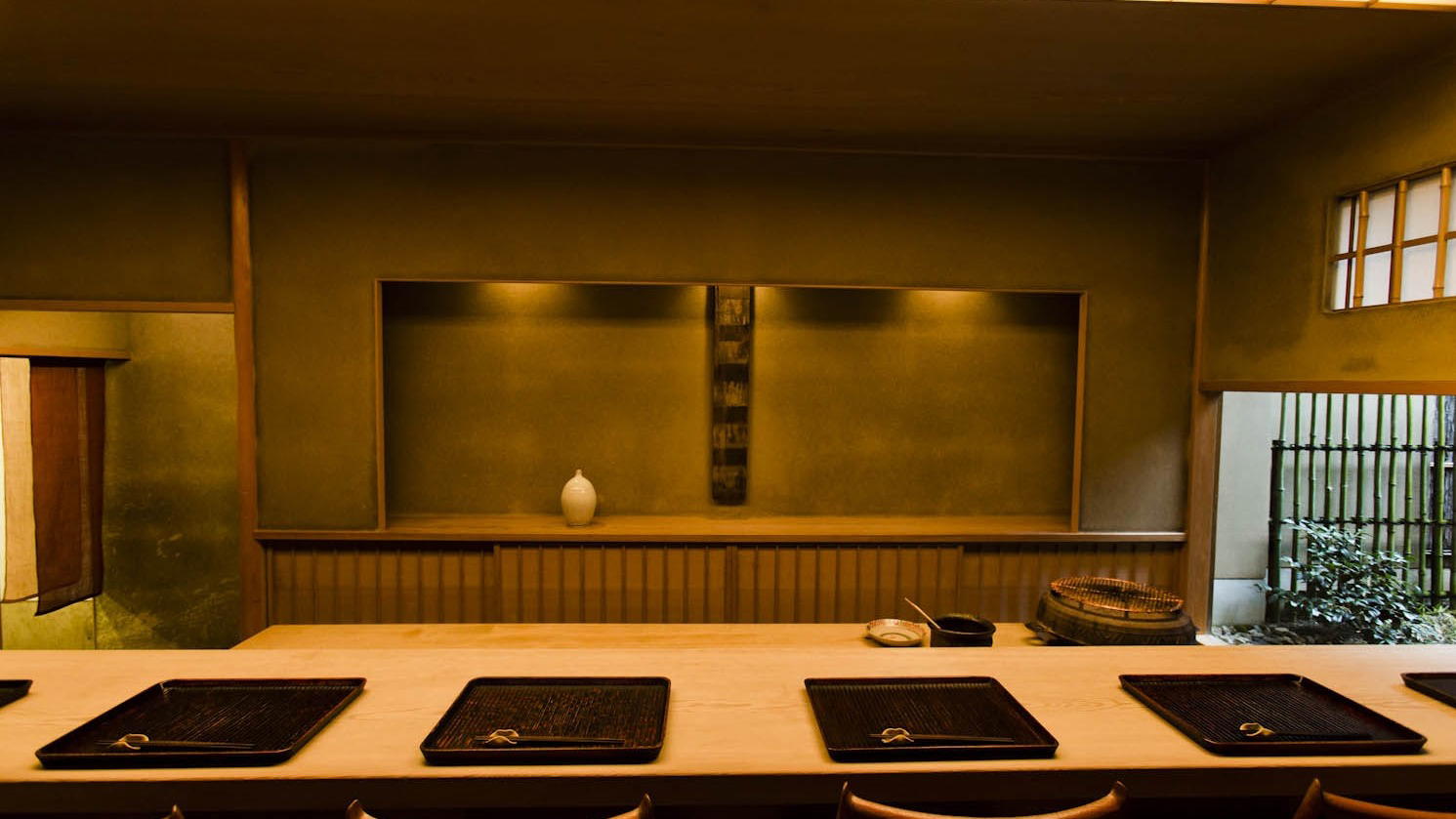
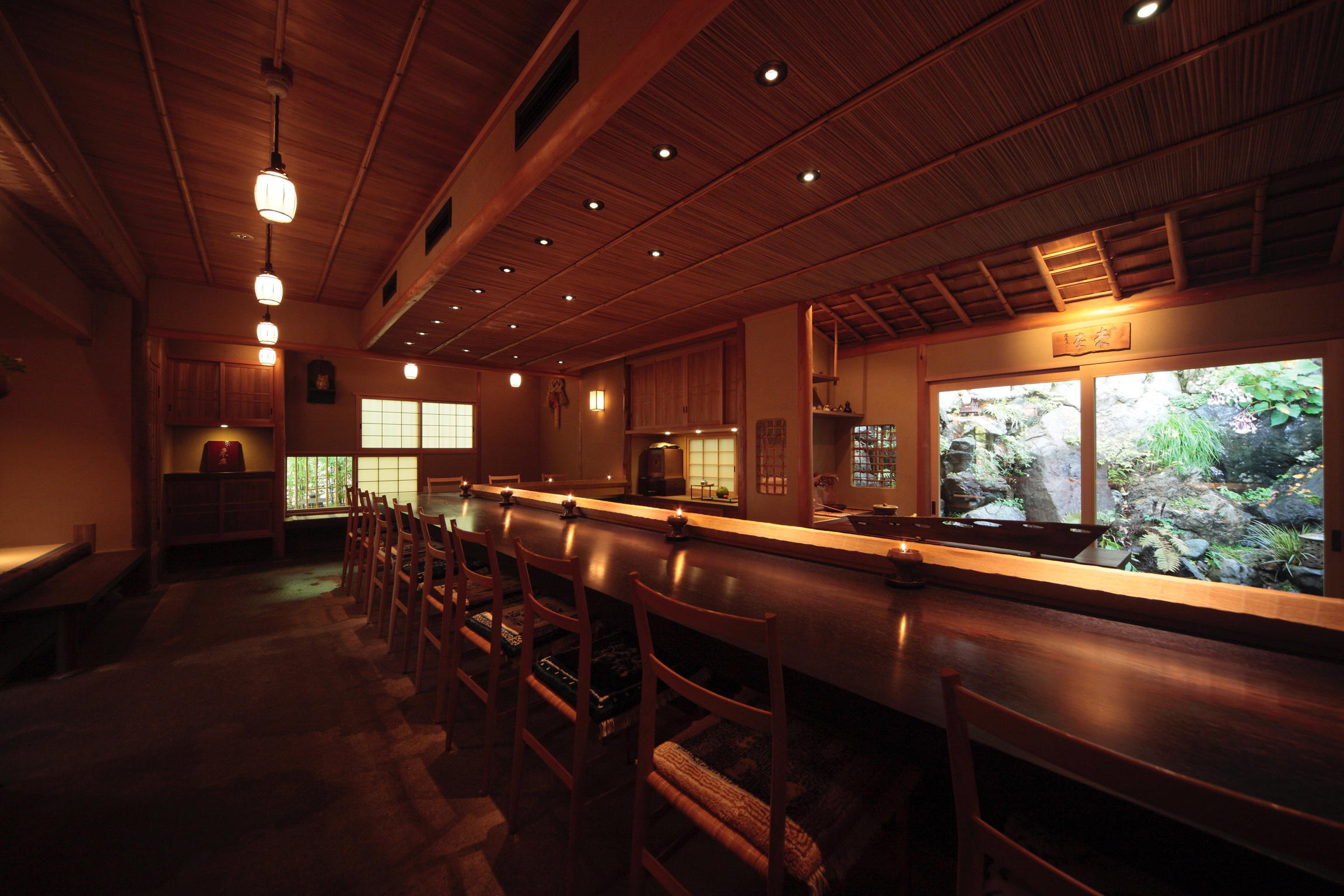
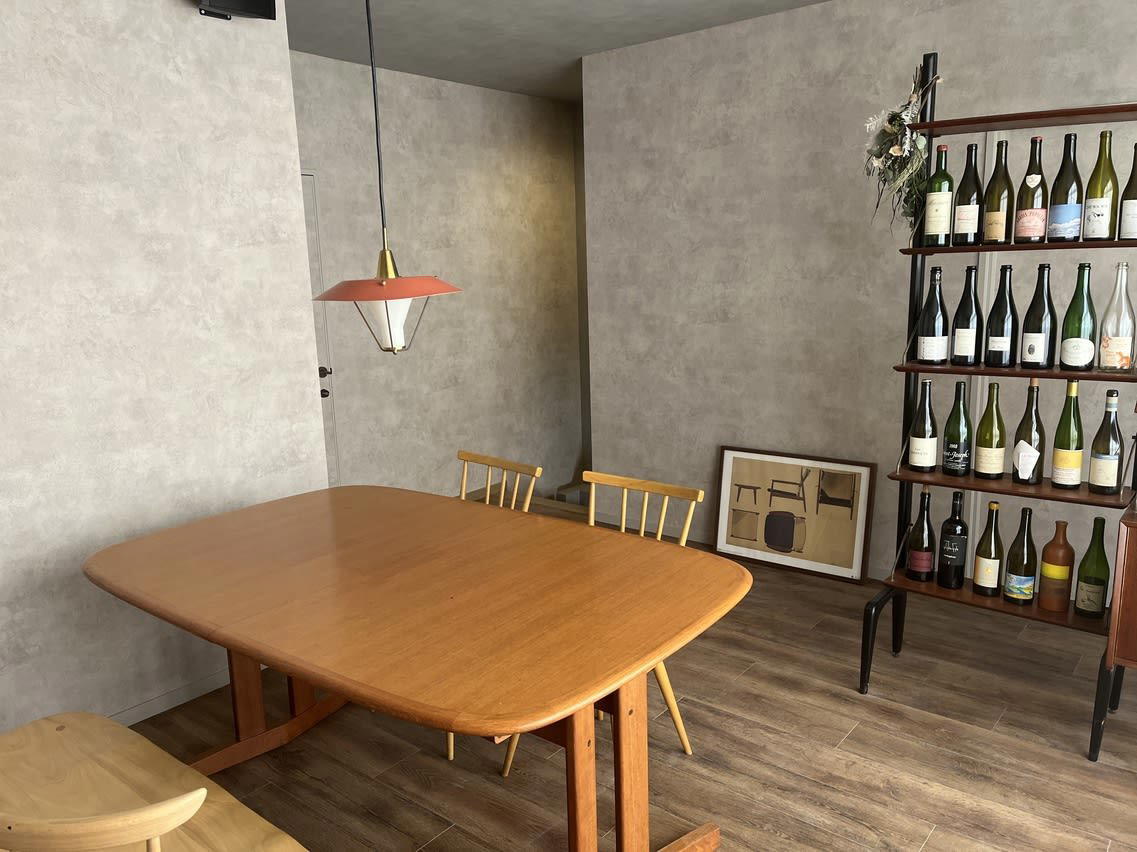
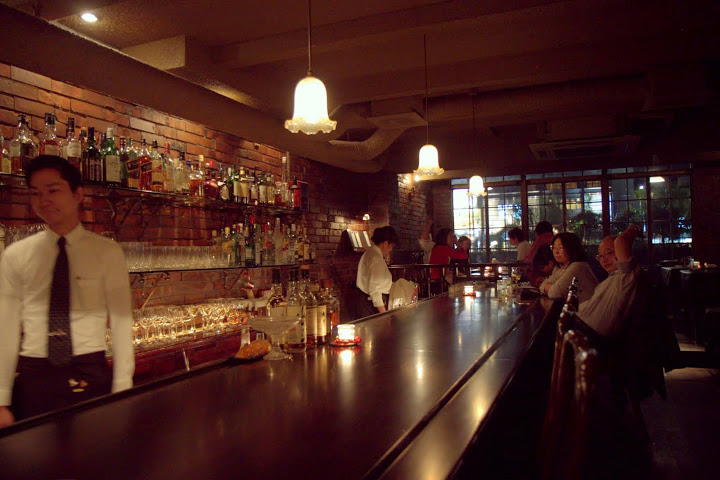
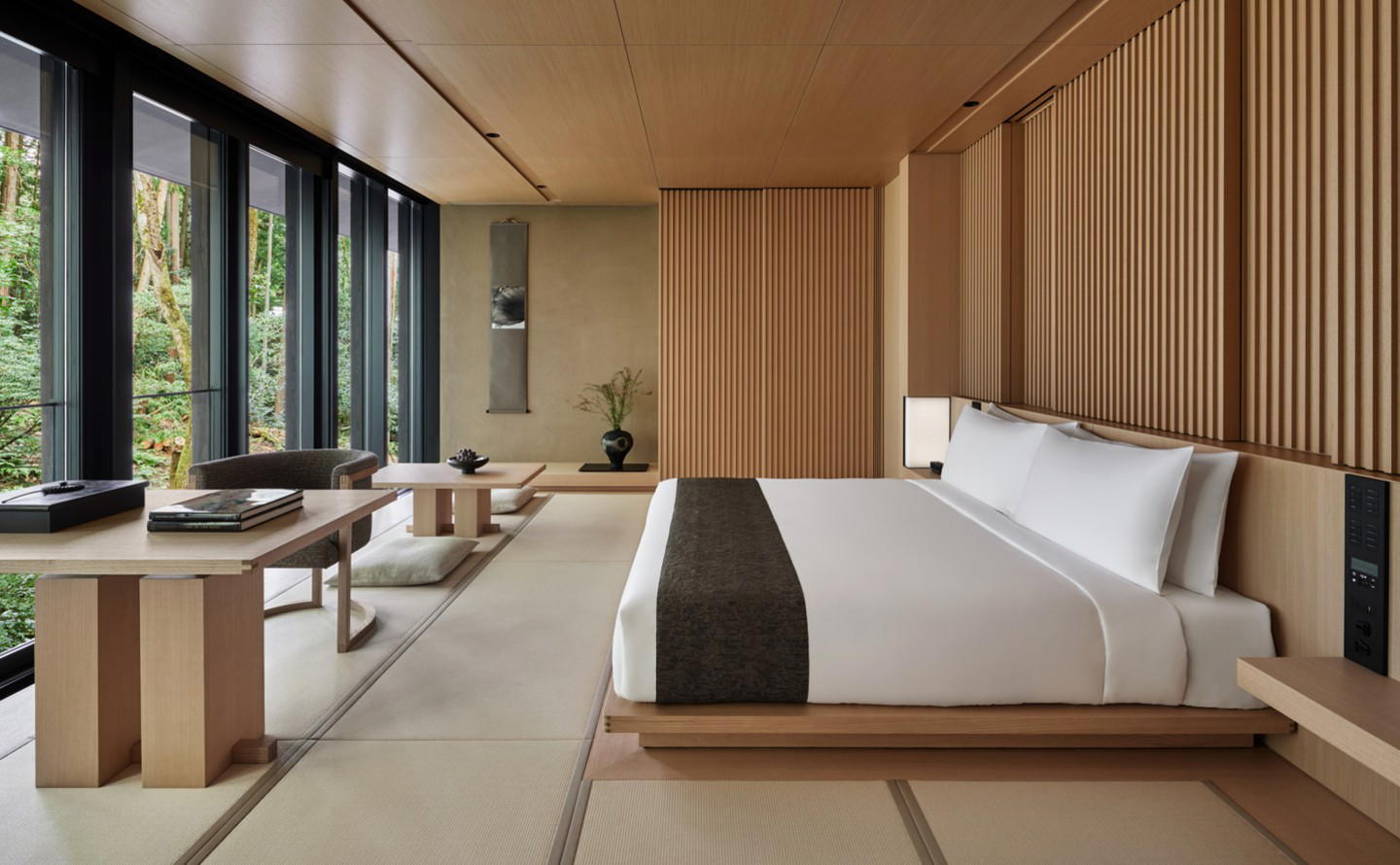
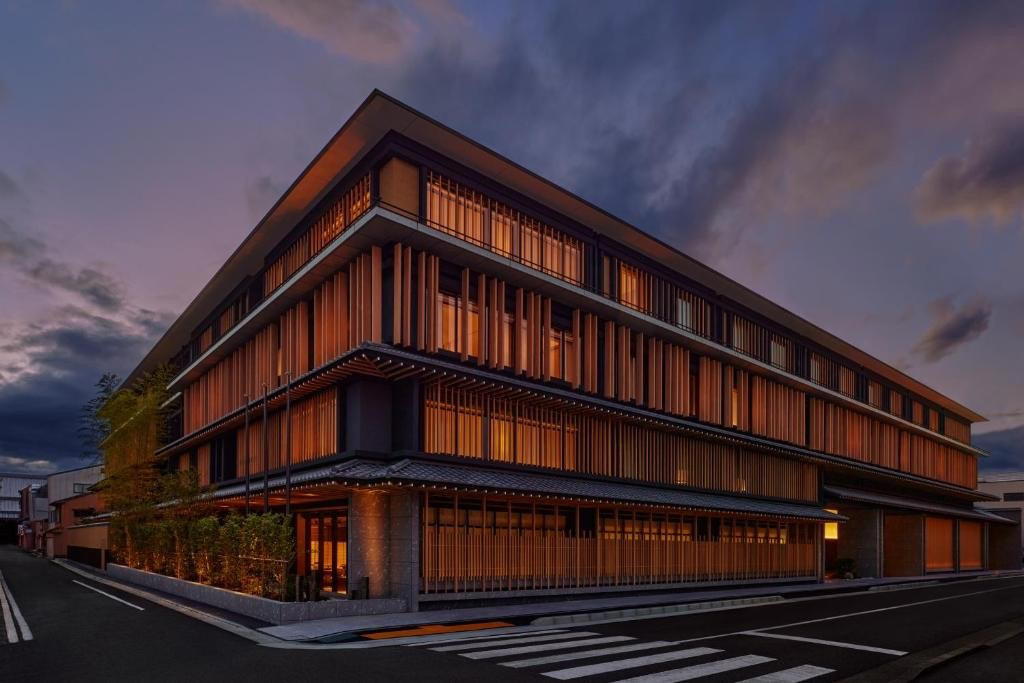
That context matters for understanding the room you are likely walking into. Gion's dining corridor tends toward restraint in its physical environments, compact interiors, materials drawn from the urban fabric of machiya architecture, and a quietness that sets the table before food arrives. A beef specialist in this neighbourhood inherits those atmospheric cues whether or not it makes them explicit, and visitors approaching from the street tend to find that the street itself does preparatory work on expectations.
How the Menu Architecture Speaks
In Japan, single-ingredient specialist restaurants communicate their proposition through menu structure as much as through the dishes themselves. The name にくの匠 三芳 (Master of Beef Miyoshi) is not incidental branding. It frames the restaurant as a craft operation, one where the depth of the beef offering, rather than breadth across categories, is the organising principle.
Japanese beef specialists typically structure their menus in one of two modes: a fixed omakase or kaiseki-adjacent progression built around premium cuts in prescribed sequence, or a more selective à la carte format where guests compose from a curated list. Both models share an underlying logic, that the kitchen's relationship to the sourcing and preparation of beef is the subject of the meal, not merely its ingredient list. In Kyoto, where kaiseki grammar permeates even non-kaiseki kitchens, beef specialists often absorb that influence: pacing, portion discipline, and the calibration of richness across a sitting tend to follow seasonal and structural logic rather than the volume-driven approach common in urban yakiniku or teppanyaki chains.
What this means in practice is that a meal at a Gion-area beef specialist is more likely to function as a deliberate arc than as an occasion for maximum quantity. The menu's architecture is built to manage accumulation, fat, intensity, and texture across the duration of a sitting. That discipline is what separates the specialist tier from generalist steak restaurants, and it is what the name and address of Miyoshi together imply.
Kyoto's Beef Dining Context
Kyoto's dining identity is most visibly shaped by kaiseki, the sequential, seasonal, vegetable-and-fish-inflected tradition represented at its apex by venues like Kikunoi Honten, Hyotei, Gion Sasaki, and Mizai. But meat-focused dining in Kyoto has its own distinct tier, less internationally visible than kaiseki but no less precise in its orientation. The city's proximity to Kobe and its position within the broader Kansai region means access to premium Japanese beef, Tajima-gyu lineage, A4 and A5 grades, that rivals Tokyo sources without the added logistics of long-distance supply chains.
Beef specialists in this tier function quite differently from the grand kaiseki houses that have drawn international attention. They are less likely to appear in the same award cycles that surface Isshisoden Nakamura or the broader Kyoto kaiseki canon. Their clientele is more locally rooted, the marketing quieter, and the reputation more word-of-mouth in character. Across Japan's Kansai dining region, comparable specialist operations, from Osaka's HAJIME's precision to the focused craft operations in secondary cities like Nara and Fukuoka, show how single-subject expertise functions as a positioning strategy outside the traditional award circuits.
What that means for a visitor is a different kind of entry point into Kyoto's food culture than the kaiseki route provides. The beef specialist tier asks less ceremony of its guests and delivers its argument more directly through what arrives on the plate.
Getting There and Planning Your Visit
The address at 東山区祇園町南側570-15 is within walking distance of Gion-Shijō and Kawaramachi. The Minami-gawa block sits within a few minutes' walk of either access point. Contact the restaurant directly or use a hotel concierge with Gion-area relationships. Reservations are essential.
Visitors building a multi-day Kyoto itinerary should note that the Gion corridor offers considerable range alongside Miyoshi. The kaiseki tier, from Kikunoi Honten to the more intimate formats, provides a counterpoint to the beef specialist format. For those extending into other regions of Japan, the broader dining map includes operations as varied as Harutaka in Tokyo and Birdland in Sakai, each anchored to a distinct protein tradition.
Cuisine Lens
Comparable venues nearby, for context on price, style, and recognition.
| Venue | Cuisine | Price | Notes |
|---|---|---|---|
| Master of beef Miyoshi (にくの匠 三芳)This venue — the venue you are viewing | Premium Beef Kaiseki | $$$$ | Not listed |
| 浜作 | Traditional Kaiseki | $$$$ | Nakagyō |
| Tagawa | Modern Kaiseki with Charcoal Grilling | $$$$ | Nakagyō |
| Kichisen | Kyoto Kaiseki | $$$$ | Sakyō |
| 祇園 さゝ木 | 京割烹 | $$$$ | 祇園四条 |
| Tominokoji Yamagishi (富小路やま岸) | Kyoto Cha-Kaiseki | $$$$ | Nakagyo-ku |
At a Glance
- Elegant
- Intimate
- Sophisticated
- Quiet
- Special Occasion
- Date Night
- Business Dinner
- Celebration
- Chefs Counter
- Open Kitchen
- Private Dining
- Historic Building
- Sake Program
- Sommelier Led
- Local Sourcing
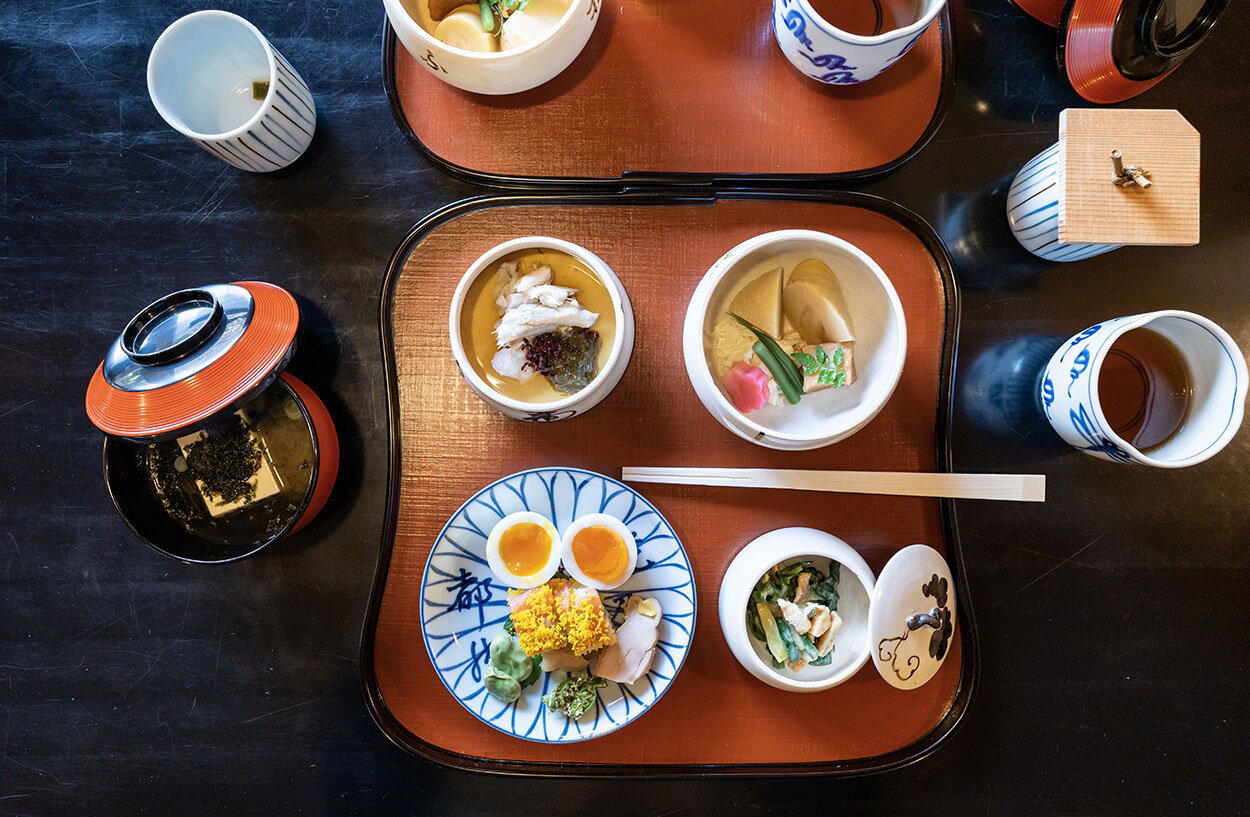
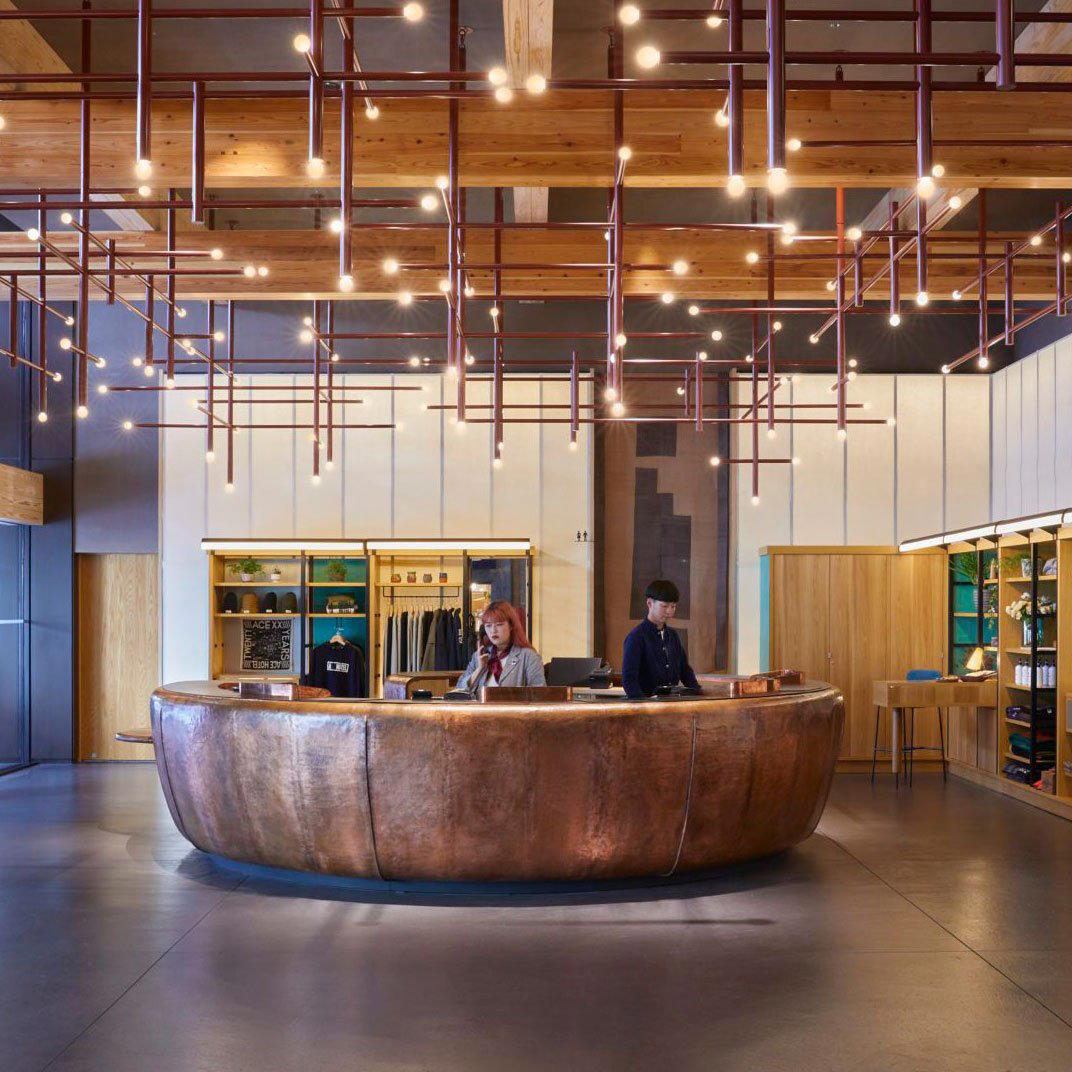
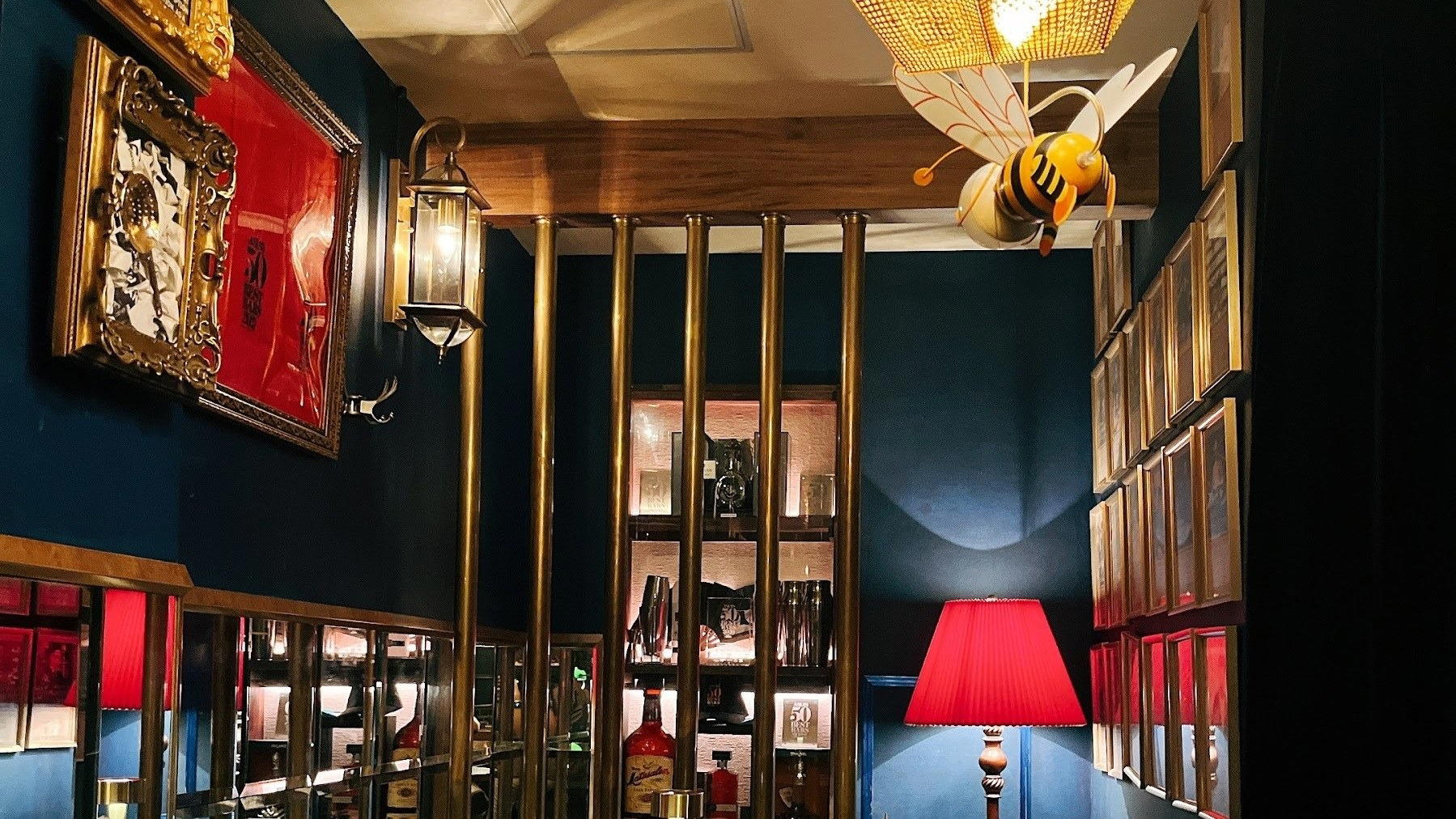
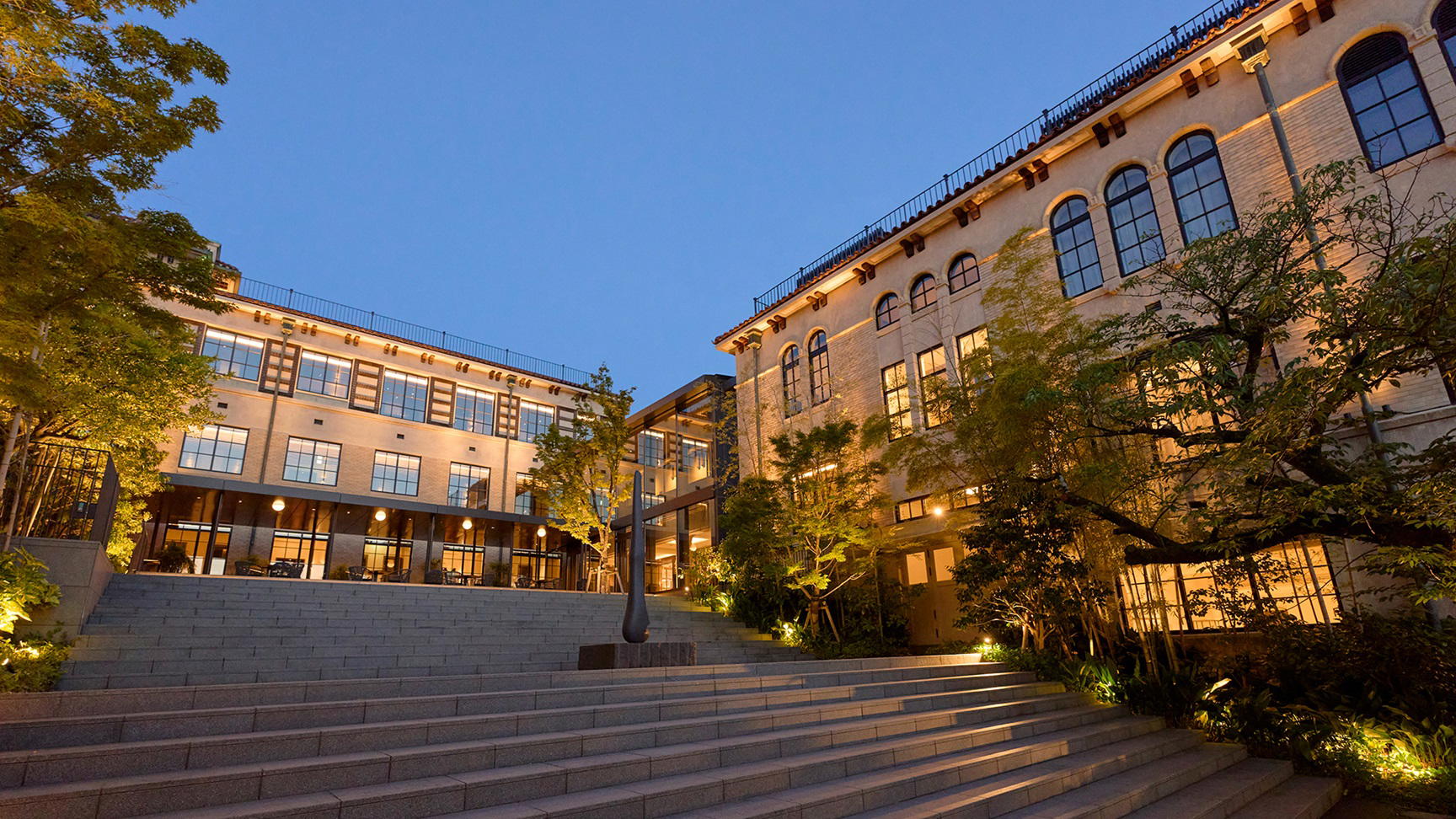
Serene, modern Japanese setting in a charming Gion location near Hanamikoji cobblestone streets, creating a calm and intimate atmosphere for slow, healing dining experiences.