Fourth Floor, Sonezakishinchi: Where the Counter Does the Talking Sonezakishinchi sits at the northwestern edge of Osaka's Umeda district, a neighbourhood whose ground-floor bars and narrow-alley izakayas tend to absorb most of the foot traffic....
 Discover on Pearl
Pearl is the En Primeur Club membership app — saves, bookings, and concierge access live there. Same editors, same standards.
- Address
- Japan, 〒530-0002 Osaka, Kita Ward, Sonezakishinchi, 1 Chome−5−26 永楽リンデンビル 4F
- Phone
- +81663467227
- Website
- s.tabelog.com
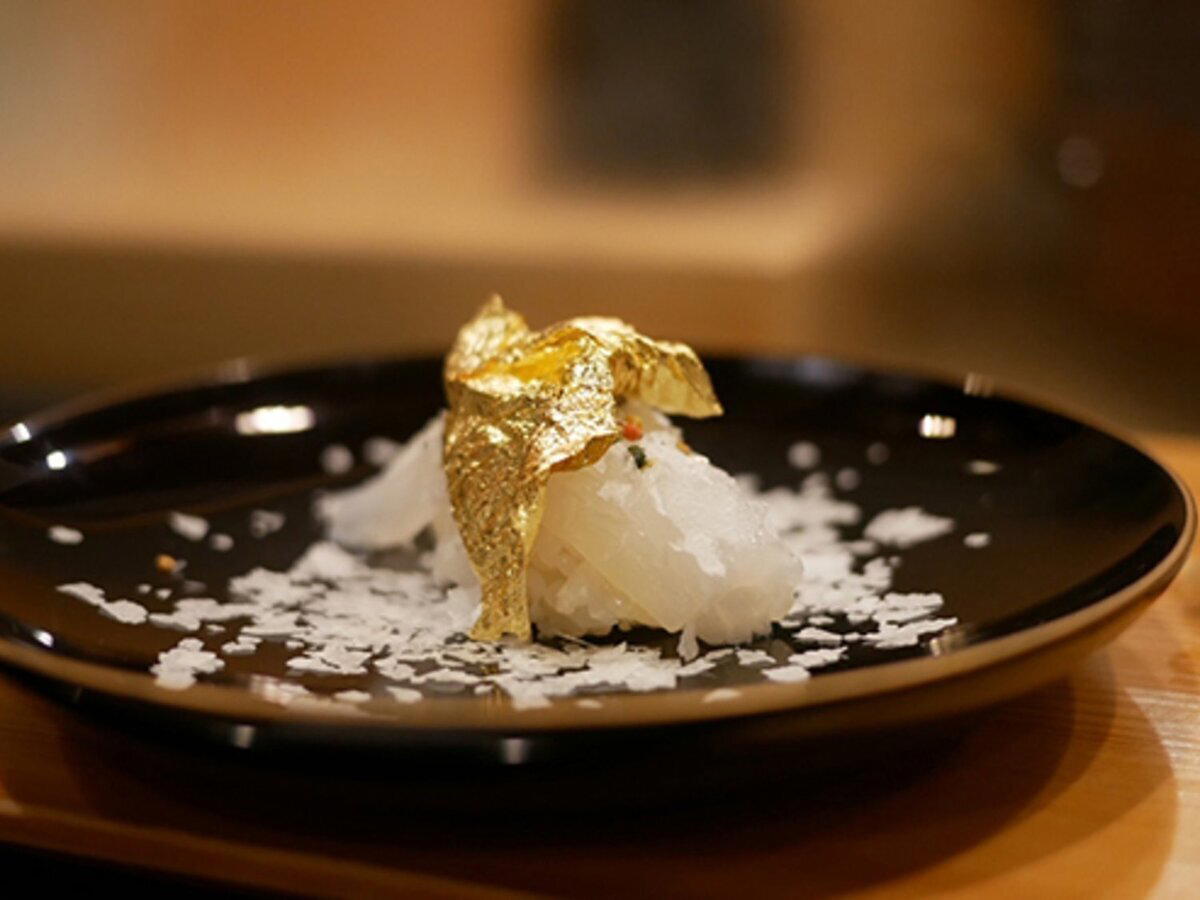
Fourth Floor, Sonezakishinchi: Where the Counter Does the Talking
Sonezakishinchi sits at the northwestern edge of Osaka's Umeda district, a neighbourhood whose ground-floor bars and narrow-alley izakayas tend to absorb most of the foot traffic. The serious eating, however, frequently happens above street level. Sushidokoro Tada is a Traditional Omakase Sushi restaurant in Osaka's Kita Ward, on the fourth floor of the Eiraku London Building at 1-5-26 Sonezakishinchi. The city has long maintained a tier of sushidokoro (specialist sushi houses) that function almost invisibly from the street.
That model, discreet building, upper floor, counter seating, has become something of a signature format for serious Kansai sushi. It separates the room from the ambient noise of the neighbourhood below and concentrates attention on the counter itself, where proximity to the itamae and the rhythm of service do more to shape the experience than any decorative gesture. In Osaka, where restaurants like Ajihei Sonezaki and Ajikitcho Bunbuan have built reputations through similar restraint in their physical presentation, the format signals intent before a single piece of nigiri is placed.
The Architecture of a Sushi Counter
The counter format in specialist Japanese sushi is not incidental, it is load-bearing. Everything about the experience, from the angle at which fish is presented to the timing of conversation, is organised around the linear slab of wood that separates guest from chef. In the Kansai sushi tradition, counters tend to run shorter than their Tokyo equivalents, which keeps the ratio of guests to chef tight and preserves a transactional intimacy that longer counters dilute. The fourth-floor placement at Sushidokoro Tada reinforces this by stripping away the distraction of street-level Osaka, the pachinko noise, the crowds pushing toward Umeda station, and delivering something closer to a sealed environment.
This spatial logic connects to a broader pattern across the Kansai region. From Gion Sasaki in Kyoto to upper-floor kaiseki rooms in Nara (see akordu in Nara for a Western-inflected version of similar seclusion), premium dining in this part of Japan tends to retreat vertically or laterally from the street. Sushidokoro Tada sits squarely in that tradition.
Osaka's Sushi Identity and Where Tada Sits in It
Osaka is not primarily a sushi city in the way that Tokyo is. Its culinary identity runs through takoyaki, okonomiyaki, and the broader kuidaore (eat until you drop) culture of Dotonbori and Shinsaibashi. But that surface identity obscures a substantial and serious counter-sushi tier that has operated in Kita Ward and the surrounding neighbourhoods for decades, largely outside the international food press that concentrates on Tokyo counters like Harutaka in Tokyo.
Within Osaka, the Sonezakishinchi address places Sushidokoro Tada in proximity to a concentration of high-end hospitality that includes the city's more formal French and Japanese dining rooms. Restaurants such as Aka to Shiro, Az, and Calendrier operate in this same Kita Ward dining cluster. The neighbourhood functions as Osaka's premium dining corridor, a different proposition from the tourist-facing density of Namba, and Tada's position within it maps it to a guest profile that is predominantly local, predominantly returning, and largely indifferent to whether the restaurant holds an international award or not. The same dynamic is visible across Japan's regional sushi culture, from Hokkaido counters in Sapporo to Goh in Fukuoka, where local regulars anchor the dining room and outside visitors are welcomed but not courted.
The Sushidokoro Format: What to Expect
The term sushidokoro in Japanese dining carries a specific connotation distinct from kaiten-zushi (conveyor-belt) or casual nigiri counters. It implies a dedicated sushi house, typically counter-only or counter-primary, where nigiri is prepared to order and the sequencing of courses reflects the itamae's judgment rather than a printed menu. The format favours restraint in both decor and explanation: fish is sourced, aged or rested as appropriate, and served at the moment the chef judges it ready. The interaction is the menu.
At higher-end Osaka sushidokoro, the seasonal calendar governs procurement. Kansai fish markets, particularly the Osaka-Osaka Central Wholesale Market, supply a procurement line distinct from Toyosu in Tokyo, with particular strength in Seto Inland Sea species, including certain flatfish, sea bream, and shellfish varieties that appear less consistently in Tokyo counters.
For comparison across Osaka's broader premium dining spectrum, HAJIME in Osaka represents the progressive fine-dining pole, while the counter-sushi format at Tada represents the more classically rooted end. Both exist within a city that has quietly developed a multi-tiered premium dining identity that extends well beyond its street-food reputation. Comparable specialist formats can be found throughout Japan, in Nanao, Takashima, and Nishikawa Machi, and the Kansai versions share a common thread: quieter rooms, tighter counters, and a preference for product over presentation.
Planning Your Visit
Sushidokoro Tada is located at 1-5-26 Sonezakishinchi, Kita Ward, Osaka, on the fourth floor of the Eiraku London Building. The closest major transport hub is Osaka-Umeda Station, which is served by the Hankyu and Hanshin lines, with the building reachable on foot in under ten minutes. Sonezakishinchi is a compact district and navigating it on foot after dark is direct, though building directories in this part of Osaka are typically in Japanese only, having the address in kanji (永楽ロンドンビル 4F) will save time at the entrance.
A Pricing-First Comparison
Comparable venues nearby, for context on price, style, and recognition.
| Venue | Cuisine | Price | Awards | Notes |
|---|---|---|---|---|
| Sushidokoro TadaThis venue — the venue you are viewing | Kita, Traditional Omakase Sushi | $$$$ | , | |
| 寿し芳 | Kita, Modern Edomae Sushi Omakase | $$$$ | , | |
| 弧柳 | Chūō, Modern Kaiseki Omakase | $$$$ | , | |
| Koryu Keishin | Kita, Naniwa Kappo | $$$$ | , | |
| Naniwa kappo Kigawa | $$$$ | , | Chūō, Naniwa Kappo (Osaka-style Kaiseki) | |
| 焼鳥 YAMATO | Kita, Traditional Japanese Kaiseki | $$$ | , |
Continue exploring
More in Osaka Shi
Restaurants in Osaka Shi
Browse all →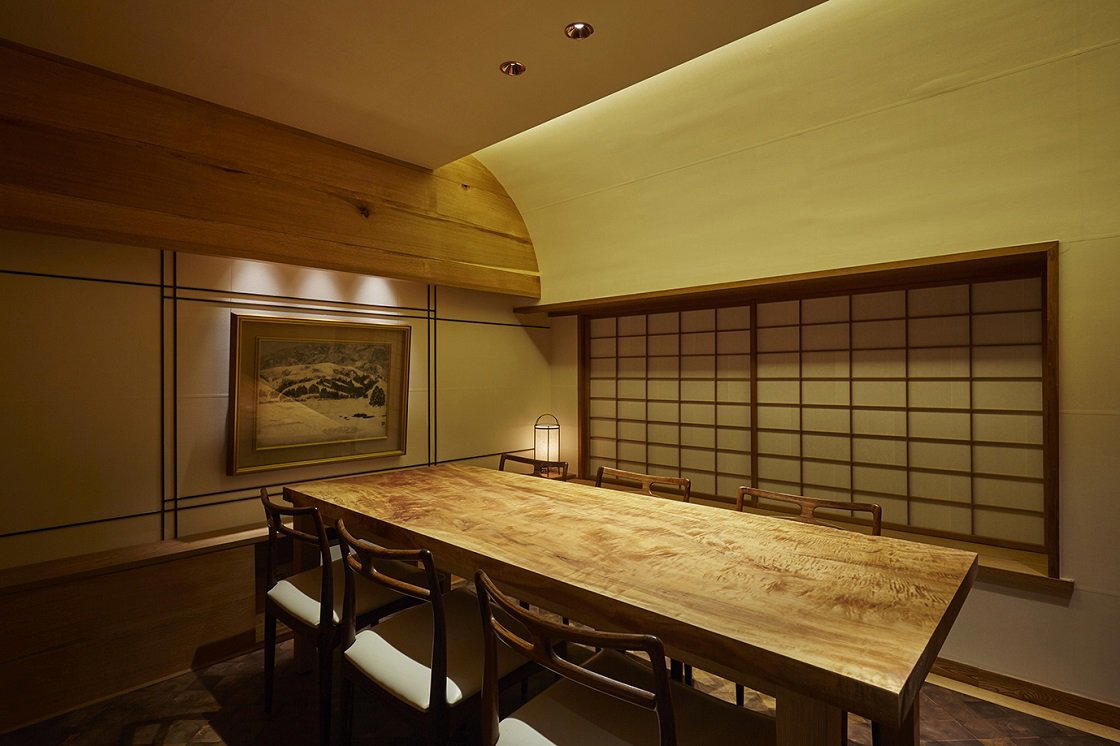



Bars in Osaka Shi
Browse all →

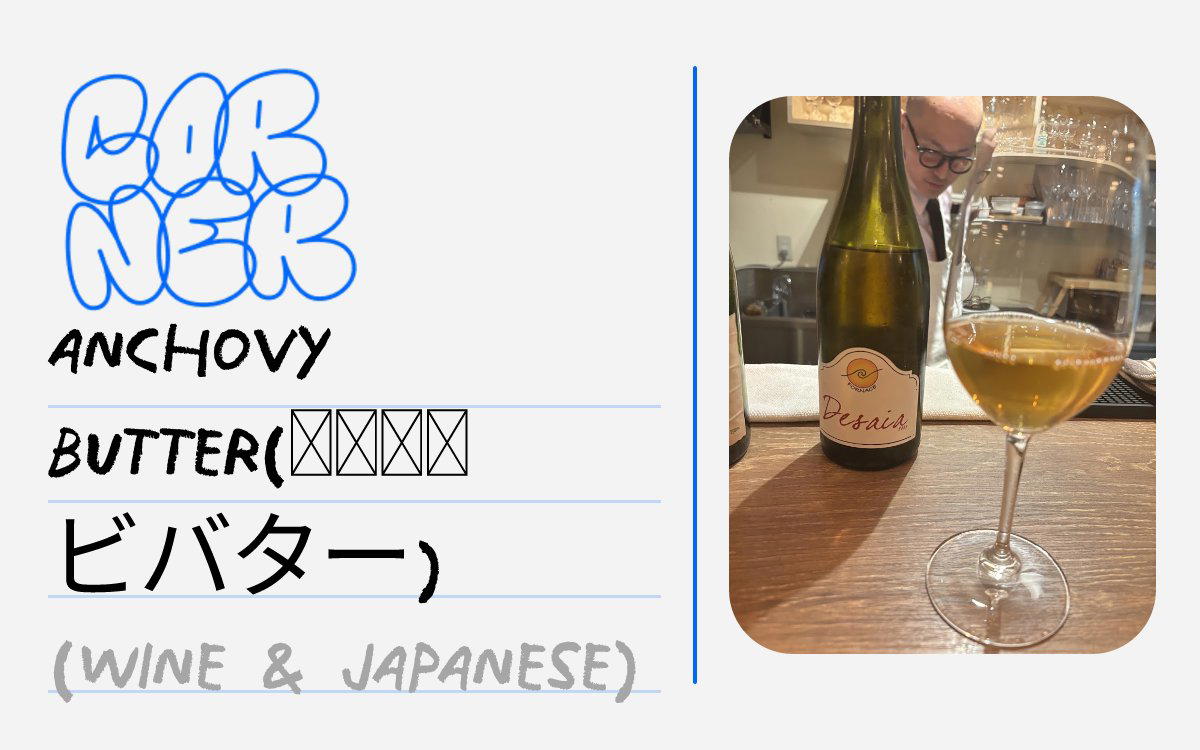

Hotels in Osaka Shi
Browse all →
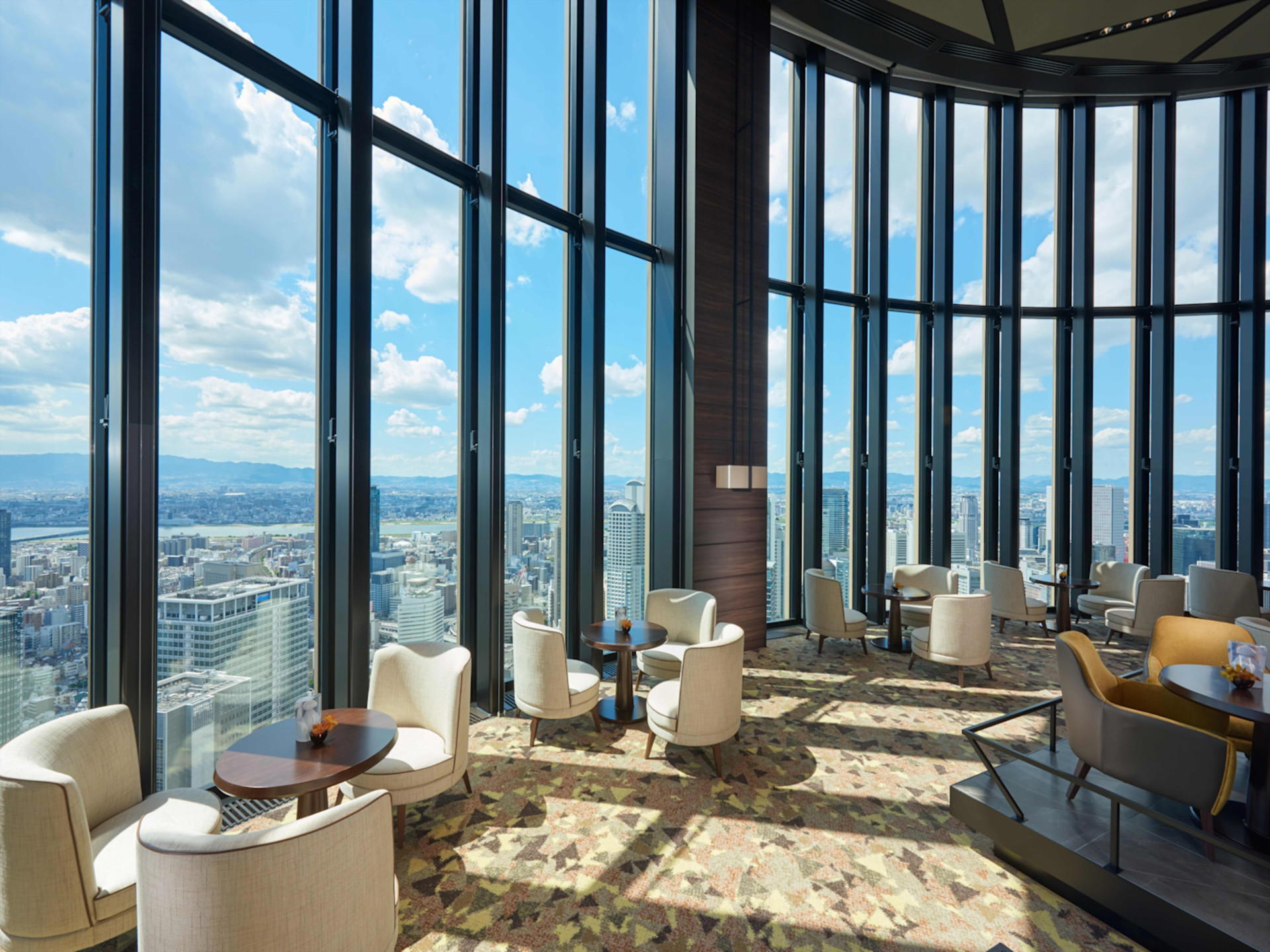



Wineries in Osaka Shi
Browse all →
At a Glance
- Intimate
- Elegant
- Quiet
- Sophisticated
- Special Occasion
- Date Night
- Chefs Counter
- Sake Program
Tranquil and sincere atmosphere in a small 8-seat counter setting where every precise movement of the chef is visible.