Koryu Keishin serves Naniwa Kappo from a chef’s counter and open kitchen in Osaka, with a quiet, leisurely dinner pace and a sake program.
Pearl is the En Primeur Club membership app — saves, bookings, and concierge access live there. Same editors, same standards.
- Address
- Japan, 〒530-0003 Osaka, Kita Ward, Dojima, 1 Chome−5−1 エスパス北新地23 1階
- Phone
- +815035035660
- Website
- koryu.net
- Directions
- Get directions
 Saves & bookings on Pearl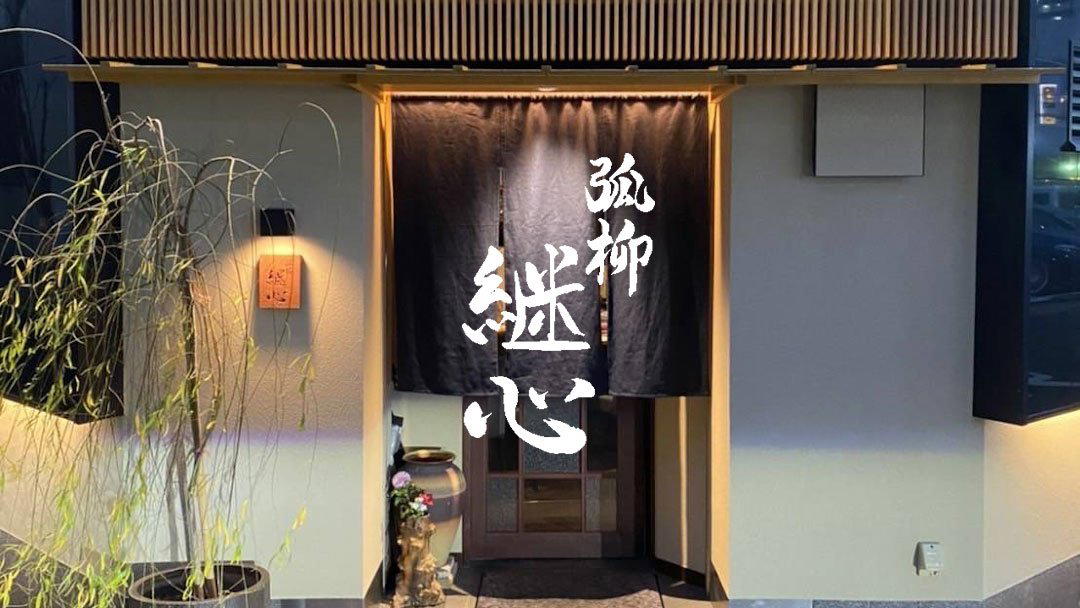
Dojima After Dark: Reading the Room at Koryu Keishin
The stretch of Dojima in Kita Ward sits in a part of Osaka that businesspeople have claimed for decades. Office towers line the riverside, and the restaurants that survive here do so not on tourist foot traffic but on repeat custom from the same faces returning week after week. Koryu Keishin is a restaurant in Osaka's Kita Ward, serving Naniwa Kappo at a price tier of about $120 per person. It occupies this world, at the address in Esupas Shinchi on Dojima 1-chome, a location that places it squarely within one of the city's more quietly functional dining corridors rather than its more theatrical quarters.
Osaka's dining culture rewards loyalty in ways that differ from Tokyo. Where the capital's leading counters often operate on strict advance booking systems managed from the outside in, Osaka's neighborhood-embedded restaurants tend to develop a regular clientele that shapes the room from within. The unwritten menu, the pacing that the kitchen knows a returning guest prefers, the particular sake a table has ordered on the last three visits: these are the currencies that matter most in a room like this one. Koryu Keishin sits in that tradition.
The Texture of a Regular's Evening
What keeps people returning to a restaurant in this district is rarely spectacle. The Dojima corridor does not trade in the kind of high-concept kaiseki progressions that draw international attention to Osaka's more discussed addresses, such as HAJIME in Osaka, or the refined fish-forward counter experiences that have earned Kansai's dining scene its broader reputation. The draw here is familiarity with precision: a kitchen that has learned what its regulars expect and has the technical grounding to deliver it consistently.
That dynamic plays out across Osaka's mid-tier and upper-casual dining rooms. Regulars at a Kita Ward restaurant of this type are often professionals with specific ideas about quality, portion, and pacing. They are not interested in a tasting menu that runs to three hours. They want food that reflects careful sourcing and skilled execution within a format that respects their time. The kind of Japanese restaurant culture that produced this model draws on deep culinary infrastructure: relationships with fish markets, seasonal produce from regional suppliers, rice sourced with the same seriousness applied to protein.
Across the Kansai region, this approach connects Osaka's neighborhood dining rooms to a broader tradition visible in places like Gion Sasaki in Kyoto and even influences the work of precision-led younger restaurants such as akordu in Nara. The common thread is a commitment to ingredient quality that does not require a Michelin entry to be meaningful.
Dojima's Position in Osaka's Dining Geography
Kita Ward contains some of Osaka's most varied dining density. Umeda draws the grand department store restaurants and the international hotel dining rooms. Kitashinchi, a few blocks from Dojima, holds some of the city's most expensive bars and private dining rooms. Dojima itself occupies an intermediate register: serious enough to sustain restaurants with skilled kitchens, embedded enough in office culture that the clientele tends to be local and recurring rather than occasional and visiting.
This geography places Koryu Keishin in a different competitive tier from the highly decorated kaiseki counters on the other side of the city. The comparison set here is not the starred rooms in Osaka Shi, but rather the restaurants that sustain a loyal professional clientele through quality and consistency rather than ceremony and acclaim. Venues like Ajihei Sonezaki and Ajikitcho Bunbuan operate within related frameworks in the same broad district, each finding their own register within Osaka's layered dining culture.
Other Osaka addresses in the mid-to-upper casual bracket, including Aka to Shiro, Az, and Calendrier, illustrate how varied the city's non-starred tier can be. Across Japan, comparable dynamics appear in restaurant communities from Goh in Fukuoka to counter-format specialists in Tokyo such as Harutaka in Tokyo, each building a loyal base through depth of craft rather than international profile. Even internationally, the model has parallels: the regulars-first culture at places like Le Bernardin in New York City or the precisely calibrated tasting formats at Atomix in New York City demonstrate that loyalty-driven dining is a discipline that operates across price points and geographies.
Japan's Regional Dining Infrastructure
Understanding a restaurant like Koryu Keishin requires understanding the infrastructure that supports it. Japan's regional dining ecosystem is unusually deep. Even restaurants without national press coverage or award recognition can draw on fish from specific morning markets, vegetables from named farms, and tofu or fermented goods from producers with multi-generational histories. The quality baseline for a serious neighborhood restaurant in Osaka is higher than in most comparable cities because the supply infrastructure is more developed and the clientele is more fluent in what that quality should taste like.
This depth of supply extends to sake and shochu, where regional production in Hyogo, Niigata, and further afield creates a drinks offering that a returning regular can track across seasons and vintages. The equivalent in the wine world would be the sommelier-driven list at a serious European bistro, where the cellar is not built for show but for the preferences of guests who return often enough to work through it. Restaurants like 一本杉川島酒造 in Nanao and 湖煌庵 in Takashima anchor different parts of this regional supply tradition, as do destination-specific venues like 夕張山乃 in Sapporo and 岳翠荘 in Nishikawa Machi. For a different protein tradition entirely, Birdland in Sakai shows how specific focus can generate its own loyal following within the Kansai framework.
Planning a Visit
The restaurant is in Kita Ward, at Dojima 1-chome 5-1, Esupas Shinchi, first floor, reachable from Osaka's central station infrastructure in under ten minutes on foot from Nishi-Umeda or Watanabebashi stations. The Dojima area is densely served by the city's subway network, and most visitors arriving from central Osaka will not need a taxi. Because the venue operates within the regulars-first culture described above, first-time visitors are advised to contact the restaurant directly in advance rather than arriving without a reservation, particularly on weekday evenings when the professional clientele makes the room competitive to enter. Reservations are essential, especially on weekday evenings. Japanese language is the working language of the room, and a basic level of communication or a local contact to assist with reservation logistics is worth arranging in advance.
Cuisine and Awards Snapshot
Comparable venues nearby, for context on price, style, and recognition.
| Venue | Cuisine | Price | Notes |
|---|---|---|---|
| Koryu KeishinThis venue — the venue you are viewing | Naniwa Kappo | $$$$ | Not listed |
| きたしんち 弓場慎之佑 | Modern Japanese Kappo | $$$$ | Kita |
| Ajikitcho Bunbuan | Traditional Japanese Kaiseki | $$$$ | Chūō |
| 弧柳 | Modern Kaiseki Omakase | $$$$ | Chūō |
| KURA - Teppanyaki & Sushi | Teppanyaki & Sushi | $$$$ | Kita |
| 老松 ひさ乃 | Seasonal Kaiseki | $$$$ | Kita |
Continue exploring
More in Osaka
Restaurants in Osaka
Browse all →




Bars in Osaka
Browse all →




Hotels in Osaka
Browse all →




Wineries in Osaka
Browse all →
At a Glance
- Elegant
- Intimate
- Sophisticated
- Classic
- Date Night
- Special Occasion
- Business Dinner
- Chefs Counter
- Open Kitchen
- Sake Program
- Local Sourcing
Current opening hours
- Monday
- 6 PM–12 AM
- Tuesday
- 6 PM–12 AM
- Wednesday
- 6 PM–12 AM
- Thursday
- 6 PM–12 AM
- Friday
- 6 PM–12 AM
- Saturday
- 6 PM–12 AM
- Sunday
- Closed
Hours can change for holidays and private events. Last verified .
Intimate counter seating for 12 with a serene, precise kappo atmosphere focused on chef-driven ingredient presentation.