In Osaka's Kita Ward, 寿し芳 (Sushiyoshi) occupies a quiet address in Minamimorimachi that places it within reach of the city's most concentrated sushi counter district. Osaka's sushi tradition differs from Tokyo's in meaningful ways, and this address belongs to a category of neighbourhood counter that rewards patient, attentive diners over walk-in crowds. Booking ahead is strongly advised.
Pearl is the En Primeur Club membership app — saves, bookings, and concierge access live there. Same editors, same standards.
- Address
- Japan, 〒530-0054 Osaka, Kita Ward, Minamimorimachi, 2 Chome−3−23 Wako Juken Minamimorimachi Building No1, â ¡
- Phone
- +81663610062
- Directions
- Get directions
 Saves & bookings on Pearl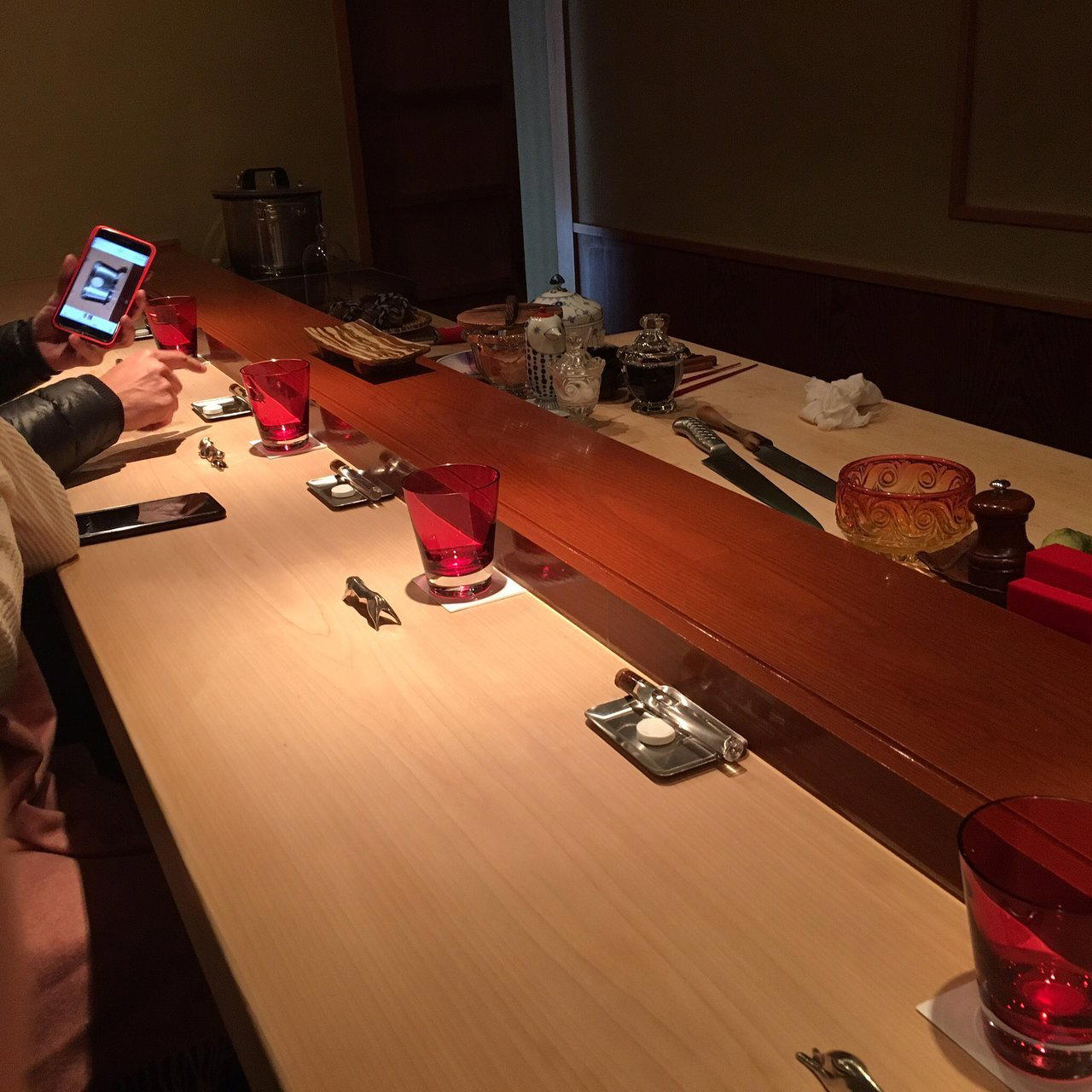
The Counter Tradition in Osaka's Kita Ward
Minamimorimachi sits on the northern edge of Osaka's commercial core, one stop from Umeda on the Tanimachi subway line, and the streets around it carry a different register from the tourist-heavy corridors of Namba or Shinsaibashi. The area around the Wako Juken building on 2-chome Minamimorimachi has a working, local character, office buildings, small izakayas, and the occasional specialist counter that has no particular interest in announcing itself to passing foot traffic. 寿し芳 (Sushiyoshi) is a restaurant in Osaka serving Modern Edomae Sushi Omakase. The address alone tells you something: this is a destination by intention, not by accident.
That positioning is meaningful in Osaka, where the sushi counter scene has evolved along lines that diverge noticeably from Tokyo's model. Tokyo's leading omakase market has become heavily stratified by Michelin tier and price bracket, with counters often operating as prestige statements. Osaka's relationship with sushi is older, more fluid, and in many respects less formal. The city's culinary identity runs through kuidaore, eating until you drop, and that philosophy shapes even the more serious counter formats. Pacing tends to be generous, conversation between chef and guest is expected rather than optional, and the ritual of the meal carries its own specific etiquette that differs from the hushed reverence of many Tokyo rooms.
The Ritual of the Sushi Counter in Osaka
Japan's sushi counter format is one of the more codified dining rituals in the world, and understanding its structure before you arrive changes the meal. In Osaka specifically, the omakase sequence tends to open with lighter, vinegared preparations before moving through richer neta (toppings), with the chef reading the room as much as the fish. Guests are expected to eat nigiri promptly after it is placed, warm rice set at body temperature loses its texture within a minute, and the gap between placement and eating is itself part of the craft being demonstrated.
The shari (rice) question sits at the centre of Osaka's sushi identity. Osaka-mae zushi has deep historical roots in pressed and fermented forms, battera and hakozushi both originate here, and some counters in the city draw on that tradition even within a contemporary nigiri format. The red vinegar (akazu) versus white vinegar division in rice preparation is another point of regional differentiation that serious sushi counters in Osaka treat with considerable care. These details rarely appear on menus; they surface in the conversation between chef and diner that a good counter actively facilitates.
Compared to counters at similar addresses across the Kansai region, including Gion Sasaki in Kyoto, which operates within a kaiseki tradition that intersects with Osaka's own formal dining circuit, the sushi counter in Osaka tends to sit closer to the guest. The distance between the chef's preparation and the diner's plate is physically and socially shorter. This is not informality so much as a different kind of precision: the emphasis falls on immediacy and direct exchange rather than on theatrical separation.
Placing 寿し芳 in the Kita Ward Counter Scene
Osaka's sushi counter market in Kita Ward includes a range of formats, from the accessible and high-volume operations near Umeda station to the quieter specialist addresses that depend on repeat clientele and word-of-mouth booking. 寿し芳 sits in the latter tier by geography and address type alone. A building-based counter on a secondary street in Minamimorimachi is not positioning for walk-in traffic; it is positioning for the guest who already knows why they are there.
That quieter, specialist, neighbourhood-rooted counter scene is the more interesting part of Osaka's sushi landscape. It sits alongside other Kita Ward addresses that operate in a similar register, including Ajihei Sonezaki and Ajikitcho Bunbuan. The contrast with more design-forward Osaka addresses, such as Aka to Shiro or Calendrier, illustrates how diverse the upper tier of Osaka dining has become across formats.
For reference points outside Osaka, the Tokyo sushi counter scene offers useful contrast. Harutaka in Tokyo operates in a bracket where lineage and Michelin recognition are explicit parts of the counter's identity. The Osaka model, at its more characteristic end, tends to let the meal carry that weight rather than awards or rankings. Whether that represents a more democratic ethos or simply a different kind of formality is a question worth sitting with over the course of the meal. Internationally, the rigour of dedicated tasting-format counters finds analogues in rooms like Le Bernardin in New York City, where product sourcing and sequencing similarly define the guest experience at a structural level.
Osaka's broader fine dining circuit, with destinations including HAJIME in Osaka operating at the Michelin three-star tier and international Korean fine dining represented by Atomix in New York City as a comparative benchmark, frames just how wide the spectrum of serious tasting-format dining has become. The sushi counter sits within that spectrum as its most Japan-specific expression. Elsewhere in the region, addresses like Goh in Fukuoka and akordu in Nara demonstrate how far Kansai and Kyushu dining has developed its own distinct registers beyond what any single city's scene can contain.
Know Before You Go
| Detail | Information |
|---|---|
| Address | Wako Juken Minamimorimachi Building No.1, 2-3-23 Minamimorimachi, Kita Ward, Osaka |
| Area | Minamimorimachi, Kita Ward, one stop from Umeda on the Tanimachi line |
| Booking | Advance reservation essential |
| Format | Counter-style sushi; omakase format typical for this address type |
| Language | Japanese is the primary language |
| Context | Neighbourhood specialist counter; no significant walk-in provision expected at this address type |
The Quick Read
Comparable venues nearby, for context on price, style, and recognition.
| Venue | Cuisine | Price |
|---|---|---|
| 寿し芳This venue — the venue you are viewing | Kita, Modern Edomae Sushi Omakase | $$$$ |
| Tenjinbashi Aoki | Kita, Michelin-Starred Kaiseki | $$$$ |
| Kawaharasaki | Kita, Kamigata Tempura | $$$$ |
| 弧柳 | Chūō, Modern Kaiseki Omakase | $$$$ |
| 靱本町がく | Nishi, Michelin-Starred Seasonal Kaiseki | $$$$ |
| Kizuna | Chūō, Edomae Sushi Tasting | $$$$ |
Continue exploring
More in Osaka
Restaurants in Osaka
Browse all →



Bars in Osaka
Browse all →



Hotels in Osaka
Browse all →



Wineries in Osaka
Browse all →
At a Glance
- Elegant
- Sophisticated
- Special Occasion
- Date Night
- Chefs Counter
- Sake Program
Intimate counter dining with creative and entertaining sushi presentations.