
Michelin Plate
Our verdict
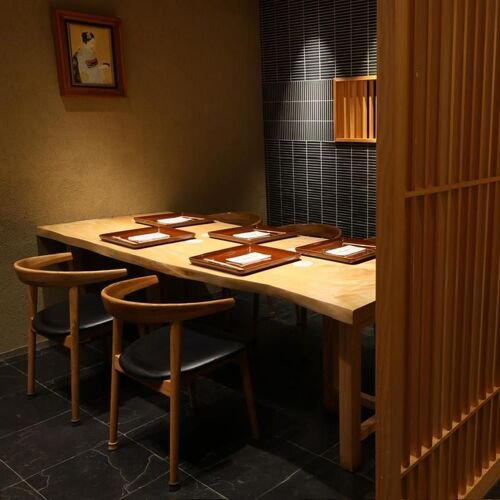
Sui Okazaki holds a Michelin Plate in Osaka's Shinsaibashi district, where the kitchen applies classical Japanese technique with deliberate creative latitude. Sashimi arrives marinated in soy sauce or wrapped in nori; dashi is drawn in an enamelled pot to isolate pure umami. At the ¥¥¥ price tier, it sits in a competitive bracket that rewards curiosity as much as refinement.

Pearl is the En Primeur Club membership app, where members save venues, book tables and use the concierge.
Shinsaibashi and the Case for Creative Japanese Dining
Osaka's Chuo Ward produces a particular kind of restaurant pressure: proximity to serious kaiseki institutions on one side, and the city's instinctive preference for direct, flavour-forward cooking on the other. Shinsaibashi, where Sui Okazaki occupies the second floor of the Shinsaibashi Stage A building on Higashishinsaibashi's first chome, sits at the centre of that tension. The neighbourhood is dense with options across formats and price points, but the restaurants that earn repeat custom here tend to be the ones that resolve that tension rather than ignore it, places that know their classical foundation well enough to move away from it deliberately.
The approach at Sui Okazaki is precisely that kind of deliberate departure. The Michelin Plate recognition in both 2024 and 2025 marks it as a kitchen operating with consistent intent, not occasional flashes. In Osaka's competitive mid-to-upper Japanese dining tier, that consistency matters: the ¥¥¥ price range places it alongside well-regarded neighbourhood Japanese restaurants like Kashiwaya Osaka Senriyama, Miyamoto, and Oimatsu Hisano, and below the ¥¥¥¥ tier occupied by Hajime, La Cime, and Fujiya 1935. Within that bracket, the kitchen distinguishes itself not through format novelty but through technical specificity in familiar categories.
What the Kitchen Is Actually Doing
The clearest signal of what drives the cooking here is the approach to dashi. Drawing the stock in an enamelled pot is a deliberate technical choice: enamel's non-reactive surface is the argument that the method produces a cleaner expression of umami than traditional iron or clay vessels that can introduce mineral notes. Whether or not one agrees with the theory, the point is that this is a kitchen making conscious, reasoned decisions about foundational technique rather than defaulting to received tradition. In a country where dashi is so deeply embedded that most cooks do not question it, questioning it is itself a statement.
Same logic applies to the sashimi preparations. Marinating raw fish in soy sauce shifts a dish that Japanese diners understand as a canvas for dipping into something already seasoned, requiring the kitchen to calibrate salt levels and timing precisely to preserve the fish's texture. Wrapping sashimi in nori introduces a textural and aromatic layer that classical kaiseki would typically reserve for other courses. These are not gestures toward fusion, the references are entirely Japanese, but they are moves that a kitchen executing straight kaiseki would not make. At Tenjimbashi Aoki or Yugen, the discipline runs more strictly within form. Sui Okazaki occupies a different position: classical technique as the starting point, not the destination.
Value at the ¥¥¥ Tier: What the Price Point Actually Delivers
Value argument for Sui Okazaki rests on where the kitchen's ambition sits relative to its price tier. Osaka's ¥¥¥¥ restaurants, Hajime's three Michelin stars, La Cime's multi-star French-Japanese precision, Fujiya 1935's innovative tasting menu, deliver at that level because the investment in ingredients, technique, and service structure justifies it. At ¥¥¥, most kitchens are expected to operate within tighter constraints. What Sui Okazaki proposes is a kitchen with genuine creative ambition that has not yet moved up that price ladder, which means the diner captures the benefit of that ambition before it gets priced to match.
At a restaurant where the cooking takes technical risks, marinated sashimi, enamel-pot dashi, consistent scores suggest the risks are landing reliably, which is a different quality signal than you get from an average built on more direct cooking.
For context across the broader Kansai region, the ¥¥¥ tier at Michelin Plate level represents a specific value position. Gion Sasaki in Kyoto and akordu in Nara each represent ambitious cooking at comparable or adjacent price positions in their respective cities. Osaka's version of that tier skews more expressive and less ceremonial, which is consistent with the city's broader dining character, and Sui Okazaki's approach fits that register well.
The Name and What It Signals
The name Sui is a deliberate act of acknowledgment. It references the restaurant where the chef trained, carrying forward not nostalgia but a sense of obligation to technique. That framing matters because it locates the creative work in a specific tradition: the innovations here are not departures from classical Japanese cooking but arguments made from inside it. The approach is forward-looking in execution and rooted in lineage by intention. In a dining culture where apprenticeship lines carry real weight, as they do across Japanese cooking, from Tokyo's sushi counters like Harutaka to Kyoto's kaiseki houses, naming a restaurant after one's training ground is a public declaration of where the cooking comes from.
For readers exploring Japanese dining beyond Osaka, similar combinations of creative latitude within classical structure appear at Goh in Fukuoka, Myojaku in Tokyo, and Azabu Kadowaki in Tokyo. The pattern is consistent: kitchens with strong apprenticeship foundations that use that base to make considered rather than arbitrary changes.
Planning a Visit
| Venue | Cuisine | Price Tier | Michelin Recognition | Area |
|---|---|---|---|---|
| Sui Okazaki | Japanese (creative) | ¥¥¥ | Plate 2024, 2025 | Shinsaibashi, Chuo |
| Kashiwaya Osaka Senriyama | Japanese | ¥¥¥ | Starred | Senriyama |
| Taian | Kaiseki | ¥¥¥ | Starred | Osaka |
| Hajime | French, Innovative | ¥¥¥¥ | Three stars | Osaka |
| La Cime | French | ¥¥¥¥ | Starred | Osaka |
Sui Okazaki is located on the second floor of the Shinsaibashi Stage A building in Higashishinsaibashi, Chuo Ward. Shinsaibashi is served by the Osaka Metro Midosuji and Nagahori Tsurumi-ryokuchi lines, making access from central Osaka direct by public transport.
For broader planning across the city, see our full Osaka restaurants guide, our full Osaka hotels guide, our full Osaka bars guide, our full Osaka wineries guide, and our full Osaka experiences guide. For those travelling beyond Osaka, 1000 in Yokohama and 6 in Okinawa offer further reference points for ambitious Japanese cooking outside the major culinary capitals.
What Regulars Order
The dashi-led courses reflect the same technical investment: drawing stock in an enamelled pot produces a result the kitchen considers cleaner in umami expression than conventional methods, and diners who return tend to engage with that argument in the bowl rather than in the abstract. The kitchen does not restrict its creative decisions to a single course, the Michelin assessors' note that the chef applies innovation across both creativity and skill suggests the approach runs through the full menu rather than appearing as a single showpiece moment. The awards record across peer venues in the ¥¥¥ tier confirms that this level of consistent technical ambition is what earns and retains recognition in Osaka's Japanese dining category.
How It Stacks Up
| Venue | Cuisine | Price | Awards | Notes |
|---|---|---|---|---|
| Sui OkazakiThis venue (the venue you are viewing) | Modern Japanese Omakase | $150–200 | Michelin Plate | Not listed |
| HAJIME | Avant-Garde Japanese Fine Dining | $300–500 | 3 Michelin Stars · World's 50 Best #83 | French, Innovative |
| La Cime | Modern French with Japanese Ingredients | $150–200 | 2 Michelin Stars · World's 50 Best #13 | French |
| Kashiwaya Osaka Senriyama | Seasonal Kaiseki Omakase | $200–300 | 3 Michelin Stars · La Liste Top Restaurants | Japanese |
| Taian | Traditional Japanese Kaiseki Omakase | $150–200 | 3 Michelin Stars · La Liste Top Restaurants | Kaiseki, Japanese |
| Fujiya 1935 | Modern Japanese with European influences | $100–150 | 2 Michelin Stars · La Liste Top Restaurants | Innovative |
Recognition history
Dated appearances from independent guides and award organizations, with the underlying list record or original source where available.
Michelin Plate
Michelin
Full recognition history (3 entries)
Michelin Plate
Michelin
Michelin Plate
Michelin
Continue exploring
More in Osaka
Restaurants in Osaka
All restaurants in Osaka →

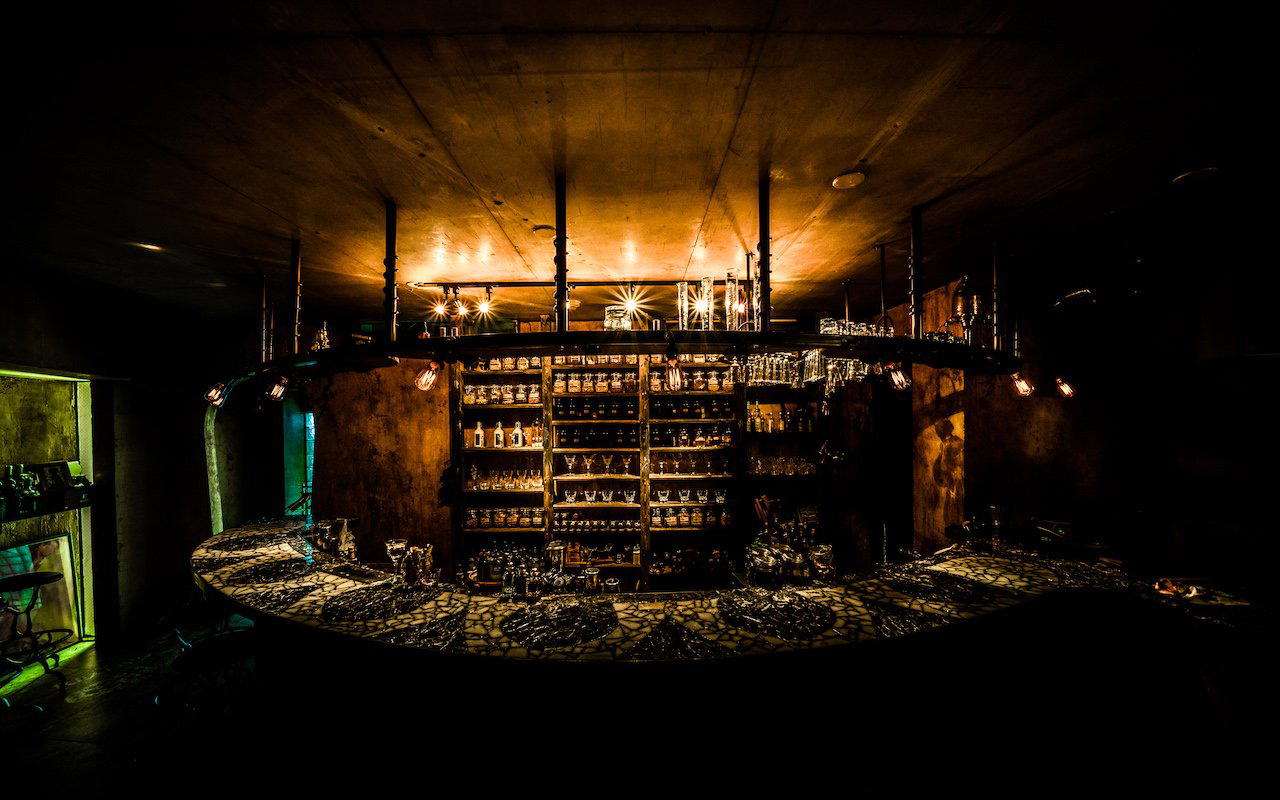
Bars in Osaka
All bars in Osaka →
Hotels in Osaka
All hotels in Osaka →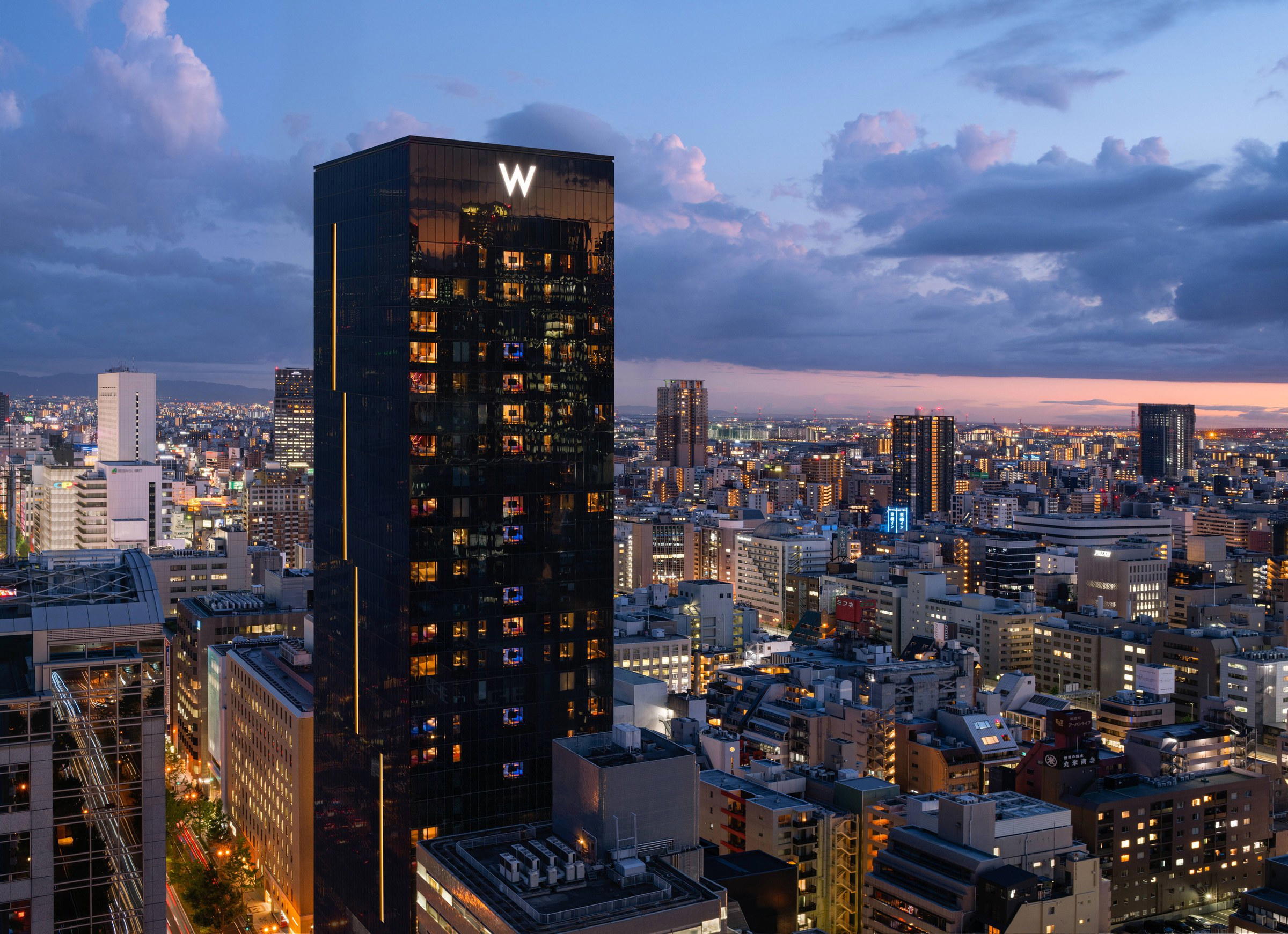
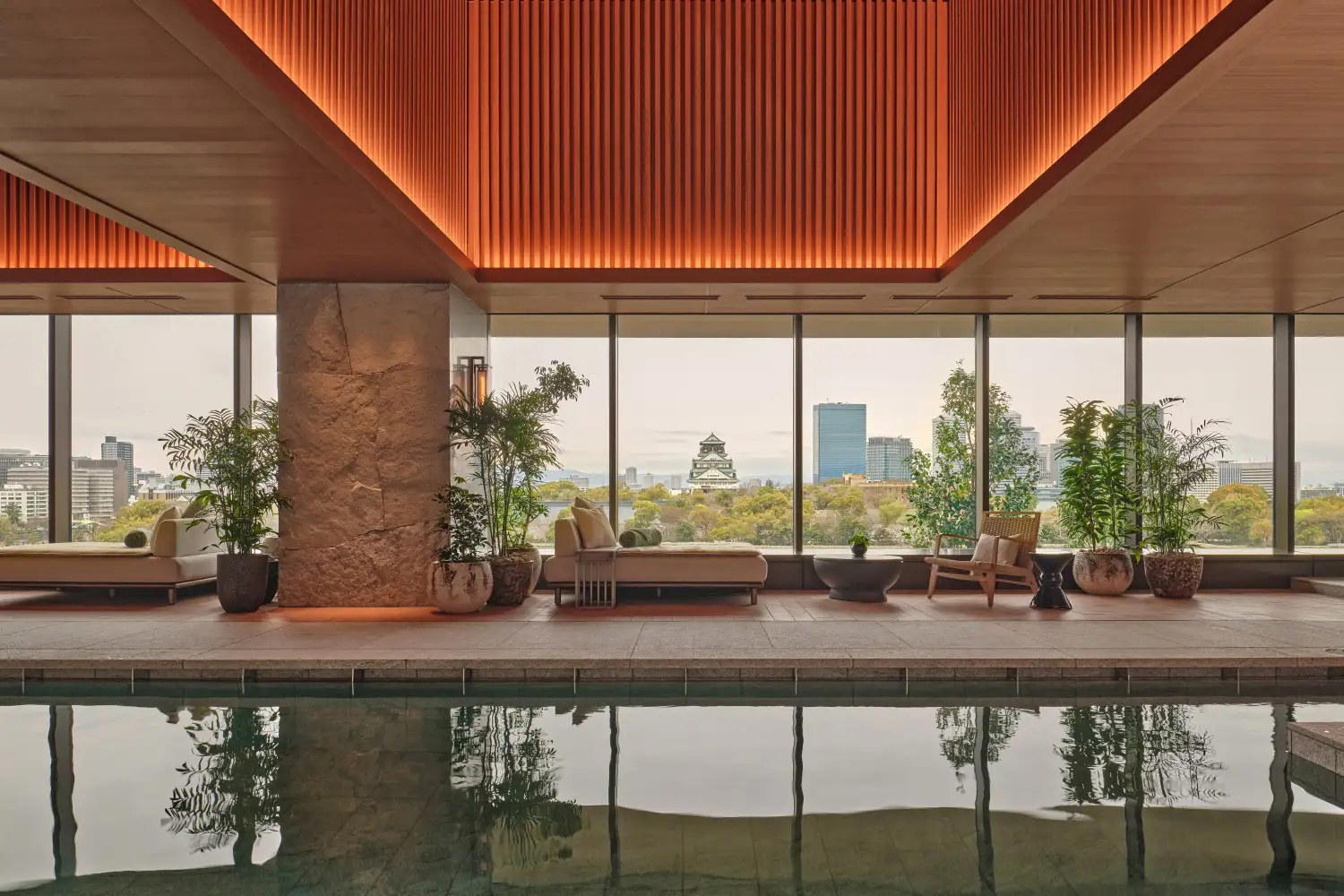


Wineries in Osaka
Browse all →
Details
- Intimate
- Elegant
- Cozy
- Sophisticated
- Special Occasion
- Date Night
- Chefs Counter
- Private Dining
- Sake Program
- Omakase
- Sake
- Wine
Current opening hours
- Monday
- 6–11 PM
- Tuesday
- 12–2 PM, 6–11 PM
- Wednesday
- Closed
- Thursday
- 6–11 PM
- Friday
- 12–2 PM, 6–11 PM
- Saturday
- 6–11 PM
- Sunday
- 12–2 PM, 6–11 PM
Hours can change for holidays and private events. Hours as of .
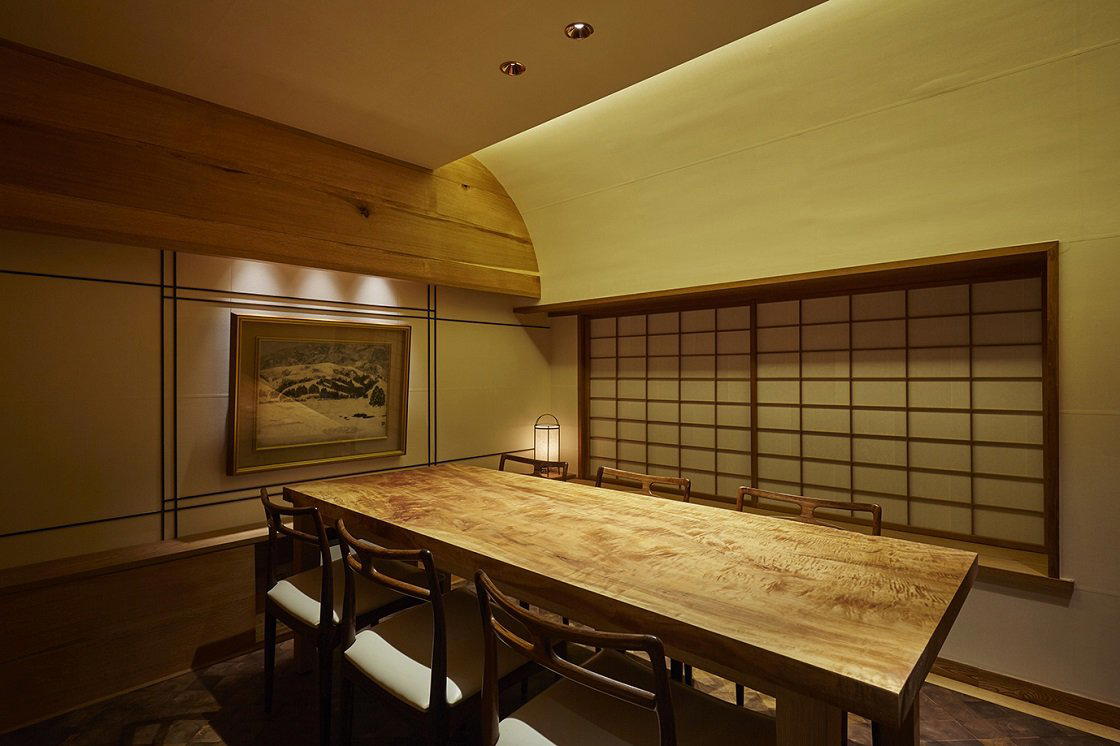
Serene Japanese-inspired space with warm wooden counter, relaxing atmosphere, and cozy private rooms.