

A Michelin-starred sushi counter in Osaka's Sonezaki Shinchi district, Sushi Murakami Jiro operates at the ¥¥¥¥ tier where technical precision and seasonal Japanese ingredients set the standard. Holding a 2024 Michelin star, it draws a clientele that expects serious craft at counter level.
Pearl is the En Primeur Club membership app — saves, bookings, and concierge access live there. Same editors, same standards.
- Address
- Japan, 〒530-0002 Osaka, Kita Ward, Sonezakishinchi, 1 Chome−5−7 Mori Bldg, 1F
- Phone
- +81 6-6341-3988
- Directions
- Get directions
 Saves & bookings on Pearl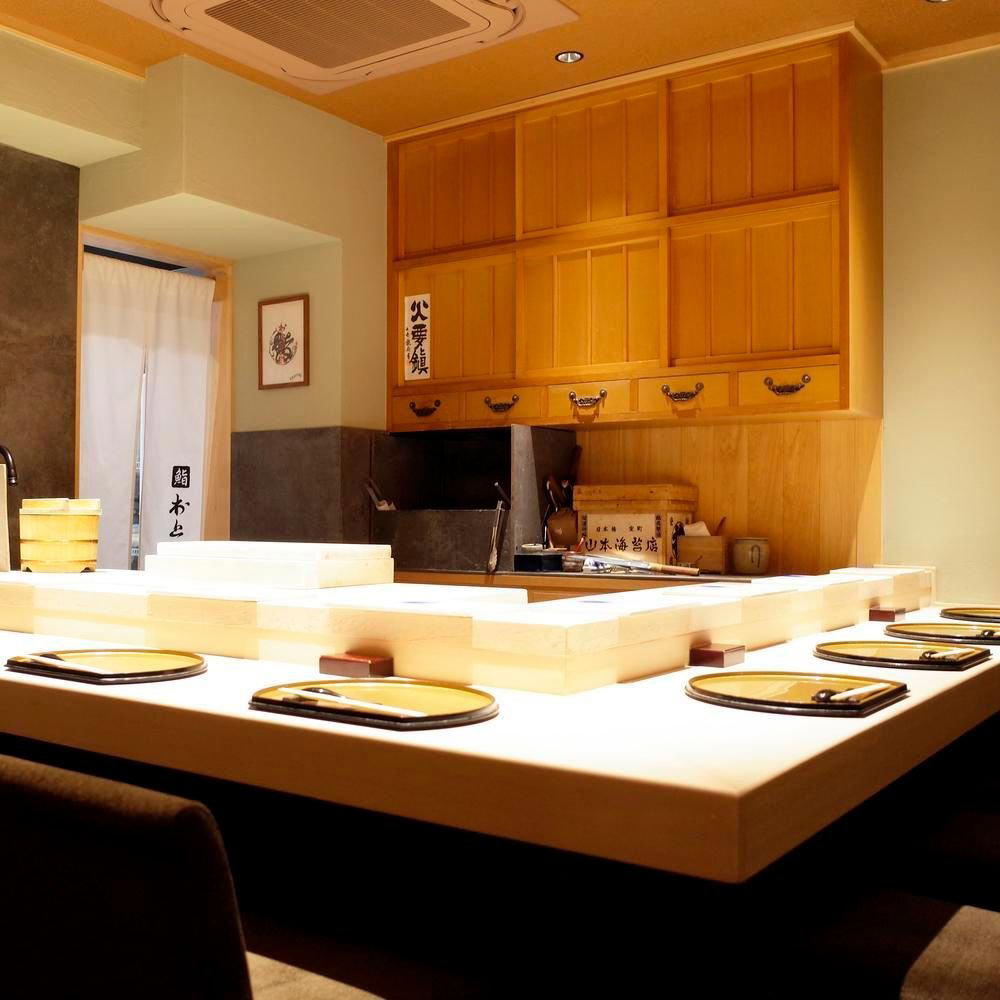
A Counter in Sonezaki Shinchi
The ground floor of Mori Building on Sonezakishinchi 1-chome is not the kind of address that signals itself from the street. Kita Ward's entertainment district moves fast at night, all neon and izakaya foot traffic, and a sushi counter operating at the ¥¥¥¥ level tends to sit apart from that current rather than inside it. Arriving at Sushi Murakami Jiro, the transition from the street to the counter is deliberate: the room asks something of you before the meal begins. That shift in register is part of the point.
Osaka's premium sushi scene occupies a narrower band than Tokyo's, partly because the city's dining identity has historically centred on kaiseki, teppanyaki, and the broader washoku tradition rather than Edomae-rooted counter sushi. Venues like Sushi Harasho, Matsuzushi, and Sushi Hoshiyama define the upper tier of that scene, each operating with Michelin recognition and a client base that books well in advance. Sushi Murakami Jiro, holding a 2024 Michelin star, sits inside this cohort and prices at the ceiling of the city's sushi market.
Lunch and Dinner: Two Different Conversations
At ¥¥¥¥ counter sushi, the divide between lunch and dinner service is rarely just a matter of timing. In Osaka's leading sushi rooms, the evening omakase tends to carry more courses, a longer pace, and a clientele that has planned the visit weeks in advance. Lunch, where offered, compresses the format without abandoning its logic: fewer courses, occasionally a more approachable entry price, and a room that feels less performatively ceremonial.
Counters in this bracket that do offer lunch typically use the service to reach a slightly broader audience without repositioning their craft. Those that restrict to dinner-only signal that the full omakase sequence is the only format they will offer, which is itself an editorial statement about the experience they are building.
For comparison, the ¥¥¥¥ bracket in Osaka's broader fine-dining tier includes French houses like Gion Sasaki in Kyoto and Japanese counters where the evening service runs longer and the price differential between lunch and dinner can be significant. At Michelin one-star level across Japan, the lunch-to-dinner price ratio at sushi counters typically ranges from 60 to 80 percent of the evening omakase, making lunch the more accessible entry point for first-time visitors to a room at this tier.
Seasonal Discipline at the Counter
Premium sushi in Japan does not operate on a fixed menu. The counter's credibility rests on its relationship with seasonal supply: what the market yields in a given week shapes what lands in front of the diner. This is not a marketing position but a structural reality of how serious counter sushi is sourced and prepared. The expectation at a Michelin-starred ¥¥¥¥ room in Osaka is that the chef's choices in any given service reflect the season's leading available fish and rice, not a laminated list.
Osaka's position on Osaka Bay and its proximity to the Seto Inland Sea gives the city's leading counters access to fish that is not always available to Tokyo rooms in the same condition. Bivalves, white fish, and locally specific shellfish move through the Osaka market on different rhythms than Tsukiji. A counter in Kita Ward drawing on those supply lines is playing a slightly different seasonal game than its Ginza equivalents, even if the Edomae technique framework is shared. For diners moving between Harutaka in Tokyo and Osaka's leading rooms, that regional difference in sourcing is part of what makes the comparison interesting rather than redundant.
Seasonal visits to Osaka sushi counters at this level tend to reward autumn and winter bookings, when cold-water fish are at their densest and most flavorful. Spring brings its own logic, particularly around cherry blossom season when the city fills and counters book out further in advance than usual. Summer services in a city with Osaka's humidity require a different approach to temperature and texture at the counter, and the leading rooms adapt accordingly.
Where Sushi Murakami Jiro Sits in the Osaka Sushi Market
Google's 4.3 rating across 62 reviews is a data point worth reading carefully. At a ¥¥¥¥ sushi counter with Michelin recognition, 52 reviews suggests a room that is not aiming at volume. The rating itself, 4.3, is consistent with counters that deliver technically precise work to a repeat-heavy clientele rather than chasing a broader audience. For comparison, high-volume sushi restaurants in Osaka's mid-tier bracket often accumulate hundreds of reviews at similar or lower ratings. The 62-review total implies selective visibility, which at this price tier is often a feature rather than a gap.
Within the Kita Ward sushi tier, Sushi Murakami Jiro competes on the same axis as Sushi Sanshin and Sushi Yuden: Michelin-recognised counters where the transaction is less about spectacle and more about sustained, session-length craft. The comparable set at this level does not include mid-market conveyor options or neighbourhood sushiya. It prices and performs against rooms where the chef's sourcing decisions, rice preparation, and sequence logic are the actual product.
For international context, the Michelin one-star sushi tier in Osaka maps closely to rooms like Sushi Shikon in Hong Kong and Shoukouwa in Singapore, both of which operate Japan-trained counter formats at premium prices in non-Japan markets. The comparison is instructive: dining at the restaurant in Osaka gives access to a similar technical standard in its source city, without the import premium those rooms carry.
Planning Your Visit
Sonezakishinchi sits in Kita Ward, Osaka's primary dining and entertainment district, accessible from Higashiumeda and Nishi-Umeda stations within a short walk. The address, ground floor of Mori Building on 1-chome, is navigable but benefits from confirming before arrival. At ¥¥¥¥ sushi counter level in Osaka, advance booking is standard practice. Rooms in this bracket typically do not accommodate walk-ins during peak service, and availability in high-travel seasons narrows further.
| Venue | Cuisine | Price Tier | Michelin (2024) | Google Rating |
|---|---|---|---|---|
| The restaurant | Sushi | ¥¥¥¥ | 1 Star | 4.3 (52) |
| Sushi Harasho | Sushi | , | , | , |
| Matsuzushi | Sushi | , | , | , |
| Sushi Sanshin | Sushi | , | , | , |
| Sushi Yuden | Sushi | , | , | , |
Diners building a wider Kansai itinerary may also find useful context in akordu in Nara and Gion Sasaki in Kyoto. For Japanese counters outside the Kansai region, Goh in Fukuoka, 1000 in Yokohama, and 6 in Okinawa each represent distinct regional approaches to the same premium tier.
In Context: Similar Options
Comparable venues nearby, for context on price, style, and recognition.
| Venue | Cuisine | Price | Awards | Notes |
|---|---|---|---|---|
| Sushi Murakami JiroThis venue — the venue you are viewing | Michelin 1-Star Omakase Sushi | $$$$ | Michelin 1 Star | Not listed |
| Nishitemma Ichigaya | Modern Kappo | $$$$ | Michelin 1 Star | Kita |
| Nishitemma Nakamura | Seasonal Kaiseki with Western Influences | $$$$ | Michelin 1 Star | Kita |
| Ajikitcho Horieten | Traditional Kaiseki | $$$$ | Michelin 1 Star | Nishi |
| Ono | Awaji Island Kaiseki | $$$$ | Michelin 1 Star | Kita |
| Oimatsu Kitagawa | Traditional Kaiseki Omakase | $$$$ | Michelin 1 Star | Kita |
Recognition history
Dated appearances from independent guides and award organizations, with the underlying list record or original source where available.
Michelin 1 Star
Michelin
Tabelog Bronze #294
Tabelog
Tabelog Bronze
Tabelog
Tabelog 100 #84 · No. 84
Tabelog · Tabelog 100 - Sushi - WEST - 2025
Tabelog 100 #74 · No. 74
Tabelog · Tabelog 100 - French - WEST - 2025
Michelin 1 Star
Michelin
Continue exploring
More in Osaka
Restaurants in Osaka
Browse all →




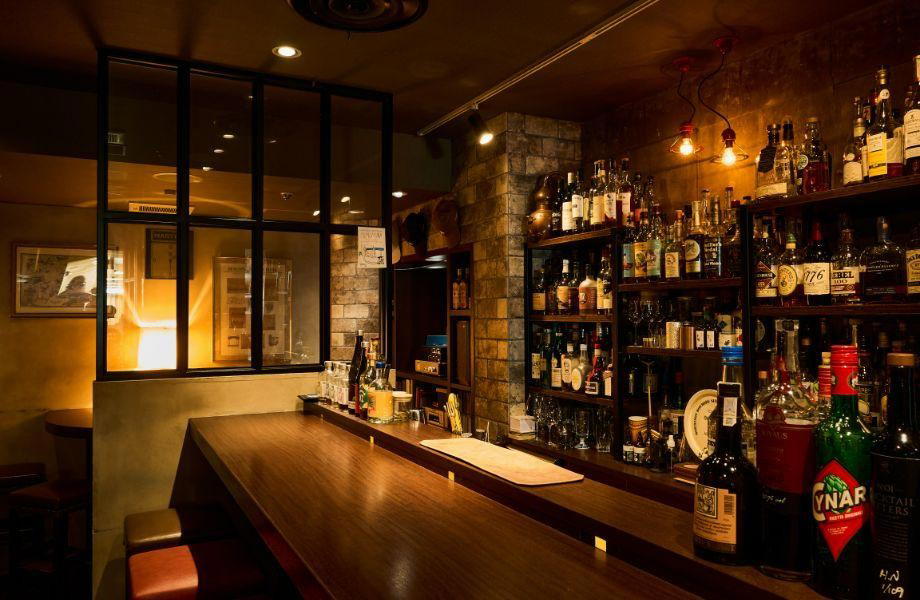
Bars in Osaka
Browse all →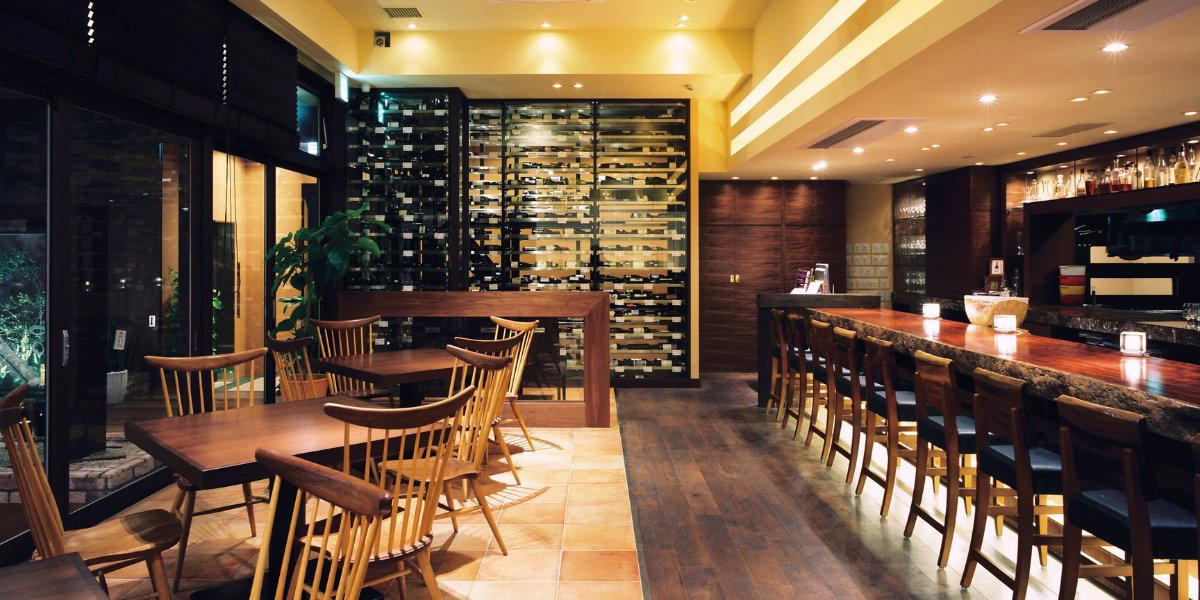


Hotels in Osaka
Browse all →




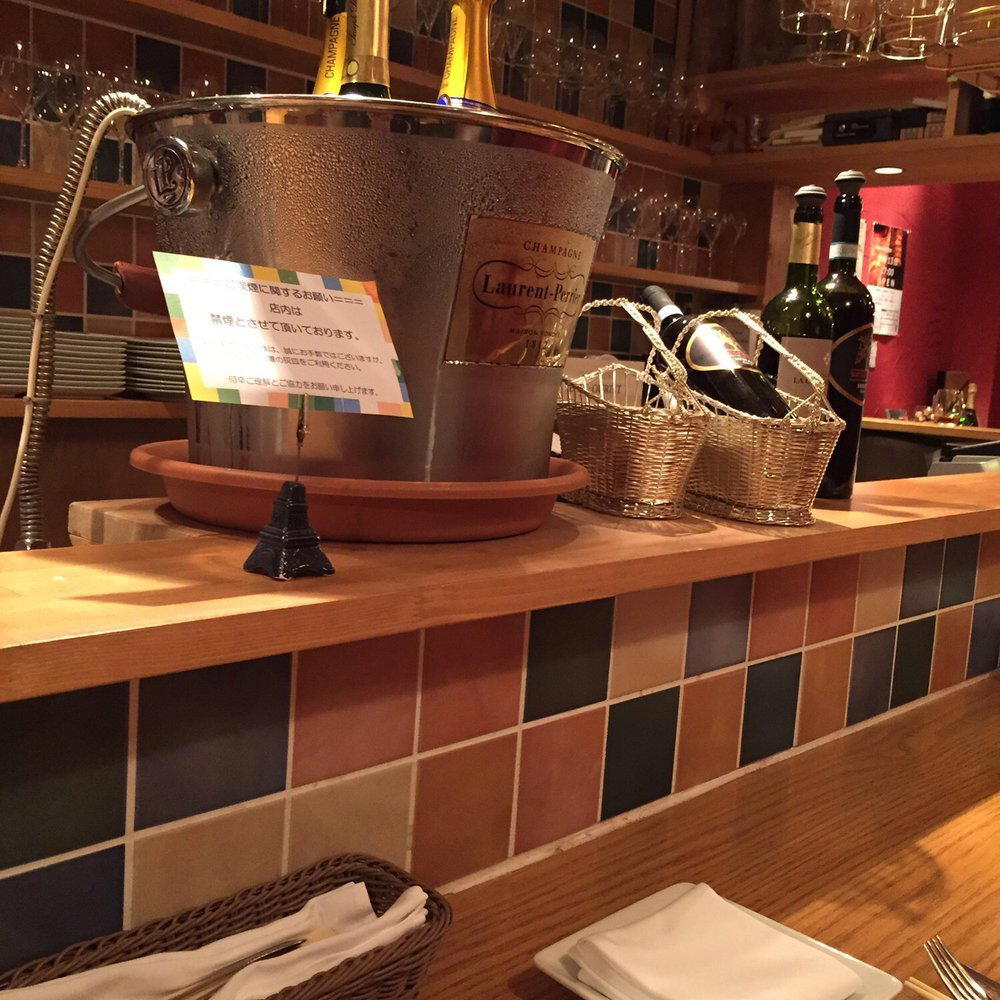
Wineries in Osaka
Browse all →
At a Glance
- Intimate
- Elegant
- Sophisticated
- Special Occasion
- Date Night
- Chefs Counter
- Sake Program
- Sustainable Seafood
Current opening hours
- Monday
- 6 PM–12 AM
- Tuesday
- 6 PM–12 AM
- Wednesday
- 6 PM–12 AM
- Thursday
- 6 PM–12 AM
- Friday
- 6 PM–12 AM
- Saturday
- 6 PM–12 AM
- Sunday
- Closed
Hours can change for holidays and private events. Last verified .
Lively and friendly counter atmosphere with repartee between the chef and his wife, creating a cozy, entertaining space for guests.