Star Wine List
Our verdict
Sushi TAKAYA occupies a quietly significant address in Ginza 7-chome, a block where omakase counters compete at the upper tier of Tokyo's sushi market. The venue sits within a district that sets the reference point for counter dining across Japan, placing it in direct conversation with the neighbourhood's most recognised houses. Booking ahead is advisable for any serious visit to this part of Ginza.

Pearl is the En Primeur Club membership app, where members save venues, book tables and use the concierge.
Ginza 7-Chome and the Geography of Serious Sushi
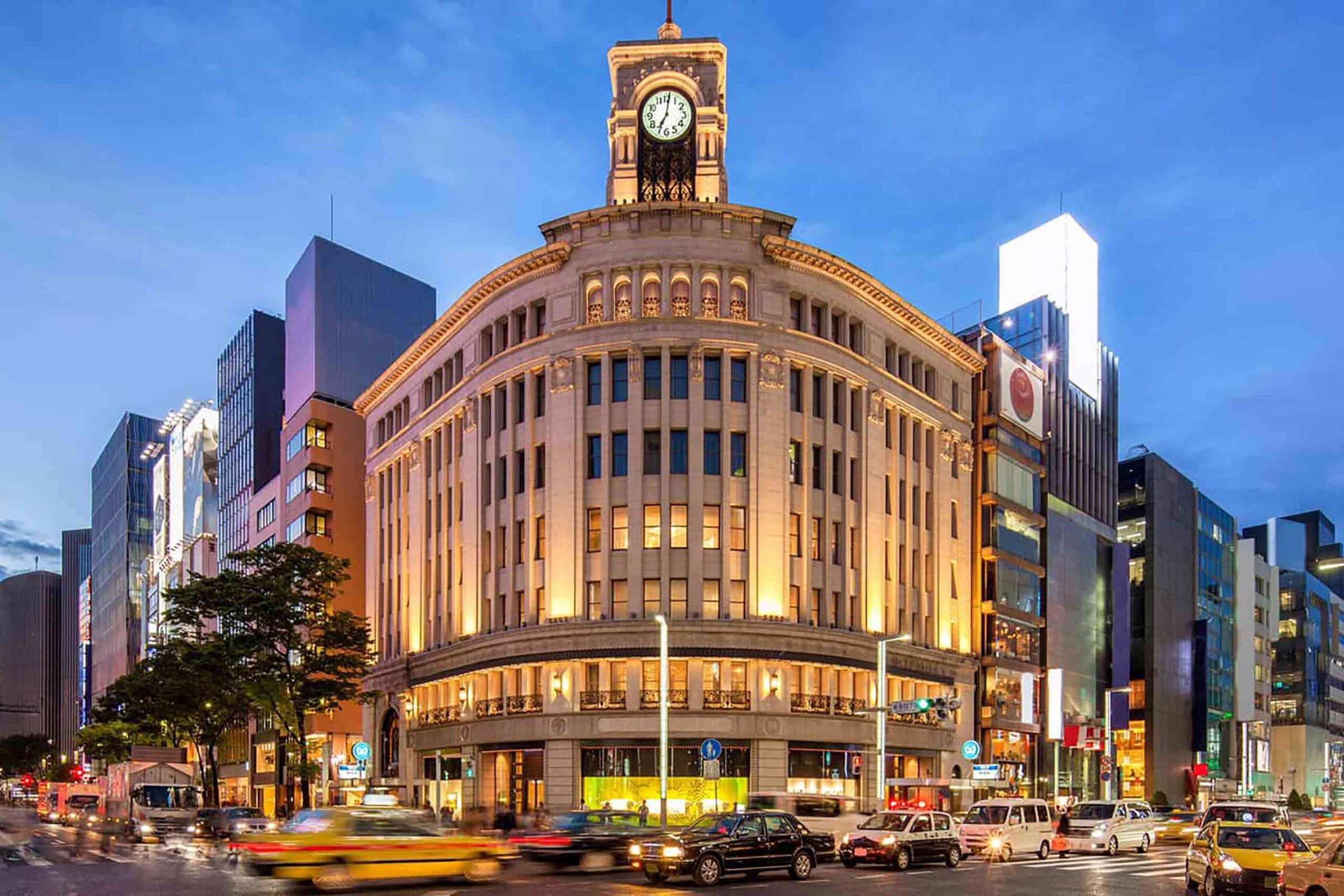
There is a specific kind of pressure that comes with a Ginza address. The neighbourhood has long functioned as Tokyo's quality benchmark for counter dining, and within Ginza, the 7-chome block carries particular weight. Streets here hold some of the most closely watched omakase rooms in the country, and the competition is not merely local. Sushi TAKAYA operates within that context, at 7-3-9 Ginza, Chuo City.
To understand what a Ginza sushi address means in practice, it helps to consider what the neighbourhood has become over the past two decades. Counter omakase in this district has consolidated around a smaller number of high-commitment rooms, while entry-level sushi has largely migrated to surrounding wards. What remains in Ginza's upper tier tends to share certain characteristics: limited seating, advance booking requirements, and price points that reflect the cost of operating in one of Tokyo's most expensive commercial corridors. Venues like Harutaka exemplify how the neighbourhood's leading counters position themselves, occupying a tier where the reference point is Japan's most awarded sushi rather than the city average.
The Omakase Format in Its Natural Environment
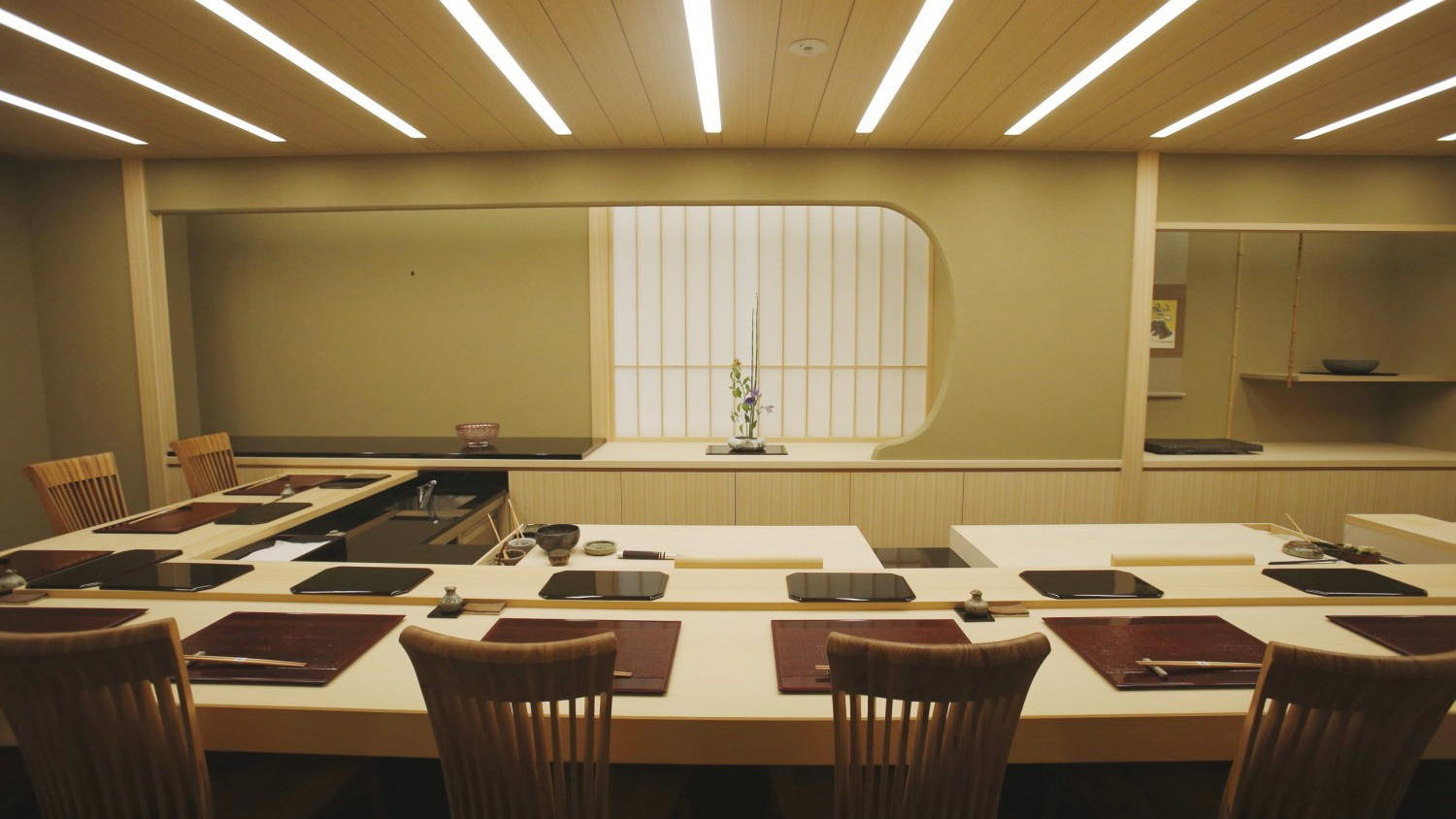
Ginza did not invent omakase, but it codified the format's premium expression. The counter-only structure, the chef-directed sequence, the absence of a printed menu: these conventions arrived at their current form partly through the competitive pressure of operating in a district where diners arrive with high baselines and specific expectations. For visitors encountering the format seriously for the first time, a Ginza address like Sushi TAKAYA provides the relevant context without requiring translation. The neighbourhood itself signals what the experience will demand from both sides of the counter.
The omakase model rewards patience and prior knowledge. Diners who arrive understanding the pacing, who know to eat each piece within seconds and who can read the chef's rhythm, tend to receive a different experience than those working through the format for the first time. This is not gatekeeping so much as the natural consequence of a highly compressed, real-time interaction between cook and guest. Ginza counters, operating at this tier, assume a certain level of fluency. That assumption is part of what defines the neighbourhood's character and separates it from Shinjuku or Shibuya omakase options that are structurally similar but pitched at a wider audience.
Where Sushi TAKAYA Sits in the Neighbourhood
The 7-chome address places Sushi TAKAYA toward the southern end of Ginza's main dining corridor, closer to the Shimbashi boundary than to the denser cluster around Ginza Station. This part of the neighbourhood has a slightly lower foot-traffic density than the central 4-chome intersection, which in practice means the immediate street-level experience is quieter, even as the address carries full Ginza weight for anyone booking through the relevant channels.
For context on how Ginza's serious dining scene positions itself against the wider Tokyo offer, the neighbourhood sits in a different register from the kaiseki rooms in Akasaka or the progressive French houses operating in Hiroo and Minami-Aoyama. Restaurants like L'Effervescence, Sézanne, and Crony represent the French-inflected strand of Tokyo's high-end dining, while RyuGin anchors the kaiseki tradition with Michelin recognition. Ginza sushi counters occupy their own lane within that ecosystem, drawing on a different set of craft traditions and a different relationship with the seasons.
Tokyo's Sushi Scene in National and International Context
Tokyo holds more Michelin stars than any other city, and a significant proportion of those recognitions cluster around the sushi counter format. The city's leading omakase rooms draw visiting diners from across Asia, the United States, and Europe, with reservation lists that function more like allocation systems than conventional bookings. This dynamic places Ginza counters in an unusual position: they serve a local clientele of long-standing regulars while simultaneously operating within an international awareness cycle that has made Tokyo sushi a reference point globally.
Beyond Tokyo, Japan's broader fine dining geography offers useful comparison points. HAJIME in Osaka and Gion Sasaki in Kyoto represent how Japan's other major cities have developed their own premium dining traditions, distinct from Tokyo's counter-heavy model. Further afield, akordu in Nara and Goh in Fukuoka illustrate how serious cooking has distributed itself across the archipelago, with regional counters and restaurants now drawing destination diners in their own right. Japan's culinary geography has become more pluralistic, but Tokyo's Ginza retains its function as the primary price and quality reference for sushi specifically. Across Japan's less-visited prefectures, restaurants such as 一本杉 川嶋 in Nanao, 古代山乃 in Sapporo, and 湖隣庵 in Takashima are drawing notice from diners who arrive after calibrating their expectations against a Ginza baseline.
Internationally, the Tokyo omakase model has influenced how premium sushi is presented in New York, London, and Singapore, but the original remains the reference. Venues like Le Bernardin in New York City and Atomix in New York City operate at the top of their respective formats in the United States, but neither competes in the same culinary tradition as a Ginza omakase counter. The distinction matters for how visitors should frame their expectations when booking in this part of Tokyo.
Planning a Visit
Ginza's upper-tier counters operate on advance booking, and rooms at this level tend to fill weeks to months ahead, particularly during the autumn and spring seasons when ingredient quality peaks and visitor numbers are highest. The neighbourhood is served by Ginza Station on the Ginza, Hibiya, and Marunouchi lines, making access from most central Tokyo hotels direct. The 7-chome address is a short walk south of the main station exits.
For a broader survey of Tokyo's dining options across formats and price tiers, our full Tokyo restaurants guide covers the city's key neighbourhoods and the counters, kaiseki rooms, and contemporary restaurants that define each one. Additional Japanese destinations worth considering alongside a Tokyo visit include 廣羽屋 in Nishikawa Machi, Birdland in Sakai, and Bistro Ange in Toyohashi for a sense of how Japan's dining culture extends well beyond its major urban centres.
Quick reference: Sushi TAKAYA, 7-3-9 Ginza, Chuo City, Tokyo 104-0061. Advance booking recommended. Ginza Station (Ginza/Hibiya/Marunouchi lines), approximately 5-minute walk.
Frequently asked questions
Where do I go for Sushi TAKAYA?
Sushi TAKAYA is located at Japan, 〒104-0061 Tokyo, Chuo City, Ginza, 7 Chome−3−9 Lee, B1F, Tokyo.
How does Sushi TAKAYA's Ginza address affect its positioning among Tokyo sushi counters?
A Ginza address, specifically the 7-chome corridor in Chuo City, Tokyo, places a counter inside the neighbourhood that functions as the national reference point for premium omakase dining. Counters here are implicitly measured against each other and against the Michelin-recognised rooms a few blocks north. That geography sets expectations on both sides of the counter before a single piece of fish is served.
Should I book Sushi TAKAYA in advance?
Yes. Ginza omakase counters operate on advance reservation as a structural norm, not an exception. Rooms at the 7-chome end of the corridor tend to fill weeks ahead, with autumn and spring demand running particularly tight. Treat booking as the first step, not a final detail.
Cuisine and Recognition
Comparable venues nearby, for context on price, style, and recognition.
| Venue | Cuisine | Price | Awards | Notes |
|---|---|---|---|---|
| Sushi TAKAYAThis venue (the venue you are viewing) | Edomae Sushi Omakase | $150–200 | Star Wine List | Not listed |
| 日本料理 明寂 | Modern Minimalist Kaiseki | $300–500 | 3 Michelin Stars · World's 50 Best #33 | Nishi-Azabu |
| subin | Modern Japanese Nikushabu & Yakiniku | Not listed | Tabelog Bronze #463 | Chūō |
| Kosasa Sushi | Traditional Edomae Sushi Omakase | $500+ | Tabelog 100 #6 | Chūō |
| 日本橋ゆかり | Traditional Kaiseki Kappo | $150–200 | Not listed | Chūō |
| Seryna | Premium Kobe Beef Shabu-Shabu | $100–150 | Not listed | Minato |
Recognition history
Dated appearances from independent guides and award organizations, with the underlying list record or original source where available.
Star Wine List
Star Wine List
Opinionated About Dining Top Restaurants in Japan Recommended
Opinionated About Dining
Full recognition history (4 entries)
Opinionated About Dining Top Restaurants in Japan Ranked #513
Opinionated About Dining
Opinionated About Dining Top Restaurants in Japan Recommended
Opinionated About Dining