
An eight-seat counter in Hitoyoshi that holds Tabelog Bronze recognition for 2025 and 2026 alongside selection for the Tabelog Sushi WEST Top 100. Operating since July 2021, Sushi Mimuro sits at the serious end of Kumamoto prefecture's sushi scene, with dinner averaging JPY 10,000–14,999 and a reservation-only policy that reflects the counter's limited capacity and consistent demand.
 Discover on Pearl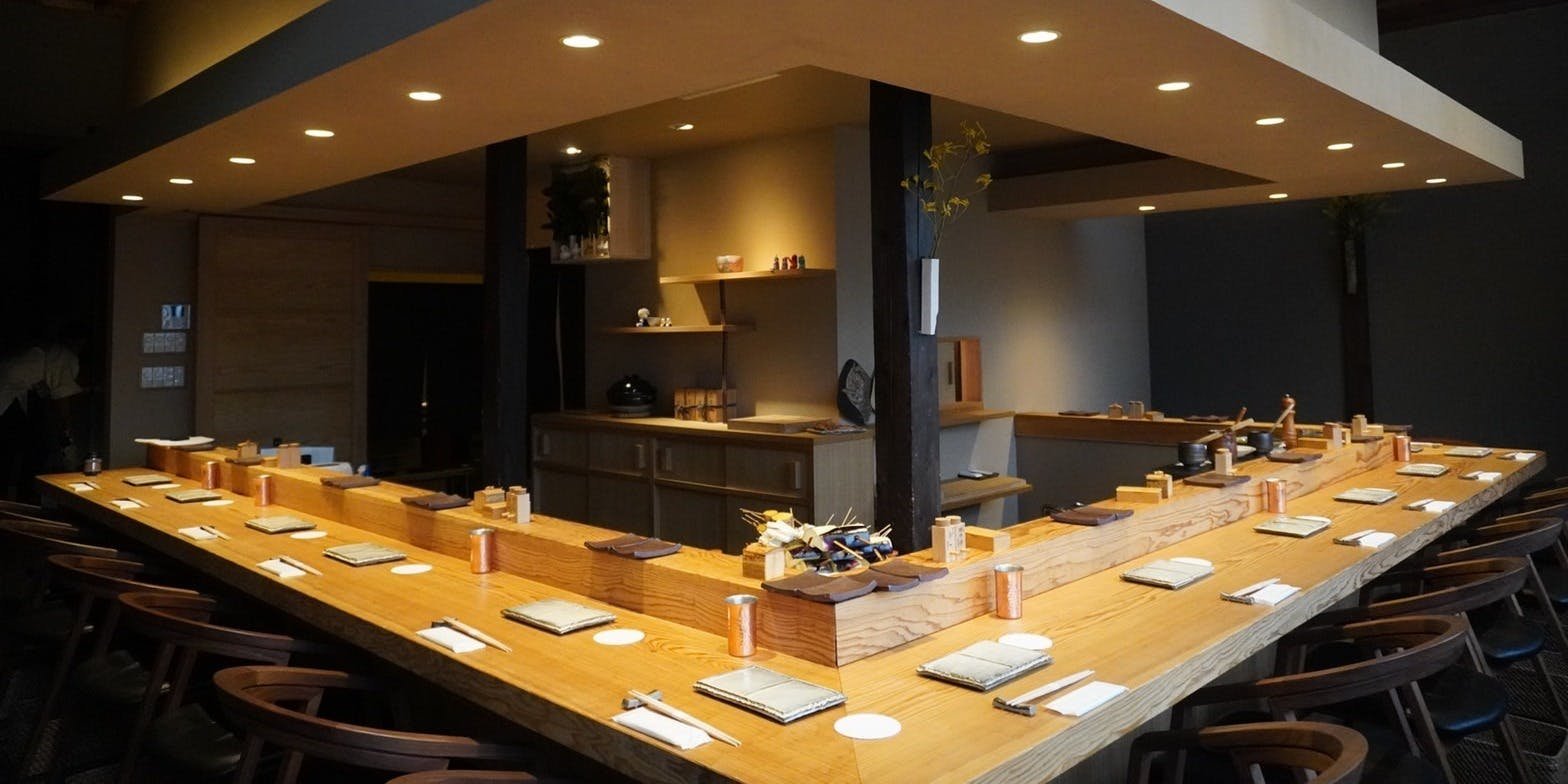
A Counter at the Edge of Kyushu's Sushi Map
Hitoyoshi sits roughly two hours south of Kumamoto City by train, a small inland city better known for its onsen culture and the Kuma River than for fine dining. That context matters. Japan's high-end sushi scene clusters predictably in Tokyo, Osaka, and Kyoto, where proximity to Tsukiji, Toyosu, and Osaka's Honmachi markets shapes what lands on the counter each morning. Places like Harutaka in Tokyo or Goh in Fukuoka operate within easy reach of those supply networks. Sushi Mimuro operates at a remove from all of that, inside what Tabelog classifies as a house restaurant on the edge of Hitoyoshi's Komaidamachi district. The eight-seat hinoki counter opens at noon and again at six, seven days a week, and the Tabelog score of 4.07 (with review-based averages pushing dinner spend toward JPY 15,000–19,999) places it inside a tier that requires real justification in any city, let alone one this far from Japan's sushi mainstream.
Tabelog's Sushi WEST rankings are a useful lens here. The list draws on reviewer consensus across western Japan's entire sushi category, and Mimuro's 2025 selection for the Tabelog Sushi WEST Top 100 alongside consecutive Bronze awards in 2025 and 2026 signals that its reputation has crossed prefectural borders. For comparison, the handful of Kumamoto city counters that reach similar recognition levels, including Murakami, Sushi Nakamura, and Sushi Taito, operate at dinner price points of JPY 20,000–29,999. Mimuro's listed dinner range of JPY 10,000–14,999 puts it in a notably different pricing bracket, which is either a function of operating costs outside the prefectural capital or a deliberate positioning that keeps the counter accessible to a local audience while still attracting visitors specifically seeking it out.
What the Sourcing Position Tells You
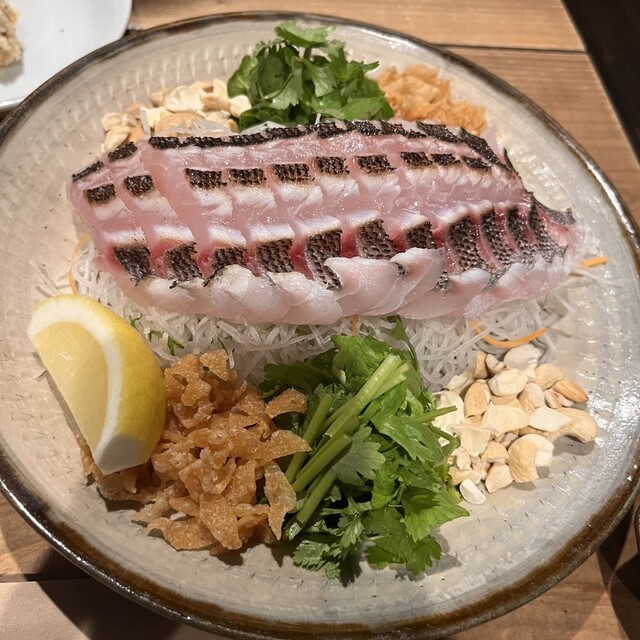
Kyushu's western coastline gives the island access to fish from the East China Sea and the Ariake Sea, both of which produce species and quality profiles distinct from the Pacific-facing waters that supply Tokyo's major tsukiji networks. The Ariake Sea in particular is a shallow, highly productive bay whose aquaculture and wild-catch output has shaped Kyushu's food culture for centuries. Hitoyoshi itself sits inland, fed by the Kuma River system, which means the counter here is drawing from a regional supply chain rather than having direct morning-dockside access. The Tabelog record flags the venue as having a particular focus on fish sourcing, which at this price and recognition level typically means established relationships with specific regional suppliers rather than daily Toyosu speculation.
That sourcing geography is worth holding in mind when comparing Mimuro to counters operating in Japan's larger cities. Operations like Atomix in New York City or Le Bernardin in New York City represent the endpoint of a global ingredient-sourcing model. Mimuro represents something structurally different: a small, fixed-format counter building its identity around the fish available within Kyushu's regional network. That is a narrower and, in some respects, more honest constraint.
The Counter Format and What It Demands of the Visitor
Eight seats, all counter, no private rooms. The format is standard for serious Japanese sushi at this level, but in a city the size of Hitoyoshi it concentrates a quality of hospitality and material sourcing that would ordinarily require traveling to a prefectural capital. The counter-only configuration means every seat has a direct sight line to the preparation surface, which is both part of the appeal and an implicit social contract: this is not a venue for a background meal. The parallel in Kumamoto's wider dining scene would be counters such as Sanroku, where format discipline is part of the product.
The venue has been operating since July 4, 2021, which gives it a relatively short operating history but enough time to accumulate the reviewer base that supports a 4.07 Tabelog score. For context, Tabelog scores above 4.0 are comparatively rare across the platform's full restaurant database; the vast majority of listed restaurants sit between 3.0 and 3.5. Scores in the 4.0–4.5 range typically indicate a venue that has generated strong, consistent positive responses across a meaningful number of reviews rather than a handful of highly enthusiastic early adopters.
The drinks list skews toward sake and shochu, both noted as areas of particular focus. Wine is available. This is consistent with the sourcing and format orientation: Kyushu has a strong shochu production tradition, and a counter this focused on regional fish sourcing is likely to pair those fish with locally produced spirits and nihonshu rather than imported wine. AMEX credit cards are accepted; electronic money and QR code payments are not currently supported.
Getting There and Planning the Visit
Hitoyoshi Onsen Station on the JR Hisatsu Line is the access point, with Mimuro located approximately 395 metres (roughly three minutes on foot) from the station. Travel time from Kumamoto City by train varies depending on the service, but the Kuma River express cuts the journey to around 90 minutes on certain connections. The more scenic Isaburo and Shinpei trains, which run through the mountain route, take longer but are a worthwhile approach if travel time is flexible. From further afield, accommodation options in Kumamoto make a logical base for a day trip, with the onsen hotels in Hitoyoshi itself the obvious in-town alternative for those wanting to combine the counter with a night in the thermal bath district.
The reservation-only policy is firm, and the cancellation terms carry a fee structure tied to how far in advance changes are requested. With eight seats and seven-day opening across two services daily, the counter runs more sessions than many comparable Japanese counters, but that does not translate to easy walk-in access; the recognition level means demand consistently outpaces availability. Booking ahead is non-negotiable, and the absence of an official website means reservations go through Tabelog or by phone (+81-966-23-3090). Lunch runs JPY 6,000–7,999 at the listed rate, with review-based averages suggesting actual spend lands closer to JPY 10,000–14,999 at that service too.
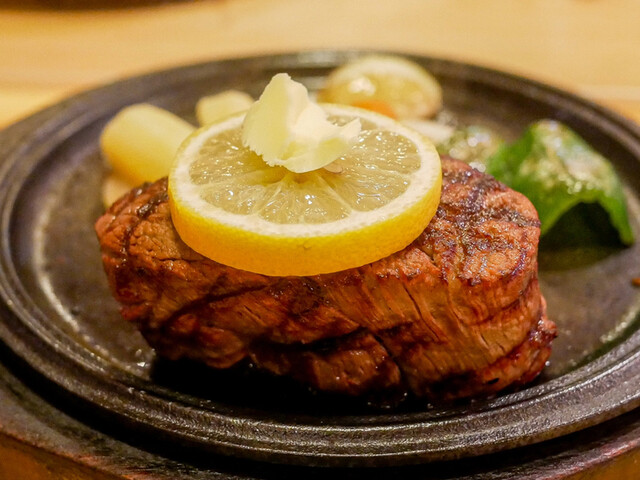
No parking is available at the venue. The house restaurant setting, a residential-scale building rather than a standalone commercial premises, means the approach on foot from the station is both the practical and the contextually appropriate way to arrive. For the wider Kumamoto dining scene beyond Hitoyoshi, see our full Kumamoto restaurants guide, Kumamoto bars guide, wineries guide, and experiences guide. For regional comparisons beyond Kyushu, the kaiseki tradition at Gion Sasaki in Kyoto and counter dining at akordu in Nara offer instructive contrasts in how Japan's smaller cities position serious food operations relative to their metropolitan equivalents. Within Osaka, HAJIME represents the opposite end of the format and investment spectrum. Also see 1000 in Yokohama for another regional counter worth tracking, and STEAK HOUSE Baron for an alternative direction within Kumamoto's own dining scene.
Comparison Snapshot
A short peer set to help you calibrate price, style, and recognition.
| Venue | Cuisine | Price | Awards | Notes |
|---|---|---|---|---|
| Mimuro | {"Year":"2026","Award Source":"Tabelog",… | This venue | ||
| Murakami | Sushi | JPY 20,000 - JPY 29,999 JPY 20,000 - JPY 29,999 View spending breakdown | Sushi, JPY 20,000 - JPY 29,999 JPY 20,000 - JPY 29,999 View spending breakdown | |
| Sanroku | ||||
| STEAK HOUSE Baron | ||||
| Sushi Nakamura | Sushi, Japanese Cuisine | JPY 20,000 - JPY 29,999 JPY 10,000 - JPY 14,999 | Sushi, Japanese Cuisine, JPY 20,000 - JPY 29,999 JPY 10,000 - JPY 14,999 | |
| Sushi Taito | Sushi | JPY 20,000 - JPY 29,999 JPY 10,000 - JPY 14,999 View spending breakdown | Sushi, JPY 20,000 - JPY 29,999 JPY 10,000 - JPY 14,999 View spending breakdown |
At a Glance
- Intimate
- Elegant
- Serene
- Minimalist
- Special Occasion
- Date Night
- Chefs Counter
- Sake Program
- Local Sourcing
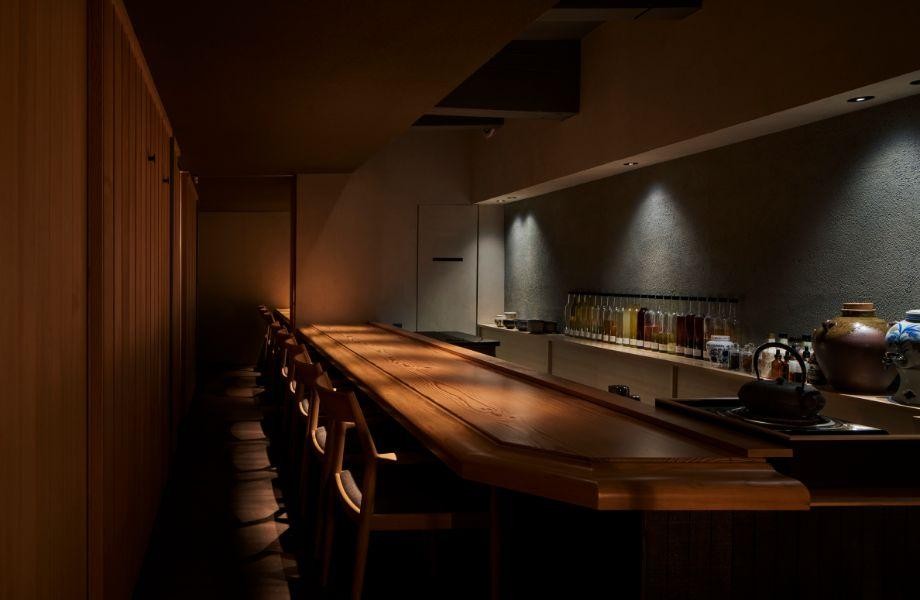
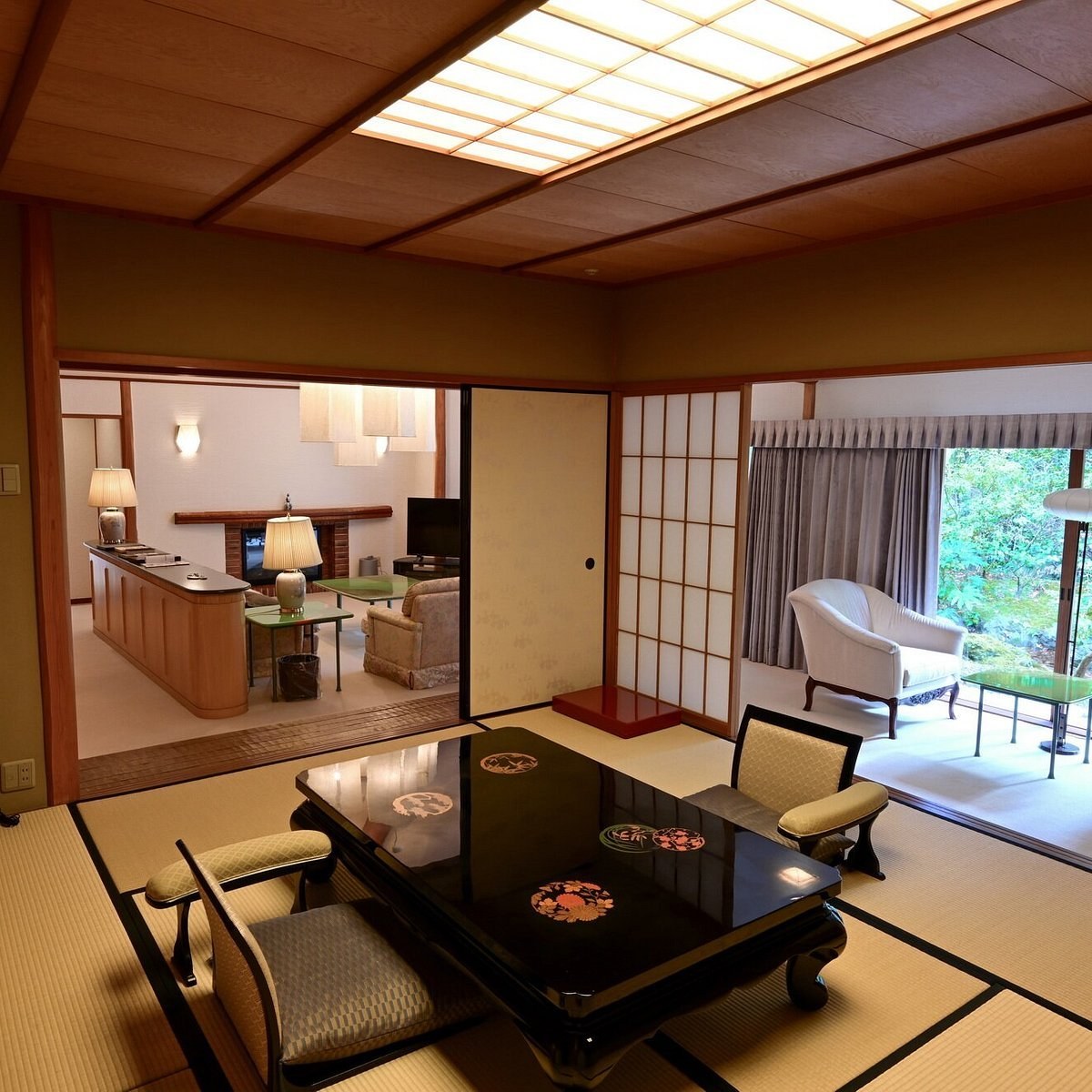
Warm, simple interior with natural wood elements, serene and intimate counter seating focused on the chef's craft.