Sushi Leblon

A Michelin Plate-recognised Japanese restaurant on Rua Dias Ferreira, Sushi Leblon sits in the heart of Rio's most refined dining corridor at mid-premium pricing.
Pearl is the En Primeur Club membership app — saves, bookings, and concierge access live there. Same editors, same standards.
- Address
- Rua Dias Ferreira, 256 - Leblon, Rio de Janeiro - RJ, 22431-050, Brazil
- Phone
- +55 21 2274-1342
- Website
- sushileblon.com
- Directions
- Get directions
 Saves & bookings on Pearl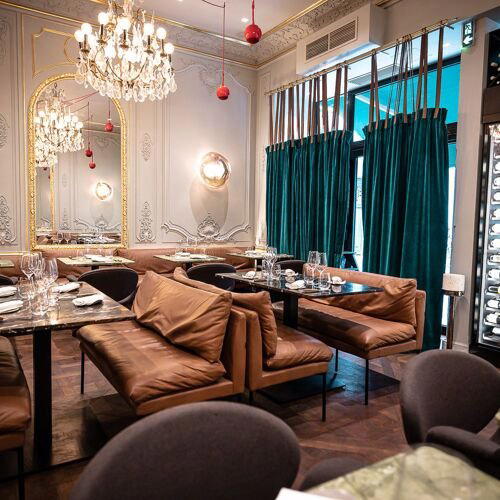
Japanese Precision on Rio's Most Competitive Restaurant Street
Rua Dias Ferreira runs through Leblon like a concentrated argument for why Rio de Janeiro deserves serious attention as a dining city. On a single block, you will find the kind of density, French kitchens, contemporary Brazilian tasting menus, Italian addresses, that elsewhere might span an entire neighbourhood. Within that context, Sushi Leblon's position on this street is not incidental. Japanese cuisine in Rio occupies a particular place in the city's food culture: Brazil holds one of the largest Japanese diaspora populations outside Japan, and that history has shaped a local sushi tradition that sits somewhere between Japanese orthodoxy and Brazilian adaptation. Sushi Leblon operates in the more disciplined end of that range.
What the Michelin Plate Signals About Pricing and Peer Position
Two consecutive Michelin Plate recognitions, in 2024 and then again in 2025, establish a clear quality floor without placing Sushi Leblon in the starred tier that commands the highest price premiums. That distinction matters when reading the value proposition here. At the $$$ price point, the restaurant sits below the $$$$ bracket occupied by Rio's tasting-menu destinations, Lasai, Oteque, and Oro each operate at that higher tier, while the Michelin recognition signals a standard above the casual end of the market. For a diner who wants acknowledged quality without committing to a full tasting-menu spend, that middle tier is exactly where the restaurant is positioned to deliver.
The comparison is instructive. In cities with deep Japanese dining cultures, Tokyo's Michelin Plate addresses, for instance, such as Myojaku or Azabu Kadowaki, the Plate designation often marks venues with clear technical competence and consistent sourcing that have not yet reached, or chosen not to pursue, the full starred apparatus. The same logic applies in Rio: consecutive Plate recognition across two Michelin cycles indicates the kitchen is not coasting on neighbourhood reputation but is being held to an external standard.
The Leblon Setting and Its Crowd
Leblon itself carries a specific social register in Rio. The neighbourhood sits west of Ipanema, separated from it by the Jardim de Alah canal, and tends to draw a quieter, more residential affluence than the tourist-heavy stretch further along the coast. Dining on Rua Dias Ferreira skews local and repeat rather than transient. For a Japanese restaurant operating in a city where the cuisine carries both deep cultural roots and refined expectations, maintaining that score at scale suggests the kitchen is managing consistency rather than relying on novelty.
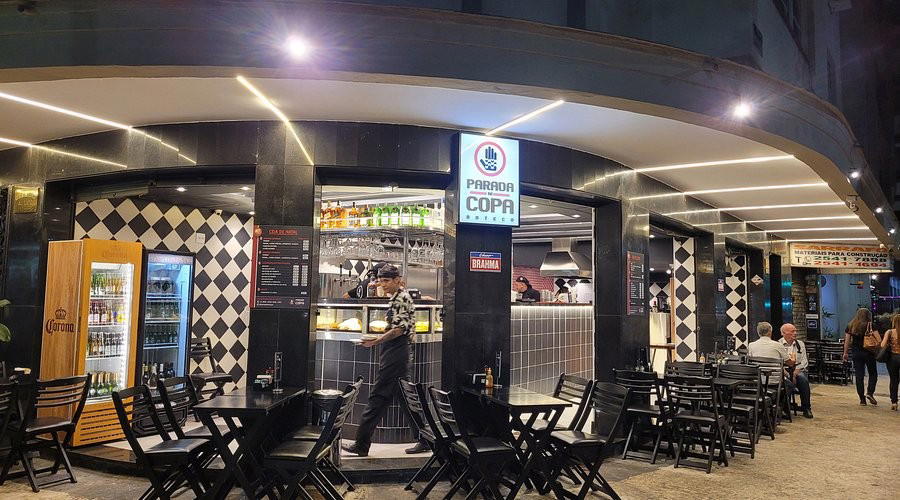
The physical experience of arriving on Rua Dias Ferreira in the evening has its own texture. The street activates early by European standards, Rio's dinner culture tends toward later starts, but Leblon's residential character means the street fills with a mix of after-work groups and couples rather than the louder bar-adjacent crowds you encounter closer to Ipanema's busier corners. Sushi, by its nature, rewards a calmer room: the precision of the form is better appreciated when you can hear the details rather than compete with a soundtrack.
Rio's Japanese Dining Tier: Where Sushi Leblon Sits
Rio's Japanese restaurant scene spans a wider range than visitors often expect. At the upper end, omakase-format counters have emerged as the format of choice for those seeking the closest approximation to a Tokyo-style experience, San Omakase represents that more exclusive tier, with small capacity and a counter format that prices at the higher end of the market. At the more casual end, sushi bars like Haru Sushi Bar operate with broader accessibility. The restaurant occupies the middle ground: recognised formally by Michelin, operating at a price point that does not require the planning of a special-occasion commitment, and drawing the kind of repeat local clientele that is usually one reliable indicator of a kitchen's actual consistency.
That positioning is increasingly where the value in any city's Japanese dining scene concentrates. The omakase tier asks for significant advance booking, fixed menus, and prices that commit you to an experience before you know whether the room, the pacing, or the particular night's sourcing will align with your expectations. The $$$ Michelin Plate tier lets you make that calibration more freely, arrive, order with judgment, leave with a clear sense of what the kitchen can do.
Planning a Visit
The restaurant sits at Rua Dias Ferreira, 256 in Leblon. The street has enough dining density that arriving slightly early and walking the block before your table is a reasonable approach to understanding the neighbourhood's current character.
Price and Recognition
Comparable venues nearby, for context on price, style, and recognition.
| Venue | Cuisine | Price | Awards |
|---|---|---|---|
| Sushi LeblonThis venue — the venue you are viewing | Leblon, Modern Japanese Sushi | $$$ | Michelin Plate |
| Spicy Fish | Ipanema, Japanese-Korean Fusion Sushi | $$$$ | Michelin Plate |
| Haru Sushi Bar | Copacabana, Japanese Sushi & Omakase | $$$ | Michelin Plate |
| Henriqueta | Leblon, Portuguese Tasca | $$$ | Michelin Plate |
| Gurumê | Leblon, Contemporary Japanese Fusion | $$$ | Not listed |
| Escama | Jardim Botânico, Modern Seafood | $$$ | Michelin Plate |
Recognition history
Dated appearances from independent guides and award organizations, with the underlying list record or original source where available.
Michelin Plate
Michelin
Michelin Plate
Michelin
Michelin Plate
Michelin
Continue exploring
More in Rio de Janeiro
Restaurants in Rio de Janeiro
Browse all →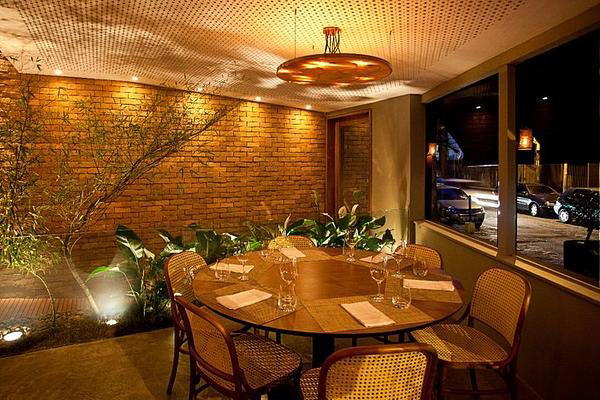
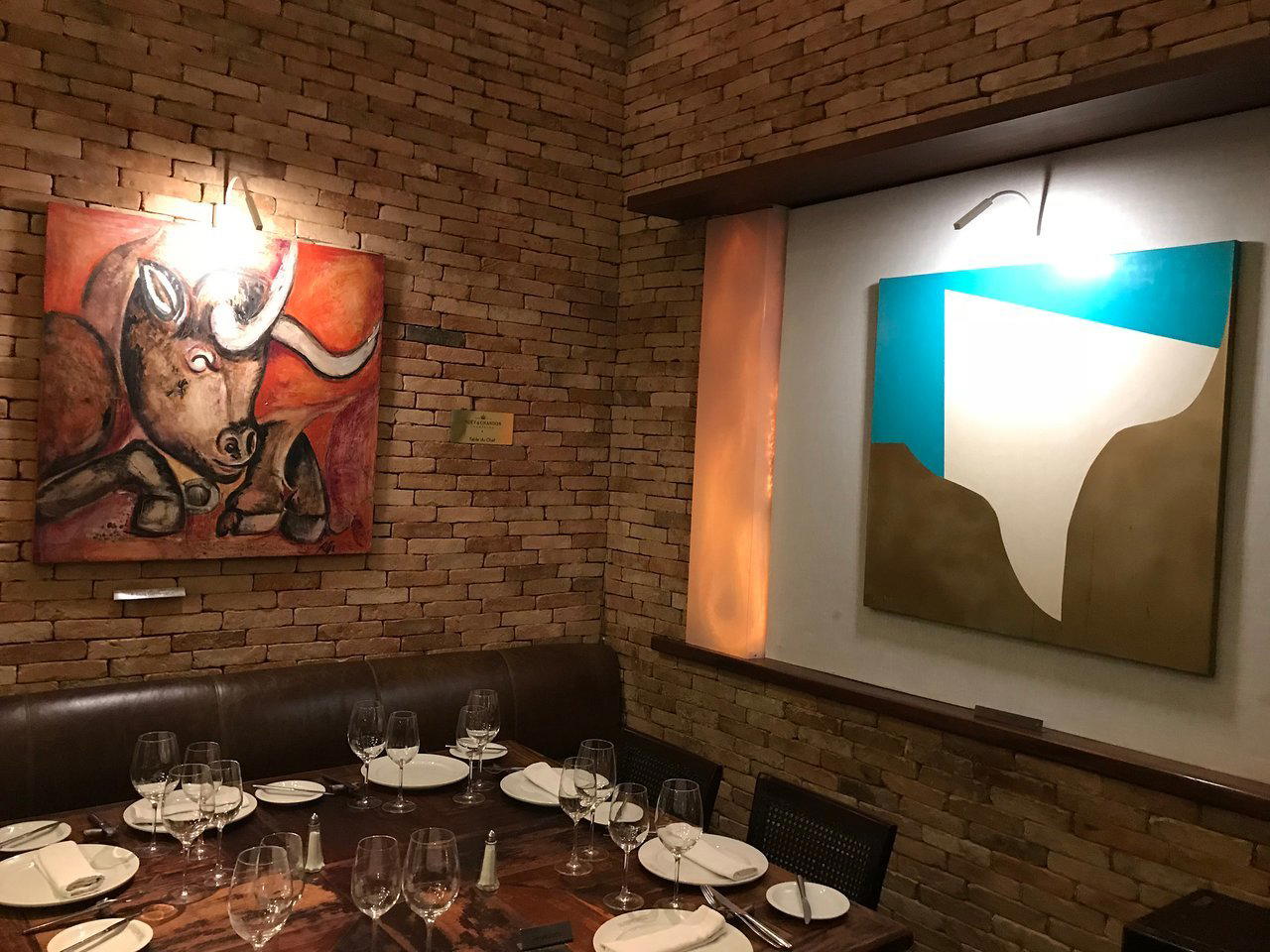
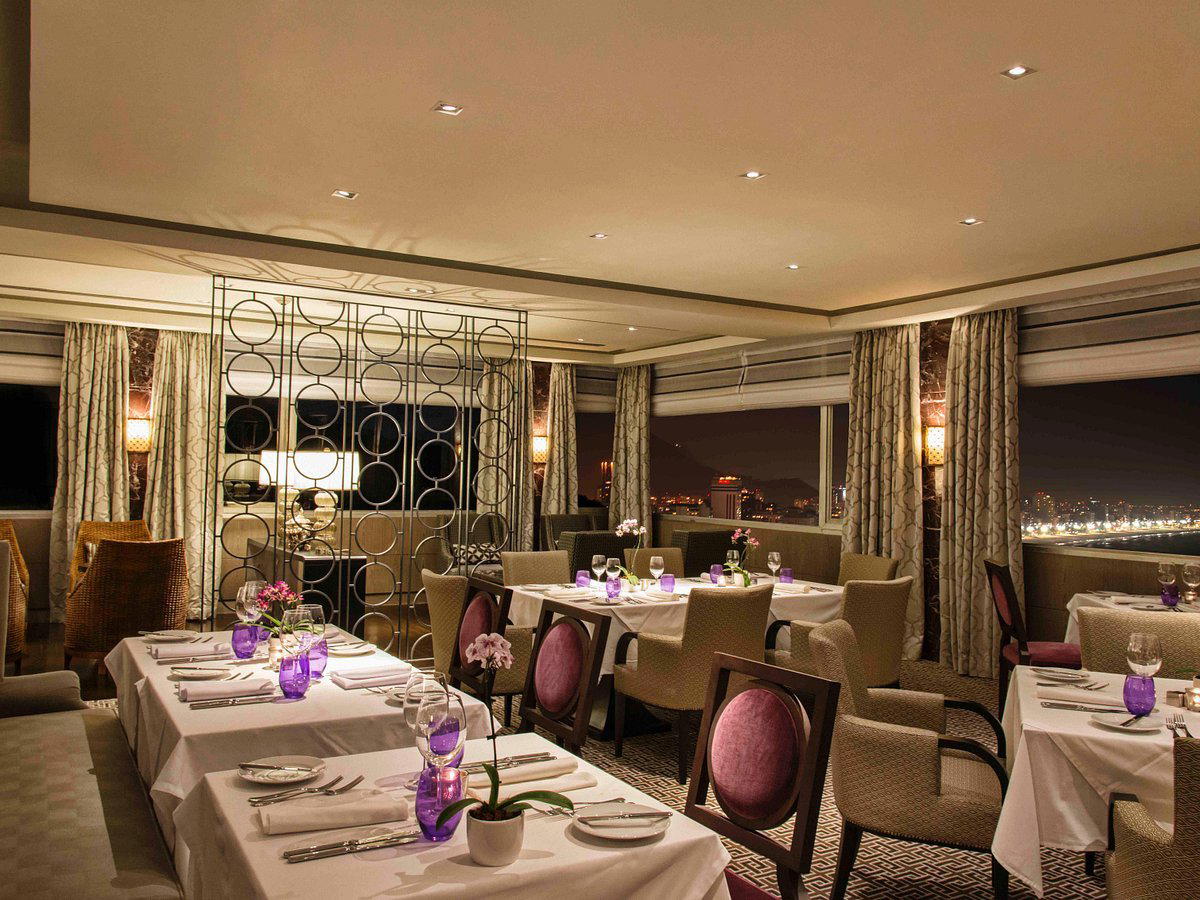
Bars in Rio de Janeiro
Browse all →

At a Glance
- Trendy
- Lively
- Intimate
- Modern
- Date Night
- Special Occasion
- Open Kitchen
- Craft Cocktails
- Sake Program
Current opening hours
- Monday
- 12–4 PM, 6 PM–12 AM
- Tuesday
- 12 PM–12 AM
- Wednesday
- 12 PM–12 AM
- Thursday
- 12–4 PM, 6 PM–12 AM
- Friday
- 12 PM–1 AM
- Saturday
- 12 PM–1:30 AM
- Sunday
- 12 PM–12 AM
Hours can change for holidays and private events. Last verified .
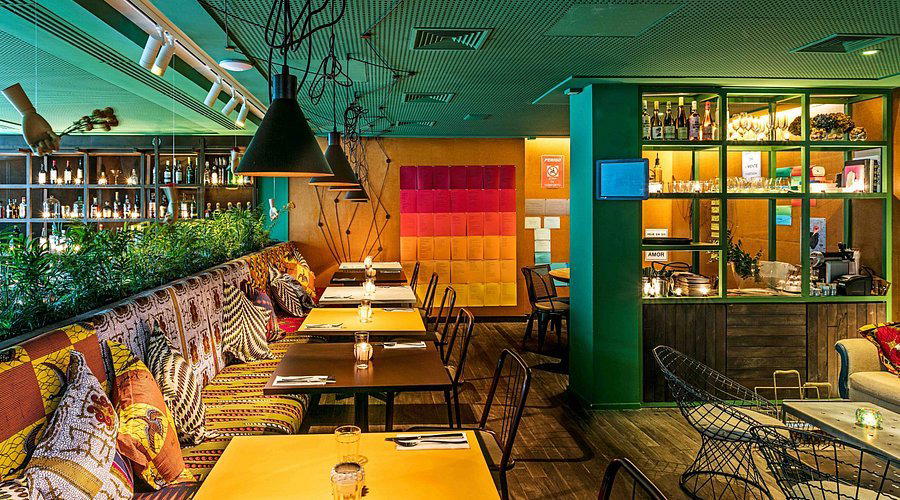
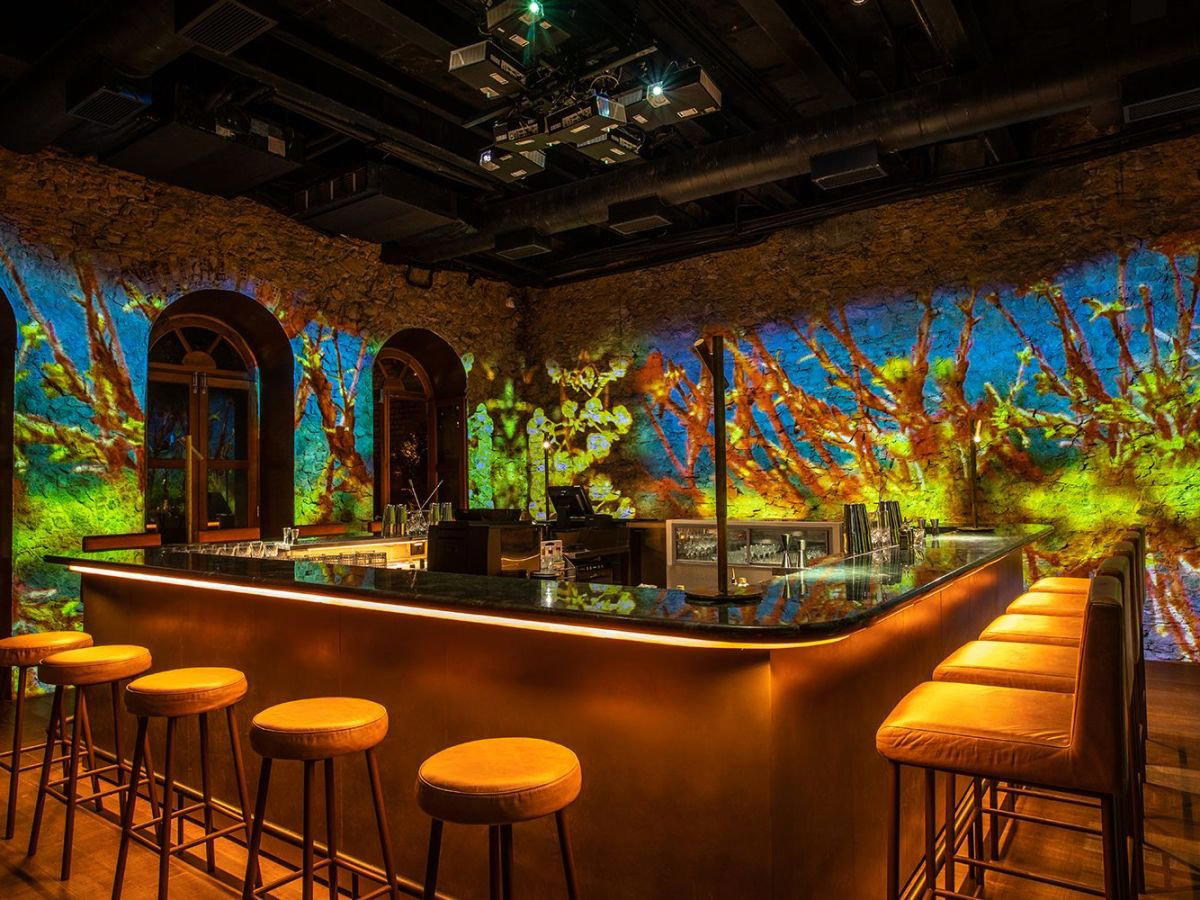
Intimate space with dark tones, wood decor, lively and cool vibe, cozy indoor seating, charming veranda, and eye-catching aquarium.