

In Gramado's compact dining scene, Primrose represents the more serious end of Brazilian contemporary cooking, pairing French and Italian technique with a wine list of 515 selections and 1,825 bottles in inventory. Chef Fernando Becker leads the kitchen through lunch and dinner service, with Wine Director Celso Masson and Sommelier Rodrigo Costa Alves managing among the more considered cellars in the Serra Gaúcha region.
Pearl is the En Primeur Club membership app — saves, bookings, and concierge access live there. Same editors, same standards.
- Address
- R. das Flôres, 171 - Centro, Gramado - RS, 95670-000, Brazil
- Phone
- +55 54 98156-3433
- Website
- primroserestaurante.com.br
- Directions
- Get directions
 Saves & bookings on Pearl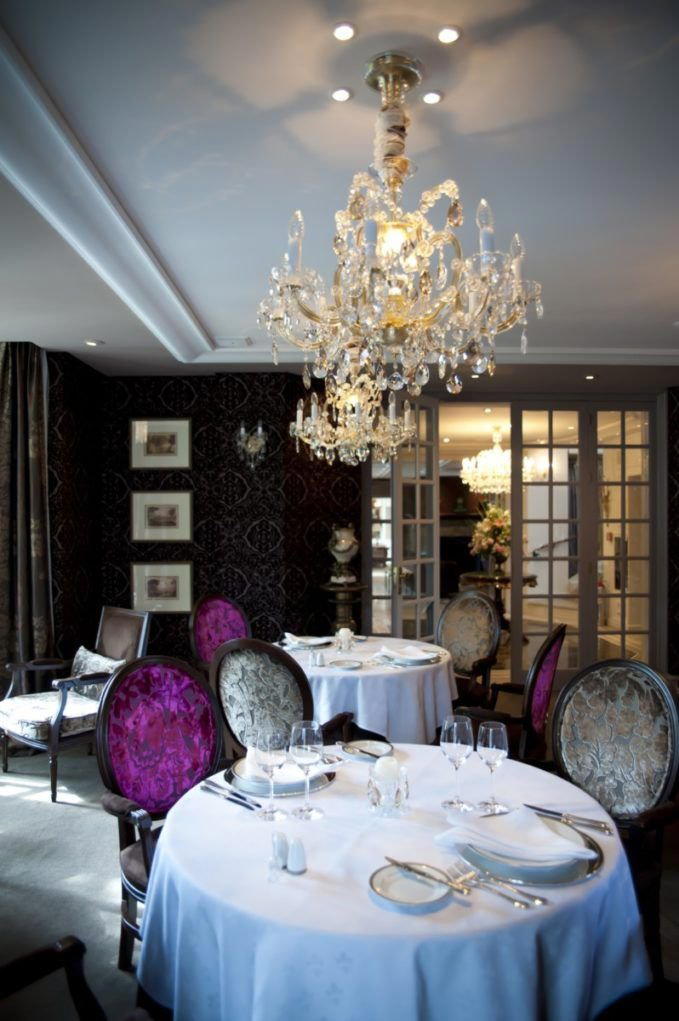
Where Gramado's Mountain Air Meets the Plate
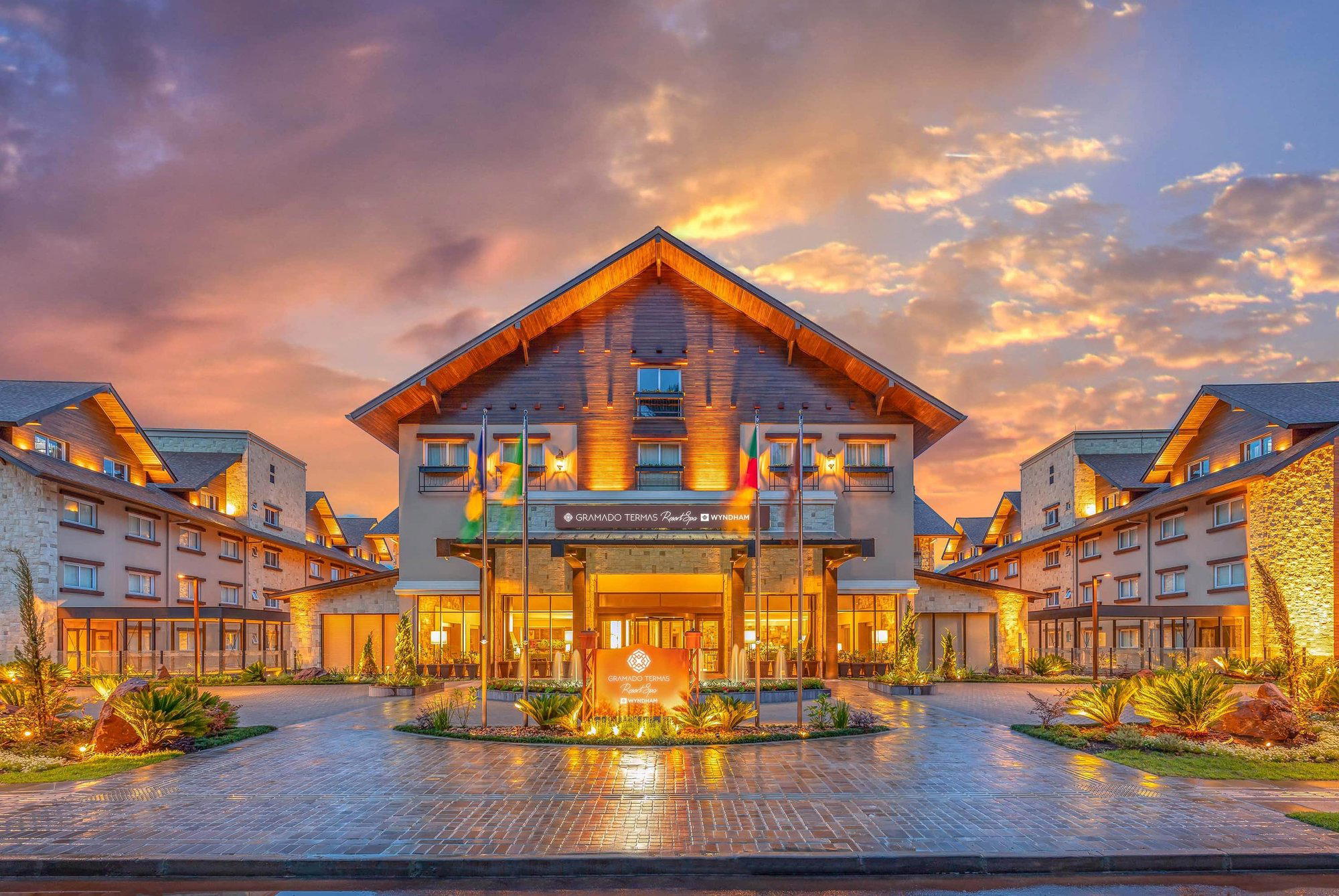
Gramado sits in the Serra Gaúcha highlands of Rio Grande do Sul, a region more commonly associated with fondue restaurants and European-themed Christmas markets than with serious contemporary cooking. That context matters when assessing Primrose, located on Rua das Flôres in the Centro district. The address places it inside the town's most walkable corridor, where the architecture leans German-Swiss and the tourist traffic is relentless through the cooler months. Against that backdrop, Primrose operates at a different register, a room where the cooking draws on French and Italian foundations and the wine program would hold its own in cities with far larger dining scenes.
The Serra Gaúcha has long been Brazil's most credible wine country, with Italian immigrant families having planted vineyards in the region since the late nineteenth century. That local wine heritage gives a restaurant like Primrose a natural anchor: the cellar here isn't aspirational in the way a São Paulo or Rio wine list might be, reaching toward international prestige. It reflects the actual terrain the region occupies. Understanding that distinction is the first thing to grasp before sitting down.
French and Italian Technique in a Brazilian Mountain Town
The kitchen at Primrose works across French and Italian traditions under Chef Whitney Caceres, with the broader designation of Brazilian Contemporary framing how those European techniques get inflected by local ingredients and regional identity. This is a pattern that runs through the stronger end of Brazilian restaurant cooking: the country's most compelling contemporary kitchens, from Lasai in Rio de Janeiro to Manu in Curitiba, use classical training as scaffolding rather than destination. The European reference points provide structure; the Brazilian identity provides the actual content.
Within that framework, the editorial angle worth holding onto is ingredient fidelity. Brazilian contemporary cooking at its most serious pays close attention to where ingredients come from and how foundational preparations are handled. The Serra Gaúcha's agricultural output is genuinely distinct: altitude, rainfall patterns, and the Italian farming legacy combine to produce vegetables, dairy, and grains that differ meaningfully from what kitchens in the coastal cities receive. A kitchen working in Gramado with real intention will use that rather than approximate it with imported substitutes. The regional positioning gives it something those urban kitchens don't have: proximity to its own source material.
For comparable mountain-town contemporary cooking in Brazil, Mina in Campos do Jordão offers a useful reference point, similar altitude-driven ingredient logic, similarly European-inflected technique, similarly serious wine programming. The differences lie in scale and culinary tradition: Gramado's Italian immigrant roots give Primrose's Italian technique a degree of local coherence that a kitchen working in pure abstraction wouldn't have.
The Wine Program: 515 Selections, Serra Gaúcha Logic
The wine list is especially documentable strength here. With 515 selections and 1,825 bottles in inventory, this is a program that exceeds what most restaurants in cities of Gramado's size would manage. The pricing sits at the $$$ tier, a commitment to serious wine that aligns with the culinary price point of a fine-dining meal.
The list's geographic strengths are Brazil, Chile, Italy, and Spain. That's a considered quartet: Brazilian wines from the local Serra Gaúcha producers; Chilean selections that provide South American depth at various price points; Italian wines that resonate with the regional food heritage and match the French-Italian kitchen direction; Spanish bottles that round out the Iberian peninsula and add stylistic range. Wine Director Celso Masson and Sommelier Rodrigo Costa Alves manage the program, which means there are two dedicated professionals with defined roles overseeing the cellar, a staffing structure more typical of restaurants operating at a tier above Gramado's usual standard.
For context, the wine programs at references like Le Bernardin in New York City or Alain Ducasse at Louis XV in Monte Carlo operate at a fundamentally different scale, with international resources that a regional Brazilian restaurant cannot replicate. The more honest comparison is with ambitious mid-tier programs in cities like Curitiba or Porto Alegre, where a 500-selection list with dedicated sommelier coverage represents genuine commitment rather than routine.
Positioning in Gramado's Dining Tier
Gramado's restaurant scene is dominated by comfort-food European-influenced cooking aimed at domestic Brazilian tourists: raclette, fondue, traditional German cuts, and the kind of hearty fare that fits the town's Alpine-aesthetic identity. Contemporary serious cooking is a thinner layer of the market. Castelo Saint Andrews in Vale do Bosque operates in the more theatrical end of the local scene; Primrose sits at the technically focused end. The difference matters for the reader deciding where to invest a dinner in a short visit.
The price structure is not unusual for this kind of operation, the kitchen keeps the food accessible relative to a metropolitan fine-dining benchmark, while the cellar is where the price point rises for guests who want to drink well. Compared to Brazilian restaurants operating at the $$$$ tier, such as Lasai or Evvai, Primrose is not positioning for the same audience. It is positioning for the Gramado visitor who wants genuine culinary seriousness without the full price commitment of a destination tasting menu.
For the broader picture of where Gramado fits into Brazil's contemporary restaurant map, see our full Gramado restaurants guide. Elsewhere in the city, bars, hotels, wineries, and experiences fill out a visit that pairs well with the culinary ambitions Primrose represents at the table. Further afield in Brazil's contemporary scene, kitchens like Orixás North in Itacaré illustrate how regional Brazilian identity can anchor a serious contemporary program in a tourist-oriented town, a parallel worth drawing when situating what Primrose is attempting in its own market.
Planning Your Visit
Primrose serves lunch and dinner, placing it on Rua das Flôres 171 in Gramado's Centro. The dual wine leadership of Celso Masson and Rodrigo Costa Alves means table-side wine guidance is available if you engage the staff, with 515 selections, asking for a pairing recommendation grounded in the local and Italian categories is one direct way to use the list rather than default to familiar labels. General Manager Eliana Ribeiro oversees operations, and Owner Guilherme Paulus brings a hospitality background that gives the restaurant a professional structure less common in a town where family-run casual dining dominates.
Comparable Spots, Quickly
Comparable venues nearby, for context on price, style, and recognition.
| Venue | Cuisine | Price | Notes |
|---|---|---|---|
| PrimroseThis venue — the venue you are viewing | Franco-Italian Fine Dining | $$$$ | Not listed |
| Castelo Saint Andrews - Gramado | Modern French Fine Dining | $$$$ | Vale do Bosque, Bairro Belverede |
| Charco | Modern Brazilian with South American and Asian influences | $$$ | Jardim Paulista |
| Restaurante Le Tuá | French with Italian Passion | $$$$ | Centro |
| Lobby Café | Brazilian Café | $$ | Belem |
| BUTTELLINHO RESTAURANTE | Brazilian and Italian | $$ | São Luis |
Recognition history
Dated appearances from independent guides and award organizations, with the underlying list record or original source where available.
Relais Chateaux Award
Relais Chateaux
Wine Spectator Best of Award of Excellence
Wine Spectator
Wine Spectator Best of Award of Excellence
Wine Spectator




At a Glance
- Romantic
- Elegant
- Intimate
- Sophisticated
- Cozy
- Date Night
- Special Occasion
- Hotel Restaurant
- Extensive Wine List
- Organic
- Local Sourcing
Current opening hours
- Monday
- 12:30–3 PM, 7:30–11 PM
- Tuesday
- 12:30–3 PM, 7:30–11 PM
- Wednesday
- 12:30–3 PM, 7:30–11 PM
- Thursday
- 12:30–3 PM, 7:30–11 PM
- Friday
- 12:30–3 PM, 7:30–11 PM
- Saturday
- 12:30–3 PM, 7:30–11 PM
- Sunday
- 12:30–3 PM, 7:30–11 PM
Hours can change for holidays and private events. Last verified .
Intimate and refined atmosphere with individually lit tables by Czech crystal chandeliers, creating a private and elegant setting ideal for couples.