Haru Sushi Bar

Michelin Plate
Our verdict
A Michelin Plate-recognised Japanese counter on Rua Raimundo Corrêa in Copacabana, Haru Sushi Bar sits at the accessible end of Rio's growing Japanese dining scene without sacrificing kitchen credibility. Two consecutive Michelin Plate awards (2024 and 2025),400 reviews suggest a neighbourhood restaurant that consistently punches beyond its price bracket.

Pearl is the En Primeur Club membership app — saves, bookings, and concierge access live there. Same editors, same standards.
- Address
- R. Raimundo Corrêa, 10 - Copacabana, Rio de Janeiro - RJ, 22040-042, Brazil
- Phone
- +55 21 96732-2668
- Hours
- Mon ClosedTue–Sat 12–4 PM, 6–11:30 PMSun Closed
- Website
- haruichiban.com.br
- Directions
- Get directions
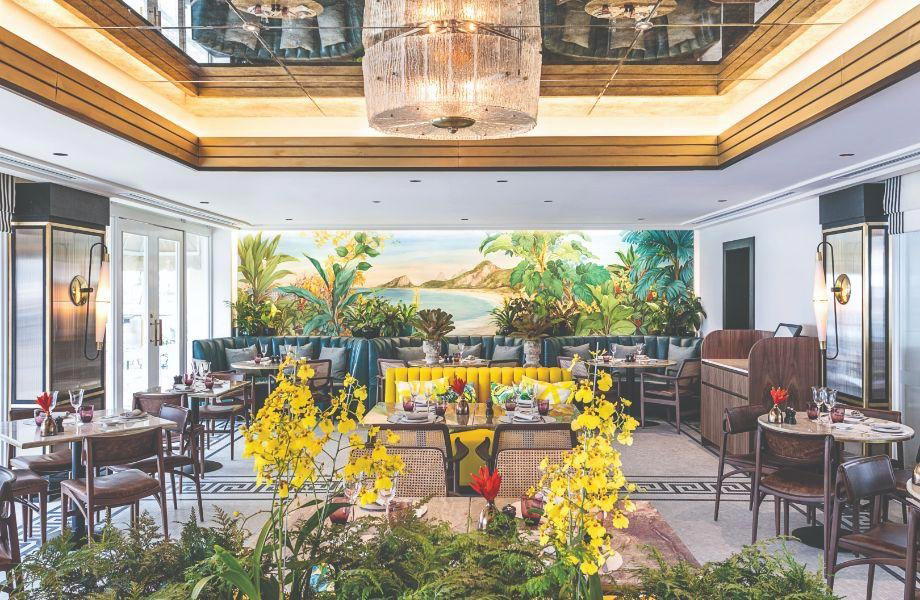
Japanese Precision on a Copacabana Side Street
Copacabana's dining identity is shaped by proximity and density: the neighbourhood feeds a permanent resident population, a hotel corridor, and a beachfront tourist economy all at once. Most of its restaurants pitch to that broad middle — serviceable, familiar, priced for volume. Japanese food, specifically, has a long and serious presence in Rio de Janeiro, built on Brazil's position as home to one of the largest Japanese diaspora communities outside Japan. That demographic legacy has produced a restaurant culture where sushi literacy runs deep and expectations are calibrated accordingly. Haru Sushi Bar, on Rua Raimundo Corrêa, sits inside that tradition rather than at its fringe.
The address places it a short walk from the main Copacabana drag, on a quieter residential stretch that filters out casual foot traffic. Restaurants that hold their ground on streets like this do so through neighbourhood loyalty and word of mouth, not passing trade.
What a Michelin Plate Means in This Context
The Michelin Guide's Plate designation, awarded to Haru in both 2024 and 2025, marks a restaurant serving food that Michelin inspectors consider worth noting, without the starred recognition reserved for cooking that represents a distinct point of view or technical achievement. In Rio's Japanese dining tier, that distinction matters for positioning. At the starred end, San Omakase operates in a different format and price register entirely. Sushi Leblon, in the more affluent Leblon neighbourhood, anchors a wealthier clientele. Haru's Plate recognition at a single-dollar price point positions it as the entry in the Michelin-acknowledged tier that is actually accessible to a broader dining public.
Consecutive Plate awards across 2024 and 2025 also suggest stability rather than a kitchen in flux. Michelin revisits and the absence of downward movement over two cycles signals that whatever the kitchen is doing, it is doing it consistently. For a neighbourhood sushi bar, that consistency is the product, not a seasonal tasting menu or a signature omakase arc, but the reliable execution of Japanese technique at a price point that Rio's sushi-literate residents return to regularly.
Copacabana and the Geography of Rio Dining
Understanding where Haru sits geographically helps frame what it offers. Rio's fine-dining concentration has shifted markedly toward the Zona Sul neighbourhoods of Leblon, Ipanema, and the Jardim Botânico corridor, where the starred and high-tasting-menu restaurants cluster. Lasai and Oro, both carrying two Michelin stars, operate in that zone. Oteque, with one Michelin star, is also in the Botafogo-adjacent stretch of that corridor. The price points at those addresses reflect their neighbourhood and format: all four tiers above Haru in price.
Copacabana's Michelin-acknowledged dining is thinner and more scattered. In that context, a Plate-recognised Japanese counter on Rua Raimundo Corrêa carries genuine neighbourhood significance. It represents what the Michelin Plate is designed to signal: cooking worth a detour, not merely convenient to wherever you happen to be staying.
For visitors based in Copacabana hotel accommodation, and the neighbourhood's hotel density remains among Rio's highest, Haru offers a proximity argument that the Leblon and Ipanema options cannot. For residents, it functions as the kind of reliable neighbourhood anchor that most carioca bairros cannot claim at this standard.
Brazilian Japanese Dining: A National Context
Japanese cuisine across Brazil occupies a different position than in most Western markets. The Liberdade neighbourhood in São Paulo has functioned as the symbolic centre of Japanese-Brazilian culture for decades, and the cooking traditions that developed there, absorbing local ingredients and techniques over generations, produced a hybrid that is now widely considered its own culinary category. D.O.M. in São Paulo represents the Michelin-starred apex of Brazilian cuisine more broadly, but Japanese-Brazilian cooking exists in a parallel track with its own logic and vocabulary.
Rio's Japanese dining scene draws on that broader national culture while adapting to a city where seafood quality is defined by Atlantic access rather than Pacific imports. The fish cycling through Rio's Japanese kitchens reflects local waters alongside more travelled ingredients. That context matters when reading the category: Japanese food in Brazil is not approximating Japan so much as occupying a distinct regional tradition with its own internal standards and expectations.
For a wider read on where Japanese dining in Rio sits relative to the city's other serious kitchens, the EP Club Rio de Janeiro restaurants guide maps the full picture, from starred tasting menus to neighbourhood institutions. Elsewhere in Brazil, the Michelin-tracked dining scenes in Salvador, Curitiba, and Campos do Jordão offer comparisons to how regional Brazilian kitchens are developing outside Rio and São Paulo. Orixás North in Itacaré and Castelo Saint Andrews in Gramado fill out that national picture further. For Japanese dining benchmarks at the highest level, Myojaku and Azabu Kadowaki in Tokyo represent the reference tier against which Brazilian Japanese kitchens are sometimes measured by returning travellers.
Planning Your Visit
Frequently asked questions
What awards or recognition does Haru Sushi Bar have?
Haru Sushi Bar has received recognition including: Michelin Plate (2025); Michelin Plate (2024).
What should I order at Haru Sushi Bar?
Current menu specifics change with availability and season, so the most reliable approach is to ask the kitchen what is freshest that day. What the Michelin Plate recognition in 2024 and 2025 does confirm is that inspectors found the cooking consistently worth eating across multiple visits, which points to a kitchen with reliable output rather than a single standout dish.
What should I budget for a meal at Haru Sushi Bar?
Pricing at Haru Sushi Bar is listed as $.
How hard is it to get a table at Haru Sushi Bar?
Haru operates at the single-dollar price tier, which keeps demand broad and turnover reasonably active. That said, consecutive Michelin Plate awards across 2024 and 2025 have raised its profile beyond the immediate neighbourhood, so arriving without a reservation on weekends carries more risk than it once did. Calling ahead is the practical move.
What makes Haru Sushi Bar worth seeking out?
Two consecutive Michelin Plate awards position Haru among a small group of Japanese restaurants in Rio that have cleared the threshold of inspector-level scrutiny, and the single-dollar price point makes it one of the most accessible entries in that set. For a city where credentialed Japanese dining often sits behind a much higher cover charge, that combination on a quiet Copacabana side street is a meaningful data point.
Budget Reality Check
| Venue | Cuisine | Price | Awards | Notes |
|---|---|---|---|---|
| Haru Sushi BarThis venue — the venue you are viewing | Japanese Sushi & Omakase | $50–100 | Michelin Plate | Not listed |
| Lasai | Modern Brazilian Fine Dining | Not listed | 2 Michelin Stars · World's 50 Best #28 | Regional Brazilian, Modern Cuisine |
| Oteque | Modern Seafood Fine Dining | $100–150 | 1 Michelin Star · World's 50 Best #38 | Modern Brazilian, Modern Cuisine |
| Oro | Brazilian Vanguard Fine Dining | Not listed | 2 Michelin Stars · La Liste Top Restaurants | Contemporary Italian, Brazilian, Modern Italian |
| Lilia | Modern Brazilian Creative | $20–30 | Michelin Plate | Not listed |
| Casa 201 | Modern French with Brazilian Ingredients | $150–200 | 1 Michelin Star | French |
Recognition history
Dated appearances from independent guides and award organizations, with the underlying list record or original source where available.
Michelin Plate
Michelin
Full recognition history (3 entries)
Michelin Plate
Michelin
Michelin Plate
Michelin
Continue exploring
More in Rio de Janeiro
Restaurants in Rio de Janeiro
Browse all →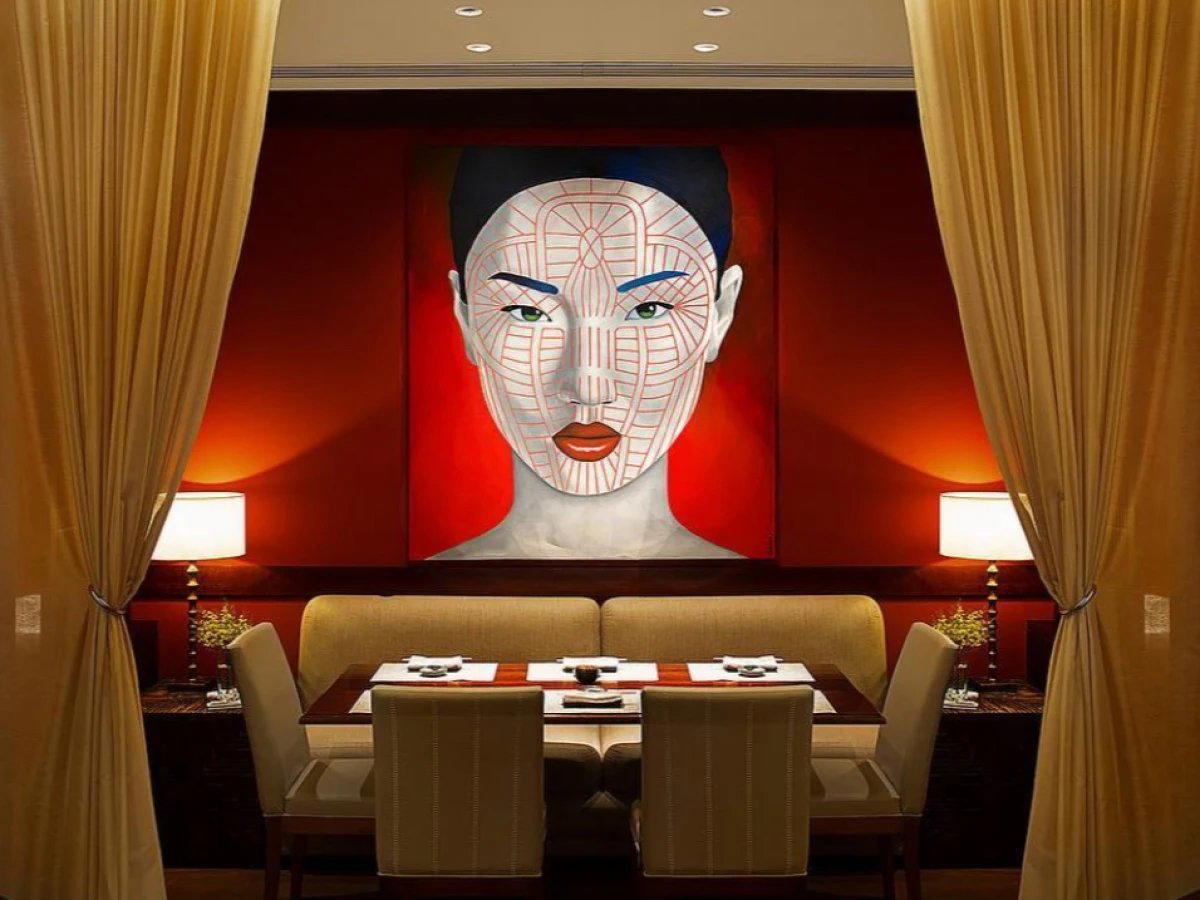
Bars in Rio de Janeiro
Browse all →

Details
- Intimate
- Elegant
- Cozy
- Sophisticated
- Date Night
- Special Occasion
- Open Kitchen
- Sake Program
- Craft Cocktails
- Omakase
- A La Carte
- Sake
- Cocktails
- Pescatarian Friendly
Current opening hours
- Monday
- Closed
- Tuesday
- 12–4 PM, 6–11:30 PM
- Wednesday
- 12–4 PM, 6–11:30 PM
- Thursday
- 12–4 PM, 6–11:30 PM
- Friday
- 12–4 PM, 6–11:30 PM
- Saturday
- 12–4 PM, 6–11:30 PM
- Sunday
- Closed
Hours can change for holidays and private events. Last verified .
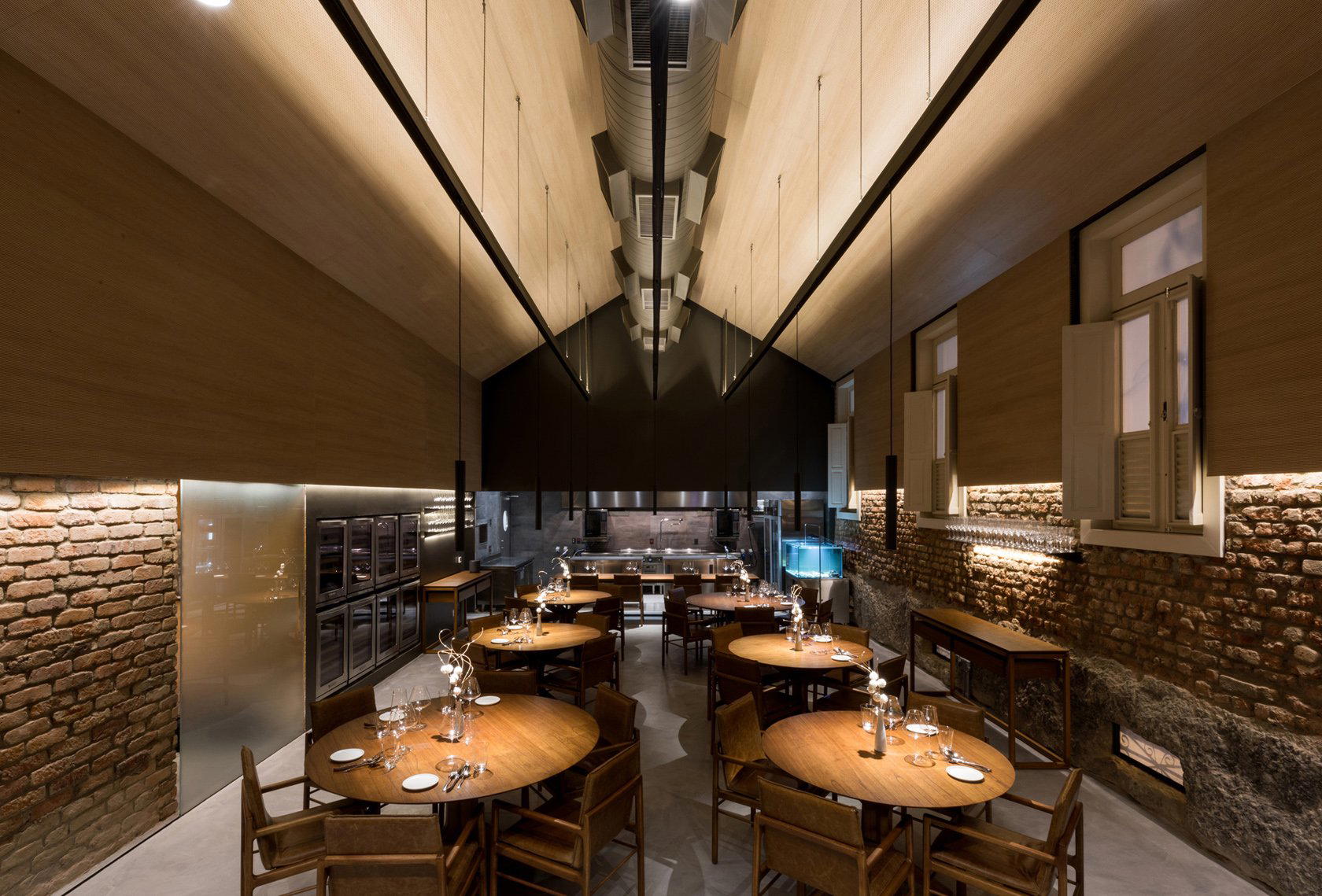
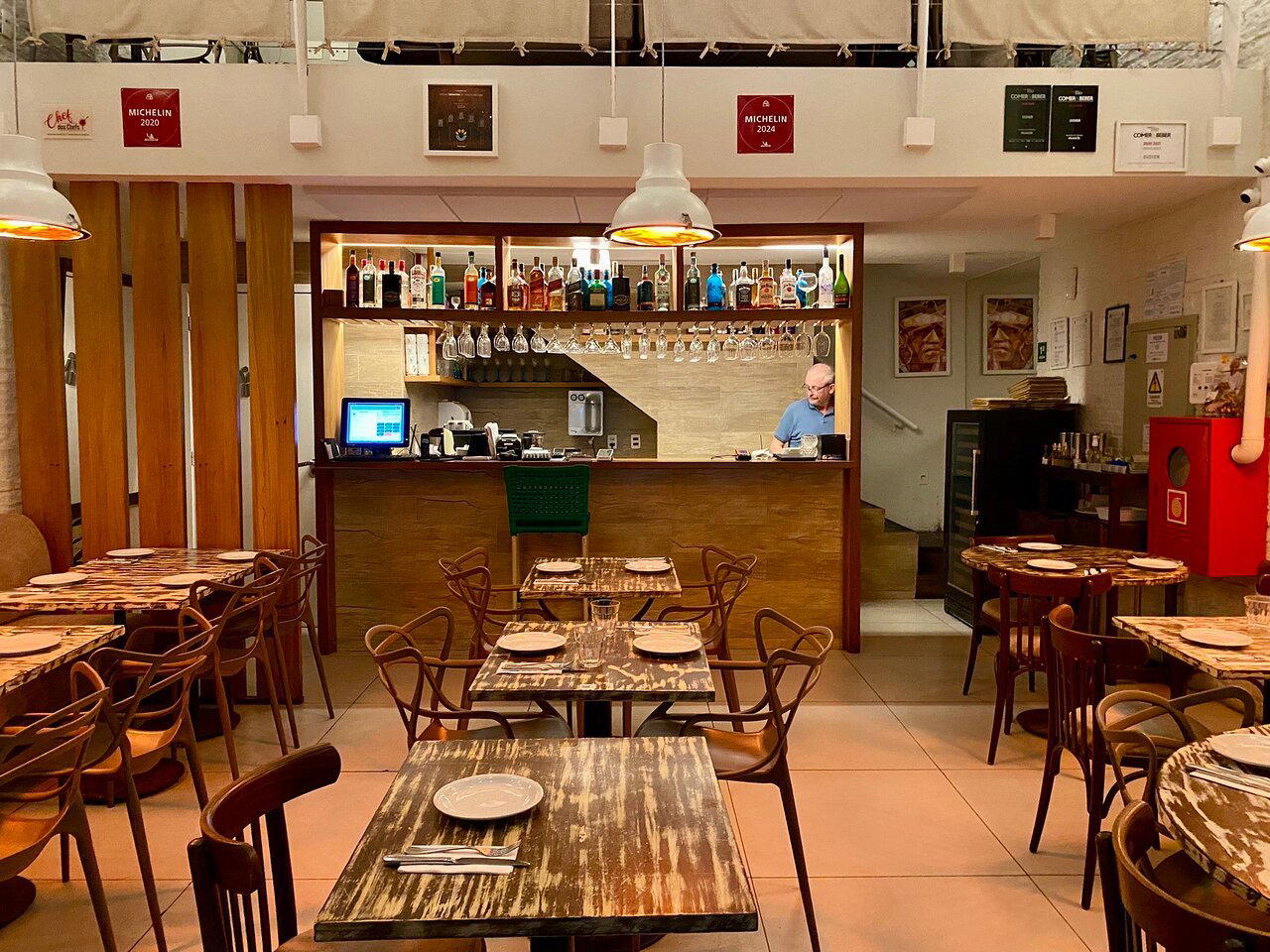
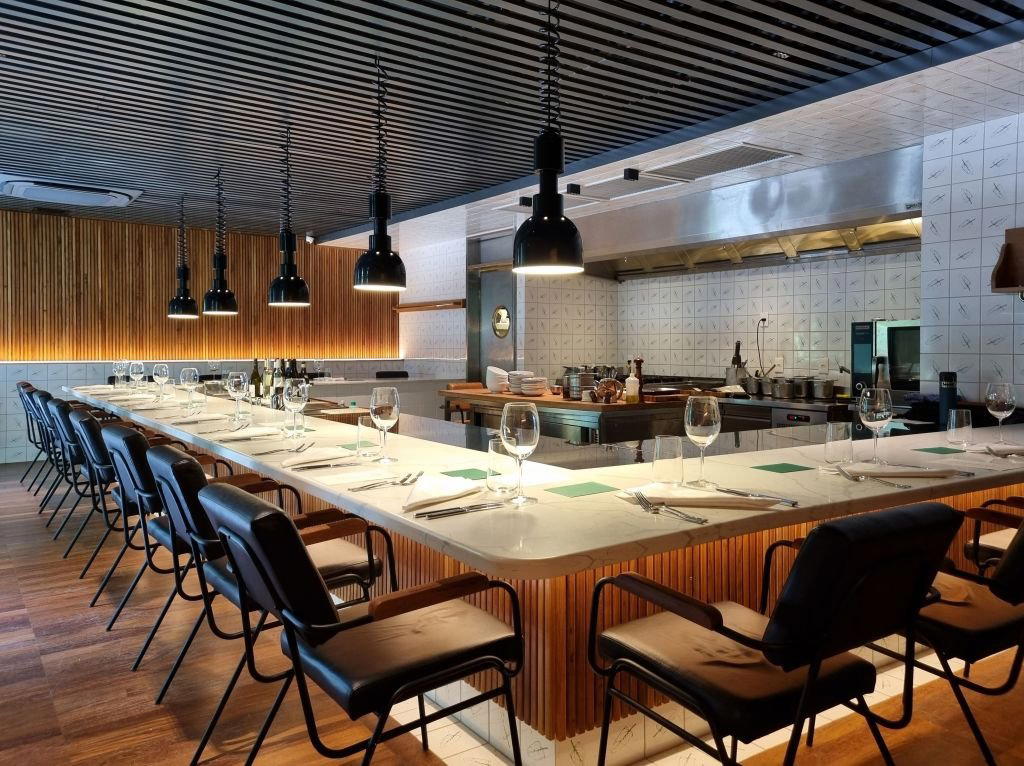
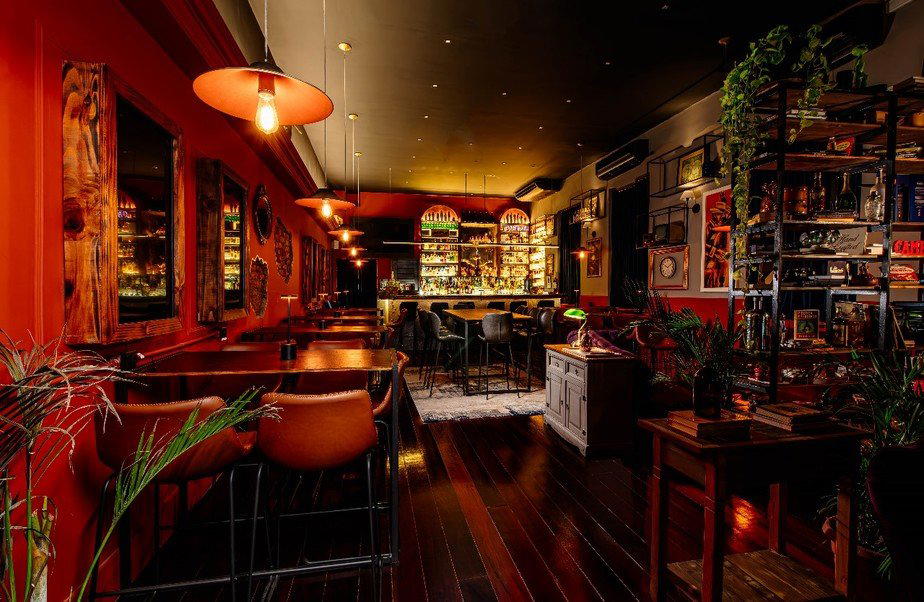
Intimate and elegant with stylish Japanese-inspired interiors featuring wood elements, cozy lighting, and an open counter view of chefs at work.