Lilia

Michelin Plate
Our verdict
Lilia brings an Italian-Brazilian kitchen to Centro, Rio de Janeiro, earning consecutive Michelin Plates in 2024 and 2025 and holding,700 reviews. Operating under the name of chef Missy Robbins, the mid-price restaurant runs evenings daily from Rua do Senado and fits neatly into Rio's growing tier of accessible, award-acknowledged dining.

Pearl is the En Primeur Club membership app — saves, bookings, and concierge access live there. Same editors, same standards.
- Address
- R. do Senado, 45 - Centro, Rio de Janeiro - RJ, 20231-005, Brazil
- Phone
- +55 21 98777-5660
- Hours
- Mon–Fri 11:30 AM–3 PM, 7:30–10:30 PMSat 12–4 PM, 8–10:30 PMSun Closed
- Website
- instagram.com
- Directions
- Get directions
- Booking
- Book on the venue's website
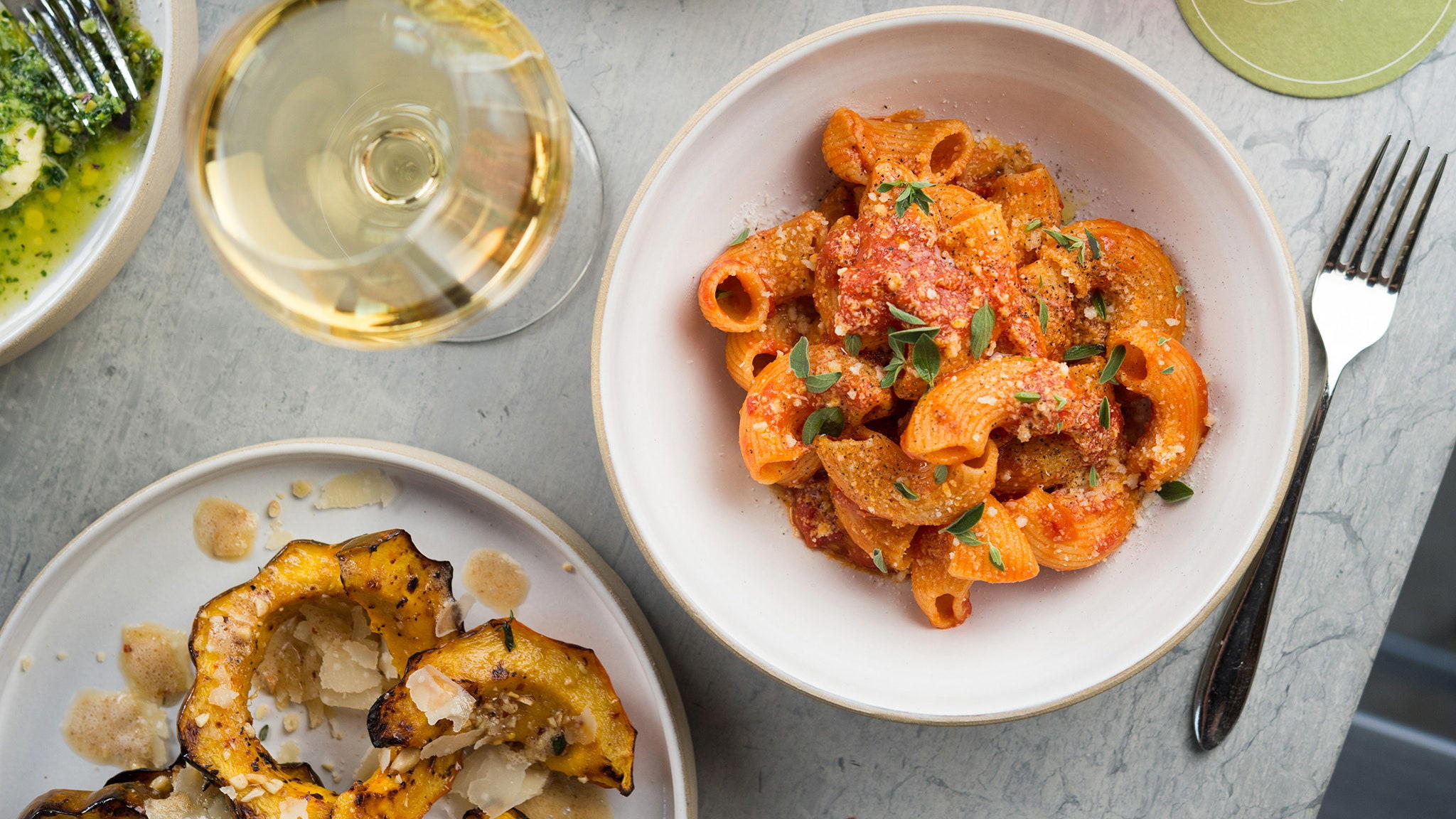
Centro After Dark: What Lilia Rio de Janeiro Says About the Neighbourhood
Rua do Senado sits inside Centro, Rio's commercial and administrative core, a district that empties after office hours in most cities but has been quietly accumulating evening-worthy restaurants over the past decade. The street-level approach here is unglamorous by design: colonial-era facades, uneven pavements, the low hum of a neighbourhood returning to itself after business hours. That context matters when reading Lilia Rio de Janeiro, because the restaurant's address is itself a positioning statement. It is not in Ipanema or Leblon, where tables fill on tourist inertia alone. Centro demands a deliberate dinner decision, and the clientele that arrives at R. do Senado, 45 reflects that.
The Italian-Brazilian Axis: A Competitive Frame
Rio's Italian dining tier has historically split between old-guard formality and a newer wave of kitchens using Italian technique as a starting point rather than an endpoint. Cipriani At the other extreme, Oro — classified as Contemporary Italian, Brazilian and also $$$$ — works the border between the two national traditions with the formality of a tasting-menu format. Lilia operates in a different register entirely: mid-price ($$), Italian-Brazilian in classification, and evening-only, which places it closer to the neighbourhood trattoria end of the spectrum than to the special-occasion counter.
That $$ positioning is worth pausing on. In a city where the most-discussed Italian and Brazilian restaurants tend to cluster at $$$$, a Michelin Plate-holding kitchen at mid-price occupies a smaller and arguably more useful niche for the regular diner. The Michelin Plate, awarded consecutively in 2024 and 2025, signals that inspectors found the cooking worth attention without elevating it into the starred bracket that would pressure prices upward. It is a designation that tends to track kitchens doing honest work at accessible entry points.
Chef Missy Robbins: The Credential in Context
The name attached to Lilia is American, and that is worth noting as editorial context rather than biography. Missy Robbins built her reputation in Brooklyn, where Lilia (New York) became one of the more discussed Italian-American pasta-focused restaurants of the mid-2010s. The Rio de Janeiro iteration carries the same name, which imports a specific set of associations: an emphasis on handmade pasta, Italian structure applied with some American informality, and a kitchen identity rooted in ingredients rather than ceremony. How that translates to a Brazilian context, where local produce, regional flavour references, and a different pantry logic apply, is the interesting editorial question. The Italian-Brazilian classification suggests the kitchen is working that tension rather than ignoring it, which puts it in conversation with places like Evvai in São Paulo, where Italian training meets Brazilian ingredient logic at a high-attention level.
For comparison across Brazil's broader creative dining tier, Lasai and Oteque represent what Rio's modern Brazilian kitchens look like at $$$$ formality. Lilia sits below that register in price and atmosphere, though its consecutive Michelin Plates confirm it is operating with some seriousness of purpose.
Booking Lilia: What to Know Before You Go
The editorial angle on Lilia is partly a booking story, because the restaurant's positioning creates a specific planning profile. No booking method is confirmed in available data, which means walk-in possibility exists alongside reservation channels, but for a Michelin Plate-acknowledged address with nearly 1,700 public reviews, arriving without a plan on a Friday or Saturday carries risk. The operational hours give a useful planning frame: Monday through Thursday, service runs 5 to 9:30 pm, while Friday, Saturday, and Sunday open an hour earlier at 4 pm. That extended weekend window is more generous than many comparably-rated kitchens in Rio, and the 4 pm start makes early-evening dining viable before Centro quiets entirely.
The address, R. do Senado, 45, Centro, is accessible by metro (Uruguaiana station is the closest practical option on the Linha 1 orange line) and by ride-share from any of the Zona Sul neighbourhoods, with journeys from Ipanema typically running 20 to 30 minutes depending on traffic. Centro's weekday parking is constrained; weekend arrival by car is more manageable. The Casa 201 French kitchen is also operating in the broader Centro dining orbit, which suggests the neighbourhood has enough critical mass for a double-header dinner plan if the itinerary allows.
Where Lilia Sits in Rio's Mid-Price Italian Conversation
Italian cooking in Brazil carries demographic weight that it does not always carry elsewhere: significant Italian immigration waves into São Paulo and southern Brazil across the late 19th and early 20th centuries created a durable domestic Italian-Brazilian culinary tradition. That tradition, gaucho-inflected in the south, more urban and adapted in Rio, means the Michelin Plate designation at a mid-price Italian-Brazilian address is not a novelty play. It is a signal that the kitchen is doing something meaningful within a category that Brazilian diners know well and hold to a reasonably high standard.
For context on how Italian-inflected dining reads across Brazil's regions, Primrose in Gramado and Castelo Saint Andrews in Gramado's Vale do Bosque show how the southern Brazilian Italian heritage takes on different character in the Serra Gaúcha. Mina in Campos do Jordão operates in a different highland register again. Lilia's Rio placement puts it in a city where Italian dining has less historic infrastructure than in São Paulo or the south, which may actually give a kitchen more interpretive latitude rather than less.
For those building a wider Rio itinerary, the full picture of the city's dining, hotel, bar, and experience offerings is covered across EP Club's dedicated guides: Rio de Janeiro restaurants, hotels, bars, wineries, and experiences. Beyond Rio, Manga in Salvador and Orixás North in Itacaré chart what serious regional Brazilian cooking looks like in the northeast, while Le Bernardin and Atomix in New York City represent the kind of sustained critical recognition that Lilia's own namesake origin city produces.
Frequently asked questions
When is Lilia open?
Hours at Lilia: Hours: Monday 5–9:30 pm Tuesday 5–9:30 pm Wednesday 5–9:30 pm Thursday 5–9:30 pm Friday 4–9:30 pm Saturday 4–9:30 pm Sunday 4–9:30 pm.
What's the pricing like at Lilia?
Pricing at Lilia is listed as $$.
Is Lilia Michelin-listed?
Lilia has received recognition including: Michelin Plate (2025); Michelin Plate (2024).
What should I order at Lilia?
Lilia holds a Michelin Plate for both 2024 and 2025, recognising a kitchen that works at the intersection of Italian technique and Brazilian ingredients — so the strongest choices are likely where those two traditions converge on the plate. Because the restaurant operates at a mid-price point ($$), the menu is accessible enough to order widely rather than selectively.
Where exactly is Lilia?
Lilia is located at R. do Senado, 45 - Centro, Rio de Janeiro - RJ, 20231-005, Brazil, Rio de Janeiro.
Who is the chef or culinary lead at Lilia?
The chef associated with Lilia is Missy Robbins.
Pricing, Compared
| Venue | Cuisine | Price | Awards | Notes |
|---|---|---|---|---|
| LiliaThis venue — the venue you are viewing | Modern Brazilian Creative | $20–30 | Michelin Plate | Not listed |
| Lasai | Modern Brazilian Fine Dining | Not listed | 2 Michelin Stars · World's 50 Best #28 | Regional Brazilian, Modern Cuisine |
| Oteque | Modern Seafood Fine Dining | $100–150 | 1 Michelin Star · World's 50 Best #38 | Modern Brazilian, Modern Cuisine |
| Oro | Brazilian Vanguard Fine Dining | Not listed | 2 Michelin Stars · La Liste Top Restaurants | Contemporary Italian, Brazilian, Modern Italian |
| Casa 201 | Modern French with Brazilian Ingredients | $150–200 | 1 Michelin Star | French |
| Cipriani | Michelin-Starred Modern Italian | Not listed | 1 Michelin Star | Italian |
Recognition history
Dated appearances from independent guides and award organizations, with the underlying list record or original source where available.
Michelin Plate
Michelin
Full recognition history (3 entries)
Michelin Plate
Michelin
Michelin Plate
Michelin
Continue exploring
More in Rio de Janeiro
Restaurants in Rio de Janeiro
Browse all →
Bars in Rio de Janeiro
Browse all →

Details
- Modern
- Industrial
- Minimalist
- Date Night
- Special Occasion
- Open Kitchen
- Natural Wine
- Farm To Table
- Local Sourcing
- Tasting Menu
- A La Carte
- Set Menu
- Vegetarian Friendly
- Vegan Options
- Gluten Free Options
Current opening hours
- Monday
- 11:30 AM–3 PM, 7:30–10:30 PM
- Tuesday
- 11:30 AM–3 PM, 7:30–10:30 PM
- Wednesday
- 11:30 AM–3 PM, 7:30–10:30 PM
- Thursday
- 11:30 AM–3 PM, 7:30–10:30 PM
- Friday
- 11:30 AM–3 PM, 7:30–10:30 PM
- Saturday
- 12–4 PM, 8–10:30 PM
- Sunday
- Closed
Hours can change for holidays and private events. Last verified .
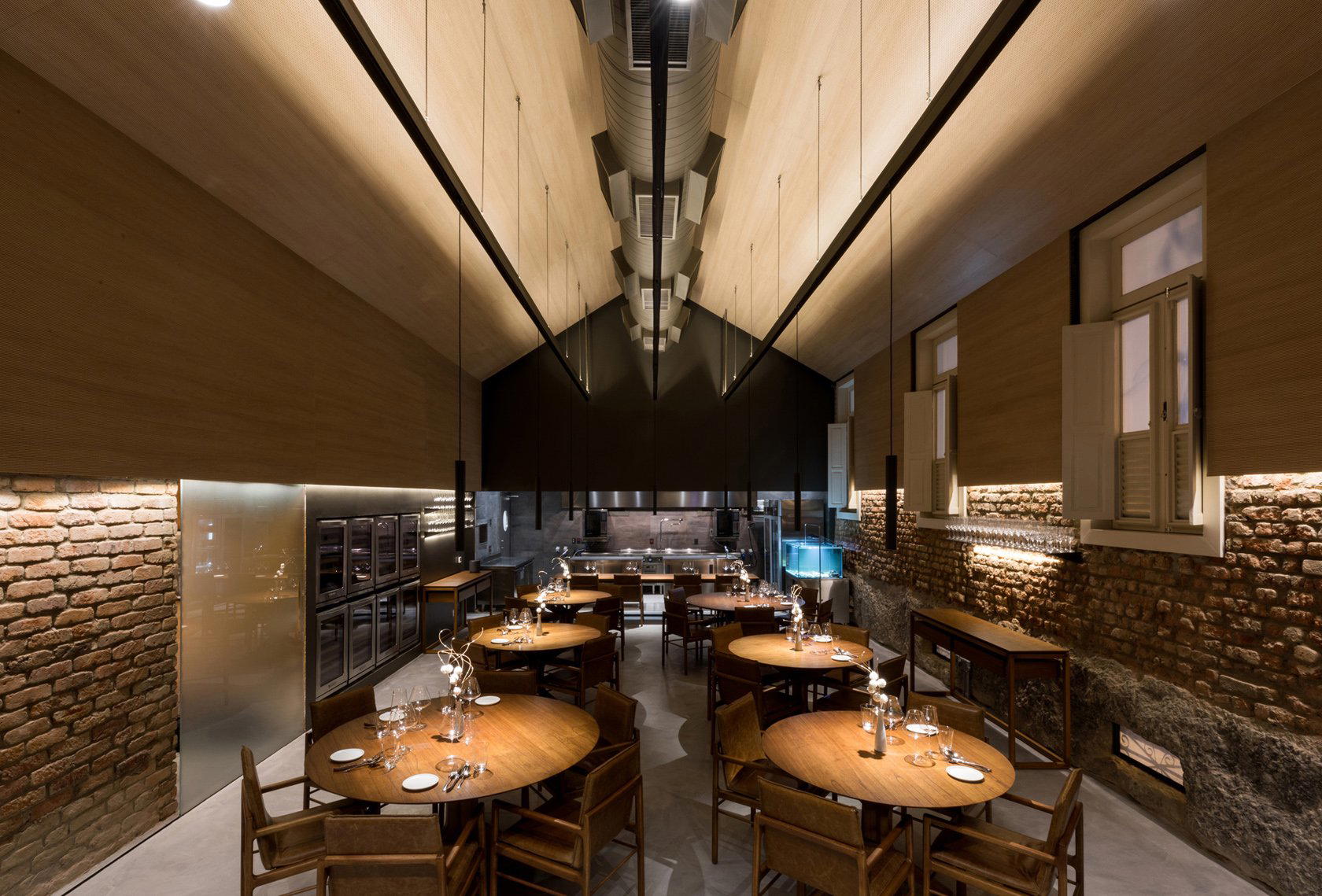
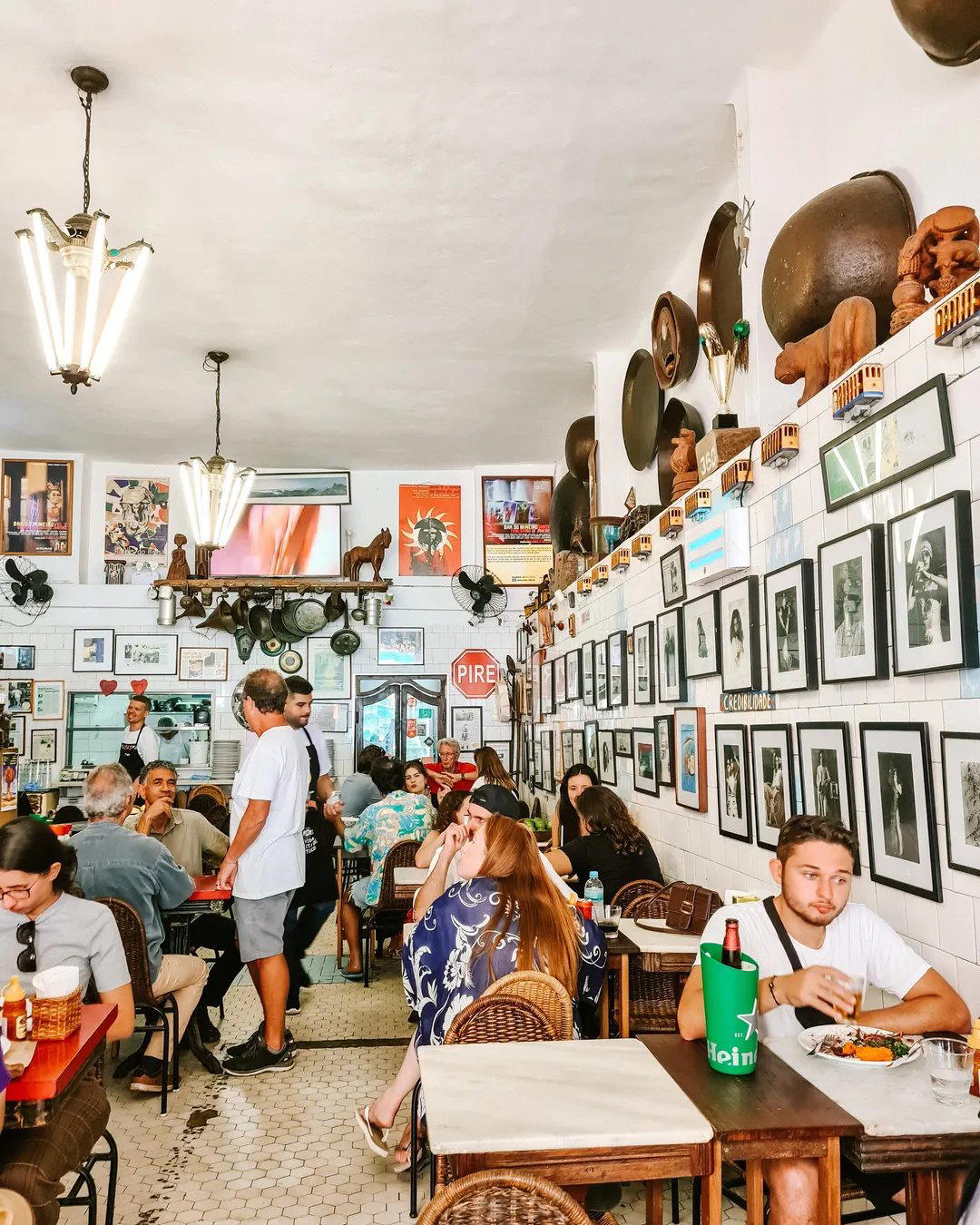
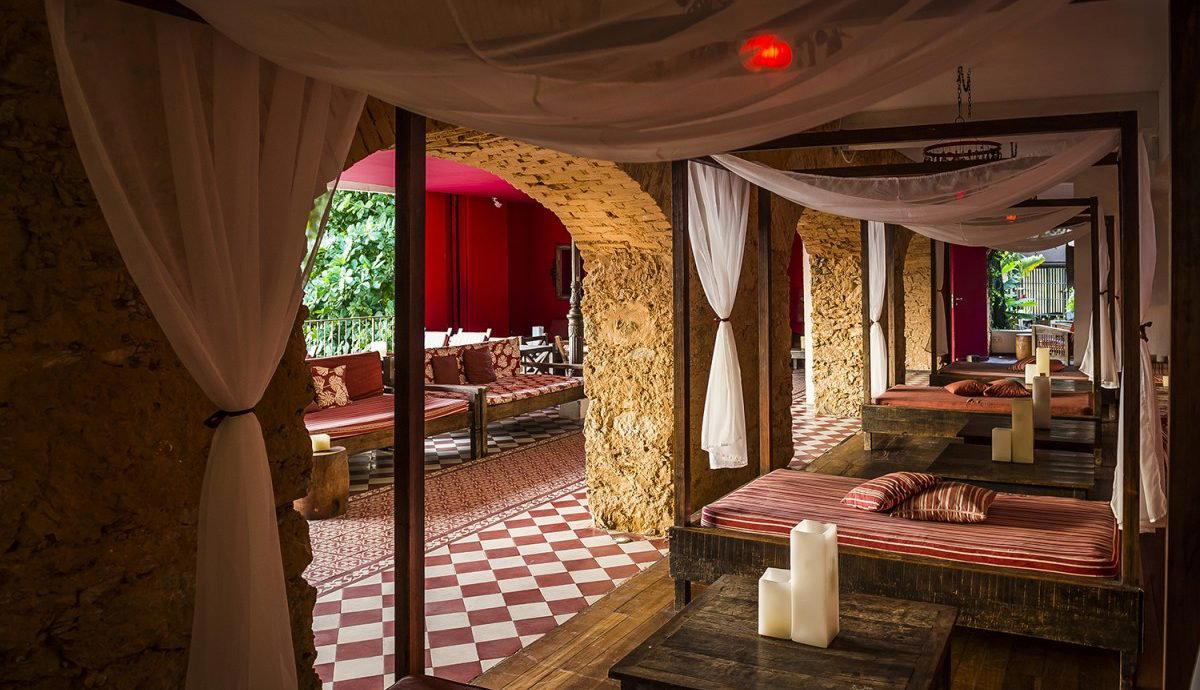
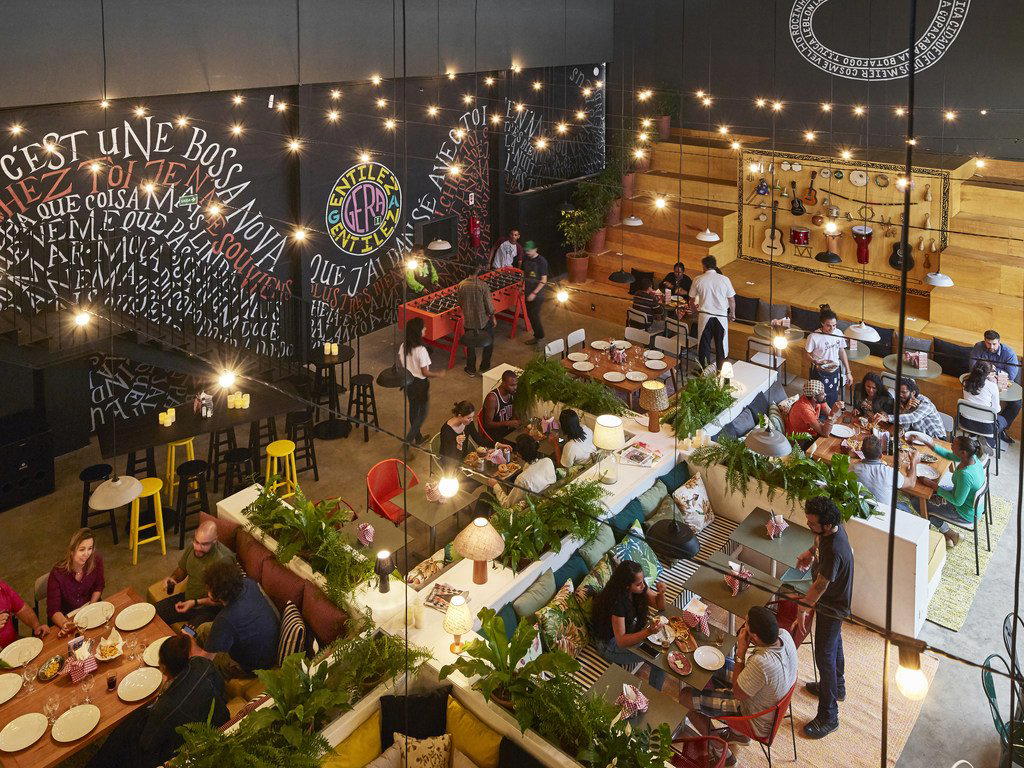
Quasi-industrial decor with brick walls, iron panelling, exposed simplicity, and hanging bulb lights in a spacious two-storey setting.