
Our verdict
Sushi Ichi occupies a precise address in Ginza's upper tier of omakase counters, where the format, the fish sourcing, and the room's calibrated quiet are what keep regulars returning rather than any single showpiece dish. The address alone, 1 Chome-6-7 Ginza, places it inside one of Tokyo's most concentrated corridors of serious sushi. For those who already know what they want from a counter, it delivers without theatrics.

Pearl is the En Primeur Club membership app, where members save venues, book tables and use the concierge.
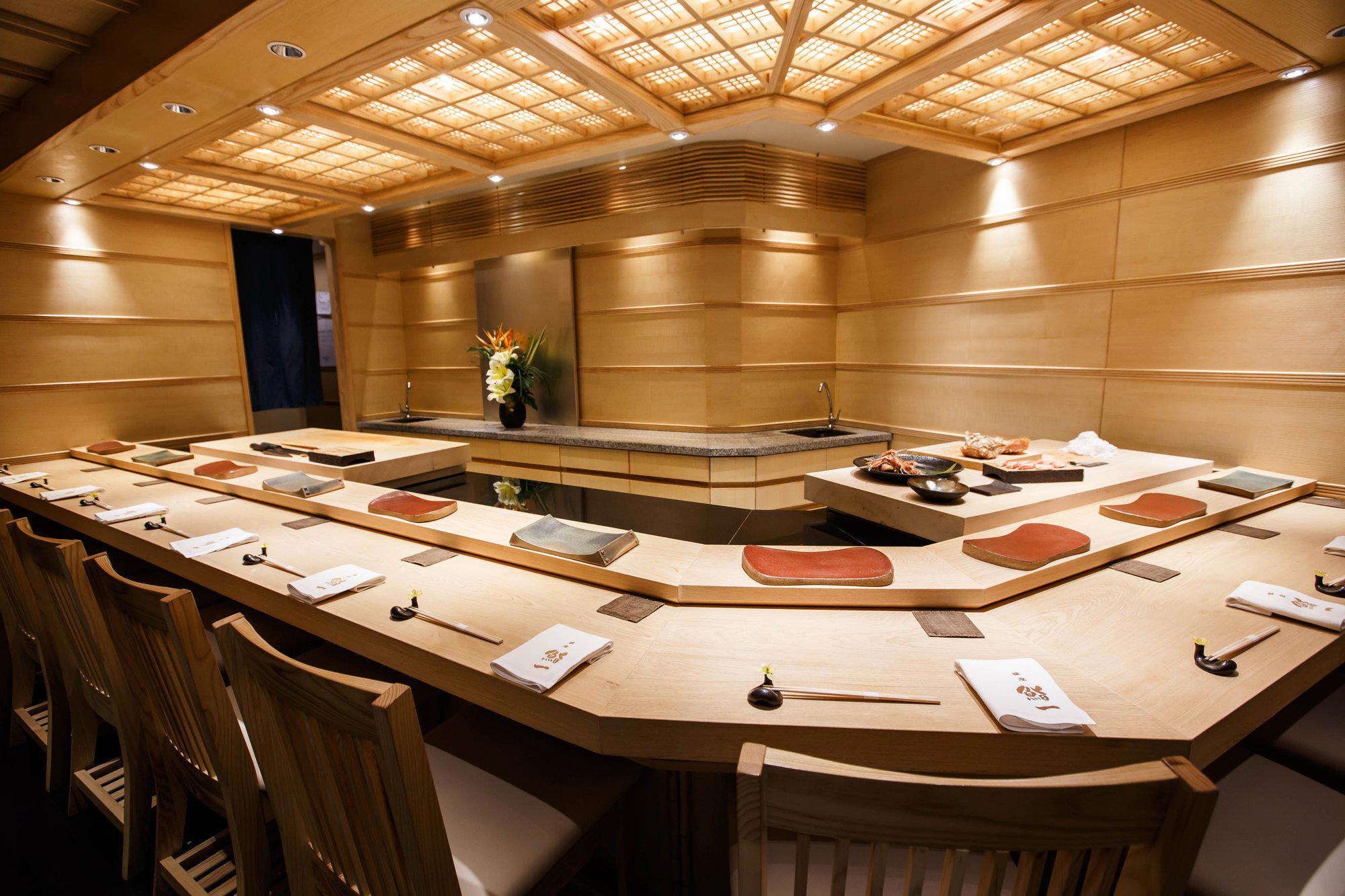
The menu
What to order
- Uni (sea urchin)
- Nigiri sushi
- Seasonal sashimi
The Counter, the Address, and What Ginza Asks of a Sushi Restaurant
Ginza's relationship with sushi is not incidental. The district has functioned for decades as the proving ground where counters either earn the loyalty of a demanding, repeat-visit clientele or quietly disappear behind newer names. The address at 1 Chome-6-7 Ginza places Sushi Ichi inside that pressure system, a part of Chuo City where the density of serious dining at the leading price tier means that novelty alone holds no weight. What holds weight here is consistency, sourcing credibility, and the kind of room where a regular can sit down and feel that the kitchen already knows what it owes them.
This is the register in which Ginza's omakase counters have always operated. Unlike Shinjuku or Shibuya, where restaurants often pitch to first-time visitors and occasion dining, Ginza has historically skewed toward the return customer, the regular who books the same seat at the same hour, who has a relationship with the counter that predates any award or press mention. Sushi Ichi sits within that tradition.
What the Regulars Understand That First-Timers Don't
The omakase format, by design, places authority with the kitchen. The chef decides the sequence, the temperature, the resting time between pieces. For a first-time visitor, this can feel like submission. For a regular, it reads differently: the kitchen is paying attention, and the pace of the meal is calibrated to the room rather than to a fixed script. At the better Ginza counters, that calibration is the product of dozens of visits rather than a single tasting.
Regulars at Tokyo's leading sushi counters often describe a kind of unwritten menu, the awareness that certain fish will be presented differently depending on the season, the market conditions that morning, and who is sitting at the counter. The distinction between tuna sourced from Oma during the autumn fat-accumulation period and the same cut sourced mid-summer is not explained on any written menu. It is understood through repetition. That kind of literacy is what separates the regular from the occasional visitor, and the better Ginza counters, including Sushi Ichi, operate on the assumption that some of the people in the room possess it.
Tokyo's omakase scene has also stratified considerably over the past decade. Entry-level omakase, technically competent, booking-friendly, English-accommodating, now occupies a distinct tier from the counters that price and pace themselves for a returning Japanese clientele. Harutaka represents the kind of counter that has built its reputation almost entirely on repeat-visit trust rather than international press. The same dynamic applies across the city's more serious rooms. Sushi Ichi belongs to this orientation: the Ginza address, the format, and the apparent absence of any overt marketing apparatus all point toward a house that is not performing for first-time visitors.
Ginza in the Wider Tokyo Dining Structure
To understand Sushi Ichi's position, it helps to understand what Ginza is within Tokyo's dining geography. The district holds a disproportionate share of the city's highest-rated restaurants across categories. RyuGin represents the kaiseki tradition at the top of the market. L'Effervescence and Sézanne demonstrate how seriously Tokyo treats French technique as a parallel fine-dining language. Crony represents the newer wave of Franco-Japanese innovation. Sushi, however, is the format that Ginza's dining culture treats as primary, the form against which all other precision cooking is implicitly measured.
Within that sushi-first hierarchy, the omakase counter is the dominant format above a certain price point. The counter structure, typically eight to fifteen seats, a single chef or small brigade working within arm's reach of every guest, enforces a kind of intimacy that the large dining room cannot replicate. It also enforces accountability. When the fish is off, or the rice temperature is miscalculated, there is nowhere to hide. Regulars notice. This is part of what makes the Ginza counter so demanding as a format, and part of what makes sustained loyalty from a returning clientele the most reliable signal of quality.
For those travelling beyond Tokyo, Japan's broader dining structure offers relevant parallels: HAJIME in Osaka, Gion Sasaki in Kyoto, and akordu in Nara each demonstrate how Japan's regional dining culture sustains the same rigour and repeat-visit loyalty that defines the leading Tokyo counters. Goh in Fukuoka extends that pattern further south. The loyalty dynamic is consistent: Japan's serious restaurants are built for the guest who returns, not the guest who documents.
Booking Logic and Seasonal Timing
Ginza's leading omakase counters operate on lead times that reflect demand rather than capacity. The smaller the seat count, the longer the horizon a prospective guest should plan for, particularly for preferred sittings. This applies across the district's serious counters regardless of whether they hold formal awards. Spring, when the sakura period brings international visitors in volume, and autumn, when tuna quality typically peaks with cold-water fat accumulation, represent the two most competitive booking windows in the Tokyo calendar. A guest willing to target early winter or late summer, seasons that draw fewer first-timers, will generally find access easier.
For those building a Tokyo itinerary with multiple high-end meals, the rhythm of a serious omakase counter is meaningfully different from a French tasting menu or a kaiseki progression. The pace is faster, the interaction more direct, and the meal typically shorter in elapsed time. Planning one counter per day rather than stacking multiple tasting menus is the approach that allows each experience to register properly. See our full Tokyo restaurants guide for a wider overview of how to sequence the city's dining.
Japan's regional counters worth noting for a broader trip include 一本杉 川嶋 in Nanao, 古仁屋山乃 in Sapporo, 湖邸庄屋 in Takashima, 庄羽屋 in Nishikawa Machi, and Birdland in Sakai. Further afield, Bistro Ange in Toyohashi represents the kind of regional French precision that echoes, in its own way, the loyalty culture of Tokyo's counters. For international reference points on what sustained regular-clientele restaurants look like at the top of the market, Le Bernardin in New York City and Atomix in New York City offer instructive comparisons across format and price tier.
Planning Your Visit
Sushi Ichi is located at 1 Chome-6-7 Ginza, Chuo City, Tokyo 104-0061. The Ginza address is served by multiple metro lines, with Ginza Station (Ginza, Hibiya, and Marunouchi lines) the most direct access point. Booking well in advance is advisable, particularly for autumn and spring sittings. Guests planning a multi-restaurant Tokyo schedule should allow Sushi Ichi to anchor an evening rather than follow another long tasting menu.
Frequently asked questions
Does Sushi Ichi work for a family meal?
No. The omakase counter format at Sushi Ichi's Ginza address is structured around a chef-controlled sequence eaten at pace, in a room calibrated for quiet concentration. That format is a poor fit for families with children, and the Ginza price tier reinforces the point. This is a counter for adults with a specific interest in the form.
What is the atmosphere like at Sushi Ichi?
Ginza omakase counters at this address operate in a register closer to a recital than a restaurant, low ambient noise, attention directed at the chef, conversation kept to the table rather than across the room. Sushi Ichi sits within that tradition. The Ginza location at 1 Chome-6-7 places it in a neighbourhood where the room itself signals the seriousness of the kitchen.
How does Sushi Ichi's Ginza location affect the booking process?
Ginza's serious omakase counters, particularly those with small seat counts, tend to operate on reservation lead times that reflect sustained demand rather than capacity alone. Sushi Ichi's address at 1 Chome-6-7 Ginza places it in the district's most competitive dining corridor, where counters in the same tier routinely book weeks to months ahead. Planning the reservation before arranging flights is the practical approach for visitors travelling specifically for the meal.
What do regulars order at Sushi Ichi?
At a Ginza omakase counter, ordering is not the mechanism, the kitchen sets the sequence from the first piece to the last, and the guest's role is to follow it. What regulars accumulate over repeat visits is a working knowledge of the counter's rhythm: which courses arrive when, how the progression shifts across seasons, and how to pace themselves accordingly. The address at 1 Chome-6-7 Ginza situates Sushi Ichi within a tier where that chef-led authority is the point, not a constraint.
How do I find Sushi Ichi?
Sushi Ichi is located at î1 Chome-6-7 Ginza, Chuo City, Tokyo 104-0061, Japan, Tokyo.
Cuisine Lens
Comparable venues nearby, for context on price, style, and recognition.
| Venue | Cuisine | Price | Awards | Notes |
|---|---|---|---|---|
| Sushi IchiThis venue (the venue you are viewing) | Traditional Edomae Omakase | $150–200 | Not listed | Not listed |
| Ginza Furuta | Ishikawa Regional Japanese Kaiseki | $100–150 | Michelin Plate | Chūō |
| Nancahome Kyoboshi | Traditional Tempura Omakase | $300–500 | Not listed | Chūō |
| Kobikicho Tomoki | High-End Edomae Sushi Omakase | $300–500 | Tabelog 100 #51 | Chūō |
| Ushigoro Ginza Namiki St. | Premium Yakiniku Wagyu and Horumon | $100–150 | Tabelog 100 #89 | Chūō |
| Yama no Ue | Traditional Japanese Tempura | $200–300 | Tabelog 100 #4 | Chūō |
Recognition history
Dated appearances from independent guides and award organizations, with the underlying list record or original source where available.
Opinionated About Dining Top Restaurants in Japan Recommended
Opinionated About Dining
Continue exploring
More in Tokyo
Restaurants in Tokyo
All restaurants in Tokyo →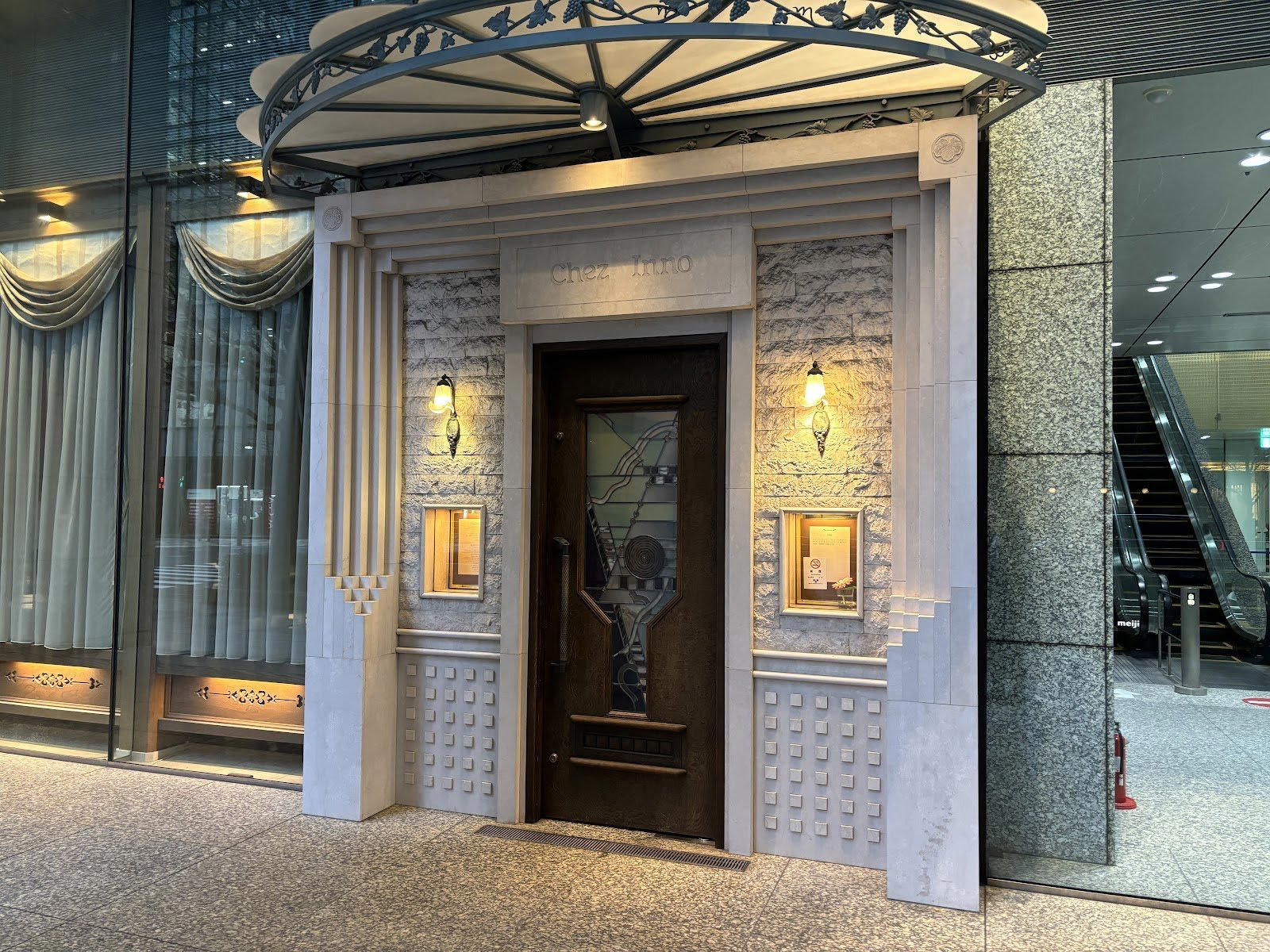

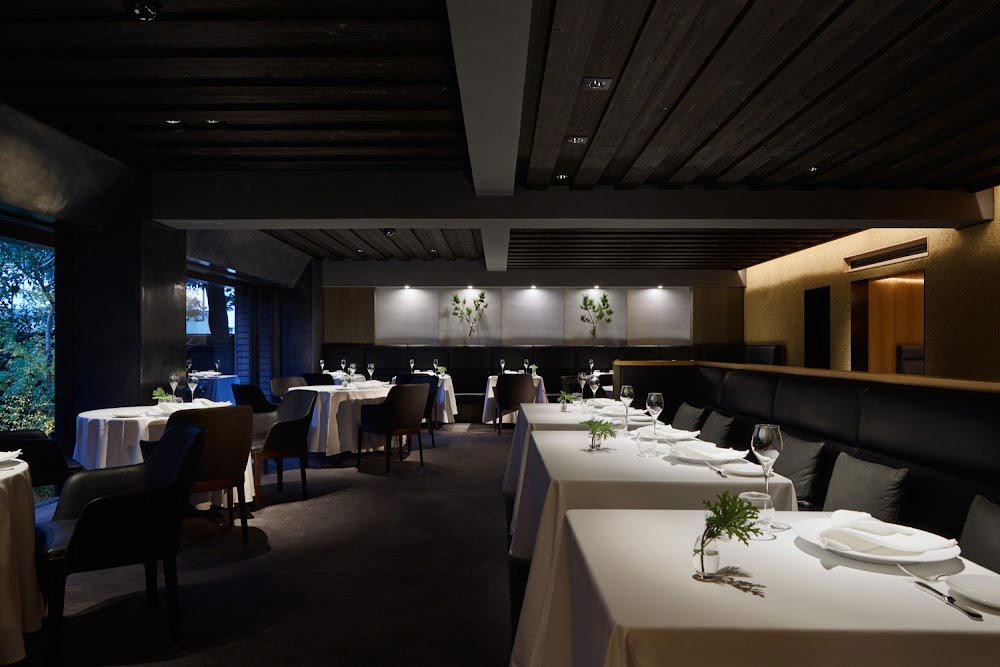
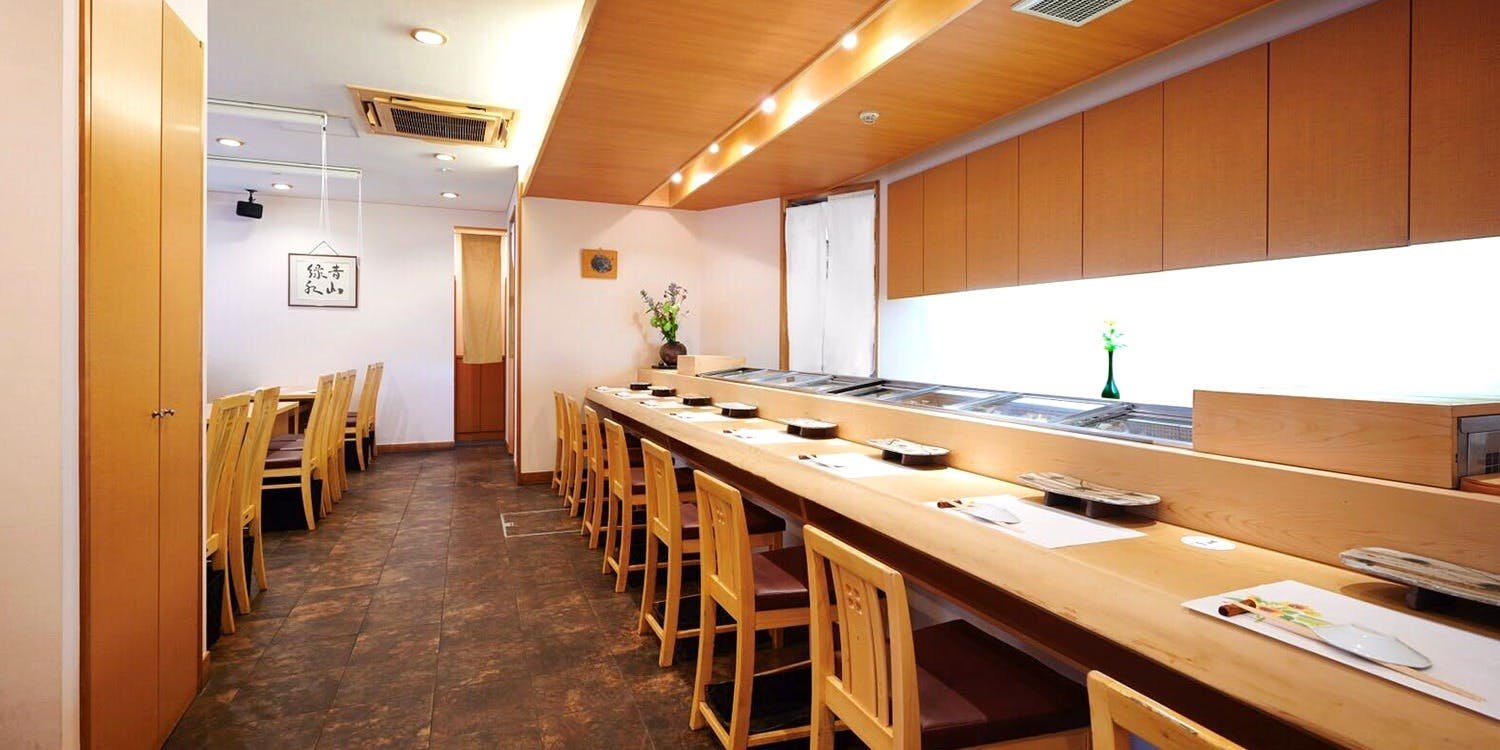
Bars in Tokyo
All bars in Tokyo →





Details
- Elegant
- Intimate
- Sophisticated
- Classic
- Special Occasion
- Date Night
- Solo
- Chefs Counter
- Open Kitchen
- Sake Program
- Local Sourcing
- Omakase
- Counter Dining
- Sake
- Pescatarian Friendly
Intimate sushi bar with neutral pine walls and genial atmosphere; counter seating with warm, fresh rice and precisely timed service creating an immersive omakase experience.