

Kobikicho Tomoki belongs to Ginza’s small-counter sushi tier, where the evening omakase economy has separated sharply from casual daytime sushi. Its seven-seat scale, Tabelog Sushi Tokyo 100 selection in 2025 and OAD Recommended placement in 2026 put it in a serious comparison set without needing theatrical framing.
Pearl is the En Primeur Club membership app — saves, bookings, and concierge access live there. Same editors, same standards.
- Address
- 4 Chome-12-2 Ginza, Chuo City, Tokyo 104-0061, Japan
- Phone
- +81 3-5550-3401
- Website
- sushi-tomoki.jp
 Saves & bookings on Pearl
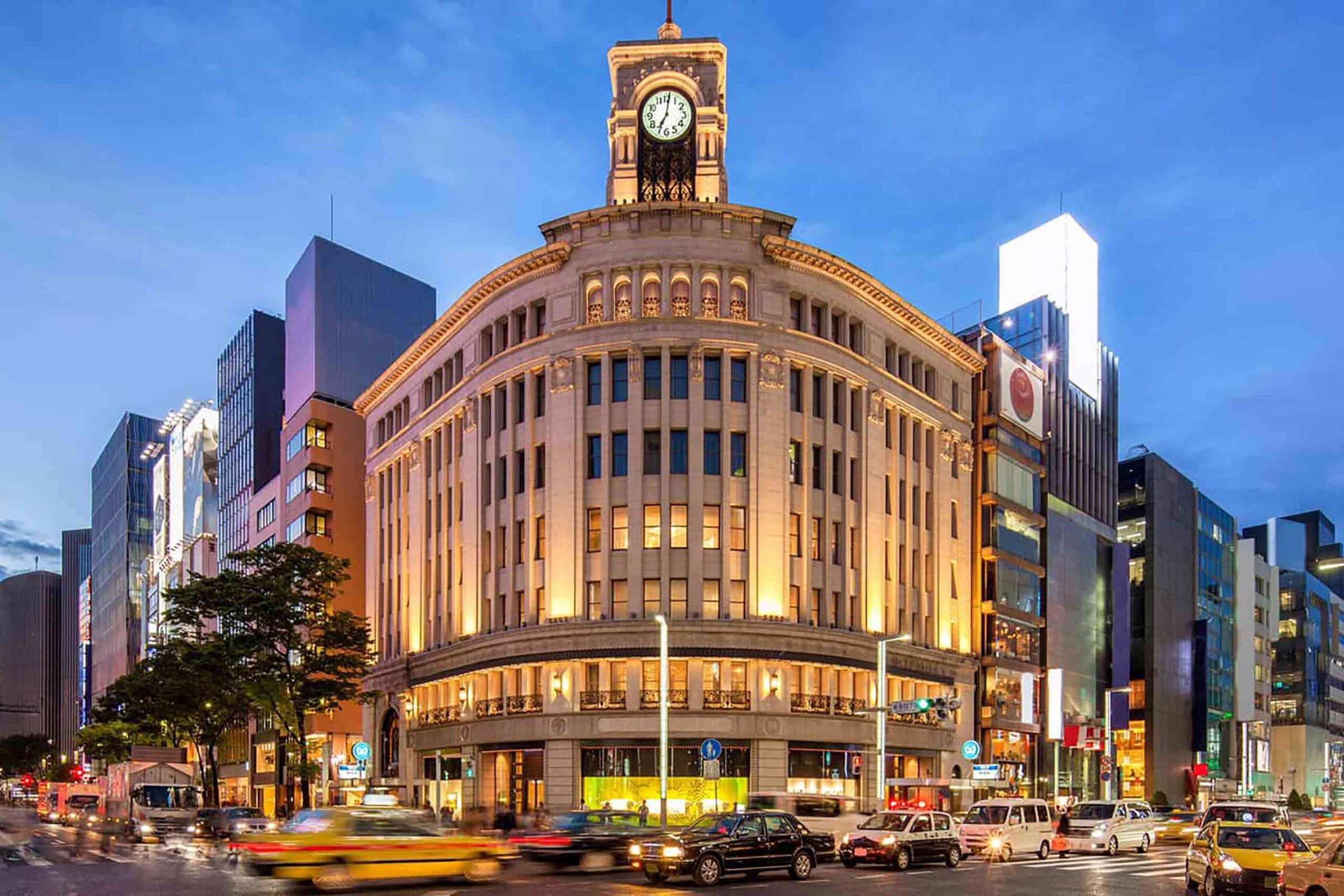
East Ginza changes after office hours. The Kabukiza side streets lose daytime traffic and become a tighter dining district, where sushi counters sit behind modest frontages and the room matters as much as the fish. Here, lunch and dinner are different categories. Daytime sushi can mean speed, value and a lighter read on craft; evening sushi asks for attention, time and a budget that shifts the experience upward.
Kobikicho Tomoki belongs to that evening category. The signals are clear: sushi, seven seats, reservation-only service and a dinner bracket of JPY 60,000 to JPY 79,999. That places it in the small-counter Ginza economy rather than the broader restaurant market. The point is concentration. A seven-seat sushi room changes the social contract, reducing noise, narrowing pacing and making the counter the whole stage.
Ginza sushi after dark, not the daytime value circuit
Tokyo sushi has long split along a lunch-and-dinner axis. Lunch offers access: shorter menus, lower prices, faster turnover and a softer landing for travellers who want technique without committing an evening. Dinner follows another logic. The counter slows, the bill rises and the meal is judged against other specialist rooms, not neighbourhood sushi shops.
That matters because Kobikicho Tomoki is positioned squarely in the latter camp. Its Tabelog score of 3.99 and selection for Tabelog Sushi Tokyo 100 in 2025 add local weight, while the 2026 Opinionated About Dining Recommended listing gives it international editorial visibility. Those recognitions do not describe the plate, but they clarify the competitive bracket: a Tokyo sushi address assessed among serious counters, not a casual Ginza dinner stop.
The East Ginza location sharpens that reading. Ginza’s central avenues carry department stores, luxury retail and expense-account dining; East Ginza, closer to Kabukiza, has a more compact restaurant rhythm. Nearby comparison points show the spread: Ginza Yondaime TAKAHASHIYA sits in the unagi lane, Kabukizaura Masashi reads as a Japanese restaurant at a different price tier, while American and Ginza Nair's Restaurant operate in the accessible daytime bracket. The contrast is useful. Sushi at this level is not competing with a quick lunch or nostalgic curry counter, but with reservation-led evenings where each seat is scarce.
The small counter as Tokyo's luxury format
Luxury in Tokyo sushi is often misread as decoration. The better marker is capacity. Seven seats leave little slack: pacing, conversation and serving rhythm are compressed into a format where one delayed party or inattentive guest can alter the atmosphere. Dress, punctuality and booking etiquette therefore carry more weight at counters than in many tasting-menu rooms. The format rewards diners who understand sushi as a sequence, not isolated pieces.
The no-smoking policy and card acceptance are practical signals, but the deeper point is control. No private rooms and no private-use listing keep focus on the counter rather than entertaining behind a door. For travellers, that matters. A private room can absorb unfamiliarity; a counter exposes it. The gain is proximity to craft and a clearer tempo. The trade-off is less tolerance for improvisation.
Chef Tomoki Kobayashi is named in the OAD listing, but biography should not be the frame. Ginza sushi is a discipline of repetition, sourcing judgment, rice temperature, cut, seasoning and hand pressure, and the counter is where those decisions become visible. Recognition from Tabelog and OAD is useful because it suggests sustained attention from diners who compare Tokyo sushi closely, not because it replaces understanding the genre.
For a wider Tokyo dining map, compare this counter-led model with other city formats in Our full Tokyo restaurants guide. The range includes casual visual cafés such as 2D Cafe, curry specialists such as 3 Chome no Curry Ya San, grilled and izakaya-adjacent formats such as . 鮪と炭火焼き うお炭 秋葉原店, yakitori at 124. KAGURAZAKA (Yakitori), and Shinjuku dining at 12/10 Shinjuku ten. Those links are not substitutes for Ginza sushi; they show how specialised this room is within the city’s wider eating culture.
Who this dinner makes sense for
Kobikicho Tomoki suits diners who already know why Tokyo sushi counters differ from luxury hotel dining and casual omakase abroad. The value case is not lunch value. It is access to a small evening format in a district where sushi pricing has moved into a rarefied tier. If the aim is breadth, Tokyo offers more relaxed ways to eat well. If the aim is a focused sushi evening with local recognition attached, the case strengthens.
Plan around the rest of the trip. A sushi counter of this size pairs poorly with a rushed arrival day, heavy bar itinerary or group seeking flexibility. It works better as the anchor of a Ginza night, with hotels, bars and cultural stops arranged around it rather than competing with it. For that broader frame, use Our full Tokyo hotels guide, Our full Tokyo bars guide, Our full Tokyo wineries guide and Our full Tokyo experiences guide.
Japan’s dining range helps calibrate expectations. A beef sukiyaki trip to -Grilled beef Sukiyaki- KAMAKURA TANUKIAN 鎌倉 たぬき庵 in Kamakura, a café stop at.cafe in Osaka, contemporary dining at.know in Kumamoto, Vietnamese cooking at (Shoku) Vietnam in Kawasaki, curry in Hokkaido at [Curry Senmon Ten] Maruyama Kyoju. in Sapporo, and Kyoto dining at [ki:] in Kyoto all sit in different registers. For readers extending the Japanese-food thread overseas, Jōdo Saké Bar in Los Angeles and Onigiri Time in Pasadena show how the vocabulary changes outside Japan.
This is not the address for a diner seeking softer lunch economics. It is for the traveller who wants an evening inside Ginza’s small-counter sushi culture, where recognition, scarcity and restraint define the price of admission.
Comparable Options
Comparable venues to calibrate price, style, and recognition.
| Venue | Cuisine | Price | Notes |
|---|---|---|---|
| Kobikicho TomokiThis venue — the venue you are viewing | High-End Edomae Sushi Omakase | $$$$ | Not listed |
| Yakatabune Izanagi | Wagyu Omakase on Tokyo Bay Yakatabune | $$$$ | Shinagawa |
| Ginza Furuta | Noto-Kanazawa Regional Japanese Kaiseki | $$$$ | Chūō |
| 日本料理 つきぢ田村 | Traditional Japanese Kaiseki | $$$$ | Chūō |
| Japanese Restaurant "Ginza Tsuru" Tokyo / Wagyu Shabu-shabu & Sukiyaki | Japanese Wagyu Shabu-Shabu & Sukiyaki | $$$$ | Chūō |
| Kosasa Sushi | Traditional Edomae Sushi Omakase | $$$$ | Chūō |
Recognition history
Dated appearances from independent guides and award organizations, with the underlying list record or original source where available.
Opinionated About Dining Top Restaurants in Japan Recommended
Opinionated About Dining
Tabelog 100 #51 · No. 51
Tabelog · Tabelog 100 - Sushi - TOKYO - 2025





At a Glance
- Elegant
- Intimate
- Classic
- Sophisticated
- Special Occasion
- Date Night
- Business Dinner
- Celebration
- Solo
- Chefs Counter
- Standalone
- Design Destination
- Sake Program
- Corkage Allowed
- Local Sourcing
- Sustainable Seafood
Current opening hours
- Monday
- 5:30–10 PM
- Tuesday
- 5:30–10 PM
- Wednesday
- Closed
- Thursday
- 5:30–10 PM
- Friday
- 5:30–10 PM
- Saturday
- 5:30–10 PM
- Sunday
- Closed
Hours can change for holidays and private events. Last verified .
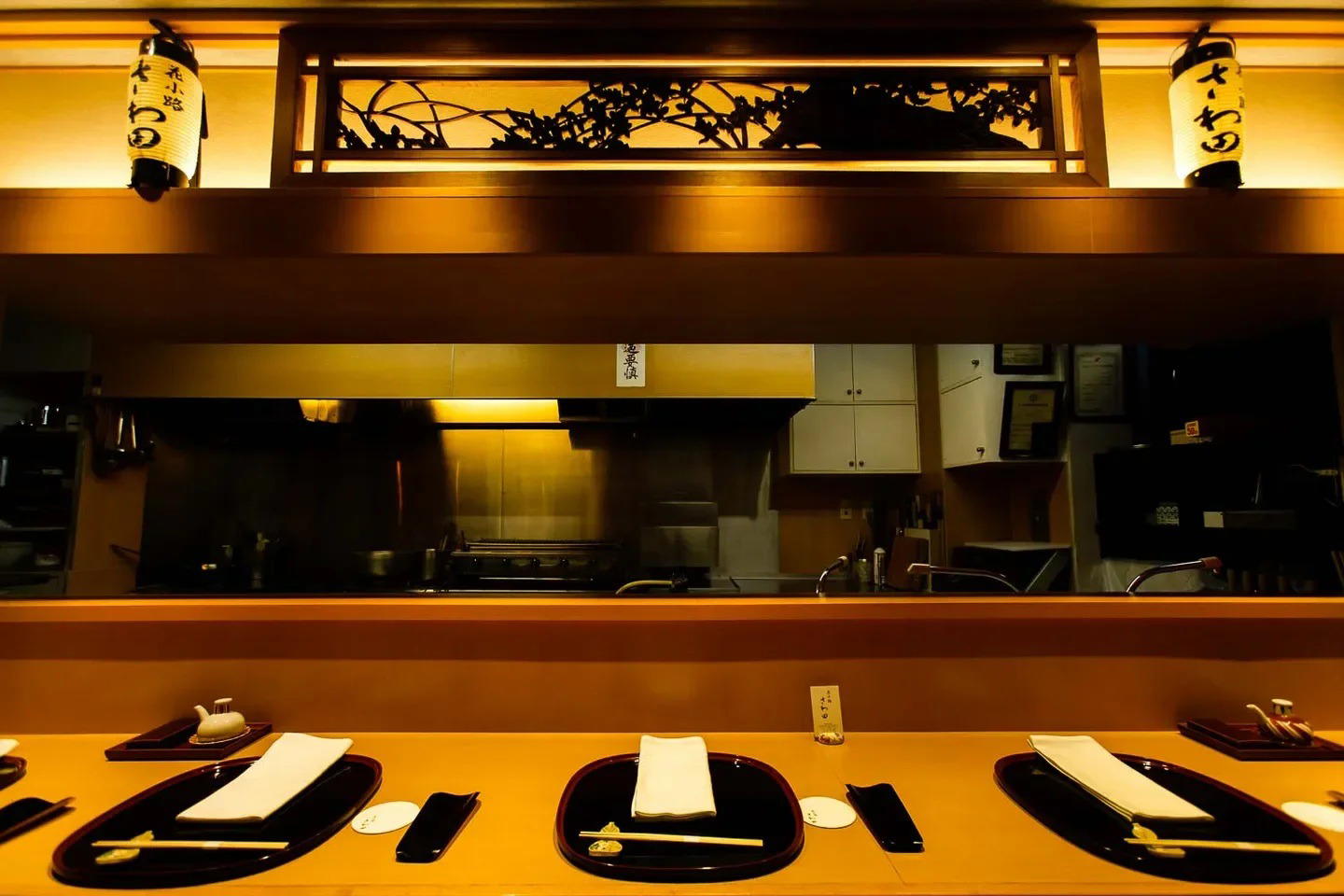
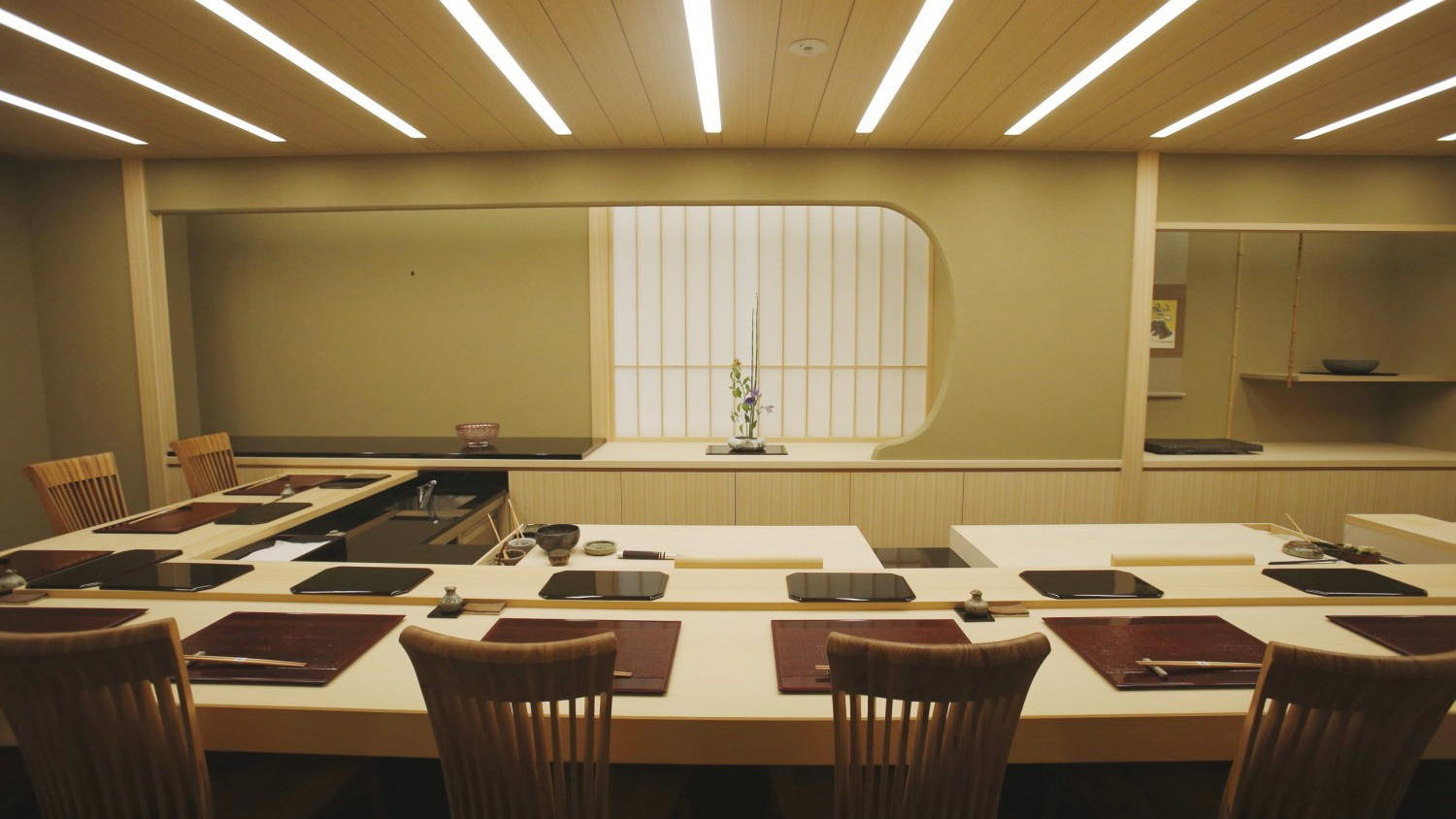
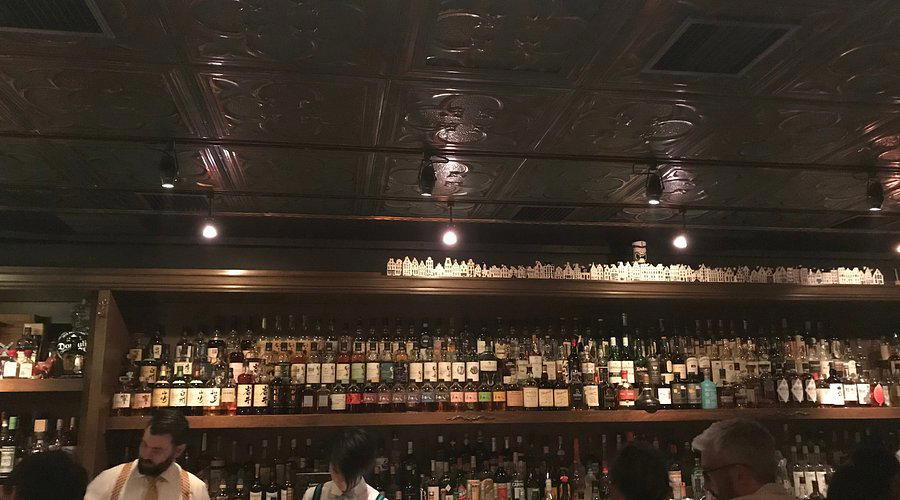
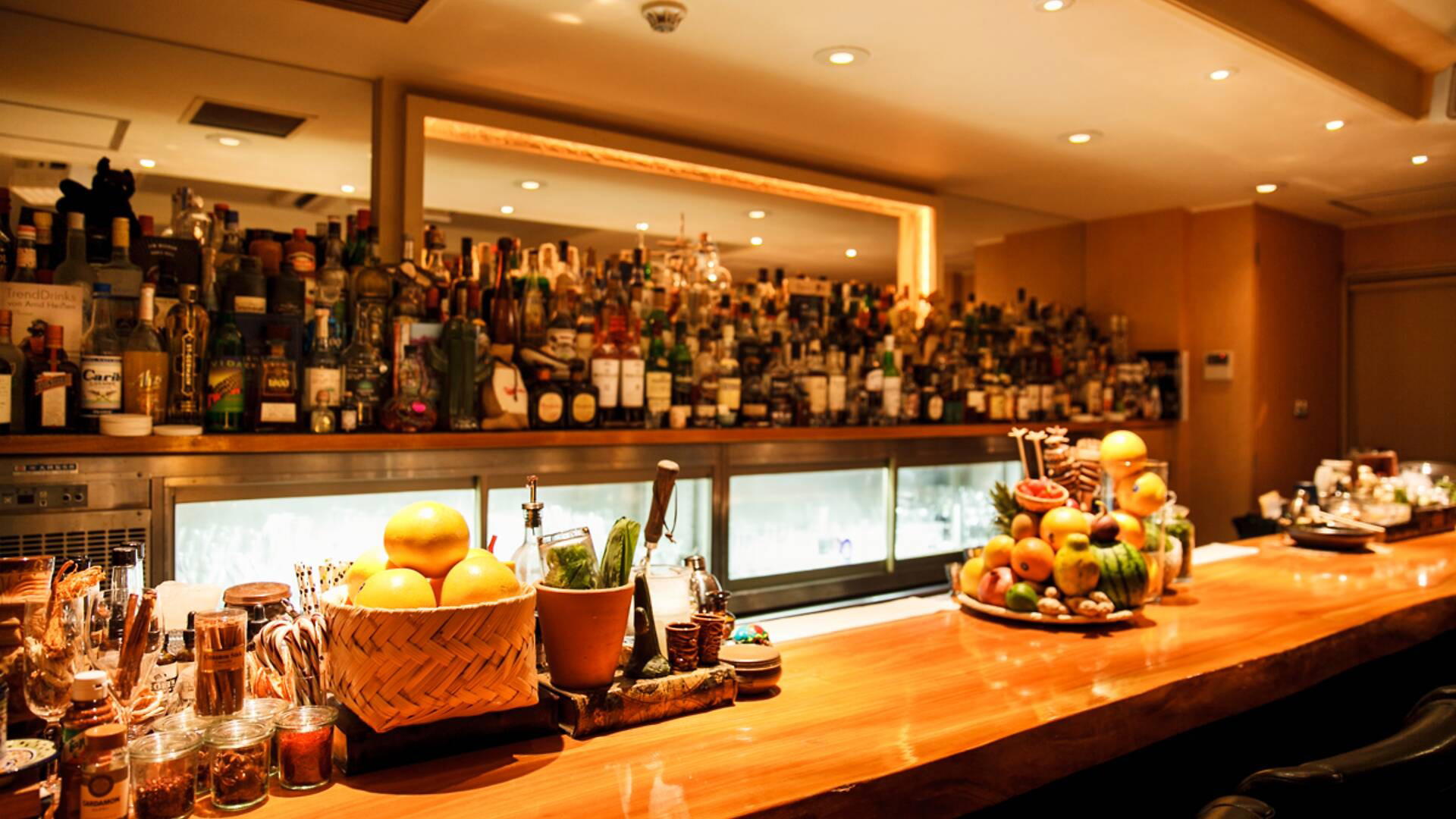
Calm and refined omakase counter with a 200-year-old hinoki wood counter, central cedar sushi case, and a quiet, focused atmosphere suited to extended, high-end sushi dining rather than casual conversation or families.