
A lunch-only soba specialist in Nerima's residential backstreets, Sobakiri Suzuki operates on a single set menu format: sobazen, with fine buckwheat noodles, appetisers, and soba-gaki as the centrepiece. Quantities are capped daily, reservations open by phone from around 9:30 a.m. on the day, and the wood-and-stone interior keeps the focus firmly on the craft of the bowl.
Pearl is the En Primeur Club membership app — saves, bookings, and concierge access live there. Same editors, same standards.
- Address
- Japan, 〒178-0064 Tokyo, Nerima City, Minamioizumi, 4 Chome−43−32 Tsマンション
- Phone
- +81 3-5387-2010
- Directions
- Get directions
 Saves & bookings on Pearl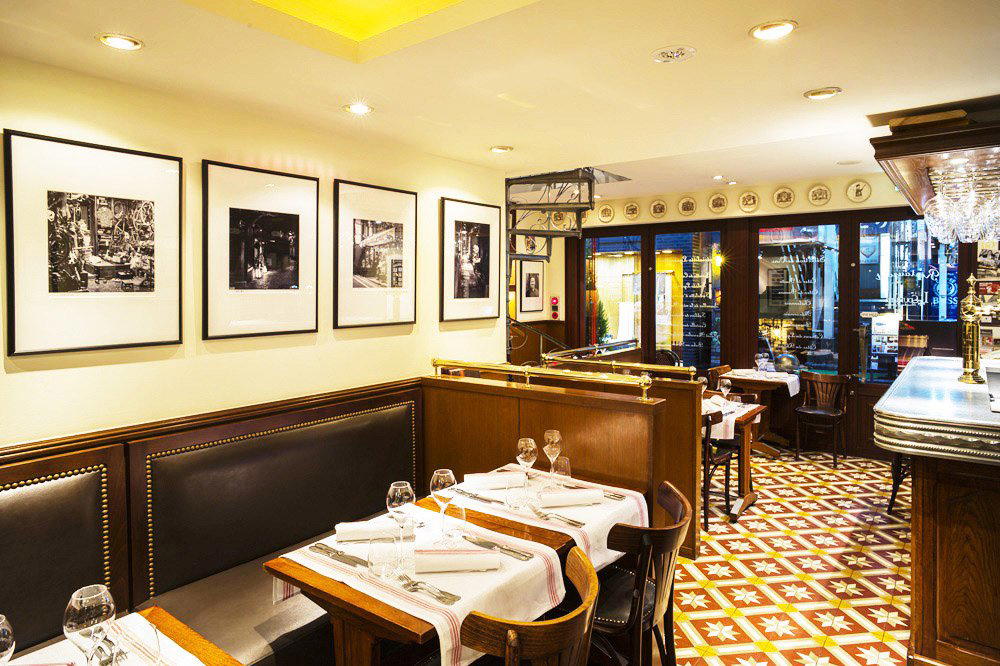
Kanto Soba in a Residential Key: The Nerima Context
Tokyo's soba tradition sits firmly within the Kanto school, defined by a darker, saltier dipping broth built on bold katsuobushi and soy, and noodles that tend toward the thinner, more delicate end of the buckwheat spectrum. This stands at a clear remove from the Kansai approach, where lighter, kombu-forward stocks and a preference for softer textures create a quite different bowl. That Kanto-Kansai divide is the oldest structural fault line in Japanese noodle culture, and understanding it matters when placing a shop like Sobakiri Suzuki in its proper frame.
What Nerima's residential address signals is something specific: the absence of foot traffic as a business model. Restaurants in Shinjuku or Ginza can rely on the city's movement. A soba shop tucked into a quiet residential ward in the outer reaches of Tokyo's northwest is there because someone put it there deliberately, and guests come specifically, not incidentally. That selectivity shapes the entire experience before you arrive.
The Sobazen Format and What It Reveals
Sobakiri Suzuki operates on a single menu track: sobazen, a set meal built around fine soba noodles, a sequence of appetisers, and soba-gaki as the structural anchor. Soba-gaki deserves a moment's attention as a form. Unlike the noodle itself, soba-gaki is buckwheat flour worked with hot water into a dense, smooth paste, served warm. It predates the modern soba noodle as a preparation, and its presence on a menu is a signal that the kitchen is engaging with buckwheat as an ingredient rather than simply as a noodle format. Shops that serve soba-gaki well typically source their flour with care and mill or purchase it fresh.
For guests who want a sweeter finish, soba-gaki can be substituted with soba zenzai, a red bean soup in which the same buckwheat dough appears in dessert form alongside sweet azuki. The substitution is offered as an either/or within the set format, which keeps the kitchen's production manageable and keeps quantities under control. That constraint is not a limitation, it is how the shop maintains the standard of each preparation.
The single-format approach places Sobakiri Suzuki in a specific tier of Tokyo's soba scene: small, specialist operations where the menu exists to express a clear point of view about buckwheat rather than to cover ground. This contrasts with the larger, multi-item soba restaurants found across the city, where variety is the commercial draw. The sobazen structure says something about priorities.
The Kanto Technique in the Bowl
Kanto-style soba broth, mentsuyu, is assembled from a kaeshi base of soy sauce, mirin, and sugar, rested to mellow, then combined with a dashi drawn primarily from katsuobushi, often with some mackerel or sardine additions for depth. The result is a dark, savoury liquid with forward umami that coats the noodles differently than the paler Kansai equivalent. In Kansai, the broth tends toward transparency, the kombu contribution dominant, and the overall flavour softer on the palate.
Neither school is the default; they reflect different regional ingredient histories and different ideas about what soba should taste like. In Tokyo, the Kanto approach has been the baseline for centuries, which means a shop operating here is working within a tradition that has a long critical record. Local regulars carry inherited expectations about what the broth should be, which creates a more demanding audience than exists in regions where soba is a less culturally freighted product.
The wood-and-stone interior at Sobakiri Suzuki reflects the aesthetic logic common to this type of specialist shop. In the context of Tokyo dining, where high-end restaurants like RyuGin and L'Effervescence operate at ¥¥¥¥ and pack considerable production into the experience, a soba shop with a single set at a ¥ price point represents the opposite end of the formal-dining axis, and occupies that position without apology.
Regional Comparisons: What Tokyo Soba Is Not
The Kansai soba tradition, particularly around Kyoto, tends toward a more refined kaiseki integration, where soba appears within elaborate multi-course contexts. Shops operating in Kyoto's framework, such as the broader world around Gion Sasaki, embed buckwheat in a different hospitality grammar. Osaka's approach, represented at its most ambitious by restaurants like HAJIME, moves in a different direction entirely, toward innovation and fine-dining construction.
A residential Tokyo soba shop working within the sobazen format is closer in spirit to traditional craft preservation than to either of those trajectories. The comparison with Nara and Fukuoka specialists, such as akordu or Goh, makes the point differently: Japan's regional dining scenes are deeply differentiated, and each venue makes sense primarily within its own local context and tradition.
Internationally, the closest analogue to this format discipline might be small French producers working a single appellation with rigid selectivity, similar in spirit to what Le Bernardin in New York represents for French seafood technique, or what Atomix does for Korean fine dining in a tasting format. The underlying logic is the same: depth over breadth, one thing done with full commitment.
Placing Sobakiri Suzuki in the Tokyo Soba Scene
Tokyo's soba scene divides roughly into three tiers: high-volume neighbourhood standbys that function as fast lunch options; mid-market shops with broader menus and longer opening hours; and small, specialist operations with limited quantities, restricted hours, and a clear technical focus. The restaurant sits in the third tier, not by price point alone but by operating logic, lunch-only service, quantities capped by the day's production, reservations by phone that open at 9:30 a.m. on the day itself.
That same-day phone booking window is worth understanding clearly. It is not a prestige friction device. It reflects a kitchen working with fresh buckwheat, preparing to order, and needing to know its exact cover count before production begins. Shops that operate this way cannot absorb walk-ins without compromising the product for everyone already seated. The system is a function of how the food works, not a marketing posture.
For readers comparing this type of specialist against high-end omakase experiences such as Harutaka or Sézanne, the register is entirely different. The restaurant is not competing in that space. It sits in a category where craft, restraint, and a clear relationship to ingredient define the value proposition, and where the ¥ price tier is entirely consistent with the format.
Planning Your Visit
The restaurant is a lunch-only operation in Nerima City's Minamioizumi neighbourhood. Reservations are taken by phone from approximately 9:30 a.m. on the day of the visit. Quantities are limited and places fill quickly, so calling at or shortly after opening is advisable. The menu format is sobazen, with the option to substitute soba-gaki for soba zenzai. The ¥ price tier places it among Tokyo's most affordable specialist dining experiences.
Cuisine and Recognition
Comparable venues nearby, for context on price, style, and recognition.
| Venue | Cuisine | Price | Awards | Notes |
|---|---|---|---|---|
| Sobakiri SuzukiThis venue — the venue you are viewing | Traditional Soba | $$ | Bib Gourmand | Not listed |
| Sushidokoro Shigeru | Traditional Sushi Omakase | $$ | Bib Gourmand | Shinjuku |
| Tonkatsu Nanaido | Premium Tonkatsu | $$ | Bib Gourmand | Shibuya |
| Hamacho Kaneko | Traditional Soba with Tempura | $$ | Bib Gourmand | Chūō |
| Fuunji | Rich Tsukemen Ramen | $$ | Not listed | Shibuya |
| Sushi Ikki | Authentic Edo-mae Sushi Omakase | $$$ | Michelin Plate | Setagaya |
Recognition history
Dated appearances from independent guides and award organizations, with the underlying list record or original source where available.
Michelin Bib Gourmand
Michelin
Continue exploring
More in Tokyo
Restaurants in Tokyo
Browse all →



Bars in Tokyo
Browse all →


Hotels in Tokyo
Browse all →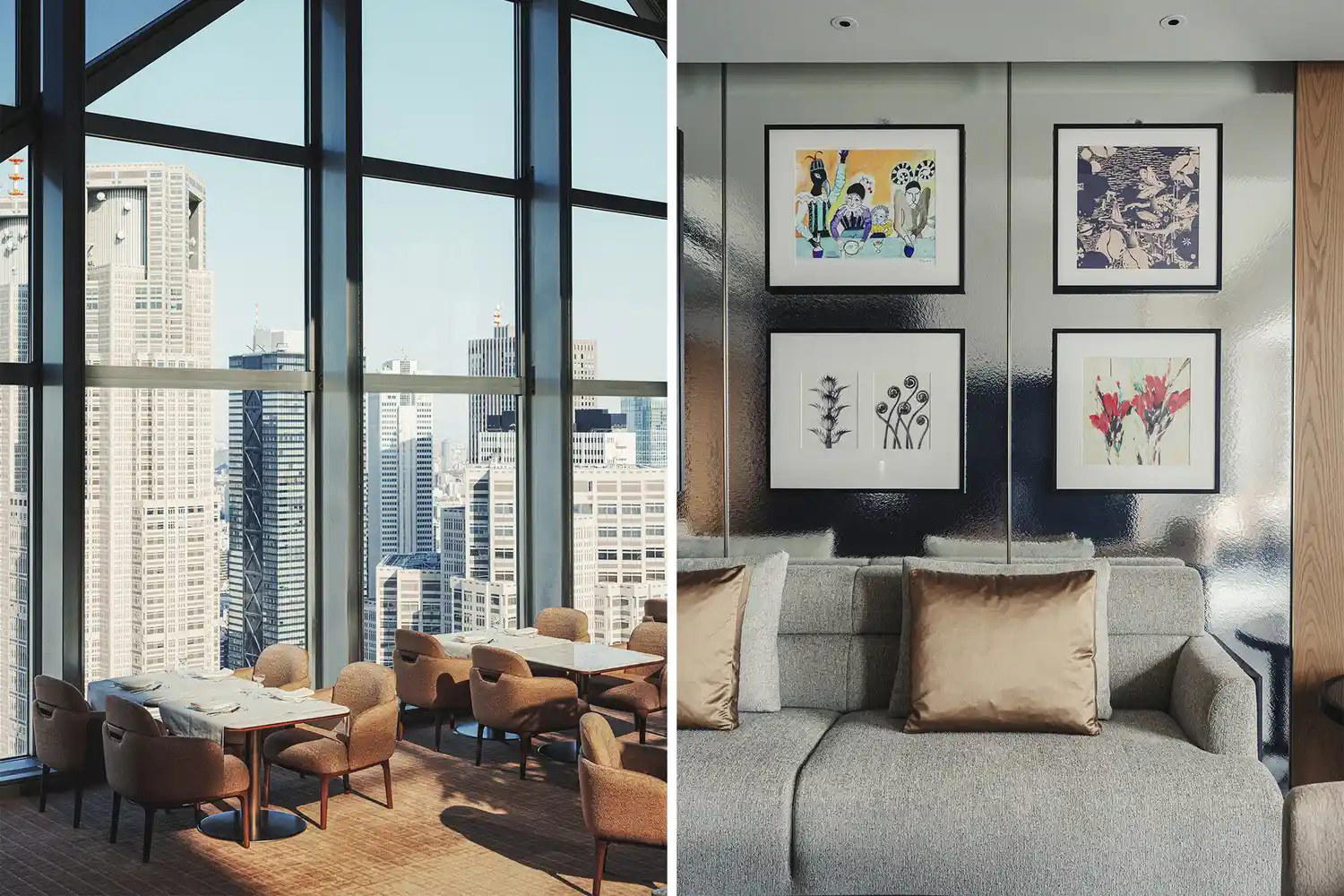




Wineries in Tokyo
Browse all →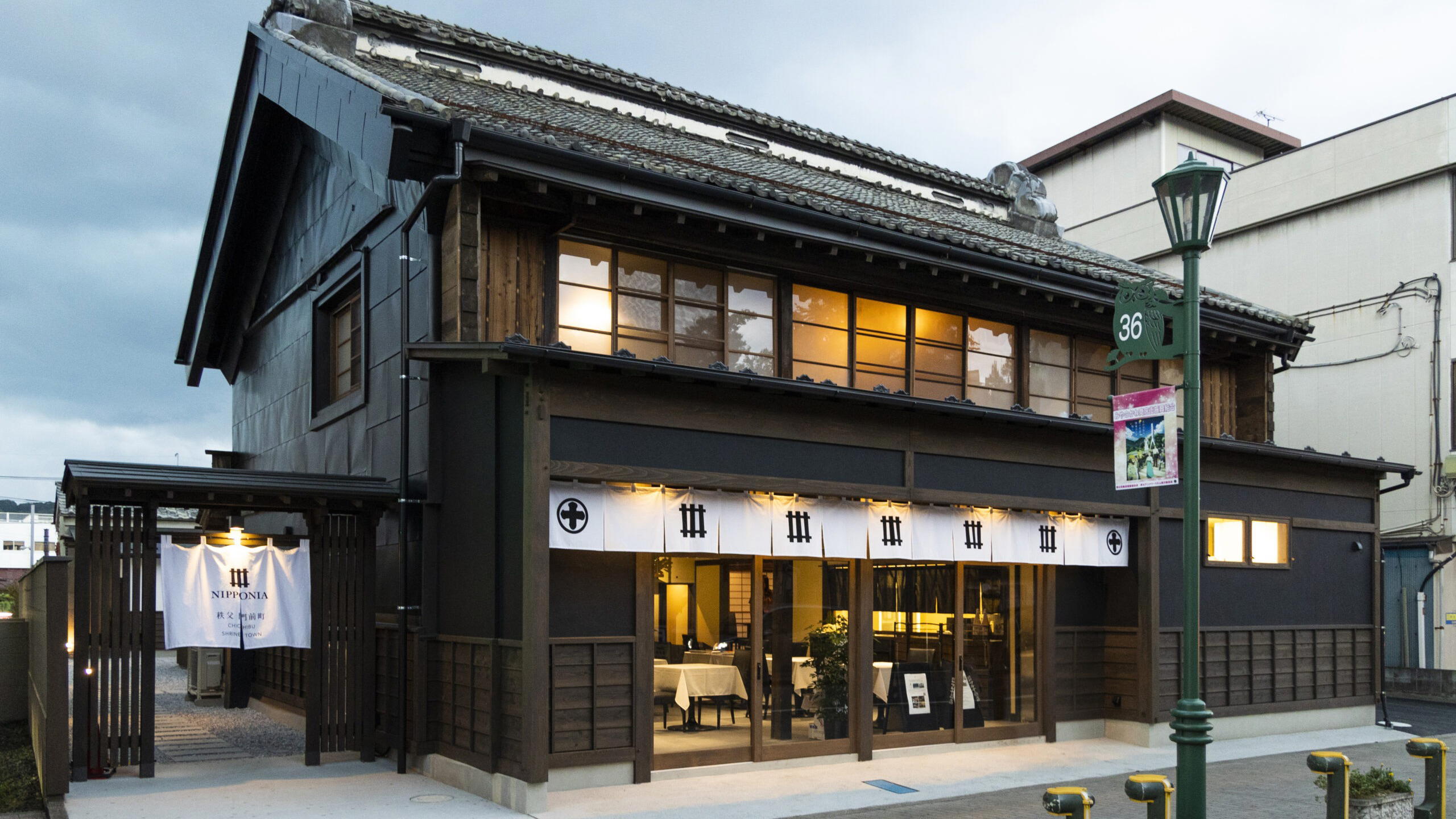
At a Glance
- Cozy
- Quiet
- Intimate
- Solo
- Casual Hangout
- Sake Program
Current opening hours
- Monday
- 11:30 AM–12:30 PM
- Tuesday
- 11:30 AM–12:30 PM
- Wednesday
- 11:30 AM–12:30 PM
- Thursday
- Closed
- Friday
- Closed
- Saturday
- Closed
- Sunday
- 11:30 AM–12:30 PM
Hours can change for holidays and private events. Last verified .
Refined yet cozy atmosphere with natural materials like wood and stone, creating a homespun, relaxing, and welcoming feel.