Sing Sing Pollack Sashimi Restaurant
Busan's pollack sashimi tradition runs deep along the southern coast, and Sing Sing Pollack Sashimi Restaurant sits squarely within that lineage. The restaurant focuses on myeongtae, raw Alaska pollack, a cold-water fish that defines a specific register of Korean coastal dining distinct from the tuna and flatfish counters that dominate elsewhere in the city. For those tracing Busan's seafood identity beyond the familiar, this is a considered reference point.

Pearl is the En Primeur Club membership app — saves, bookings, and concierge access live there. Same editors, same standards.
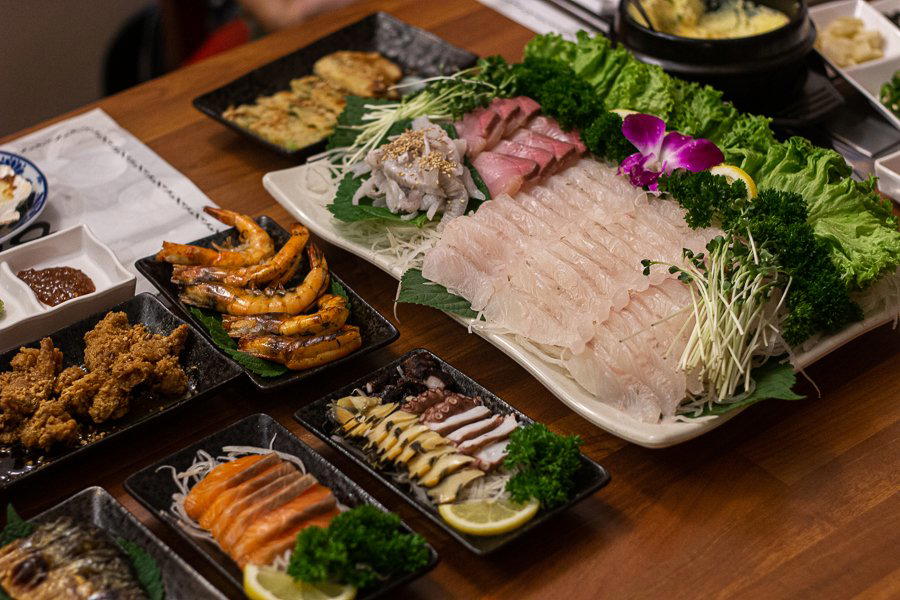
Where Pollack Defines the Plate
Busan's seafood identity is layered and often misread by visitors who arrive expecting a single dominant tradition. The city has its dwaeji-gukbap houses, its raw fish markets, its contemporary tasting menus at places like Palate and refined Japanese counters like Mori, but running underneath all of that is a quieter category: the specialist sashimi house built around a single species. Sing Sing Pollack Sashimi Restaurant belongs to this category. Its focus is myeongtae, the Alaska pollack, a cold-water fish that Korean coastal cooks have worked with for centuries and that carries a different culinary logic than the tuna-forward or flounder-forward rooms that tourists tend to find first.
Pollack sashimi is not a simplified version of the broader hoe tradition. It is a distinct register. The fish has a firmer, more translucent flesh than flatfish, a cleaner oceanic flavour with less of the fatty richness associated with premium tuna cuts, and a texture that responds differently to temperature, cut thickness, and accompaniment. At a focused pollack house, the kitchen's entire structure, from sourcing to service pacing to the side dishes brought alongside, is calibrated around one animal's specific properties. That narrowness is the point.
The Ritual of the Meal
Korean raw fish dining has its own pacing and its own etiquette, and it differs meaningfully from the omakase counter model that international diners often use as a reference. At a specialist hoe restaurant in Busan, the meal does not arrive in a sequence curated by the chef in the manner of, say, Le Bernardin in New York or Atomix's tasting progression. Instead, it is typically structured around a central platter of raw fish, with the surrounding banchan and condiments functioning as a toolkit rather than a garnish. The diner participates actively: wrapping slices of fish in perilla or lettuce, dragging them through gochujang or doenjang paste, adjusting each bite rather than receiving a finished dish.
At Sing Sing, that participatory logic applies in full. Pollack sashimi is typically eaten young and cold, the slices cut to show the translucency of fresh fish, and the accompaniments tend toward the sharper, more astringent end of the Korean condiment spectrum, flavours that cut through the fish's clean marine character rather than complement a fatty richness that isn't there. The meal's pacing is set partly by the table, not by the kitchen, which changes the rhythm considerably from a tasting menu format. Groups eat at their own speed. The room is a dining room in the functional Korean sense, not a stage.
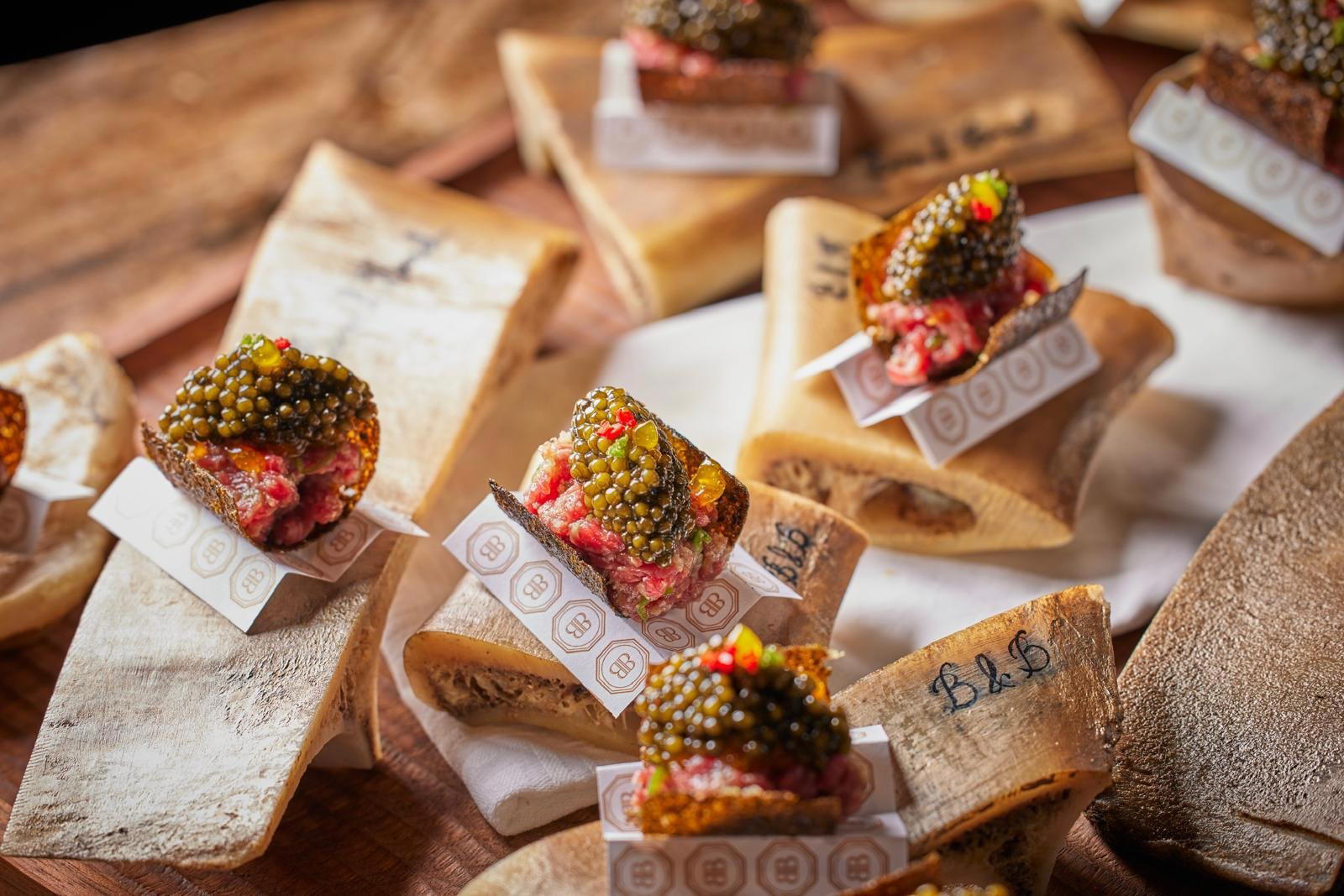
This tradition of collaborative, condiment-led seafood eating puts Busan's specialist fish restaurants in an interesting position relative to the city's more internationally oriented options. Born and Bred occupies the premium steakhouse tier. Contemporary Korean cooking at places like Dining Room moves the same local ingredients through a more curated format. The pollack specialist house sits outside both of those registers: it is not trying to be either, and it makes no concessions toward the international fine dining template.
Busan's Seafood Specialisation in Context
Korea's seafood culture is geographically differentiated in ways that matter. Jeju Island's coastal restaurants, from casual grillhouses like 88돼지 to the Jeju-specific registers found at spots like Badang Lounge, work with different species and different traditions than Busan. The southern port city's identity leans heavily on the cold-water fish of the Korea Strait, species that thrive in deeper, cooler water and that carry the flavour signatures of that environment.
Pollack in particular has a dual identity in Korean food culture: it appears fresh as sashimi, dried as hwangtae or bukeo in completely different culinary applications, and fermented in various preserved forms. The fresh sashimi version is especially fleeting and the temperature-dependent, which is why specialist restaurants that focus on it tend to cluster near port cities with reliable supply chains. Busan's position as a major fishing hub gives those restaurants an advantage in sourcing that inland equivalents cannot replicate. The comparison with Seoul's fish-focused restaurants, including high-end Korean-inflected dining like Mingles, underlines how differently the coastal and inland cities approach seafood as a category.
Within Busan itself, the specialist fish house occupies a different price and format tier than the city's noodle and soup institutions. 100.1. Pyeongnaeng sits at the budget end of Busan dining, as does the long-running 1969 Buwondong Kalguksu. A fresh sashimi focused meal, even at a mid-range specialist house, will typically sit above those categories on price per head, fresh fish handling carries costs that dried noodles do not. That positioning is not a premium signal in the fine dining sense; it is simply the economics of the category.
Planning a Visit
Arrive with some flexibility and, ideally, a Korean-speaking companion or a hotel concierge who can make inquiries on your behalf. Specialist fish restaurants in Busan frequently operate on schedules tied to market supply rather than fixed weekly hours, availability of fresh pollack in sufficient quantity can affect opening on any given day.
From a seasonal standpoint, pollack has a cold-weather peak: the fish is caught most prolifically in the winter months, roughly November through February, when water temperatures drop and the fish move into accessible coastal ranges. Visiting during that window gives the highest likelihood of encountering fish at its leading condition. Summer visits to pollack specialists are not necessarily fruitless, but the category is fundamentally oriented around the cold season, in the same way that certain Kyoto kaiseki courses are built around winter ingredients and lose some of their coherence in the heat.
Busan's broader dining scene rewards visitors who are willing to range across price points and formats. A Busan itinerary might also include the grilled rib traditions explored at places like Gobojeong Galbi, the Gyeongju-region soy milk specialities at Gyeongju Wonjo Kongguk, or the baked goods of Hwangnam Bread and Busan Steamed Bun. The Hinode experience in the Jeju region also offers a useful comparison point for those interested in how Japanese and Korean coastal seafood traditions have converged and diverged in southern Korea. And for Suwon-region dining reference, Doosoogobang provides a useful contrast to Busan's port-city seafood focus. The Black Pork BBQ in Seogwipo rounds out the picture of how southern Korean regional identity expresses itself through meat and seafood in parallel.
Price Lens
Comparable venues nearby, for context on price, style, and recognition.
| Venue | Cuisine | Price | Awards | Notes |
|---|---|---|---|---|
| Sing Sing Pollack Sashimi RestaurantThis venue — the venue you are viewing | Noryangjin, Pollack Sashimi Restaurant | $$ | Not listed | Not listed |
| íì°ì¥ | Not listed | $$ | Not listed | Choryang 1(il)-dong, Traditional Korean Pajeon |
| Iwa | Not listed | $$ | Michelin Plate | U 1(il)-dong, Aged Fish Omakase |
| ë경밥ì | Not listed | $$ | Not listed | Gwangan 2(i)-dong, Korean BBQ |
| Matsuzaki | Not listed | $$ | Michelin Plate | Gwangan 2(i)-dong, Authentic Japanese Kaiseki Omakase |
| Tooru | Not listed | $$$ | Michelin Plate | Jeonpo 1(il)-dong, Japanese Kaiseki with Local Seafood |
Continue exploring
More in Busan
Restaurants in Busan
Browse all →
At a Glance
- Casual Hangout