Iwa

Michelin Plate
Our verdict
Iwa in Haeundae brings a patent-backed fish-aging philosophy to Busan's growing Japanese omakase scene. Every fish is aged a minimum of four days, with the chef adjusting the period species by species, producing omakase meals that shift between sushi, sashimi, and broader Japanese preparations depending on what the kitchen deems ready. At a ₩₩ price point, it occupies a rare position: specialist-grade technique at accessible entry.

Pearl is the En Primeur Club membership app, where members save venues, book tables and use the concierge.
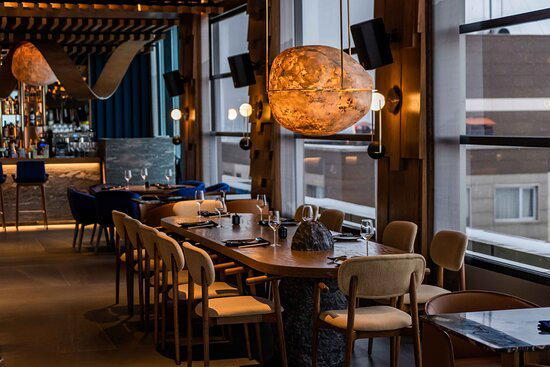
Where the Meal Begins Before the First Bite
Haeundae-gu has long been Busan's most internationally oriented district, shaped by a beachfront economy that draws both domestic tourists and a consistent foreign crowd. Within that setting, a quieter set of restaurants has developed along the residential streets running back from the main coastal strip, where Japanese omakase counters have established a foothold distinct from the area's louder dining options. Iwa sits on Haeundaehaebyeon-ro, in that residential corridor, and the premise of the meal is set before a single course arrives: this is a kitchen organised around a single technical principle, applied systematically across every ingredient on the counter.
That principle is aging. The chef at Iwa holds a patent for fish-aging methodology, a credential that places this restaurant in a very specific and narrow peer group globally. Patented aging technique is not a marketing position common in Japanese cuisine, where aging is practiced widely but rarely formalised to the level of intellectual property. The result is that Iwa enters the omakase conversation with a verifiable technical distinction rather than a lineage claim or an award citation alone.
The Arc of an Iwa Omakase
Omakase dining by definition hands sequencing authority to the kitchen, but at Iwa the progression is shaped by a specific variable that most counters do not formally declare: readiness. Because all fish are aged a minimum of four days, and because the chef determines the optimal aging window for each species individually based on its type, condition, and characteristics, the composition of any given evening shifts. The ratio of sushi to sashimi to broader Japanese preparations changes with what the kitchen judges to be at peak expression. There is no fixed arc in the way a scripted ten-course menu has a fixed arc. The meal's shape is a consequence of the aging calendar.
This approach produces what the restaurant describes as stable, full-bodied flavors, a phrase that points to something specific in the biochemistry of aging: enzyme activity breaking down muscle proteins to produce deeper umami and a softer, more yielding texture than the same fish served fresh. For a diner accustomed to the bright, clean sharpness of same-day sashimi, aged fish reads differently from the first piece. The contrast is structural, not just a matter of intensity.
The implication for how to read the progression is that early courses tend to establish a baseline before the kitchen moves toward fish at the outer edge of their aging window, where flavor is most concentrated. Whether a given evening moves from lighter white fish through aged fatty cuts to warmer, cooked preparations depends entirely on what the chef has decided is ready. The format is technically an omakase but functionally closer to a harvest meal, where the kitchen determines the menu by what's at its peak rather than by a pre-set script.
Iwa in Busan's Japanese Dining Tier
Busan's Japanese restaurant scene divides into a direct hierarchy. At the leading sits a small group of Michelin-recognised counters: Mori, a Japanese omakase at the ₩₩₩ tier with a Michelin star, represents the city's most formally credentialed end of that category. Iwa prices at ₩₩, a full tier below, which puts it alongside contemporaries such as Palate (Contemporary) in terms of spend, while operating with a technical specialisation that is atypical for that price band. The patent-backed aging methodology is more commonly associated with higher-tier counters in Japanese cities. In Busan, that technique arriving at a ₩₩ price point is a structural anomaly worth noting.
For context outside Busan's immediate scene, the aging approach at Iwa invites comparison with how Japanese restaurants in Tokyo have repositioned around technique-led differentiation. Counters like Myojaku and Azabu Kadowaki in Tokyo, or Isshisoden Nakamura in Kyoto, demonstrate how Japanese fine dining outside Busan operates within deeply established culinary traditions. Iwa's position within Busan suggests that technique-forward Japanese dining is developing a local vocabulary in Korea's second city rather than simply replicating formats from the north. Seoul's high-end dining scene, anchored by restaurants like Mingles and Gaon, has long been the national reference point; Busan is building something different.
Busan also has a strong domestic Korean dining identity worth holding alongside any Japanese counter: Eutteum Iroribata, Haemok, and Zero Base are among the addresses shaping the city's own culinary voice. Korean fine dining elsewhere in the country ranges from temple food at Baegyangsa Temple to the tasting-menu precision of Kwon Sook Soo and inventive regional cooking at The Flying Hog in Seogwipo. Iwa occupies a different register entirely, but a Busan trip that includes both the local Korean canon and a seat at a technically grounded Japanese counter tells a more complete story about where the city's dining is going.
Planning a Visit
Iwa is located at 13 Haeundaehaebyeon-ro 209beon-gil in U-dong, Haeundae-gu, in the broader Haeundae district. The address places it within walking distance of the Haeundae Beach corridor, making it a practical evening option for visitors already based in that part of the city. The restaurant prices at ₩₩, positioning the omakase as accessible relative to the upper tier of Busan's Japanese counters. Walk-in availability is not something that can be assumed for a counter running an ingredient-dependent daily menu.
For a fuller picture of what the city offers beyond this address, see our full Busan restaurants guide, our full Busan hotels guide, our full Busan bars guide, our full Busan wineries guide, and our full Busan experiences guide.
Frequently asked questions
Does Iwa have a Michelin star or similar recognition?
Iwa has received recognition including: The chef, who holds a patent for the aging of fish, prepares aged ingredients with clear intent. Such meticulous preparation, combined with diverse selections, produces stable flavors and gastronomic delights. Depending on the ingredients a….
What should I order at Iwa?
The format is omakase, so the kitchen determines the full sequence. The composition shifts between sushi, sashimi, and other Japanese dishes depending on what the chef considers ready on a given day. Every protein served has been aged a minimum of four days, with the precise aging window selected per species and condition. There is nothing to order; the point is to let that aging-driven logic play out across the meal.
What should I budget for a meal at Iwa?
Pricing at Iwa is listed as ₩₩.
What's the address for Iwa?
Iwa is located at 13 Haeundaehaebyeon-ro 209beon-gil, U-dong, Haeundae-gu, Busan, South Korea, Busan.
Can I walk in to Iwa?
Walk-ins are unlikely to succeed at a counter running an ingredient-dependent daily omakase. Busan's higher-tier Japanese counters, including those in Haeundae-gu, operate on reservations that allow the kitchen to calibrate sourcing around confirmed seat counts. Contacting Iwa in advance through its Haeundae address at 13 Haeundaehaebyeon-ro 209beon-gil is the practical route to securing a seat.
A Credentials Check
| Venue | Cuisine | Price | Awards | Notes |
|---|---|---|---|---|
| IwaThis venue (the venue you are viewing) | Aged Fish Omakase | Not listed | Michelin Plate | Not listed |
| Palate | Contemporary French with Korean Fusion | $150–200 | 1 Michelin Star · La Liste Top Restaurants | Contemporary |
| Mori | Japanese Kaiseki | $200–300 | 1 Michelin Star | Japanese |
| Born and Bred | Modern Hanwoo Beef Omakase Steakhouse | $100–150 | Michelin Plate · World's 50 Best #51 | Steakhouse |
| 100.1. Pyeongnaeng | Pyongyang-style Naengmyeon | $10–20 | Michelin Bib Gourmand | Not listed |
| Anmok | Modern Korean Dwaeji-Gukbap | $10–20 | Michelin Bib Gourmand | Not listed |
Recognition history
Dated appearances from independent guides and award organizations, with the underlying list record or original source where available.
Michelin Plate
Michelin
Full recognition history (3 entries)
Michelin Plate
Michelin
Michelin Plate
Michelin
Continue exploring
More in Busan
Restaurants in Busan
All restaurants in Busan →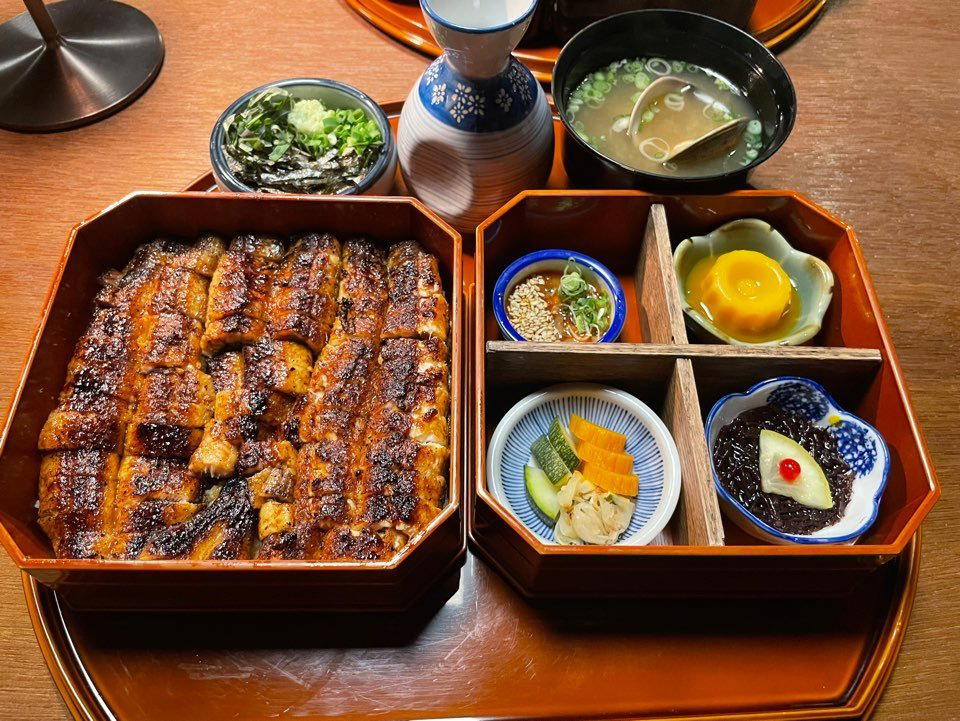
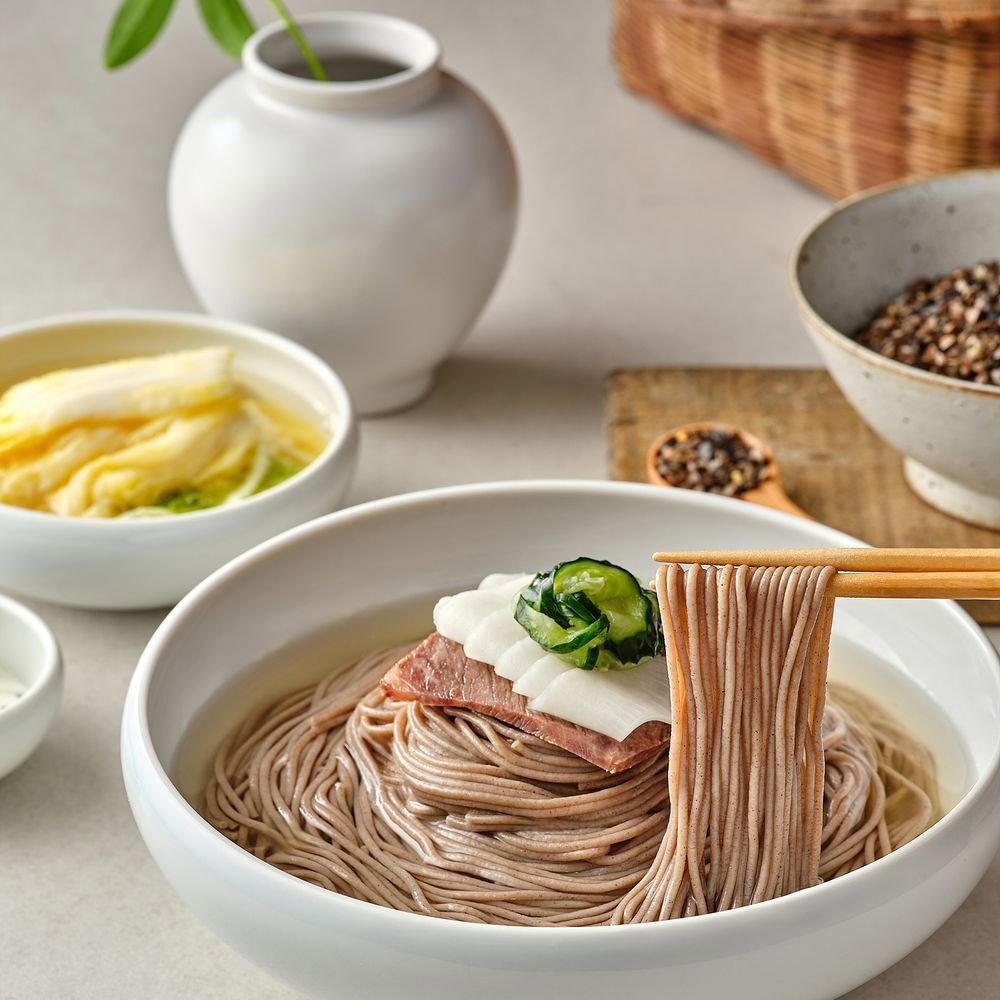
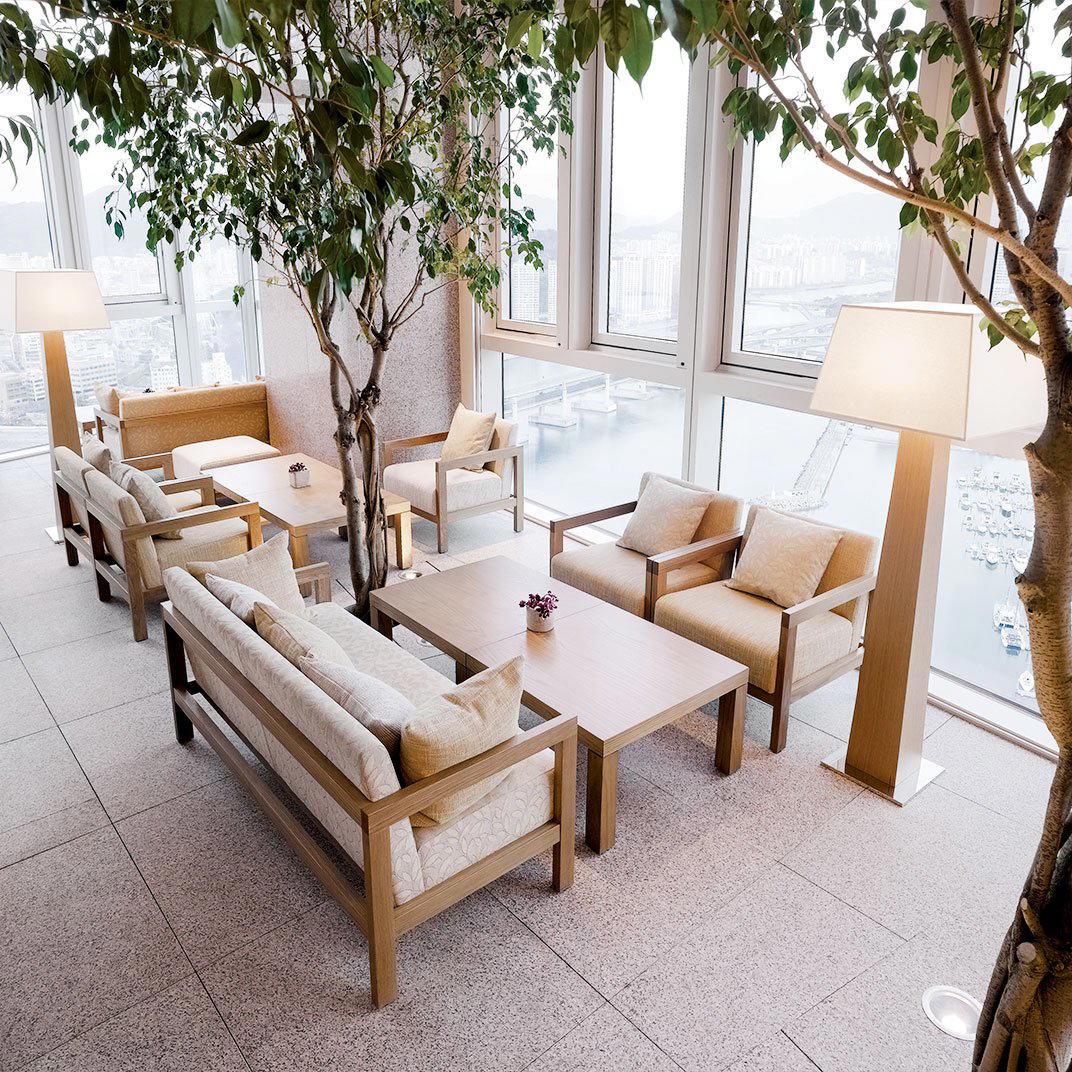
Bars in Busan
All bars in Busan →
Details
- Intimate
- Elegant
- Minimalist
- Sophisticated
- Solo
- Date Night
- Special Occasion
- Chefs Counter
- Sake Program
- Omakase
Current opening hours
- Monday
- 11:30 AM–10 PM
- Tuesday
- 11:30 AM–10 PM
- Wednesday
- 11:30 AM–10 PM
- Thursday
- 11:30 AM–10 PM
- Friday
- 11:30 AM–10 PM
- Saturday
- 11:30 AM–10 PM
- Sunday
- 11:30 AM–10 PM
Hours can change for holidays and private events. Hours as of .
Calm and intentional serenity with a burnished hinoki counter, focused on purity of ingredient and precise technique.