Tooru

Michelin Plate
Our verdict
Tooru is a bar-counter omakase in Busanjin-gu that positions itself at the intersection of Japanese technique and Korean seasonal produce. Daily-sourced local seafood anchors a menu built around simplicity and peak-season ingredients, with somen dishes served surinagashi-style among the chef's known signatures. For those who return to it regularly, the format rewards attention rather than novelty.

Pearl is the En Primeur Club membership app, where members save venues, book tables and use the concierge.
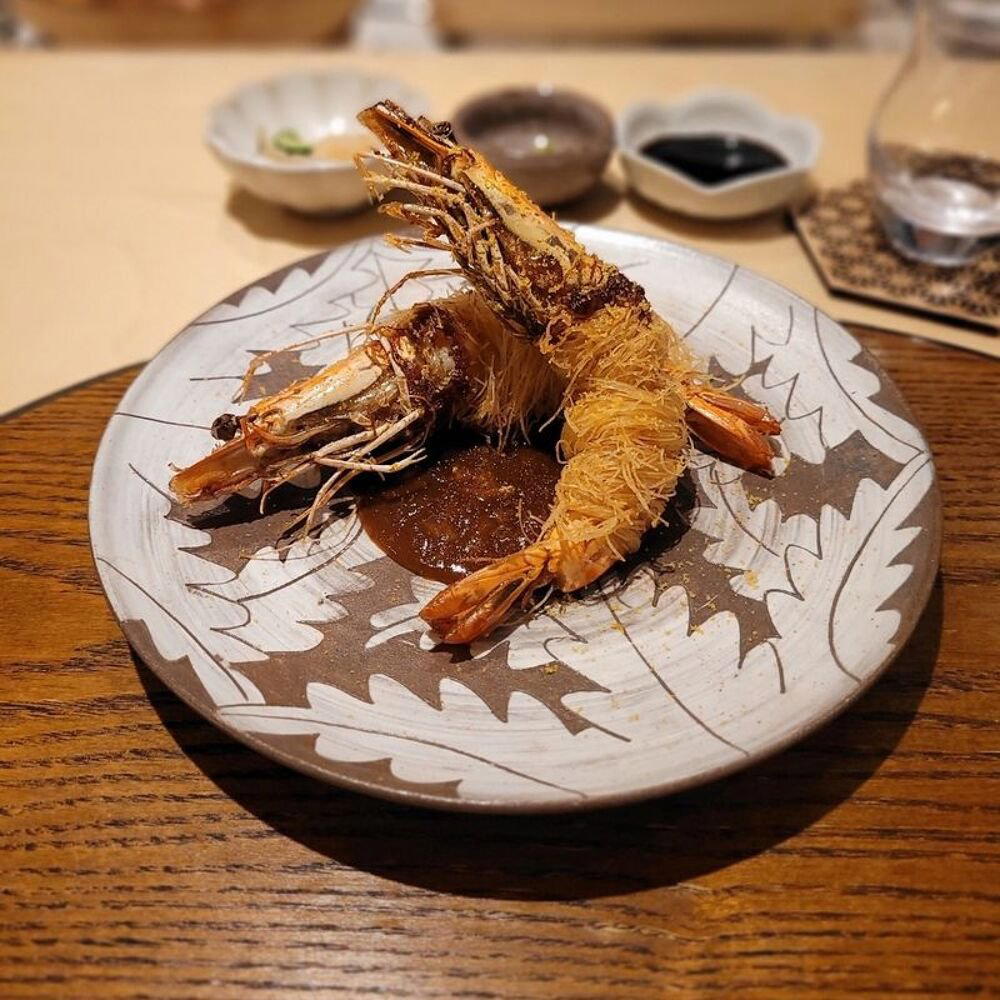
The menu
What to order
- Somen
Counter Dining, Korean Seafood, Japanese Frame
Busan has always had a closer relationship with the sea than almost any other Korean city, and its restaurant culture reflects that proximity in ways that Seoul's increasingly choreographed fine-dining scene does not. The city's fish markets move product that was swimming hours earlier, and the leading kitchens here build their entire logic around that supply chain rather than importing prestige ingredients from further afield. Tooru, on Dongseong-ro in Busanjin-gu, operates inside that tradition: a bar-counter omakase format where the daily catch from local waters determines what appears in front of you. It is not the city's only Japanese-inflected counter, but it occupies a specific position by combining the structural discipline of omakase with Korean ingredients at seasonal peak, rather than defaulting to imported Japanese produce.
What the Bar Counter Does to a Meal
There is a school of thought in omakase culture, well established in Tokyo and increasingly exported, that the bar format is itself the product. You are not simply eating; you are watching decisions get made in real time, observing the relationship between the cook and the material. The compact, bar-centred layout at Tooru enforces that dynamic. In a small room, the distance between chef and guest collapses, and so does the formal separation between service and preparation. The atmosphere that results is relaxed rather than reverential, which aligns Tooru more with the neighbourhood-counter tradition than with the aspirational fine-dining tier represented elsewhere in the city by places like Mori.
That distinction matters when you are thinking about repeat visits. Regulars at counter-format restaurants tend to return not because the menu is fixed but because the relationship with the space accumulates over time. You learn the rhythm. You understand which part of the year brings the leading local shellfish, which month the somen dishes shift from one sauce base to another. The format rewards familiarity in a way that a large-room tasting menu does not.
Seasonality as Structure, Not Decoration
The seasonality principle in Japanese cuisine is not merely aesthetic. It is a structural commitment: what is available at its precise peak determines the menu, and nothing is placed on the counter because it is reliably available or because it is what diners expect. At Tooru, that commitment is doubled by the Korean context. Korean ingredients operate on their own seasonal calendar, and the kitchen here incorporates them at peak rather than treating them as substitutes for Japanese equivalents. The result is a menu logic that is neither purely Japanese omakase nor Korean seafood restaurant, but something that requires both references to understand properly.
Among the dishes for which Tooru has developed recognition are somen preparations served either in the surinagashi style, where a blended, strained vegetable or seafood base provides the broth, or with sauces built from whatever seasonal ingredients are performing well. Somen at this level of attention is not a common reference point in the Korean restaurant context, which makes it a useful signal: this is a kitchen that has absorbed Japanese technique deeply enough to work with delicate noodle formats rather than defaulting to showier preparations. Comparable precision in technique-led Korean-Japanese crossover can be found at Mingles in Seoul or in the more tradition-rooted formats at Baegyangsa Temple in Jangseong-gun, though each operates in a different register.
Where Tooru Sits in Busan's Dining Range
Busan's restaurant options spread across a wide price and format range. At one end sit the single-dish specialists: 100.1. Pyeongnaeng for naengmyeon and 1969 Buwondong Kalguksu for knife-cut noodles, both operating at the lower end of the price register and built around deeply local traditions. At the other end, Born and Bred runs a premium steakhouse format at the top of the city's price tier. Tooru sits between those poles, in a category where the investment is in the omakase format itself: the chef's daily sourcing decisions, the counter interaction, and the accumulated knowledge of what the local sea is producing at any given time. Palate occupies adjacent ground in the contemporary mid-tier, though it operates through a different menu logic.
On the broader Korean spectrum, the omakase format has expanded significantly over the past decade, moving from a niche reserved for Japanese restaurants to a structure adopted across cuisines. Kwon Sook Soo in Gangnam-gu and Double T Dining in Gangneung each demonstrate how the format has been localised across different regional contexts. What distinguishes Tooru's version is the explicit grounding in Busan's seafood supply and the Korean seasonal ingredient calendar, rather than the formal mimicry of a Japanese counter experience.
Planning a Visit
Tooru is located at 38-1 Dongseong-ro 49 beon-gil in Busanjin-gu, a district positioned inland from the waterfront but well-connected to central Busan. For a counter omakase of this format, advance booking is the sensible approach: small-capacity bar counters in this category fill quickly, particularly on weekends, and walk-in availability is not something to rely on. Given the daily-sourced nature of the menu, the experience also shifts meaningfully across seasons, which is reason enough for regulars to return across the year rather than treating a single visit as comprehensive.
For those building a broader Busan itinerary, our full Busan restaurants guide maps the city's dining range across formats and price tiers. The city's bar and drinking culture is documented separately in our full Busan bars guide, and accommodation options across categories appear in our full Busan hotels guide. Further context on experiences and wineries in the region is available through our full Busan experiences guide and our full Busan wineries guide.
Internationally, the combination of technique-driven seafood focus and counter format places Tooru in a tradition that has analogues at very different scales, from the French-inflected precision of Le Bernardin in New York City to the produce-centred American approach at Emeril's in New Orleans, though the Korean-Japanese register is its own distinct category. Closer to home, Pool House in Incheon and The Flying Hog in Seogwipo offer additional data points on how Korean coastal dining contexts shape different restaurant formats.
Frequently asked questions
Does Tooru work for a family meal?
The bar-centred counter format and omakase structure make Tooru a better fit for adult diners focused on the progression of the meal than for families with children. The compact, relaxed atmosphere suits small groups who want to engage with the food as it arrives, course by course.
What's the vibe at Tooru?
The counter layout keeps the room intimate and unhurried. Despite the compact size, the bar-centred design creates a comfortable, relaxed atmosphere rather than a formal or pressured one. It sits closer to a focused neighbourhood counter than a ceremony-heavy tasting room.
Has Tooru won any awards?
Tooru has received recognition including: The chef crafts the omakase around daily-sourced seafood, highlighting a spectrum of nuanced flavours. Staying true to the seasonality central to Japanese cuisine, he incorporates Korean ingredients at their peak. Local seafood takes centre….
What do people recommend at Tooru?
The somen dishes are among the chef's signatures, served either surinagashi-style or with sauces built from seasonal Korean ingredients. Beyond those, the omakase shifts with daily-sourced local seafood, so the specific dishes change, but the throughline is Korean produce inside a Japanese seasonal frame.
Where is Tooru in Busan?
Tooru is located at 38-1 Dongseong-ro 49 beon-gil, Busanjin-gu, Busan.
Should I book Tooru in advance?
Given the compact bar-counter format, seating is limited by design and walk-ins are unlikely to find space. Booking ahead is advisable, particularly around weekends or when Busan's dining scene sees higher visitor traffic. Contact details are not publicly listed, so enquiring through the venue directly or via local concierge services is the practical route.
What has Tooru built its reputation on?
Tooru's reputation rests on an omakase approach that takes Busan's seafood proximity seriously, sourcing daily and anchoring the menu in simple, authentic recipes rather than technical showmanship. The integration of Korean ingredients at seasonal peak into a Japanese omakase structure gives the counter a specific regional identity that sets it apart from Tokyo-derivative formats appearing elsewhere in Korea.
A Lean Comparison
Comparable venues nearby, for context on price, style, and recognition.
| Venue | Cuisine | Price | Awards | Notes |
|---|---|---|---|---|
| TooruThis venue (the venue you are viewing) | Japanese Kaiseki with Local Seafood | Not listed | Michelin Plate | Not listed |
| 코르 파스타바 | Modern Italian Pasta Bar | $10–20 | Michelin Bib Gourmand | Jeonpo 1(il)-dong, Traditional Japanese Kaiseki Omakase |
| Meerok Super | Creative Asian Fusion Tasting Menu | Not listed | Michelin Plate | Millak-dong, Creative Asian Fusion Tasting Menu |
| Osteria Aboo | Authentic Southern Italian with Busan Seafood | $50–100 | Michelin Plate | Jeonpo 1(il)-dong, Authentic Southern Italian with Busan Seafood |
| Shunsai Kubo | Japanese Unagi Hitsumabushi | $20–30 | Michelin Bib Gourmand | Hwamyeong2-dong, Japanese Unagi Hitsumabushi |
| Eutteum Iroribata | Japanese Irori Omakase | $50–100 | Michelin Plate | Namcheon 1(il)-dong, Japanese Irori Omakase |
Recognition history
Dated appearances from independent guides and award organizations, with the underlying list record or original source where available.
Michelin Plate
Michelin
Continue exploring
More in Busan
Restaurants in Busan
All restaurants in Busan →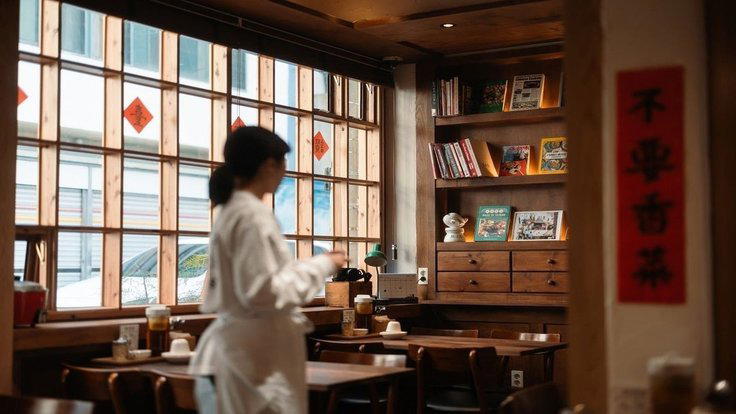
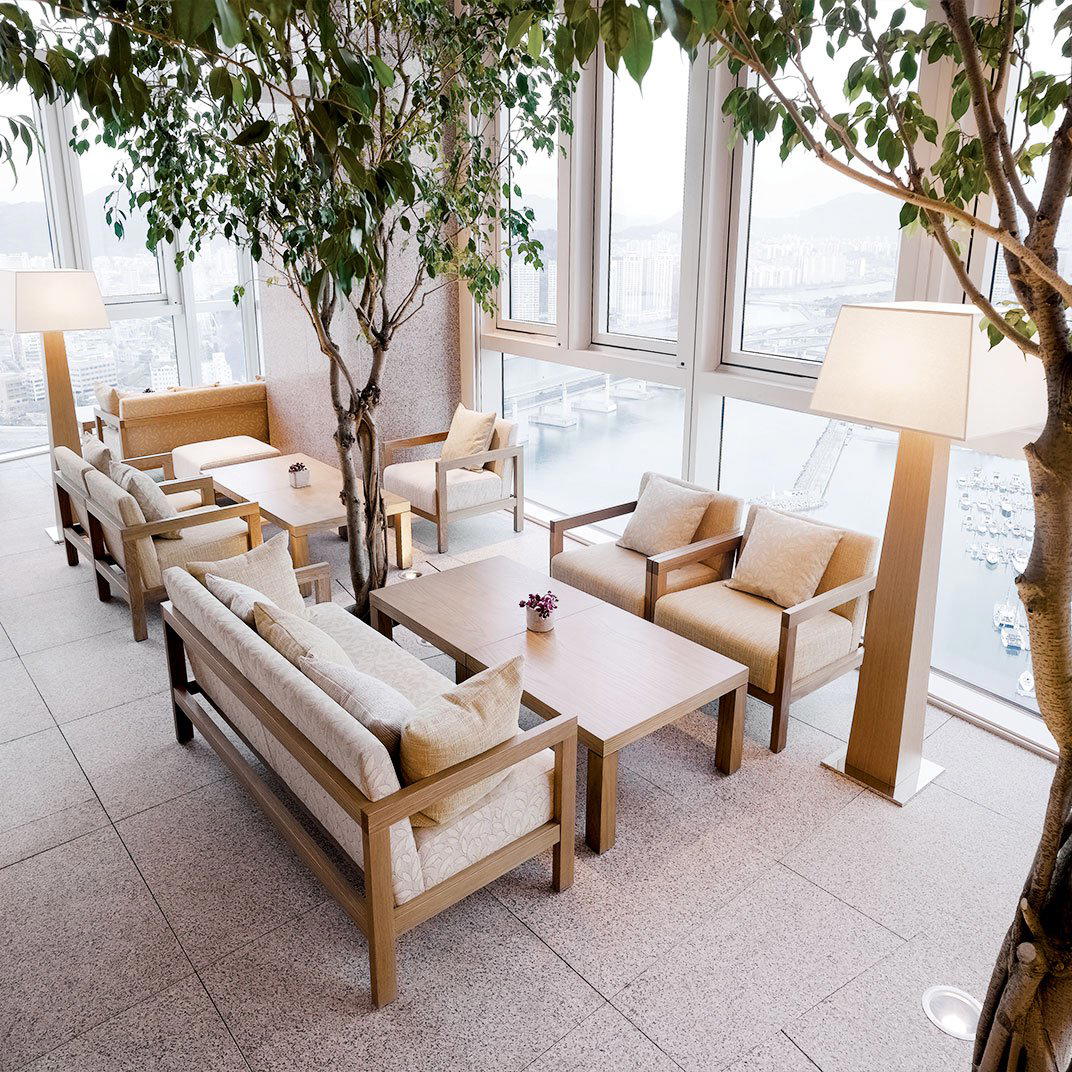
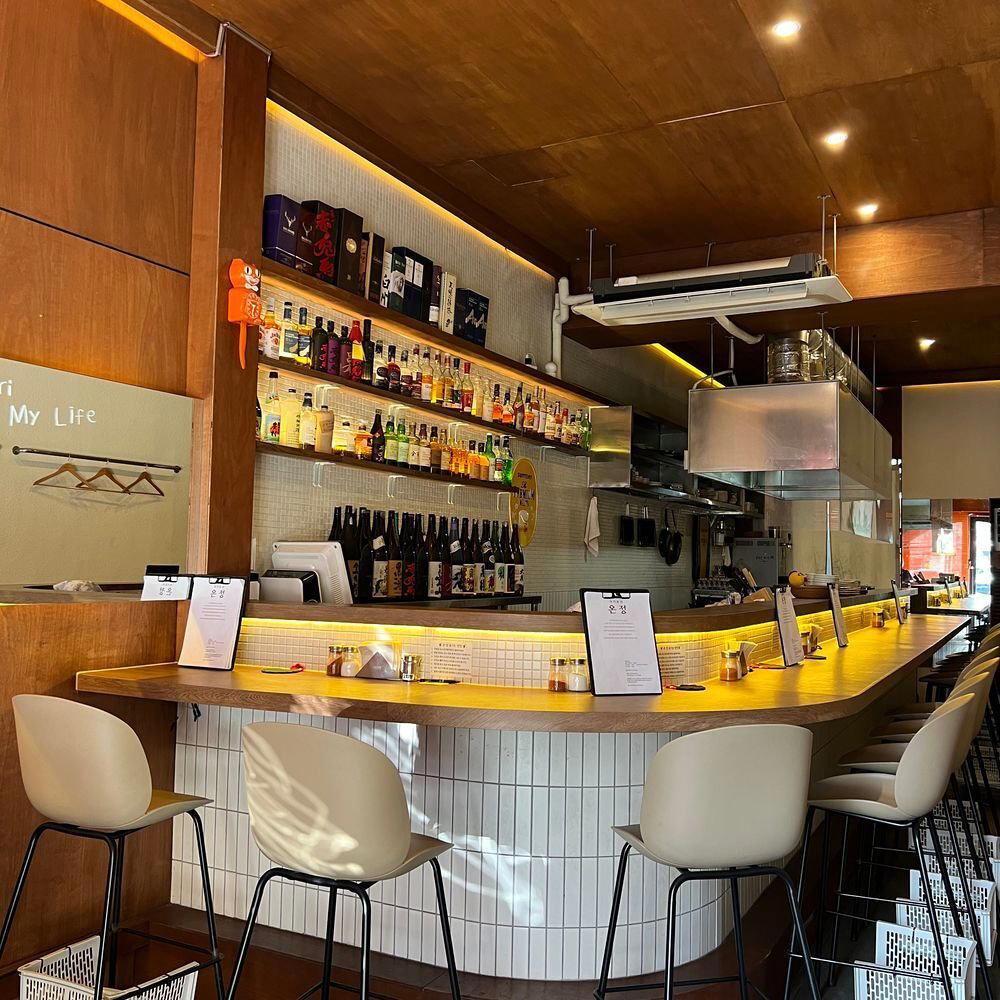
Bars in Busan
All bars in Busan →
Details
- Intimate
- Elegant
- Modern
- Date Night
- Special Occasion
- Local Sourcing
- A La Carte
Intimate, counter-centered space fostering an elegant and focused dining atmosphere.