Fiotto



1 Michelin Star · World's 50 Best #99
Our verdict
A husband-and-wife Italian tasting menu operation in Dalmaji, Haeundae, where almost everything on the table originates from their own family farm or kitchen: house-grown vegetables, fresh-cut pastas, cured hams, and fermented vinegars. The format is intimate and reservation-only, with a recently renovated space that rewards the detour from Busan's coastal dining belt.

Pearl is the En Primeur Club membership app, where members save venues, book tables and use the concierge.
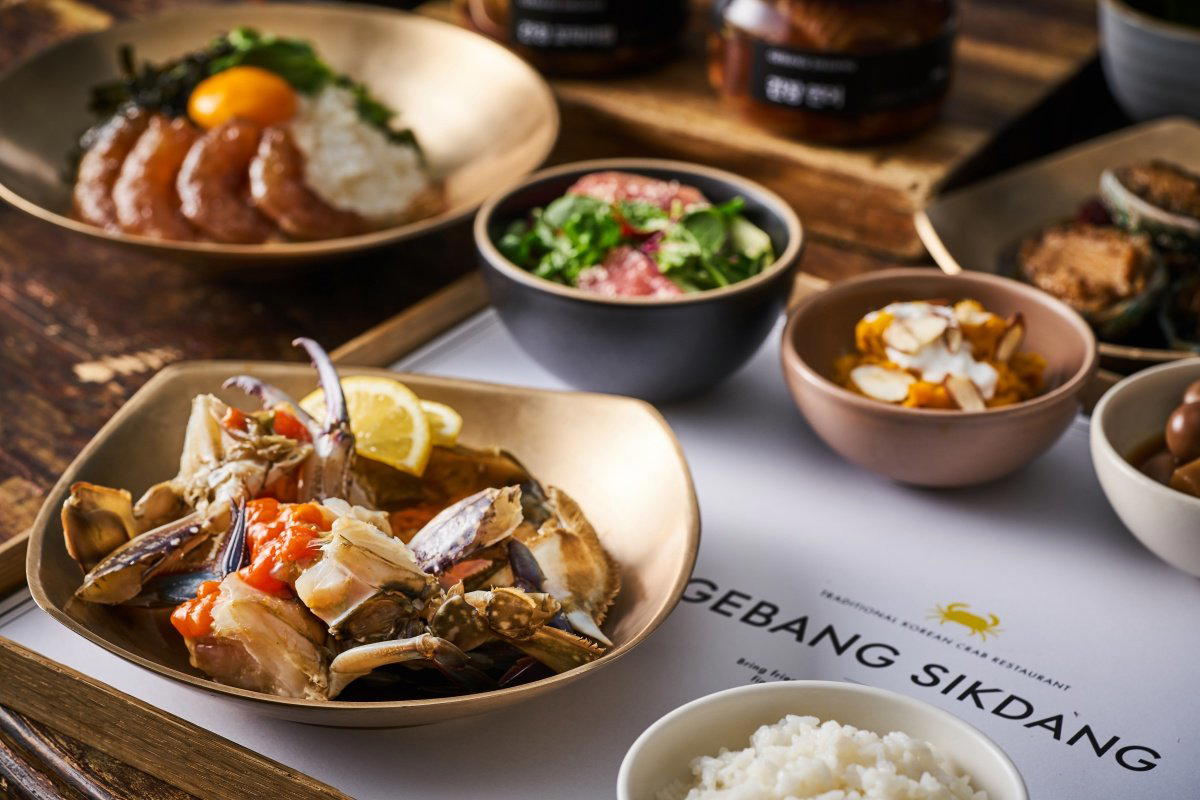
The menu
What to order
- Handmade pasta with farm vegetables
- Butternut squash mille-feuille with house-cured speck
- Seasonal eggplant preparations
- Kombucha-paired courses
A Hill Above the Coast: Dalmaji's Quiet Restaurant Quarter
The drive up through Dalmaji puts distance between you and Haeundae's beachfront strip in a way that feels deliberate. This hillside neighbourhood above Busan's eastern shore has long attracted a particular kind of operation: smaller, more considered, less dependent on foot traffic. Fiotto sits within that pattern, at 432 Jwadongsunhwan-ro, a location that requires intent to reach but rewards the effort with a dining room atmosphere distinct from anything down at sea level.
The physical space, recently renovated, reads as intimate rather than minimal. The scale is kept small by design, the kind of room where background noise never competes with conversation and where the sequence of courses can unfold at a pace that a larger room rarely permits. For Busan's Italian dining category, which tends to cluster around casual trattorias in Gwangan and beach-adjacent spots in Haeundae proper, an operation like Fiotto occupies a different tier: tasting menu format, fixed-seat service, and an ingredient philosophy that shapes the menu before a single dish is plated.
The Collaboration at the Core
Fiotto is run by a husband-and-wife team, and that operational structure is worth examining beyond the biographical detail. In the broader context of Korean fine dining, the most compelling small restaurants are often built around a tight two-person core where responsibility is genuinely shared rather than nominally divided. Think of how Seoul's tightly held tasting menu operations at places like Mingles or Gaon coordinate kitchen and front-of-house as a single curatorial act. At Fiotto, the kitchen and service relationship functions in a similar register: when the same people who grow the vegetables and cure the ham are also managing the room and pacing the meal, there is no translation layer between conception and delivery.
That integration shows in the sourcing. The vegetables arrive from a family farm rather than a supplier, the pastas are cut fresh in-house, the hams are cured on-site, and the fermented vinegars and syrups come from a house kombucha program. Each of those elements represents a decision to absorb production complexity rather than outsource it, and at the ₩₩ price point, it represents unusual value for the depth of preparation involved. Compare that to Busan's other tasting format options: Palate operates in the same ₩₩ band with a Michelin star and a contemporary format, while Mori steps up to ₩₩₩ for its Japanese omakase. Fiotto holds its ground in a different culinary register but at a comparable commitment level.
Italian Form Through a Korean Lens
What the menu at Fiotto does with Italian structure is instructive for understanding where Korean fine dining is heading. The flour-based backbone of Italian cooking, pasta, bread, is retained, but the ingredient logic running underneath it is distinctly local and seasonal. Farm-grown vegetables dictate the colour and weight of dishes; the fermentation program introduces acidity and depth that function where Italian wine reductions or aged cheese might in a European context. The result sits within the Italian tasting format without feeling transplanted. It is lighter than a comparable Italian menu would be in Milan or Rome, reflecting both the farm-sourced ingredients and a Korean sensitivity to balance and restraint.
This kind of productive friction between European form and Korean ingredient logic appears elsewhere in the country's dining scene. Kwon Sook Soo in Gangnam does it with Korean fine dining format itself. Baegyangsa Temple in Jangseong-gun works a related concept through monastic Korean food. The crossover conversation is consistent: when a kitchen controls its own sourcing at this level, the cuisine category becomes almost secondary to the ingredient discipline.
Where Fiotto Sits in Busan's Restaurant Map
Busan's dining range is wider than most international visitors expect. At the price floor, operations like Anmok for dwaeji-gukbap and 100.1. Pyeongnaeng for naengmyeon anchor the ₩ tier with serious craft. At the upper end, Born and Bred pushes into ₩₩₩₩ steakhouse territory. Fiotto occupies the ₩₩ middle band but at a production depth that sits closer to the upper tier in terms of kitchen labour.
The Dalmaji address also places Fiotto outside the standard tourist circuit. Visitors working through a Busan itinerary anchored in Haeundae or Gwangan will need to plan the trip specifically, but the neighbourhood rewards the extension. The hillside position, the quieter approach roads, and the generally lower density of restaurants up here all contribute to a meal that feels set apart from the city's more competitive dining corridors.
Planning Your Visit
A reservation is required and, given the intimate scale of the space, should be made well in advance of your intended visit. The tasting menu format means walk-ins are not a practical option. Fiotto is located at 432 Jwadongsunhwan-ro in Haeundae-gu, on the Dalmaji hillside above Haeundae Beach. The address is accessible by taxi from central Haeundae in a short ride, though the winding hill roads make rideshare apps more direct than public transit for most visitors. For context on the broader Busan dining scene, maps the city's range across cuisines and price points. You can also explore hotels, bars, wineries, and experiences across the city through our dedicated guides.
For comparison outside Korea, the closest operational model internationally involves chef-driven, self-sourcing small-format operations: the ethos has parallels with Le Bernardin's product-first discipline in New York or the ingredient transparency that defines Atomix's tasting format. The scale is entirely different, but the commitment to controlling the ingredient chain from production to plate is the shared characteristic. For Korean counterparts in the tasting format register, The Flying Hog in Seogwipo and Emeril's in New Orleans represent different expressions of the chef-driven independent model Fiotto belongs to. The Dalmaji address and the ₩₩ price point make it one of the more accessible entry points into serious tasting menu dining in South Korea's second city.
Frequently asked questions
What's the best thing to order at Fiotto?
Fiotto runs a set tasting menu, so the choice is already made for you. The kitchen builds each course around ingredients the couple produces themselves, vegetables from their family farm, fresh-cut pastas, house-cured hams, and fermented vinegars and syrups. The flour-based courses like pasta and bread are reportedly light rather than heavy, which reflects the kitchen's focus on natural preparation. A reservation is required, and given the restaurant's intimate scale, it should be secured well ahead of your visit.
What part of town is Fiotto in?
Fiotto is located at 432 Jwadongsunhwan-ro, Haeundae-gu, Busan, South Korea, Busan.
Credentials Lens
| Venue | Cuisine | Price | Awards | Notes |
|---|---|---|---|---|
| FiottoThis venue (the venue you are viewing) | Farm-to-Table Italian Tasting Menu | $100–150 | 1 Michelin Star · World's 50 Best #99 | Not listed |
| Palate | Contemporary French with Korean Fusion | $150–200 | 1 Michelin Star · La Liste Top Restaurants | Contemporary |
| Mori | Japanese Kaiseki | $200–300 | 1 Michelin Star | Japanese |
| Born and Bred | Modern Hanwoo Beef Omakase Steakhouse | $100–150 | Michelin Plate · World's 50 Best #51 | Steakhouse |
| 100.1. Pyeongnaeng | Pyongyang-style Naengmyeon | $10–20 | Michelin Bib Gourmand | Naengmyeon |
| Anmok | Modern Korean Dwaeji-Gukbap | $10–20 | Michelin Bib Gourmand | Dwaeji-gukbap |
Recognition history
Dated appearances from independent guides and award organizations, with the underlying list record or original source where available.
Michelin 1 Star
Michelin
World's 50 Best Asia's Best Restaurants #99
World's 50 Best
Opinionated About Dining Top Restaurants in Asia Recommended
Opinionated About Dining
Continue exploring
More in Busan
Restaurants in Busan
All restaurants in Busan →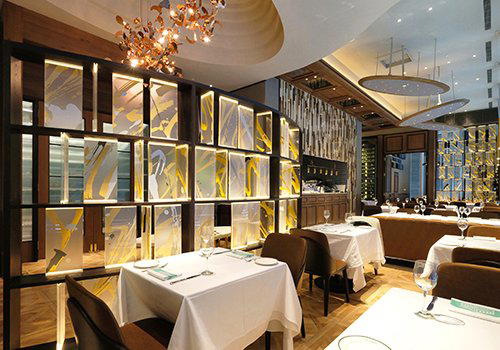
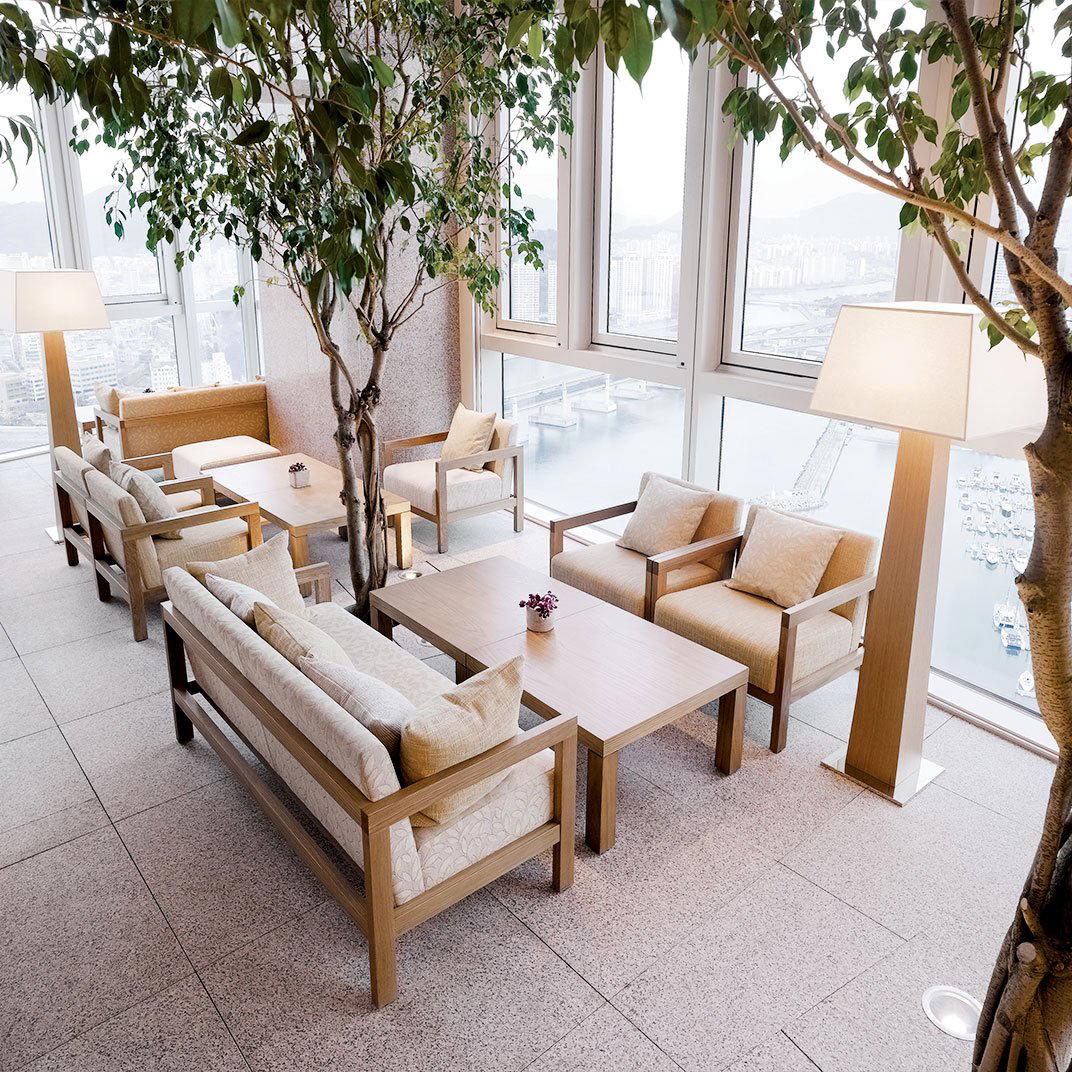
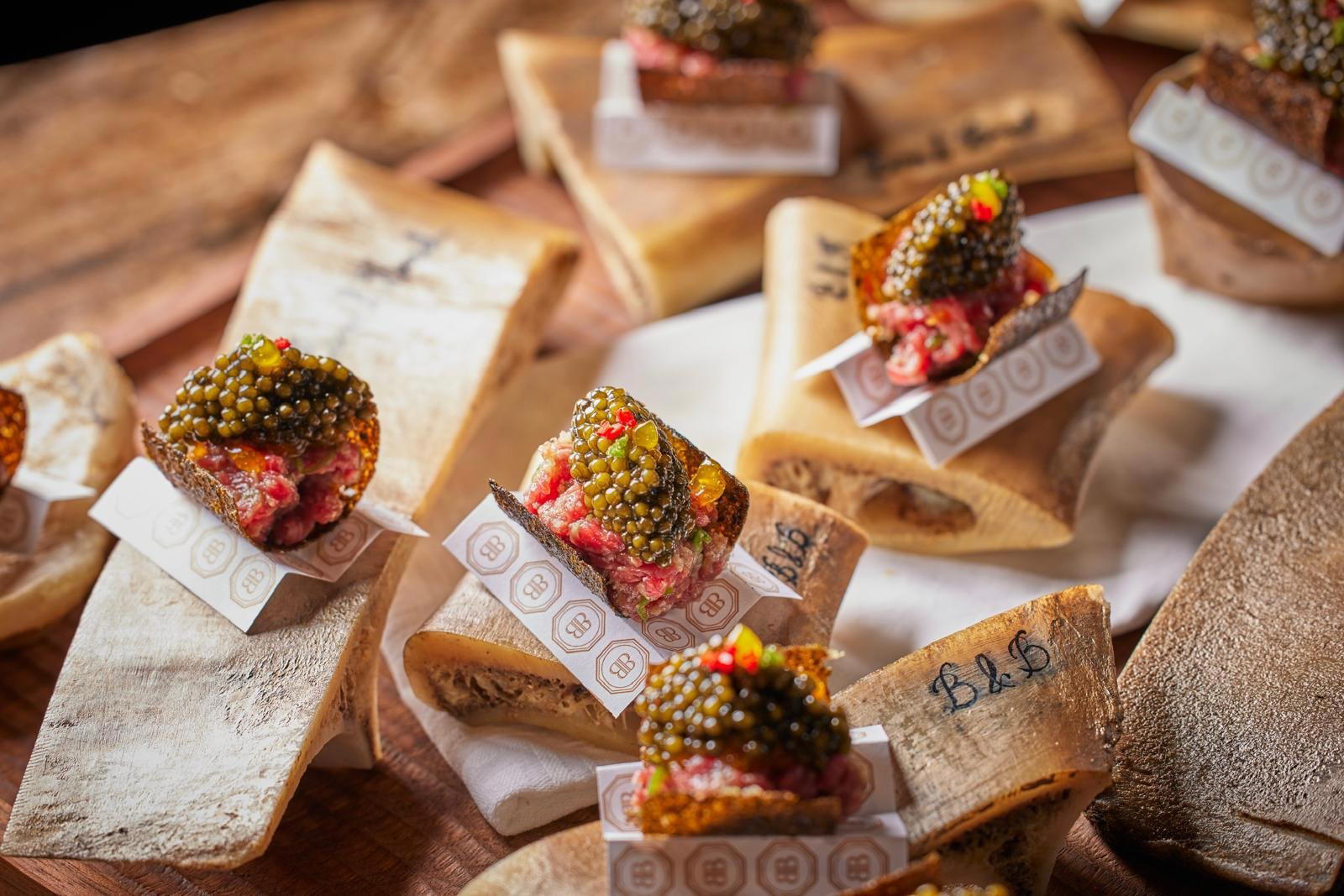
Bars in Busan
All bars in Busan →
Details
- Intimate
- Elegant
- Sophisticated
- Quiet
- Special Occasion
- Date Night
- Celebration
- Open Kitchen
- Chefs Counter
- Natural Wine
- Sommelier Led
- Farm To Table
- Organic
- Local Sourcing
- Zero Waste
- Tasting Menu
- Counter Dining
- Natural Wine
- Kombucha Pairings
- Vegetarian Friendly
- Organic Focus
- Allergy Accommodating
Current opening hours
- Monday
- Closed
- Tuesday
- Closed
- Wednesday
- 5–10 PM
- Thursday
- 5–10 PM
- Friday
- 5–10 PM
- Saturday
- 5–10 PM
- Sunday
- 5–10 PM
Hours can change for holidays and private events. Hours as of .
Intimate and charming with a single long communal table and open kitchen, creating a transparent farm-to-table narrative with minimal, natural lighting that emphasizes the purity of seasonal ingredients.