ë경밥ì
Our verdict
ë경밥ì serves Korean BBQ in Busan, with Dongnae-style galbi and samgyeopsal, plus beer and sake for a dinner-focused, casual stop.

Pearl is the En Primeur Club membership app, where members save venues, book tables and use the concierge.
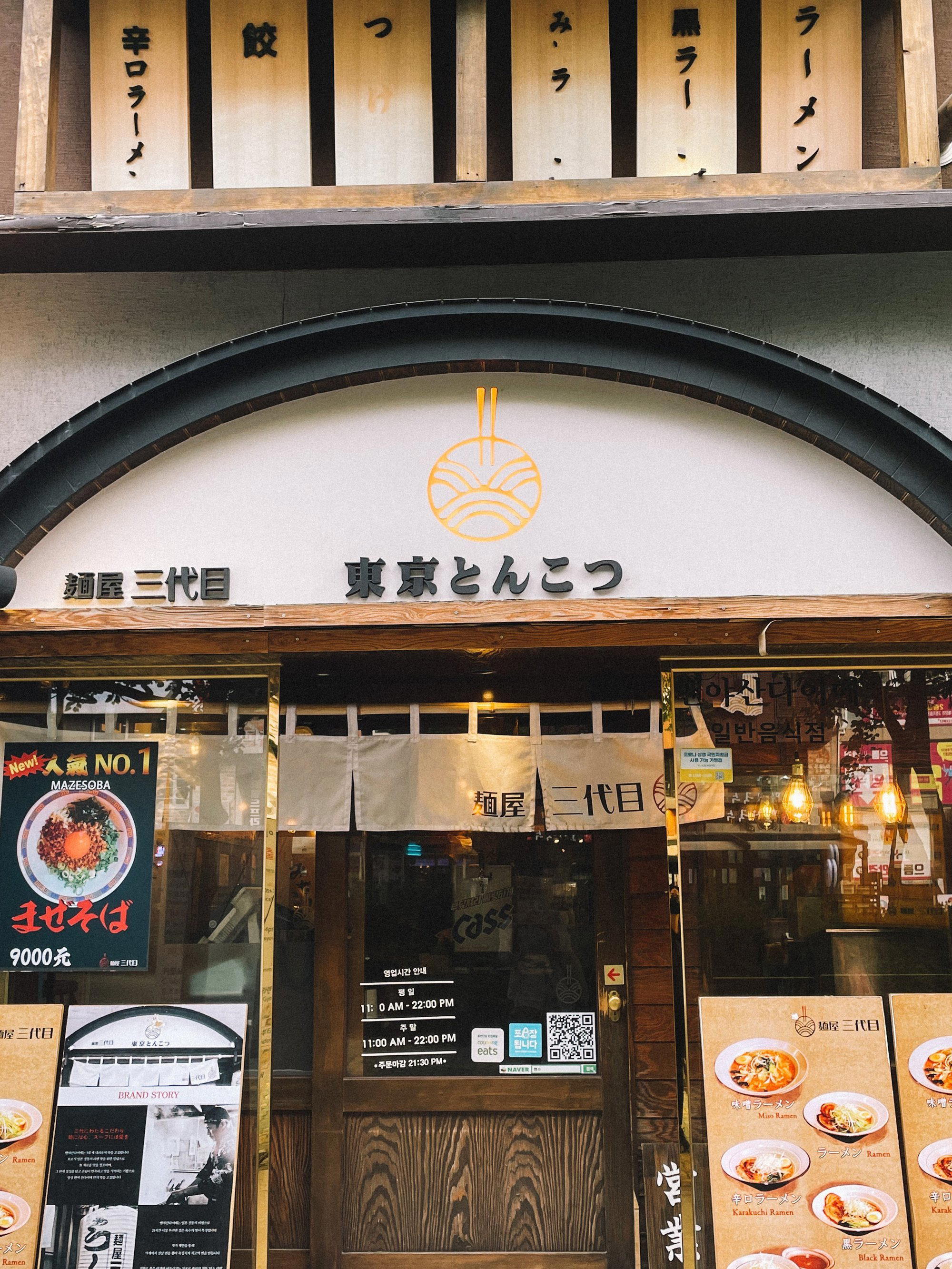
Where Suyeong-gu Meets the Table
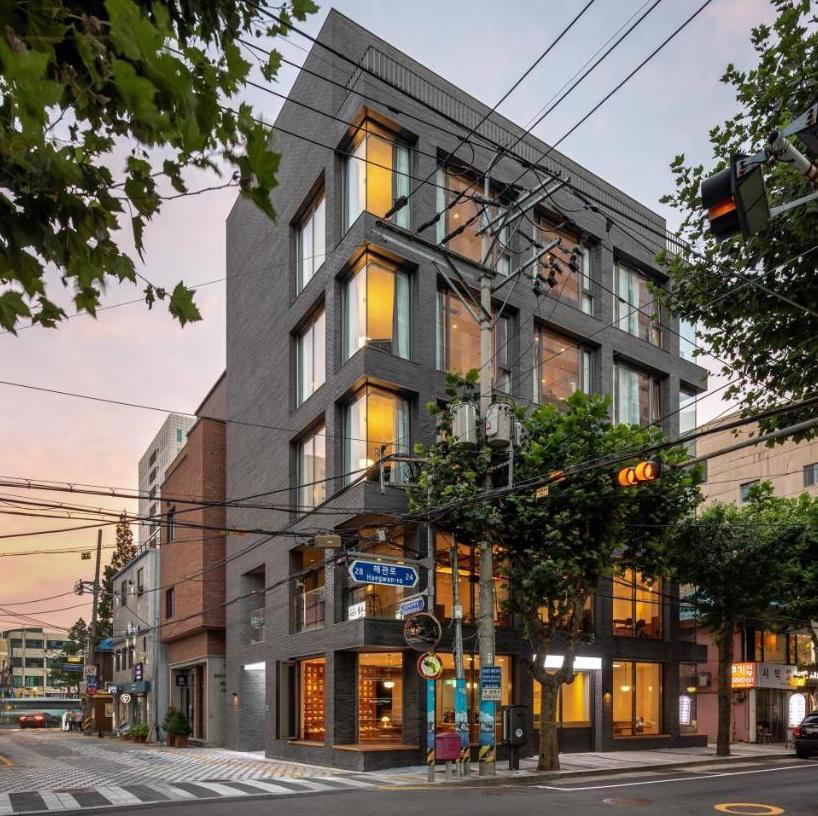
The Suyeong district of Busan sits at a remove from the tourist circuits clustered around Haeundae and Jagalchi. Its residential streets carry the quieter rhythms of a neighbourhood that feeds itself rather than performs for visitors. Along Namcheonbada-ro, the dining culture reflects that disposition: places built on repetition and familiarity, where the meal follows a understood sequence and the room expects you to know your part. 도경밥상 (Dogyeong Bapsang) operates inside that tradition, and its address at 34-6 Namcheonbada-ro puts it squarely within the everyday grain of Suyeong rather than on any well-worn visitor route.
The Grammar of the Korean Table Setting
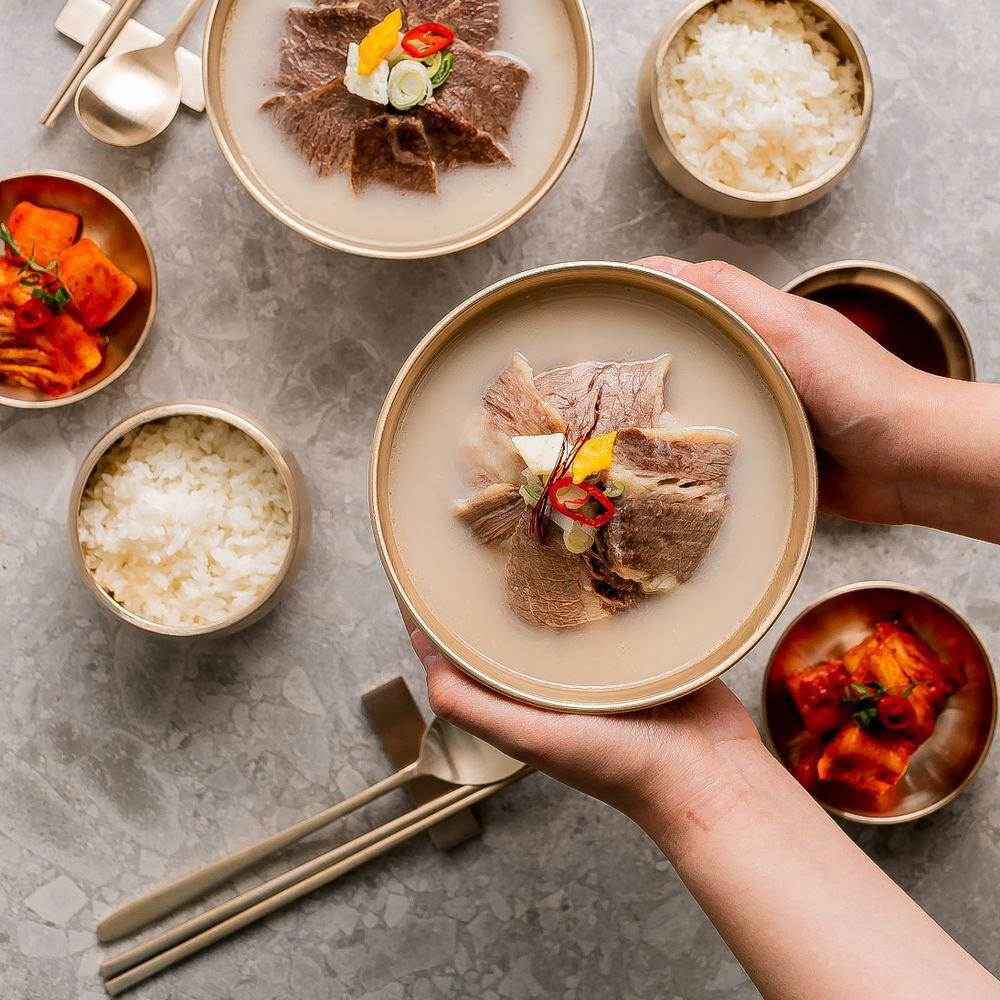
The word bapsang translates roughly as "rice table" but the concept carries more weight than the literal meaning suggests. A bapsang is a composed spread: a central bowl of rice, a bowl of soup or stew, and an arrangement of banchan (side dishes) that might number anywhere from four to twelve depending on the register of the meal. The pacing is non-linear. Diners move between components at will rather than progressing through a fixed sequence, which is precisely the opposite of the tasting-menu logic you find at somewhere like Palate in Busan or the omakase structures at Mori. That freedom is the ritual. Knowing when to reach for the kimchi, when to pour broth over rice, and when to leave space between bites is the etiquette the table communicates through its arrangement rather than through instruction.
This format sits at the opposite end of the local price spectrum from Born and Bred (₩₩₩₩) and in different categorical territory from specialist single-dish operations like 100.1. Pyeongnaeng or 1969 Buwondong Kalguksu. The bapsang model is about breadth and balance within a single sitting, not depth in one dish. It is one of the more demanding formats to execute well precisely because every component competes for attention simultaneously.
Busan's Domestic Dining Register
Busan has a distinct culinary identity within South Korea, shaped by its port history, its seafood supply, and the displaced northern cooking traditions that arrived during the Korean War. That last influence runs through the city's noodle and broth culture especially, which is why 1969 Buwondong Kalguksu carries a kind of historical resonance beyond its immediate menu. The bapsang tradition draws on different roots: the home kitchen, the farmhouse table, the idea that a meal should reflect seasonal abundance rather than a single technique. It is a format that Korean food scholars trace to the Joseon-period aristocratic table, though today it operates across registers from institution canteens to destination restaurants.
Seoul has developed this format into prestige territory. Kwon Sook Soo in Gangnam-gu represents the formal, research-driven end of that evolution, where traditional hansik structure meets high-end hospitality design. Mingles in Seoul approaches Korean culinary tradition from a different angle, weaving Western technique into its architecture. Busan's domestic dining scene has remained more vernacular, more connected to the city's working rhythms, which gives neighbourhood operations in Suyeong a different character from their capital-city counterparts.
How the Meal Unfolds
Approaching a bapsang-style meal with the right expectations makes a significant practical difference. The table arrives mostly assembled rather than sequentially served, so the first few minutes are orientation: locating the soup, reading the banchan, deciding whether to begin with the rice or to open with broth. Koreans will often start with a sip of the jjigae (stew or soup) to calibrate temperature and seasoning before committing to the rice. The banchan are shared and refillable at most traditional restaurants, asking for more kimchi or more namul (seasoned vegetables) is not only acceptable but expected. The meal ends when the rice bowl is empty, and there is no expectation of lingering over dessert in the Western mode. It is an efficient form of hospitality, purposeful rather than protracted.
This stands in meaningful contrast to the extended dining ritual at the community-table format you find at something like Lazy Bear in San Francisco, where pacing is orchestrated and participation is part of the design. The bapsang's generosity operates through abundance rather than choreography. The discipline is in the kitchen: producing multiple well-seasoned components simultaneously is a harder coordination task than plating one course at a time.
Regional Context and Comparable Experiences
Travellers building a broader picture of Korean culinary tradition in the south of the country have several reference points worth considering alongside a Busan neighbourhood meal. The temple food tradition, anchored at institutions like Baegyangsa Temple in Jangseong-gun, represents a stricter, vegetable-focused variant of the Korean table built around Buddhist precepts. The fermentation and seasonal preservation traditions that underpin temple food and domestic hansik share the same logic: the meal is a record of place and season, assembled rather than constructed.
Jeju Island's dining culture, represented by operations like Cheon Jee, draws on distinct island ingredients and a seafood-forward identity that Busan shares in part. Further north, Double T Dining in Gangneung illustrates how the East Coast's different seasonal rhythms shape a different expression of Korean ingredients. For a sense of how hansik traditions operate at a community scale in inland settings, Injegol in Inje County and Doosoogobang in Suwon both offer useful comparison points. The Suyeong neighbourhood restaurant sits within this national conversation about what the Korean table means and who it is for.
Planning a Visit
The address at 34-6 Namcheonbada-ro, Suyeong-gu, is accessible from central Busan via the Busan Metro (Suyeong Station on lines 2 and 3 is the practical reference point for the area). Neighbourhood bapsang restaurants in Busan typically operate lunch-heavy schedules, with some closing between lunch and dinner service. Walk-in dining is the cultural norm at this format and price register in Busan's residential districts, but smaller operations can fill quickly at peak lunch hours. For broader context on the Busan dining scene across price tiers and formats, the EP Club Busan restaurants guide maps the city's options by neighbourhood and category. Those planning a more international contrast within a single Busan trip might benchmark against the fine-dining tier represented by Palate, or set a reference point in global seafood-focused formality with Le Bernardin in New York City, the contrast clarifies what Korean domestic dining does differently, and what it does that French classicism cannot.
Frequently asked questions
Where is ë경밥ì located?
ë경밥ì is located at 34-6 Namcheonbada-ro, Suyeong-gu, Busan, South Korea, Busan.
What should I order at 대경밥상?
The format at 대경밥상 is bapsang-style, meaning the table arrives as a composed spread rather than dishes ordered individually. The meal centres on rice alongside a rotating selection of banchan, soup, and seasonal accompaniments. In Busan's context, expect preparations informed by the city's port supply and the displaced northern cooking traditions that shaped the region's domestic table.
Do they take walk-ins at ë경밥ì?
Reservations are recommended for ë경밥ì in Busan. Confirm current policy via the venue's official channels.
What has ë경밥ì built its reputation on?
ë경밥ì is best approached by focusing on the core concept and signature offerings.
Can ë경밥ì handle vegetarian requests?
Dietary accommodations can vary. Flag restrictions in advance via the venue's official channels.
Cuisine and Credentials
Comparable venues nearby, for context on price, style, and recognition.
| Venue | Cuisine | Price | Notes |
|---|---|---|---|
| ë경밥ìThis venue (the venue you are viewing) | Korean BBQ | $20–30 | Not listed |
| ìµìºì°ì | Korean BBQ (Samgyeopsal) | $20–30 | Millak-dong |
| Sea Maru Abalone Porridge | Korean Abalone Porridge | Not listed | Haeundae-gu |
| 훈이네김밥우동 | Korean Gimbap | $1–10 | Haeundae-gu |
| 바다마루 전복죽 | 전복죽 전문 | $10–20 | 해운대구 중동 |
| 동백삼계탕 | Korean Samgyetang (Ginseng Chicken Soup) | $10–20 | Haeundae |
Continue exploring
More in Busan
Restaurants in Busan
All restaurants in Busan →
Bars in Busan
All bars in Busan →
Details
- Cozy
- Intimate
- Group Dining
- Casual Hangout
- Family
- Beer Program
- Sake Program
- A La Carte
- Soju
- Makgeolli
- Vegetarian Friendly
Current opening hours
- Monday
- 11:30 AM–9 PM
- Tuesday
- 11:30 AM–9 PM
- Wednesday
- 11:30 AM–9 PM
- Thursday
- 11:30 AM–9 PM
- Friday
- 11:30 AM–9 PM
- Saturday
- 11:30 AM–9 PM
- Sunday
- 11:30 AM–3 PM, 5–10 PM
Hours can change for holidays and private events. Hours as of .
Warm and inviting with soft lighting and traditional Korean decor creating a homey atmosphere.