Matsuzaki

Michelin Plate
Our verdict
In Suyeong-gu, Matsuzaki runs a kaiseki omakase format that stays close to Japanese culinary fundamentals: a warming soup to open, a seasonal hassun course, and a closing nabemono of rice, vegetables, and fish. The intimate space is decorated with fine tableware and the chef's mother's paintings, making it one of Busan's more considered Japanese dining addresses.

Pearl is the En Primeur Club membership app, where members save venues, book tables and use the concierge.
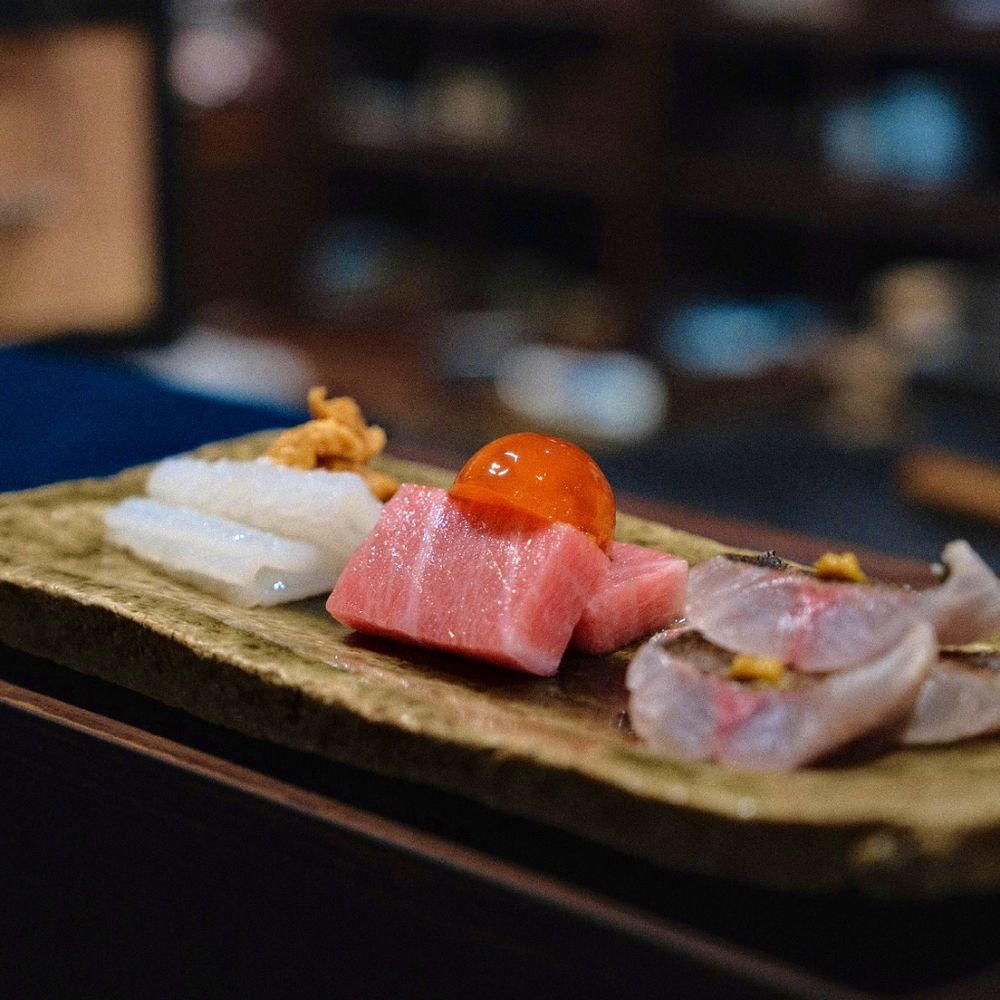
A Room Built for the Ritual
Certain dining formats announce their intentions before the first course arrives. In Suyeong-gu, the approach to Matsuzaki's small address on Suyeong-ro already signals the register: an intimate room finished with carefully chosen tableware and glassware, and paintings by the chef's mother on the walls. The art is not incidental decor. In kaiseki tradition, the dining environment is considered an extension of the meal itself, and that coherence between physical space and culinary philosophy is precisely what distinguishes serious kaiseki counters from restaurants that simply arrange dishes in a sequence and call it omakase.
Busan's Japanese dining scene has grown considerably over the past decade, moving from neighbourhood sushi spots catering largely to Japanese visitors to a more layered spread that includes dedicated omakase counters and kaiseki formats. Mori, priced at the ₩₩₩ tier, represents one node in that broader shift. Matsuzaki occupies a different position: a format rooted not in sushi-centric omakase but in the older, more structured kaiseki tradition, where each stage of the meal carries a specific function within the whole.
The Architecture of Kaiseki
Kaiseki is one of Japanese cuisine's most codified formats, with origins in the tea ceremony culture of Kyoto and a structure that has been refined across centuries. Unlike the looser omakase approach where a chef selects freely, kaiseki follows a recognisable arc: the meal opens with something light and warming, progresses through courses that shift in texture, temperature, and intensity, and closes with something grounding. Matsuzaki's menu follows this arc faithfully. A flavourful soup begins the meal, functioning less as a dish in isolation and more as a calibration tool, setting the palate and pace. The hassun course that follows is a composed arrangement of seasonal bites, a format borrowed directly from classical kaiseki, where the hassun tray traditionally reflects the season through its ingredients and presentation. The meal closes with a nabemono: freshly cooked rice, vegetables, and fish prepared at the table, a communal and unhurried conclusion that reinforces the ritual dimension of the format.
The fidelity to these fundamentals matters in a broader context. Across South Korea's premium Japanese dining tier, from Mingles in Seoul's Korean-Japanese hybrid approach to the more classical formats at Kwon Sook Soo in Gangnam-gu, chefs frequently adapt Japanese structures to local palates or ingredients. Matsuzaki's described commitment to remaining faithful to Japanese culinary fundamentals places it in a smaller, more orthodox subset of that market, one that appeals to guests who want the full kaiseki experience rather than a reinterpreted version of it.
Training and Credentials
The chef at Matsuzaki trained at a renowned culinary institute, a credential that aligns the restaurant with the trained-lineage counters that dominate the credible end of Japanese omakase dining across Asia. In cities like Tokyo and Osaka, lineage is the primary sorting mechanism at the top of the market: guests choose counters based on where a chef trained and under whom. Busan's market is less codified in this respect, but the principle still applies. A formally trained chef running a kaiseki format in an intimate space with serious tableware represents a different value proposition than the broader casual Japanese dining that dominates much of the city's offer.
Comparison with peer formats elsewhere in the region is instructive. Double T Dining in Gangneung and Pool House in Incheon operate in comparable specialist-format territory, each making a case for precision over scale. Internationally, the discipline required to sustain a kaiseki format at a small counter recalls how tightly run tasting-menu operations like Le Bernardin in New York City maintain format integrity across every service.
Where Matsuzaki Sits in Busan's Dining Picture
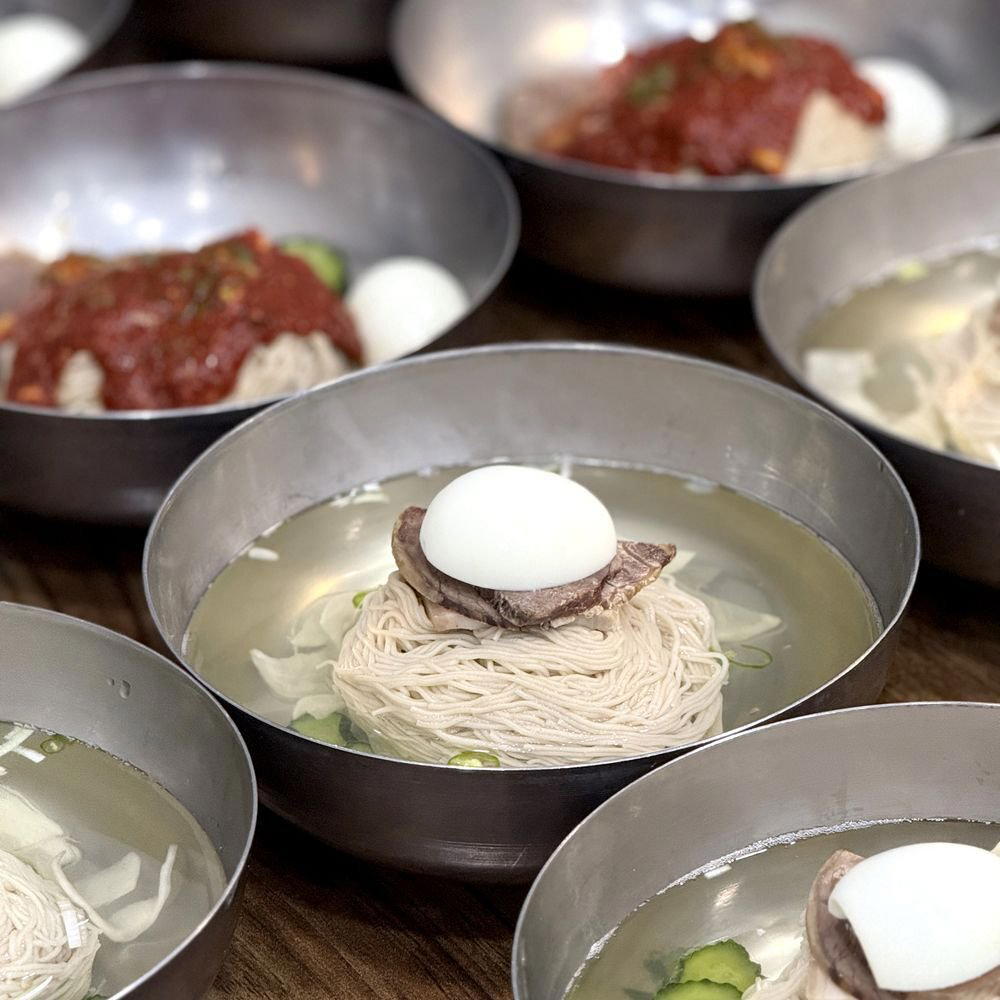
Busan's restaurant scene is more varied than its reputation as a seafood city suggests. The Suyeong and Marine City corridors have attracted a concentration of premium restaurants that sit well above the city's gukbap and naengmyeon baseline. The low end of the market, represented by spots like 100.1. Pyeongnaeng and 1969 Buwondong Kalguksu, remains essential and well-attended. At the upper end, Born and Bred at the ₩₩₩₩ tier and Palate in the contemporary ₩₩ bracket address different audiences entirely. Matsuzaki occupies neither the accessible everyday tier nor the premium Western-influenced bracket. It operates in the more specialist zone of formal Japanese dining, where the format itself is the draw and the meal functions as a structured event rather than a casual dinner.
Temple cuisine elsewhere in Korea, such as the vegetarian formats associated with institutions like Baegyangsa Temple in Jangseong-gun, shares something with kaiseki's philosophical approach to ingredients and season, though the traditions are entirely distinct. Both formats demand a pace and attention from diners that separates them from conventional restaurant visits. Matsuzaki asks the same of its guests.
Planning Your Visit
Matsuzaki is located at 10 Suyeong-ro 582beon-gil in Suyeong-gu. Given the intimate size of the space and the omakase format, seats are almost certainly allocated by reservation; prospective guests should plan to book in advance and allow enough time for a full kaiseki progression, which at a properly paced counter typically runs between two and three hours. The Suyeong area is accessible by subway via Suyeong Station on Lines 2 and 3, making the location manageable from most central Busan addresses without requiring a taxi. For a broader picture of the city's dining options across price points and formats, see our full Busan restaurants guide. EP Club also maintains guides to hotels, bars, wineries, and experiences across the city for visitors planning a longer stay. Those who want to compare Matsuzaki's approach with other Japanese-influenced formats around South Korea should consider The Flying Hog in Seogwipo and Emeril's in New Orleans as reference points for how specialist culinary formats travel across geographies.
Frequently asked questions
Where is Matsuzaki located?
Matsuzaki is located at 10 Suyeong-ro 582beon-gil, Suyeong-gu, Busan.
What's Matsuzaki known for in terms of accolades?
Matsuzaki has received recognition including: This intimate restaurant offers authentic kaiseki omakase by the chef who trained at a renowned culinary institute. The petite yet cosy space is decorated with fine tableware and glassware, along with paintings by the chef’s mother. The mea….
What's the must-try dish at Matsuzaki?
Matsuzaki follows a structured kaiseki omakase sequence, so individual dishes are not ordered à la carte. The meal is anchored by a flavourful opening soup, a seasonal hassun of composed small bites, and a nabemono of rice, vegetables, and fish cooked at the table, the nabemono is the format's traditional closing act and the moment most specific to this kitchen's Japanese fundamentals.
Is Matsuzaki reservation-only?
Given the intimate size of the space and the omakase format, where every seat requires timed preparation, walk-ins are almost certainly not viable. Contacting the restaurant in advance to secure a booking is the only reliable approach. Phone and website details are not publicly listed, so approaching via the address at 10 Suyeong-ro 582beon-gil, Suyeong-gu, or through a local concierge is advisable.
What's the standout thing about Matsuzaki?
The combination of formal kaiseki structure and a genuinely small, personal space sets Matsuzaki apart within Busan's Japanese dining scene. The room itself carries personal detail, paintings by the chef's mother line the walls alongside fine tableware and glassware, which is uncommon for a counter operating at this level of culinary discipline. The chef's training at a renowned culinary institute means the kaiseki sequence follows its classical architecture rather than a Koreanised approximation.
Can Matsuzaki adjust for dietary needs?
Kaiseki omakase is a fixed, sequenced format tied to seasonal ingredients, which limits the scope for substitution without compromising the meal's structure. No specific dietary accommodation policy is documented for Matsuzaki. Given the intimate scale of the counter and the chef's role in preparing each course individually, it is worth raising dietary requirements directly when making a reservation.
How does Matsuzaki differ from standard Japanese restaurants in Busan?
Matsuzaki operates as a kaiseki omakase counter rather than an à la carte or sushi-focused restaurant, which is a less common format in Busan's Japanese dining corridor. The chef trained at a renowned culinary institute, grounding the kitchen in the codified kaiseki tradition that traces back to Kyoto tea ceremony culture. That training lineage, combined with the multi-course structure moving from soup through hassun to a closing nabemono, positions Matsuzaki closer to the trained-lineage counters of Japan than to the broader category of Korean-Japanese dining in the city.
Category Peers
Comparable venues nearby, for context on price, style, and recognition.
| Venue | Cuisine | Price | Awards | Notes |
|---|---|---|---|---|
| MatsuzakiThis venue (the venue you are viewing) | Authentic Japanese Kaiseki Omakase | Not listed | Michelin Plate | Not listed |
| Iwa | Aged Fish Omakase | Not listed | Michelin Plate | U 1(il)-dong |
| Eutteum Iroribata | Japanese Irori Omakase | $50–100 | Michelin Plate | Namcheon 1(il)-dong |
| Tooru | Japanese Kaiseki with Local Seafood | Not listed | Michelin Plate | Jeonpo 1(il)-dong |
| Torafuguga | Japanese Fugu (Pufferfish) Fine Dining | $100–150 | Michelin Plate | Jung 1(il)-dong |
| Pyeongyangjip | North Korean-style Mandu | Not listed | Michelin Plate | Deokcheon 2(i)-dong |
Recognition history
Dated appearances from independent guides and award organizations, with the underlying list record or original source where available.
Michelin Plate
Michelin
Continue exploring
More in Busan
Restaurants in Busan
All restaurants in Busan →
Bars in Busan
All bars in Busan →
Details
- Intimate
- Cozy
- Elegant
- Special Occasion
- Date Night
- Chefs Counter
- Omakase
Current opening hours
- Monday
- 6:30–11:30 PM
- Tuesday
- 6:30–11:30 PM
- Wednesday
- 6:30–11:30 PM
- Thursday
- 6:30–11:30 PM
- Friday
- 6:30–11:30 PM
- Saturday
- 6:30–11:30 PM
- Sunday
- Closed
Hours can change for holidays and private events. Hours as of .
Petite yet cozy space decorated with fine tableware, glassware collected by the chef, and paintings by his mother.