



Tabelog Silver #76 · Forbes 10 Coolest Restaurants · The Best Chef Three Knives
Our verdict
Sushi Meino belongs to Tokyo’s small-counter omakase tier, where trust, pacing, and seat discipline matter as much as sourcing. The Azabu-Juban sushi room is led by Mei Kogo and carries clear recognition signals: Tabelog Award 2026 Silver, Tabelog Sushi TOKYO 100 selection in 2025, and a 2026 OAD Top Restaurants in Japan ranking.

Pearl is the En Primeur Club membership app — saves, bookings, and concierge access live there. Same editors, same standards.
- Address
- Japan, 〒106-0045 Tokyo, Minato City, Azabujuban, 1 Chome−6−1 6F
- Phone
- +81364554130
- Website
- tabelog.com
- Directions
- Get directions
- Booking
- Book on Omakase
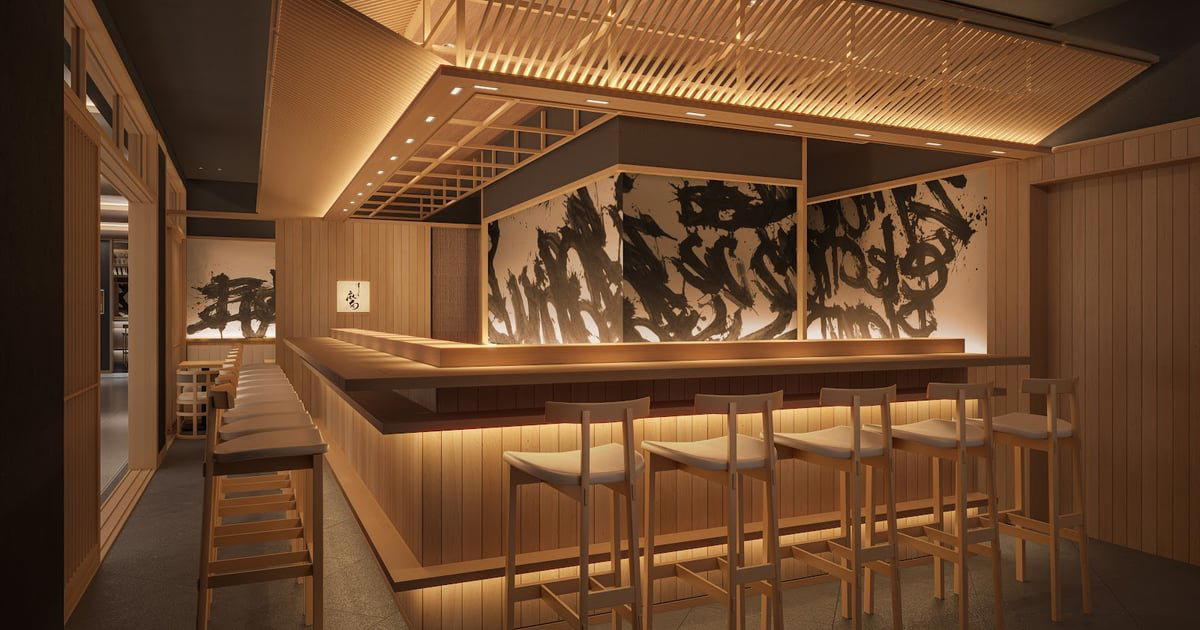
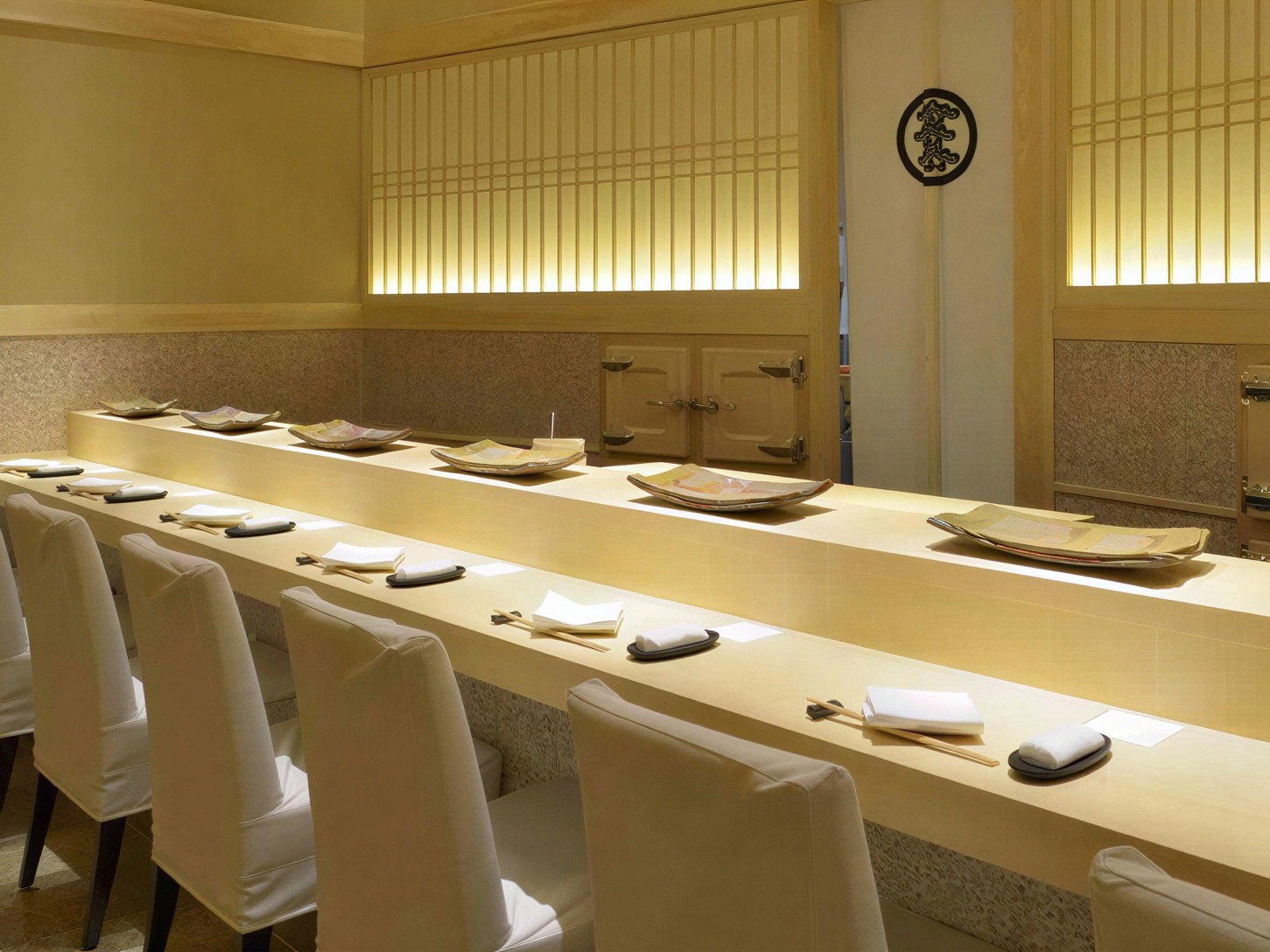
Azabu-Juban’s sushi counters tend to reveal themselves quietly: an elevator, a discreet floor plate, a room scaled for concentration rather than theatre. The format asks for a particular kind of attention. At eight counter seats, the meal is not a menu negotiation but an omakase contract, a compact exchange in which the diner accepts the chef’s pacing, sequence, temperature decisions, and sourcing judgment.
That contract has become one of Tokyo’s defining luxury formats. The city’s serious sushi rooms now operate less like conventional restaurants and more like appointment-only performances of craft, with fewer seats, tighter reservation windows, and higher expectations around punctuality and etiquette. Sushi Meino sits inside that bracket: Edomae-style sushi in Azabu-Juban, chef-led by Mei Kogo, with a scale that puts every gesture in view.
Omakase here is a trust exercise, not a shopping list
Tokyo sushi at this level is built on surrender. The diner is not choosing tuna over shellfish or asking for a greatest-hits sequence; the point is to let the counter decide how the meal should move. In Edomae practice, that can mean a rhythm between prepared fish, rice temperature, seasoning, and the alternation of richness and restraint. The craft is not only knife work. It is also timing.
The useful comparison is not between sushi and tasting-menu dining, but between two different models of control. European dégustation often announces its structure through printed courses and wine pairings. A Tokyo sushi counter narrows the visible machinery. The diner sees hands, rice, fish, and a sequence that can feel deceptively simple. In that setting, recognition matters because it helps decode which rooms have earned trust beyond word-of-mouth. Tabelog Award 2026 Silver, a Tabelog Sushi TOKYO 100 selection in 2025, and placement in Opinionated About Dining’s 2026 Top Restaurants in Japan ranking give Sushi Meino a public signal that places it among Tokyo’s serious counters rather than the broader casual sushi field.
The price tier reinforces the same reading. Dinner sits in the JPY 50,000 to JPY 59,999 range, a level where diners are paying for more than premium fish. They are paying for seat scarcity, chef attention, counter choreography, and the confidence that the sequence will hold together without explanation at every turn. That is the wager of omakase: the less the diner controls, the more the kitchen must justify the trust.
Azabu-Juban gives the counter a quieter frame
Azabu-Juban is not Ginza, and that distinction matters. Ginza remains Tokyo’s most internationally legible luxury sushi district, dense with heritage counters, hotel guests, and expense-account traffic. Azabu-Juban is more residential in feeling, with embassies, long-running local businesses, and a dining culture that can absorb serious rooms without turning every entrance into a spectacle. The neighbourhood suits a small counter whose value is measured by focus rather than frontage.
That geography also changes the reader decision. Diners building a Tokyo sushi itinerary often separate counters by mood: Ginza for formality and historical gravity, Akasaka or Roppongi-adjacent areas for business dining, outer neighbourhoods for younger chefs and more individual formats. Azabu-Juban occupies a middle register, polished but not stiff, central without feeling purely transactional. Sushi Meino’s eight-seat counter makes sense in that context because the room’s scale supports the neighbourhood’s quieter kind of luxury.
Mei Kogo’s role is relevant here as a credential, not as a biographical detour. Tokyo’s sushi culture has long been associated with male counter authority, and a high-recognition, chef-led sushi room under a female chef adds contemporary significance to an otherwise traditional format. The point is not novelty for its own sake. The point is that the city’s omakase hierarchy is slowly making room for different kinds of authority while keeping the same unforgiving standards around rice, fish, timing, and service.
How to read the recognition signals
Tabelog’s influence in Japan is different from international award systems. Its scores and awards carry weight with domestic diners because they reflect a platform where small, difficult-to-book restaurants can be judged alongside famous names without relying solely on global guide visibility. A Silver award in 2026 and a Sushi TOKYO 100 selection in 2025 put the restaurant in a competitive urban sushi category rather than a broad national dining bucket.
Opinionated About Dining adds another angle. Its Japan restaurant ranking is followed by a dining audience that tends to prize destination restaurants, counter formats, and highly personal chef-led rooms. A 2026 ranking there supports the same conclusion as the Tabelog recognition: this is not a neighbourhood convenience pick. It belongs to the destination-counter conversation, where a traveler plans the evening around the reservation rather than fitting sushi between other plans.
Among Tokyo comparison points, Sushi Hatano Yoshiki, Sushi Shinsuke, Ozaki, Sushiya Shota, and Tachigui Sushi Tonari show how broad the city’s sushi field has become, from ambitious counters to more accessible formats. The useful lesson is that “sushi in Tokyo” is not a single category. Seat count, price, service style, and reservation structure separate experiences more sharply than cuisine label alone.
For broader planning, EP Club’s Tokyo coverage can help place the counter within a fuller itinerary: Our full Tokyo restaurants guide, Our full Tokyo hotels guide, Our full Tokyo bars guide, Our full Tokyo wineries guide, and Our full Tokyo experiences guide. Other Tokyo restaurant pages worth cross-reading include 3110, Bistrot Dia, Daikanyama Ogawaken, Ebisu Endo, and Edomae Sushi Hanabusa.
Japan-wide context is useful too, especially for travelers comparing sushi with regional dining. See -Grilled beef Sukiyaki- KAMAKURA TANUKIAN 鎌倉 たぬき庵 in Kamakura.cafe in Osaka.know in Kumamoto, (Shoku) Vietnam in Kawasaki, [Curry Senmon Ten] Maruyama Kyoju. in Sapporo, [ki:] in Kyoto, AKA to SHIRO, Sushi in Osaka, and, for an overseas counterpoint, Akikos, Sushi in San Francisco.
Frequently asked questions
Who is the chef connected to Sushi Meino?
The chef associated with Sushi Meino is Mei Kogo.
What type of food is Sushi Meino known for?
Sushi Meino serves Sushi cuisine.
What's Sushi Meino's location?
Sushi Meino is located in Tokyo.
What's the best way to book Sushi Meino?
Sushi Meino is reservation only, and requests for the following month are accepted on the 1st of each month from 10:00 to 15:00. The restaurant can be reached at 03-6455-4130, and the 8-seat counter in Azabu-Juban fills quickly.
Peers in This Market
Comparable venues at the same tier for side-by-side context.
| Venue | Cuisine | Price | Awards | Notes |
|---|---|---|---|---|
| Sushi MeinoThis venue — the venue you are viewing | Traditional Edomae Omakase with French Wine Pairings | $500+ | Tabelog Silver #76 · Forbes 10 Coolest Restaurants | Not listed |
| Sushi Hatano Yoshiki | Modern Edomae Omakase | $200–300 | Tabelog Bronze #102 | Sushi |
| Tachigui Sushi Tonari | Modern Edo-Style Standing Sushi | $50–100 | Michelin Bib Gourmand | Sushi |
| Sushi Shinsuke | Edomae Sushi Omakase | $200–300 | Not listed | Sushi |
| Sushiya Shota | Edomae Omakase Sushi | $150–200 | Michelin Plate | Sushi |
| Ozaki | Sushi Kaiseki | $200–300 | Not listed | Sushi |
Recognition history
Dated appearances from independent guides and award organizations, with the underlying list record or original source where available.
Opinionated About Dining Top Restaurants in Japan Ranked #75
Opinionated About Dining
Tabelog Silver #76
Tabelog
Forbes 10 Coolest Restaurants
Forbes
The Best Chef Three Knives
The Best Chef
Full recognition history (7 entries)
Opinionated About Dining Top Restaurants in Japan Ranked #275
Opinionated About Dining
Tabelog 100 #34 · No. 34
Tabelog · Tabelog 100 - Sushi - TOKYO - 2025
Tabelog Silver
Tabelog







Sushi Meino
The wine
- Wine program
- Exceptional wine program
- Extensive wine list
- Sommelier-led
Details
- Elegant
- Intimate
- Sophisticated
- Quiet
- Special Occasion
- Date Night
- Celebration
- Private Event
- Chefs Counter
- Open Kitchen
- Private Dining
- Extensive Wine List
- Sommelier Led
- Local Sourcing
- Sustainable Seafood
- Omakase
- Counter Dining
- Burgundy Wine
- Sake
- Pescatarian Friendly
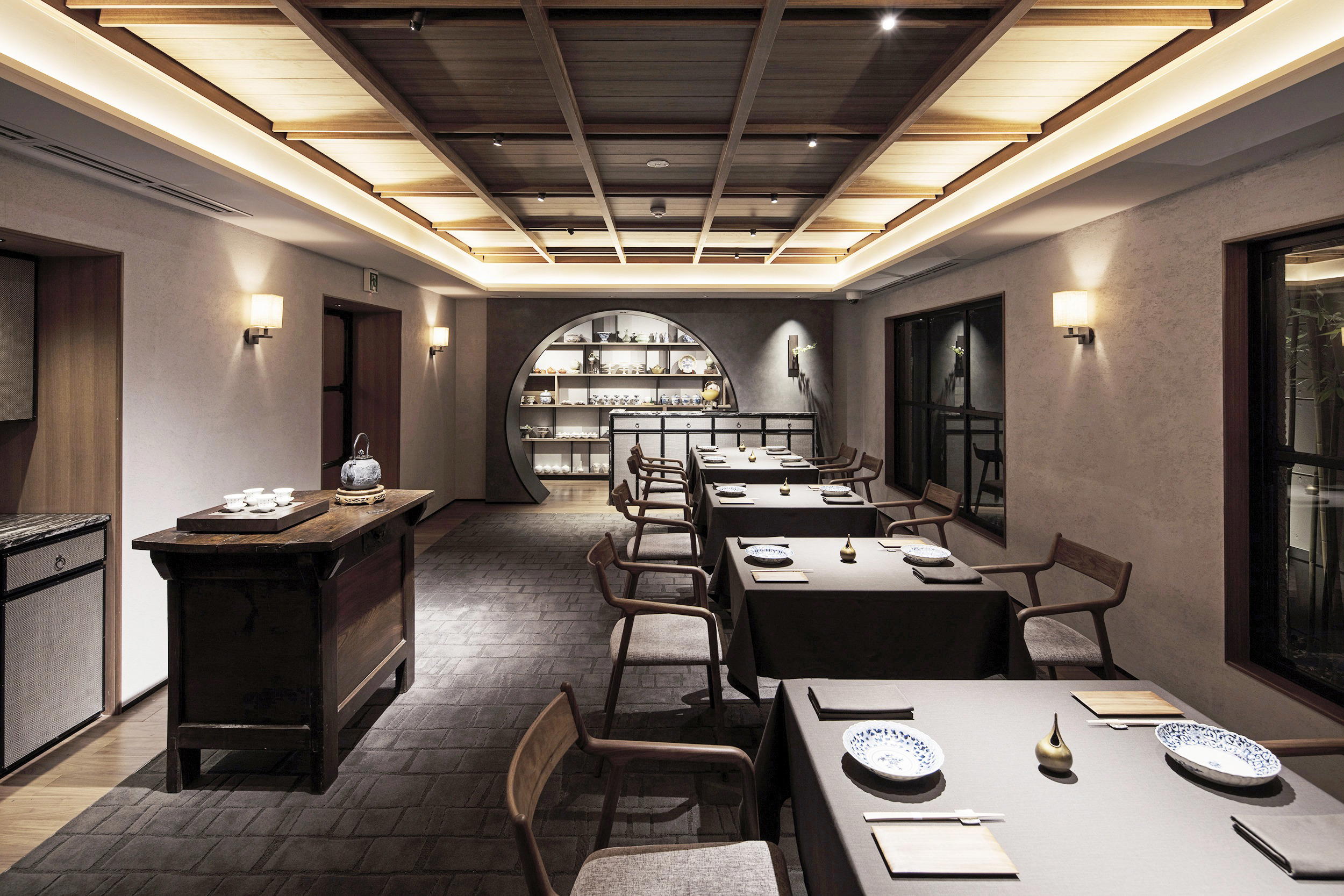
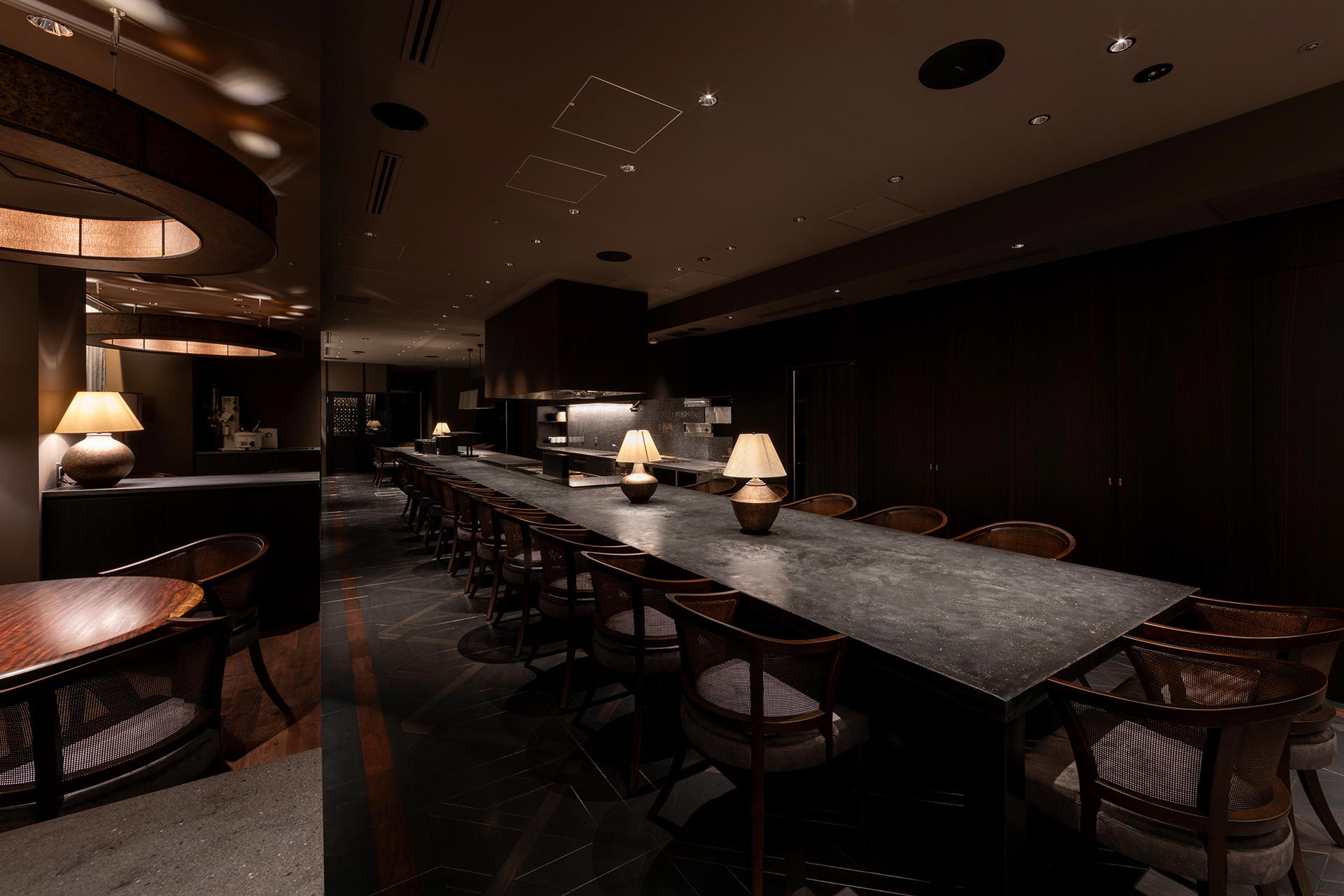
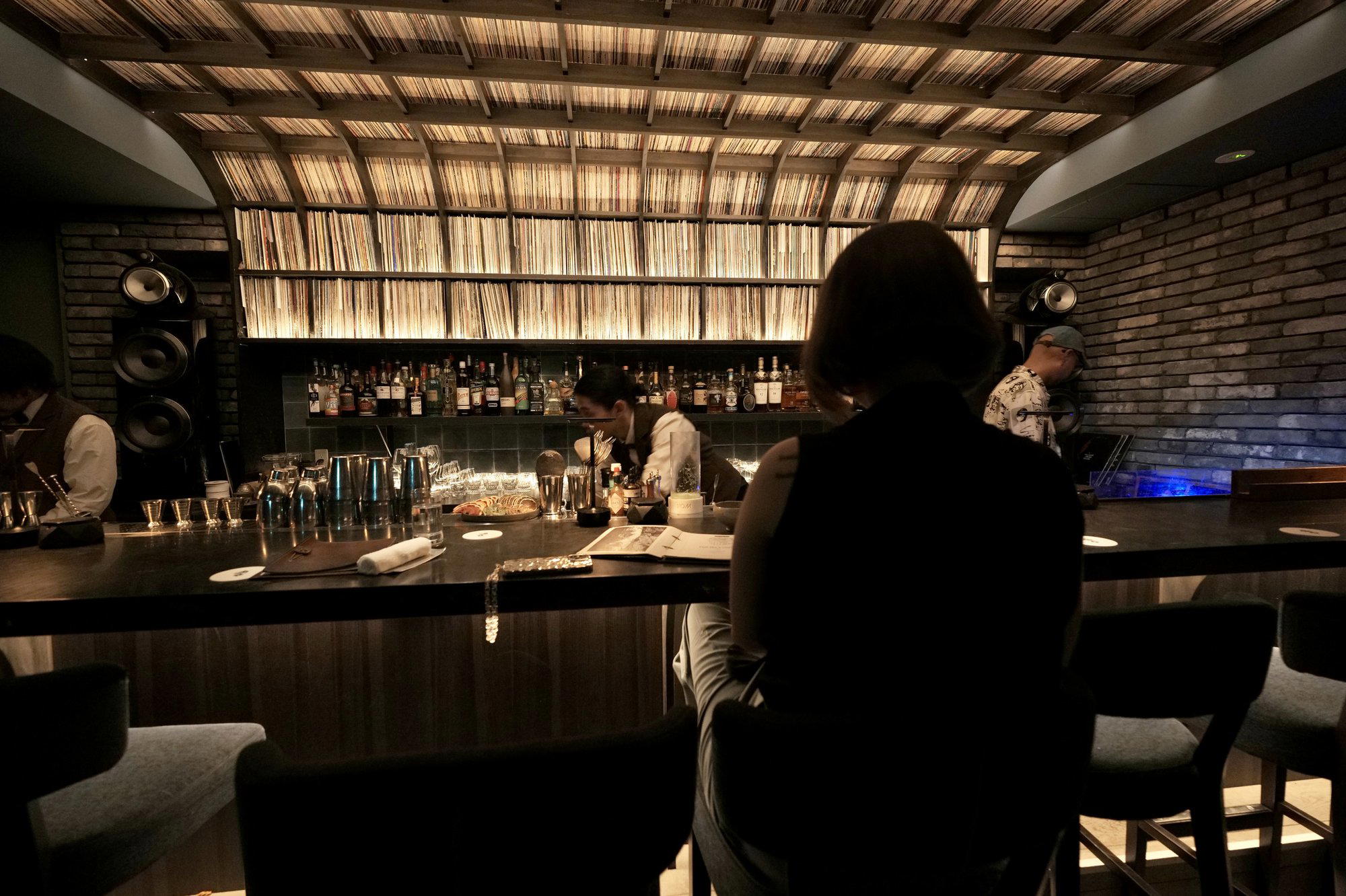
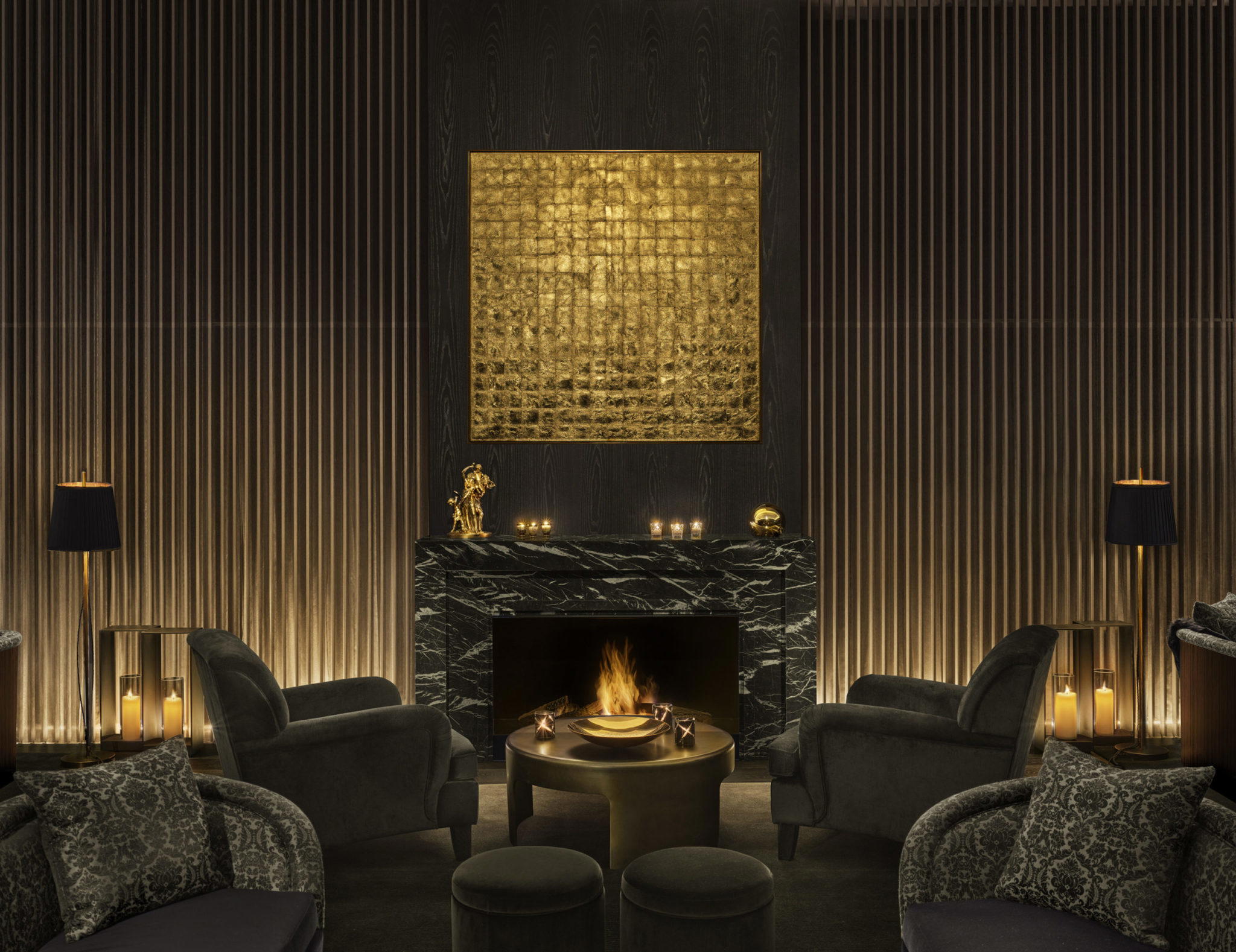
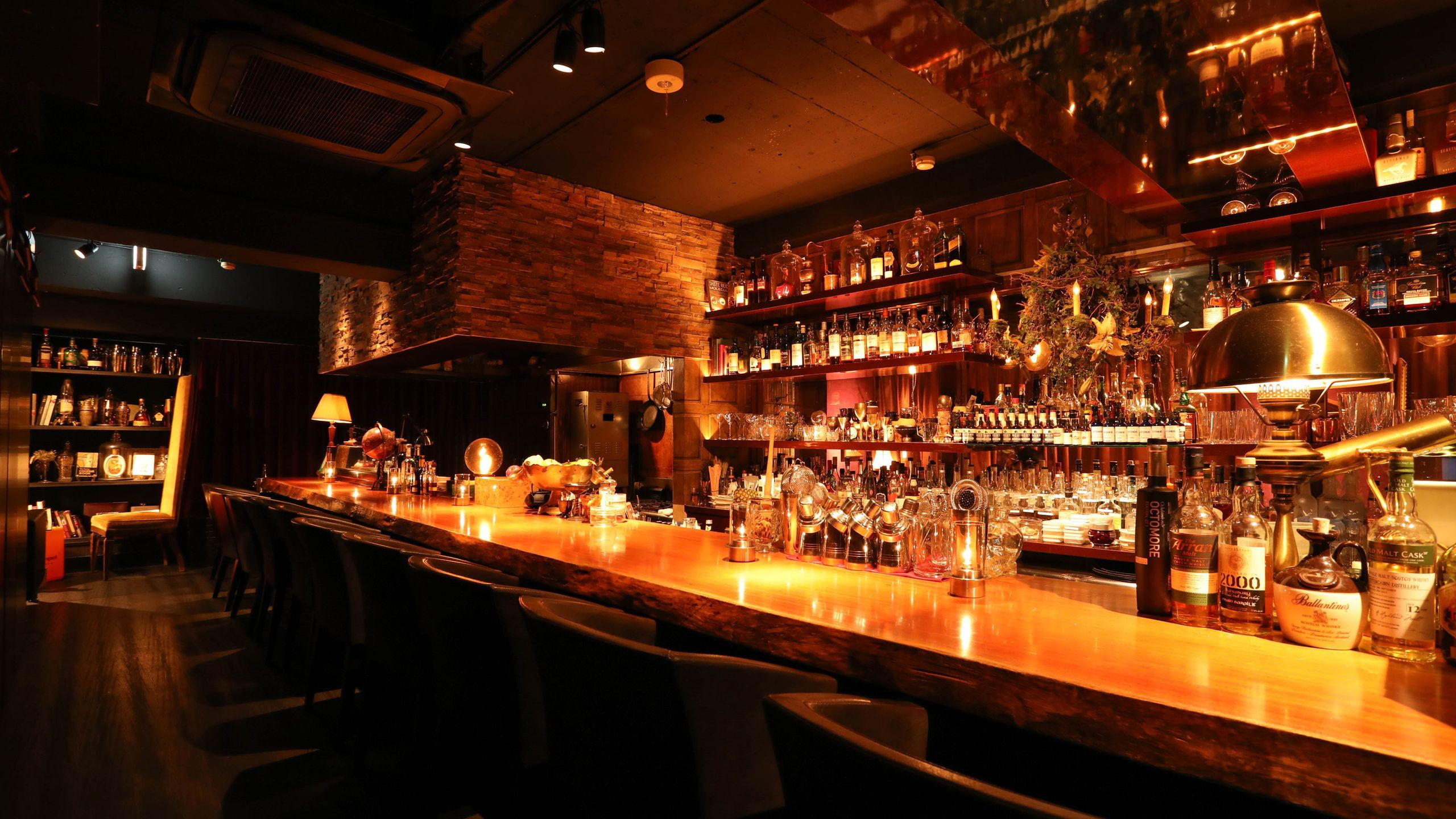
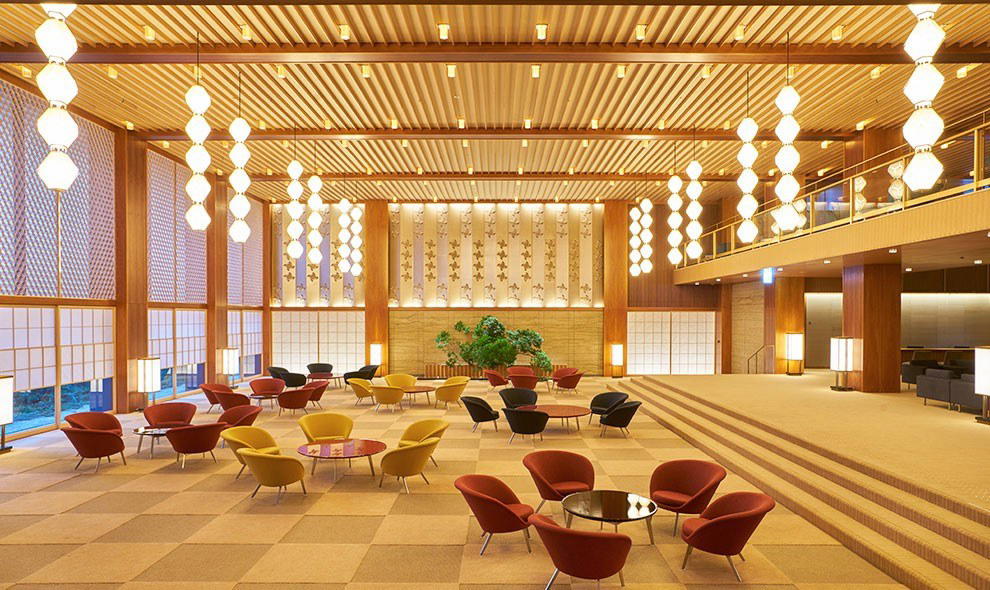
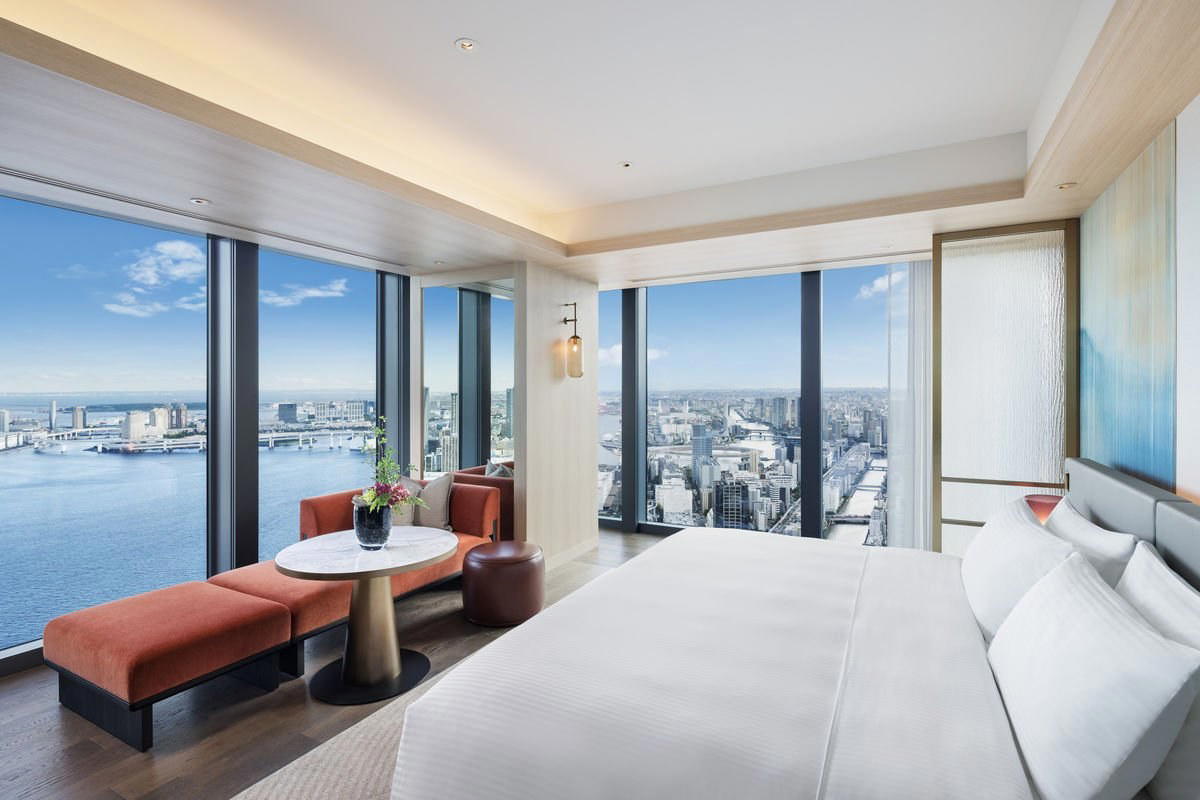
Refined and serene counter-only setting with 8 seats in a minimalist space, creating an intimate and meditative dining experience focused on the chef's craft.