1 Michelin Star
Our verdict
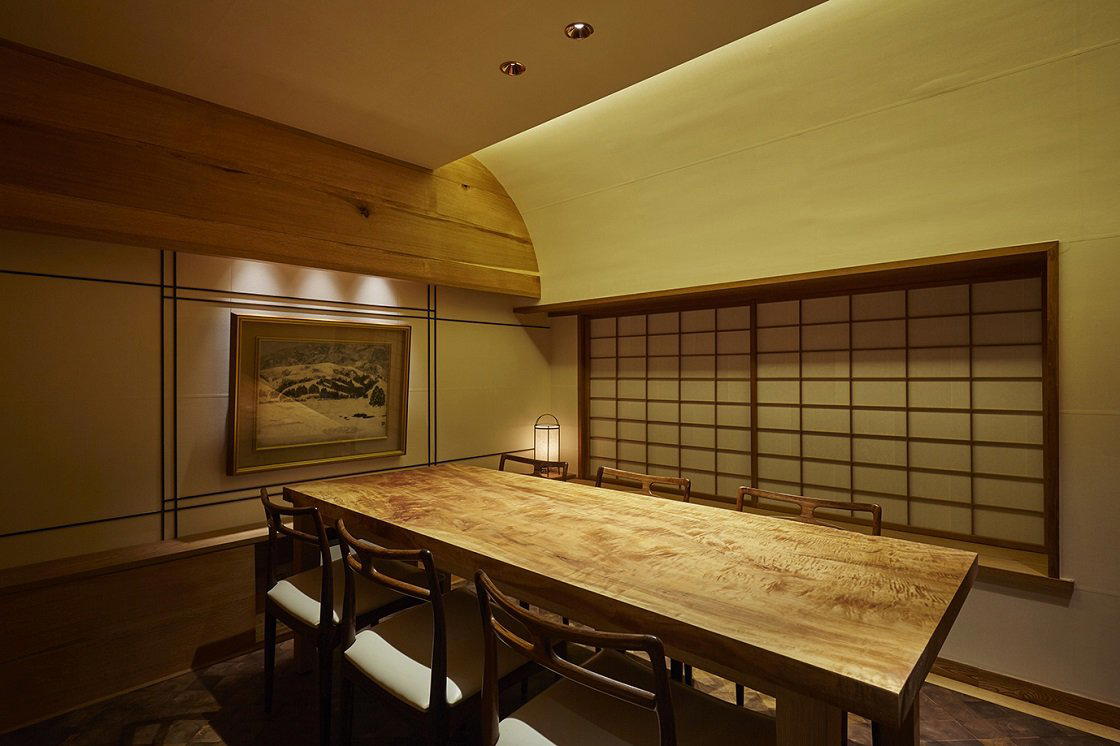
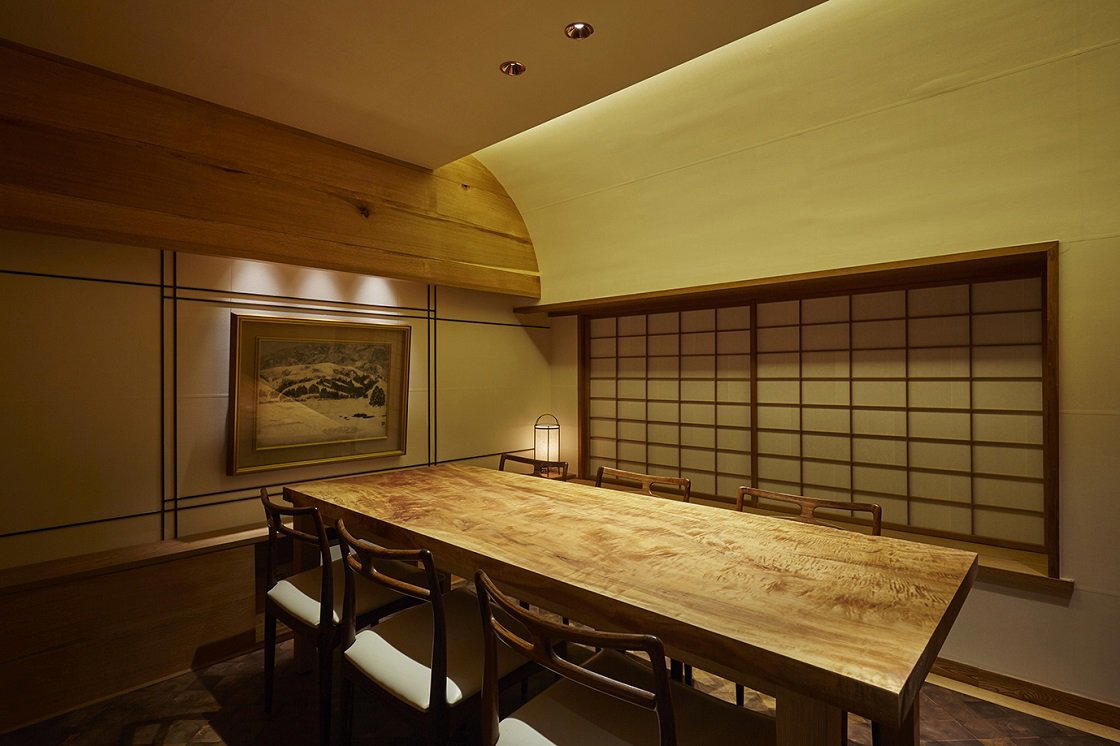
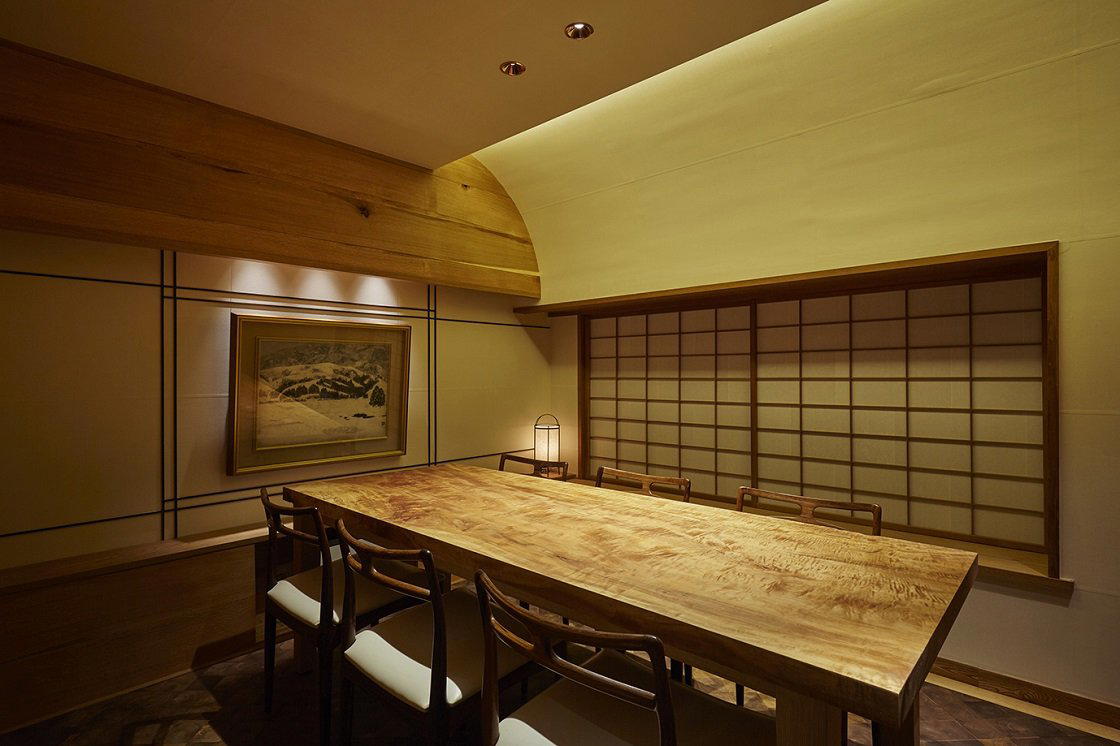
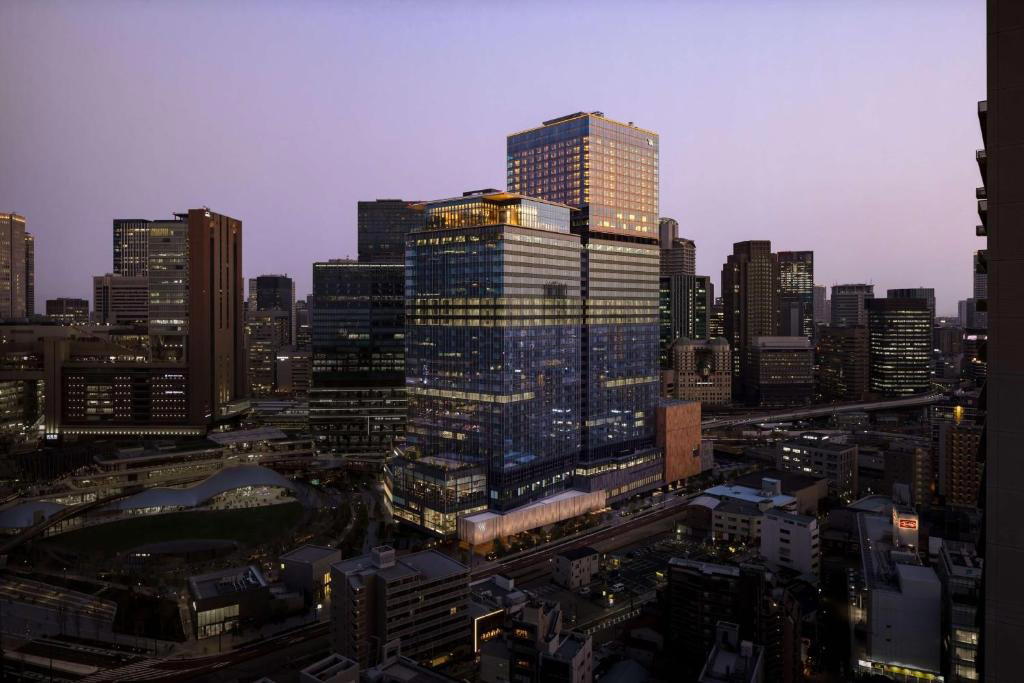
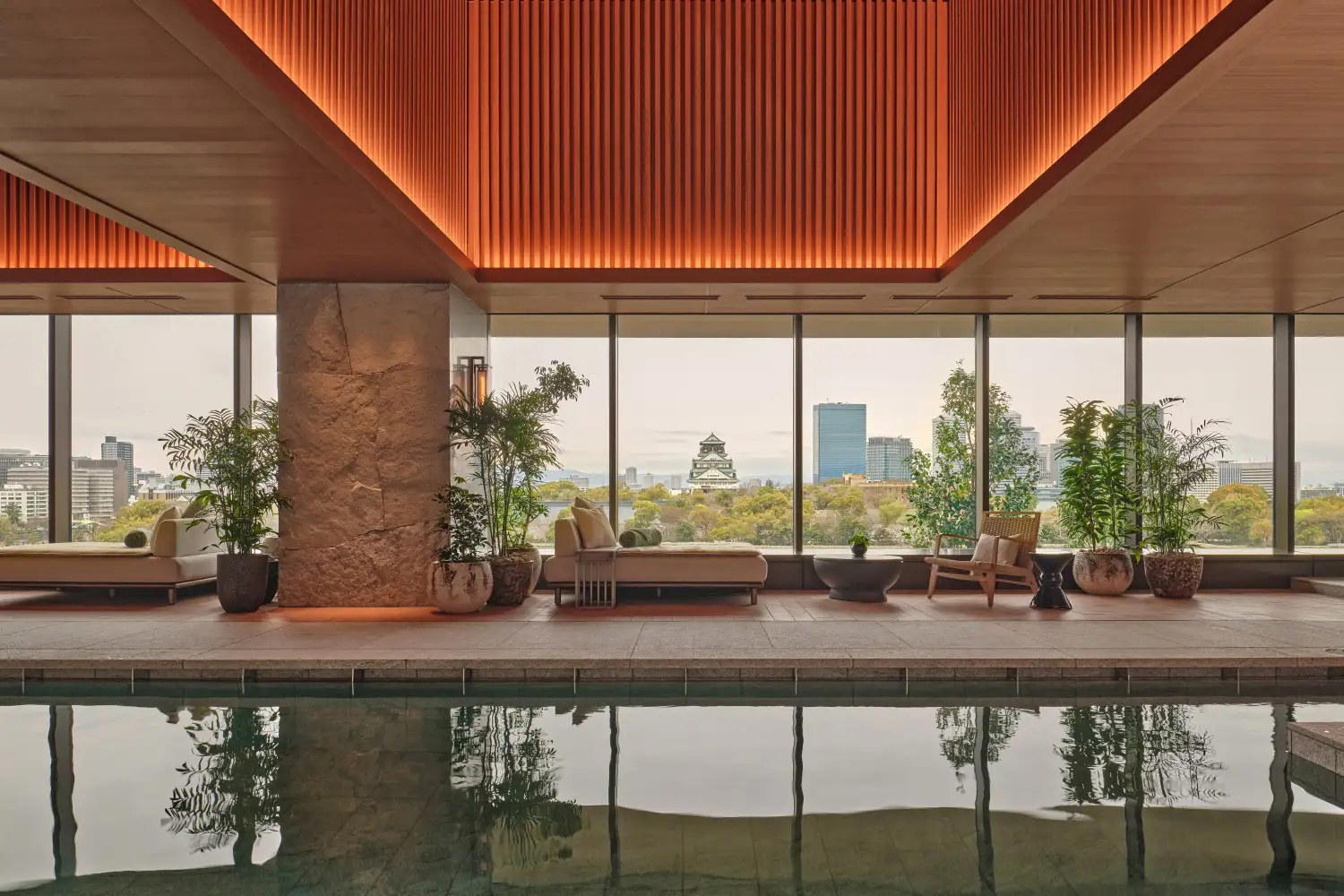
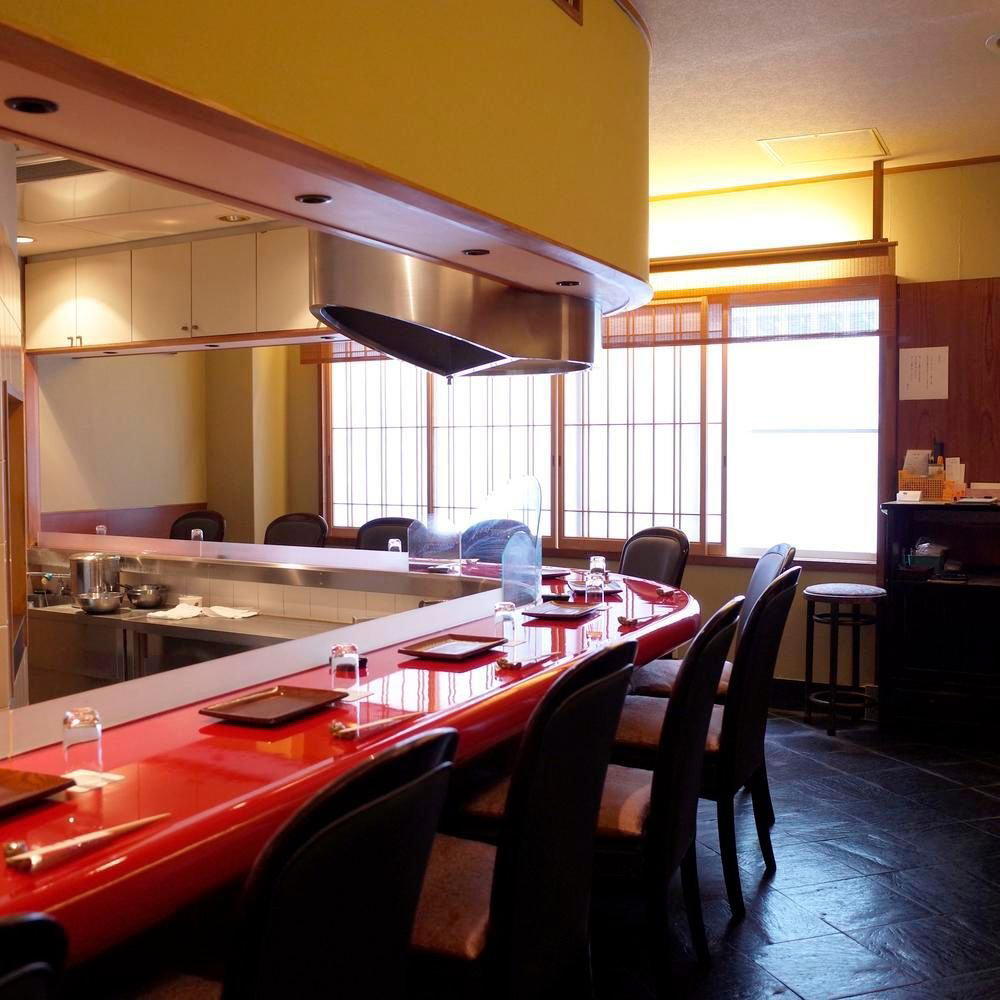
Shinchi Yamamoto holds a Michelin star at the ¥¥¥¥ tier in Osaka's Kita-Shinchi district, operating from street level inside the Rise Hotel. The counter format places guests in direct view of live preparation: soup stock drawn fresh, ingredients grilled over charcoal, and a seasonal structure that cycles through bamboo shoots, sweetfish, matsutake, and crab across a single meal.

Pearl is the En Primeur Club membership app, where members save venues, book tables and use the concierge.
The menu
What to order
- Hassun seasonal platter
- Hand-deboned eel bowl
- Miyazaki beef
Counter Dining in Kita-Shinchi: What the Room Tells You
Kita-Shinchi is Osaka's most concentrated block of serious dining. The neighbourhood runs a short walk north of Umeda and holds a density of counter restaurants, kappo rooms, and kaiseki courses that has no real equivalent in the city outside of a few scattered addresses in Namba and Honmachi. Within that district, the counter at Shinchi Yamamoto occupies the ground floor of the Rise Hotel on Dojima, a location that places it among the working professionals and hospitality-industry regulars who populate this part of Osaka after dark.
The physical setup follows a format well-established in Osaka's kappo tradition: guests seated at the counter, the kitchen operating in open view, and the sequence of a meal structured around live preparation rather than pre-plated delivery from a back kitchen. That format is not incidental. It determines how the food is experienced, how the team communicates with the room, and what kind of pacing the meal carries. At Shinchi Yamamoto, this dynamic is the frame through which everything else should be read.
The Counter as Collaboration
Kappo-style counter dining in Japan works differently from the Western tasting-menu model in one significant respect: the kitchen is not a production facility that happens to be visible, it is the dining room. The counter at a room like this is where host and guest enter a shared temporal space. Timing, temperature, and sequence depend on a constant, low-level exchange between the person preparing and the people eating. The dashi drawn directly in front of guests at Shinchi Yamamoto is the clearest illustration of this. It is not theatre; it is a logistical commitment to freshness that only works when the kitchen and the counter operate as a single unit rather than two rooms with a pass between them.
In Osaka's competitive ¥¥¥¥ tier, which includes addresses like Hajime and La Cime at the innovative French end, and more traditional Japanese formats, the counter-service model represents a different staff-to-guest proposition. A counter of this kind requires the team to function with a level of coordination that a larger dining room does not demand. The charcoal brazier work and the pot preparations visible to guests are as much a demonstration of front-of-house and kitchen alignment as they are a cooking method. Guests are, in effect, watching the collaboration in real time.
This stands as a meaningful contrast with some peer addresses in the Osaka Japanese fine-dining category. Kashiwaya Osaka Senriyama and Tenjimbashi Aoki operate at the ¥¥¥ tier with their own distinct format conventions. Miyamoto, Oimatsu Hisano, and Yugen each occupy different registers of the Japanese dining spectrum here.
Seasonal Architecture: Four Ingredients, One Meal
The seasonal structure of the menu at Shinchi Yamamoto follows a logic that is common to the highest end of Japanese cuisine but less common in its execution. The meal begins with bamboo shoots, sweetfish, matsutake mushrooms, and crab, four ingredients that collectively map the Japanese culinary calendar from spring through autumn and into winter. Using them as an opening sequence, rather than staging them sequentially across separate seasonal visits, is a compositional choice that compresses the year into a single sitting.
This approach requires sourcing discipline that runs across the entire operation. Bamboo shoots and sweetfish (ayu) are sharply seasonal; matsutake carries premium pricing and availability constraints that shift with each harvest. Crab in the Japanese culinary context typically signals colder months. Presenting all four within a single meal means the kitchen is making decisions about timing, product condition, and hierarchy that go well beyond selecting from a seasonal produce list. The sourcing conversation, whatever form it takes, is woven into the structure of the meal itself.
The Michelin commentary on the restaurant describes the arrangements as simple, to give the ingredients leading billing. That framing is worth taking seriously. At the ¥¥¥¥ tier in Osaka, simplicity of plating is a more deliberate and harder-won outcome than elaborate presentation. It presupposes product quality at a level where intervention would be counterproductive. The comparison set here is instructive: Osaka's innovative French addresses at the same price point work with ingredient transformation as their central mode. Shinchi Yamamoto operates from the opposite premise.
How Shinchi Yamamoto Sits Within Osaka's Broader Scene
Osaka's identity in Japanese dining is complicated. The city is, by reputation, about eating generously rather than eating formally, takoyaki, kushikatsu, the deep frying culture of Dotonbori, but that popular narrative obscures a serious fine-dining tier that operates in parallel. Kita-Shinchi alone holds multiple Michelin-recognised addresses, and the city's kaiseki and kappo rooms are, in several cases, as technically demanding as anything in Kyoto or Tokyo.
For context beyond Osaka, the counter-kappo tradition visible at Shinchi Yamamoto connects to a national conversation about Japanese dining formats. Harutaka in Tokyo and Azabu Kadowaki in Tokyo represent the Tokyo version of counter-centric Japanese fine dining; Gion Sasaki in Kyoto brings the Kyoto register; Myojaku in Tokyo occupies a different price tier within the same Japanese format tradition. Each of these addresses demonstrates how the counter format adapts across cities and price points. Shinchi Yamamoto's Michelin star and ¥¥¥¥ positioning place it at the formal end of this national format, in a city that takes the counter room seriously as a culinary venue in its own right.
Further afield, akordu in Nara, Goh in Fukuoka, 1000 in Yokohama, and 6 in Okinawa each represent the regional spread of serious Japanese dining investment outside Tokyo and Kyoto. Shinchi Yamamoto belongs to that national tier without being framed by Tokyo's particular prestige logic.
Planning Your Visit
Shinchi Yamamoto is located at 1 Chome-1-13, Dojima, Kita Ward, Osaka, ground floor of the Rise Hotel in the Kita-Shinchi area. The ¥¥¥¥ price point signals a meal at the top end of the Osaka fine-dining market, comparable in spend to the city's other starred and highly recognised Japanese addresses.
| Venue | Cuisine | Price Tier | Recognition | Format |
|---|---|---|---|---|
| Shinchi Yamamoto | Japanese (Kappo) | ¥¥¥¥ | Michelin 1 Star (2024) | Counter, open kitchen |
| Kashiwaya Osaka Senriyama | Japanese | ¥¥¥ | Michelin recognised | Kaiseki |
| Tenjimbashi Aoki | Japanese | ¥¥¥ | Michelin recognised | Counter |
| Miyamoto | Japanese | Variable | Osaka recognised | Counter |
For broader planning across the city, see our full Osaka restaurants guide, our full Osaka hotels guide, our full Osaka bars guide, our full Osaka wineries guide, and our full Osaka experiences guide.
Frequently asked questions
Has Shinchi Yamamoto won any awards?
Shinchi Yamamoto has received recognition including: The chef treats his guests to seasonal cuisine of unstinting luxury. The feast begins with bamboo shoots, sweetfish, matsutake mushrooms and crab, representing the four seasons. The spectacle of the kitchen from the counter captivates the h….
What style of cooking does Shinchi Yamamoto do?
What's the best thing to order at Shinchi Yamamoto?
There is no à la carte selection to choose from, the counter format delivers a set seasonal progression built around four anchor ingredients: bamboo shoots in spring, sweetfish in summer, matsutake mushrooms in autumn, and crab in winter. The dishes most worth watching for are the soup courses, where the dashi stock is drawn from scratch in front of you, and anything prepared on the charcoal brazier, which is also cooked in full view of the counter. The Michelin inspectors specifically noted the kitchen's commitment to letting the ingredients carry the meal without elaborate plating interference.
What's the price range at Shinchi Yamamoto?
Pricing at Shinchi Yamamoto is listed as ¥¥¥¥.
Where do I go for Shinchi Yamamoto?
Shinchi Yamamoto is located at Japan, 〒530-0003 Osaka, Kita Ward, Dojima, 1 Chome−1−13 1F ライズホテル大阪北新地1階, Osaka.
Is Shinchi Yamamoto reservation-only?
Counter kappo restaurants at the ¥¥¥¥ price point in Kita-Shinchi operate on reservations, and walk-ins at this tier in Osaka are not a realistic option. Given the 2024 Michelin Star recognition, lead times will have extended considerably, booking several weeks ahead at minimum is a practical baseline, and further in advance for prime weekend seats.
Quick Comparison
A small set of peers for context, based on recorded venue fields.
| Venue | Cuisine | Price | Awards | Notes |
|---|---|---|---|---|
| Shinchi YamamotoThis venue (the venue you are viewing) | Modern Japanese Kaiseki Omakase | $300–500 | 1 Michelin Star | Not listed |
| HAJIME | Avant-Garde Japanese Fine Dining | $300–500 | 3 Michelin Stars · World's 50 Best #83 | French, Innovative |
| La Cime | Modern French with Japanese Ingredients | $150–200 | 2 Michelin Stars · World's 50 Best #13 | French |
| Kashiwaya Osaka Senriyama | Seasonal Kaiseki Omakase | $200–300 | 3 Michelin Stars · La Liste Top Restaurants | Japanese |
| Taian | Traditional Japanese Kaiseki Omakase | $150–200 | 3 Michelin Stars · La Liste Top Restaurants | Kaiseki, Japanese |
| Fujiya 1935 | Modern Japanese with European influences | $100–150 | 2 Michelin Stars · La Liste Top Restaurants | Innovative |
Recognition history
Dated appearances from independent guides and award organizations, with the underlying list record or original source where available.
Michelin 1 Star
Michelin
Full recognition history (2 entries)
Michelin 1 Star
Michelin