
Michelin Plate
Our verdict
A Michelin Plate recipient in both 2024 and 2025, Kawanami operates within Nara's quieter, mid-range Japanese dining tier, a city better known for temples than tables. For visitors working through Nara's restaurant scene, it represents the accessible end of recognised Japanese cooking in the city.

Pearl is the En Primeur Club membership app, where members save venues, book tables and use the concierge.
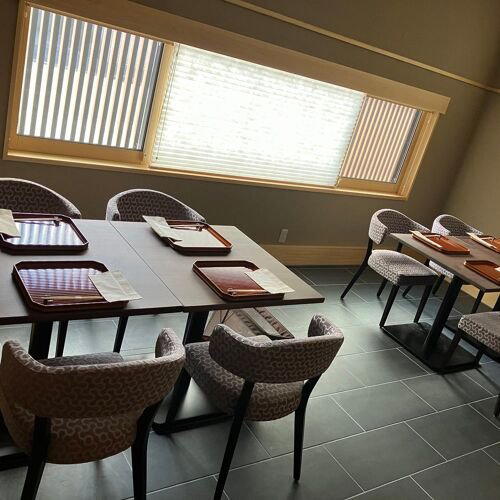
Shibatsujicho and the Quieter Side of Nara's Dining Circuit
Nara's reputation as a day-trip destination from Osaka or Kyoto has long shaped how its restaurants operate. Most visitors spend their hours around Nara Park and are back on a train by evening, which means the city's dining scene has historically been built around a local audience rather than a transient one. That dynamic creates a particular kind of restaurant: places that earn their following through repetition and reliability rather than spectacle. Kawanami, located in the Shibatsujicho neighbourhood at the ground floor of the Sawai Building, fits squarely into that category. Its Michelin Plate recognition in both 2024 and 2025 places it within a tier of consistently competent Japanese cooking that Michelin considers worth noting, even without the starred distinction that draws the headline crowds.
That Michelin Plate designation is worth contextualising. The Plate is not a star, but it is a formal signal from Michelin's inspectors that the kitchen produces good food. For a city like Nara, where the starred tier is thin compared to Kyoto or Osaka, a Plate award carries more relative weight than it might in a denser dining city. Kawanami has now held it across two consecutive guide cycles, which speaks to consistency rather than a single strong year.
Where Kawanami Sits in Nara's Current Restaurant Tier
Nara's recognised Japanese dining scene spans a wide range. At the upper end, NARA NIKON holds two Michelin stars at the ¥¥¥ price point, representing the kind of destination-level ambition that pulls diners specifically to Nara rather than treating the city as a stop on a broader Kansai itinerary. Kaiseki houses like Oryori Hanagaki and Tsukumo occupy similar premium territory. Kawanami operates a tier below that, at ¥¥, which in the Nara context positions it as accessible Japanese cooking with a formal quality signal attached. For comparison, places like Ajinokaze Nishimura and Ajinotabibito Roman fill out the broader mid-range and neighbourhood dining tier across the city.
The ¥¥ bracket in Japan covers a meaningful range of formats, from casual ramen counters to more composed set-meal restaurants. Kawanami's Michelin recognition at this price point suggests it leans toward the latter, where craft and intention are present without the premium ceremony of full kaiseki or omakase service.
The Evolution Question: How Nara's Mid-Range Japanese Kitchens Have Shifted
The editorial angle that makes Kawanami interesting is not its awards alone, but what those consecutive Michelin Plates suggest about how it has held its position through a period of real change in Nara's dining context. Over the past several years, Nara has seen increased attention from food media as part of a broader Kansai circuit that now includes deeper coverage of cities outside Osaka and Kyoto. That attention tends to concentrate on the starred end, which means the mid-range tier either benefits from ambient visibility or gets overlooked entirely depending on format and presentation.
A venue that earns Michelin Plate recognition in 2024 and then retains it in 2025 has, at minimum, demonstrated that its kitchen standards did not slip during a period of heightened inspection scrutiny across the Kansai region. For smaller, neighbourhood-oriented Japanese restaurants, that kind of stability is not automatic. The Michelin guide in Japan evaluates cooking quality with considerable rigour even at sub-star levels, and the Plate is not awarded by default. Kawanami's back-to-back recognition suggests the kitchen has settled into a consistent register rather than cycling through the kind of fluctuation that often accompanies staff changes or menu pivots.
Japan's broader mid-range Japanese dining tradition rewards exactly this kind of steadiness. Across comparable cities, the restaurants that build lasting reputations in the ¥¥ tier tend to be those that understand their own format well enough to execute it without deviation. You can explore how this level of consistency plays out across the wider Japanese fine dining circuit at destinations like Harutaka in Tokyo, Gion Sasaki in Kyoto, and HAJIME in Osaka, each of which operates with similar commitment to a defined standard across time.
Planning a Visit
Nara is typically reached in under an hour from Osaka or Kyoto by direct rail, making an evening meal here a workable addition to a Kansai trip rather than a standalone journey. For a broader map of where Kawanami fits within the city's dining options, the full Nara restaurants guide covers the range from neighbourhood staples to the starred tier. If you are planning time in the city more extensively, the Nara hotels guide, bars guide, and experiences guide provide additional planning depth. For Japanese cooking at different price points and cities across the country, Myojaku in Tokyo, Azabu Kadowaki in Tokyo, Goh in Fukuoka, 1000 in Yokohama, and 6 in Okinawa all offer reference points for how Japanese kitchens at various tiers present themselves. The Nara wineries guide is also available for those extending their time in the Yamato region.
Frequently asked questions
How do I find Kawanami?
Kawanami is located at Japan, 〒630-8114 Nara, Shibatsujicho, 4 Chome−6−14 沢井ビル 1階, Nara.
What does dinner at Kawanami typically cost?
Pricing at Kawanami is listed as ¥¥.
Is Kawanami Michelin-listed?
Kawanami has received recognition including: Michelin Plate (2025); Michelin Plate (2024).
Can I walk in to Kawanami?
No booking policy is published for Kawanami. Given its Michelin Plate status across two consecutive years and its position in Nara's Shibatsujicho neighbourhood, arriving without a reservation during peak tourist hours carries some risk. Contacting the venue directly via its address at 4 Chome-6-14, Shibatsujicho is the most reliable way to confirm availability before visiting.
Standing Among Peers
| Venue | Cuisine | Price | Awards | Notes |
|---|---|---|---|---|
| KawanamiThis venue (the venue you are viewing) | Farm-to-Table Kaiseki | $50–100 | Michelin Plate | Not listed |
| akordu | Modern Spanish with Nara Influences | $150–200 | 2 Michelin Stars · La Liste Top Restaurants | Spanish, Innovative |
| Wa Yamamura | Traditional Kaiseki | $100–150 | 1 Michelin Star | Kaiseki, Japanese |
| Araki | Seasonal Japanese Tempura and Kaiseki | $100–150 | Michelin Plate · Tabelog Bronze #23 | Sushi, Japanese |
| Tama | French with Local Nara Ingredients | $50–100 | Michelin Plate | Okinawan, French |
| NARA NIKON | Kaiseki | $150–200 | 2 Michelin Stars · La Liste Top Restaurants | Japanese |
Recognition history
Dated appearances from independent guides and award organizations, with the underlying list record or original source where available.
Michelin Plate
Michelin
Full recognition history (3 entries)
Michelin Plate
Michelin
Michelin Plate
Michelin
Continue exploring
More in Nara
Restaurants in Nara
All restaurants in Nara →


Bars in Nara
All bars in Nara →

Hotels in Nara
All hotels in Nara →


Wineries in Nara
Browse all →
Details
- Cozy
- Intimate
- Elegant
- Date Night
- Business Dinner
- Family
- Special Occasion
- Private Dining
- Open Kitchen
- Sake Program
- Farm To Table
- Organic
- Local Sourcing
- A La Carte
- Prix Fixe
- Sake
- Vegetarian Friendly
Current opening hours
- Monday
- 12–10 PM
- Tuesday
- 12–10 PM
- Wednesday
- 12–10 PM
- Thursday
- 12–10 PM
- Friday
- 12–10 PM
- Saturday
- 12–10 PM
- Sunday
- Closed
Hours can change for holidays and private events. Hours as of .
Relaxing, cozy atmosphere with counter seating and tatami private rooms, emphasizing seasonal vegetables in a hideout setting.