
Michelin Plate
Our verdict
Wa Asuka holds a Michelin Plate recognition for both 2024 and 2025, placing it among the small cluster of Japanese restaurants in Nara that Michelin's inspectors have deemed worth a detour. Positioned in the Tomio Motomachi district at a mid-to-upper price point, it represents the quieter, residential side of Nara's dining scene, a counterweight to the tourist-facing restaurants near the deer park.

Pearl is the En Primeur Club membership app, where members save venues, book tables and use the concierge.
Nara's Dining Register and Where Wa Asuka Sits Within It
Nara occupies an unusual position in the Kansai dining conversation. It draws day-trippers from Osaka and Kyoto in volume, yet sustains a residential restaurant culture that runs largely parallel to that tourist traffic. The city's better Japanese restaurants, and there are several worth the train ride alone, tend to operate in quieter neighbourhood pockets rather than along the main approach to Tōdai-ji. Wa Asuka, located in the Tomio Motomachi district in the city's western residential spread, belongs firmly to that residential tier. It has held a Michelin Plate in both 2024 and 2025, a signal that inspectors consider the kitchen consistent and the cooking technically sound, even if the full star threshold remains unmet. For a city where Michelin recognition is relatively sparse compared to Gion Sasaki in Kyoto or HAJIME in Osaka, a back-to-back Plate is a meaningful data point rather than background noise.
Oryori Hanagaki and Tsukumo operate at comparable price registers, as does NARA NIKON, which sits at the same ¥¥¥ tier. The competitive set here is small enough that Wa Asuka's Michelin recognition distinguishes it from the broader field, though not in the way that three stars at Harutaka in Tokyo or Goh in Fukuoka might. The Plate marks a floor of quality rather than a ceiling, and the kitchen appears to hold that floor steadily.
The Ritual of the Meal: Pacing, Presentation, and Intentionality
Japanese dining at this tier is rarely about a single dish. The meal's structure, the sequence of courses, the deliberateness of timing, the weight placed on each transition, carries as much meaning as any individual plate. This is especially true in restaurants operating within the washoku tradition, where seasonal ingredients are treated as the organizing logic of the menu and presentation functions as a form of communication rather than decoration.
At Wa Asuka, the Japanese cuisine classification and ¥¥¥ pricing suggest a format grounded in that tradition: multi-course, ingredient-led, paced with the expectation that the table will linger. The Tomio Motomachi address, in a residential quarter removed from the high-traffic tourist corridor, reinforces this. These are not restaurants built for quick turnover. The surroundings are quiet enough that the meal itself becomes the event. Compared to the more theatrically paced formats at venues like Myojaku in Tokyo or Azabu Kadowaki, Nara's Japanese dining room tends toward restraint in setting, which can sharpen rather than diminish the focus on what arrives at the table.
The washoku meal, when executed at this level, moves through textures and temperatures in a considered arc. What distinguishes kitchens that hold consistent Michelin recognition from those that do not is usually less about one remarkable dish and more about that arc holding its shape across an entire service.
Address and Access: The Residential Quarter Context
The full address, 4 Chome-3-15-2 Tomio Motomachi, places Wa Asuka in a part of Nara that most visitors to the city's central sights would not pass through by accident. Tomio Motomachi is a residential neighbourhood in the western part of the city, accessible from Yamato-Saidaiji Station on the Kintetsu Nara Line. That station sits on the main axis connecting Nara to Osaka and Kyoto, which means reaching the restaurant by rail is direct from either city, even if the walk from the station requires intent.
Dining in this kind of neighbourhood carries its own register. The absence of tourist infrastructure, the souvenir shops, the rental kimono studios, the matcha-flavoured everything, means the restaurants that operate here are sustained by local custom and destination diners who have sought them out specifically. Wa Asuka's positioning in that environment is consistent with the mid-to-upper Japanese dining format it operates within. It is not a restaurant you stumble into.
For broader context on where Wa Asuka sits in the city's overall hospitality picture, our full Nara restaurants guide covers the range from Michelin-recognised Japanese rooms to neighbourhood spots at lower price points. The city also has a small but notable bar scene, covered in our full Nara bars guide, and accommodation options surveyed in our full Nara hotels guide. Further afield, our full Nara experiences guide and our full Nara wineries guide round out the picture for visitors spending more than a day in the prefecture.
Price Tier and What It Signals
The ¥¥¥ designation at a venue of this type in Nara typically indicates an omakase or set-menu format in the range that prices the meal as a destination in itself rather than a casual dinner. In the Kansai region, that middle tier occupies a particular role: it sits below the grand kaiseki rooms that define Kyoto's upper register, places like Gion Sasaki, and above the everyday teishoku restaurants that serve the daily dining needs of local residents.
Within that range, Michelin Plate recognition is a meaningful differentiator. Comparable restaurants in Nara at ¥¥¥ with recognition include Ajinokaze Nishimura and Ajinotabibito Roman, giving visitors a small but useful comparison set when planning a meal in the city. For those building a wider Kansai itinerary, the jump from Nara's ¥¥¥ Japanese tier to equivalents in Tokyo, say, 1000 in Yokohama or 6 in Okinawa, illustrates how the same price bracket can represent different things in different cities. In Nara, ¥¥¥ Japanese with Michelin recognition is near the best of what the city offers. Elsewhere, it might represent a mid-field position.
Frequently asked questions
What should I budget for a meal at Wa Asuka?
Pricing at Wa Asuka is listed as ¥¥¥.
What kind of recognition has Wa Asuka received?
Wa Asuka has received recognition including: Michelin Plate (2025); Michelin Plate (2024).
What dish is Wa Asuka famous for?
No specific signature dishes appear in the documented public record for Wa Asuka. The Michelin Plate recognition across both 2024 and 2025 points to consistent kitchen quality rather than a single showpiece dish, at this tier in Nara, the format typically centres on a structured set menu where coherence across the meal matters more than any individual course.
How do I find Wa Asuka?
Wa Asuka is located at 4 Chome-3-15-2 Tomio Motomachi, Nara, 631-0061, Japan, Nara.
How hard is it to get a table at Wa Asuka?
No phone number or website is publicly listed for Wa Asuka, which at a Michelin Plate-level restaurant in a residential Nara quarter usually means reservations run through a third-party platform or direct local contact. Plan well ahead: small Japanese restaurants at this price tier (¥¥¥) with repeat Michelin recognition rarely have walk-in availability, and Nara's day-tripper volume from Osaka and Kyoto creates demand that outpaces seat count.
Price Lens
A compact comparison to help you place this venue among nearby peers.
| Venue | Cuisine | Price | Awards | Notes |
|---|---|---|---|---|
| Wa AsukaThis venue (the venue you are viewing) | Seasonal Kaiseki | $50–100 | Michelin Plate | Not listed |
| akordu | Modern Spanish with Nara Influences | $150–200 | 2 Michelin Stars · La Liste Top Restaurants | Spanish, Innovative |
| Wa Yamamura | Traditional Kaiseki | $100–150 | 1 Michelin Star | Kaiseki, Japanese |
| Araki | Seasonal Japanese Tempura and Kaiseki | $100–150 | Michelin Plate · Tabelog Bronze #23 | Sushi, Japanese |
| Tama | French with Local Nara Ingredients | $50–100 | Michelin Plate | Okinawan, French |
| NARA NIKON | Kaiseki | $150–200 | 2 Michelin Stars · La Liste Top Restaurants | Japanese |
Recognition history
Dated appearances from independent guides and award organizations, with the underlying list record or original source where available.
Michelin Plate
Michelin
Full recognition history (3 entries)
Michelin Plate
Michelin
Michelin Plate
Michelin
Continue exploring
More in Nara
Restaurants in Nara
All restaurants in Nara →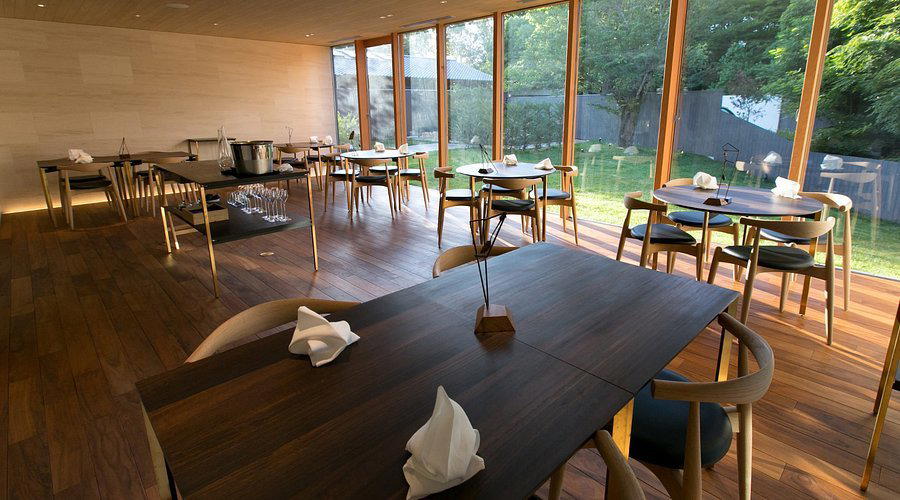


Bars in Nara
All bars in Nara →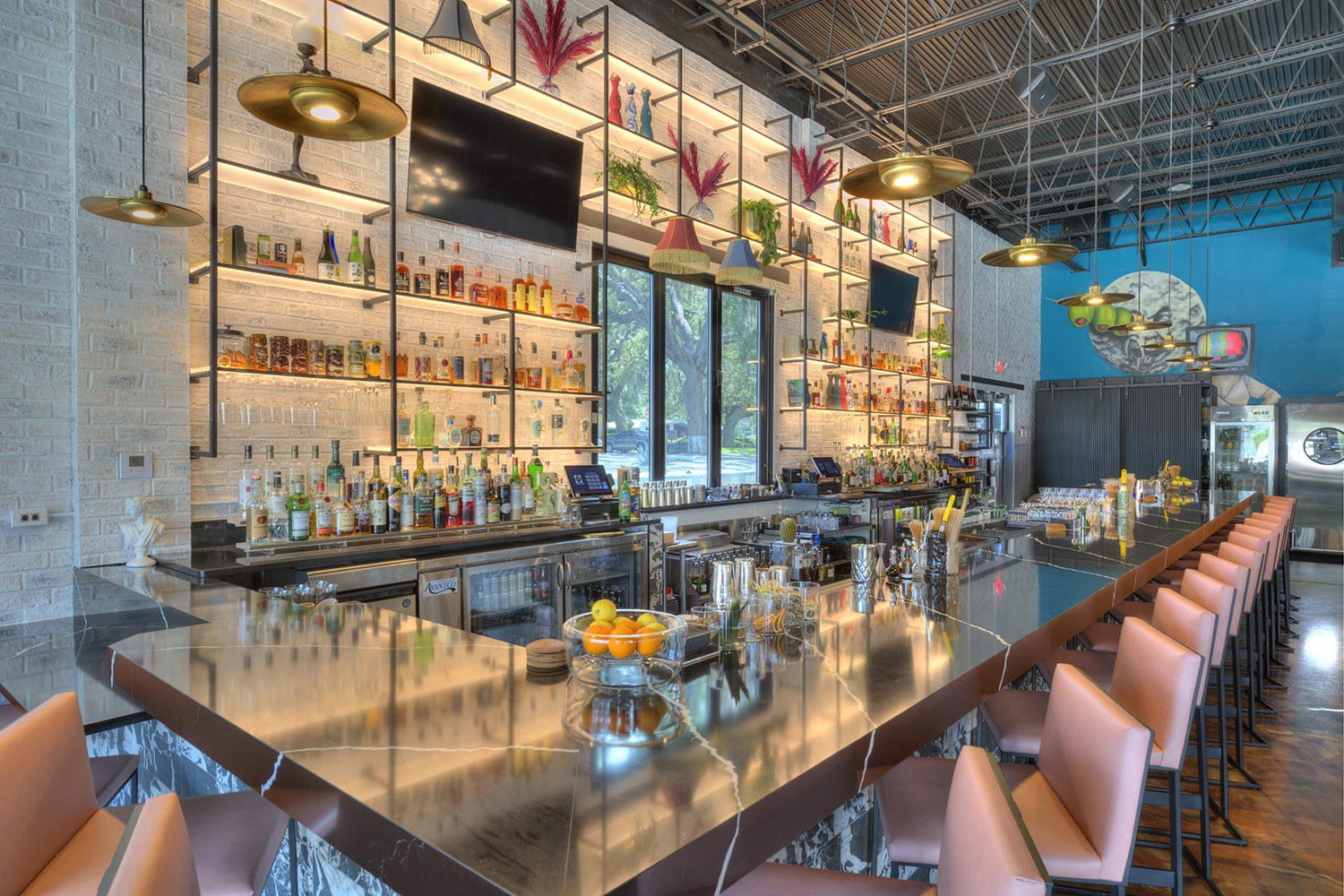
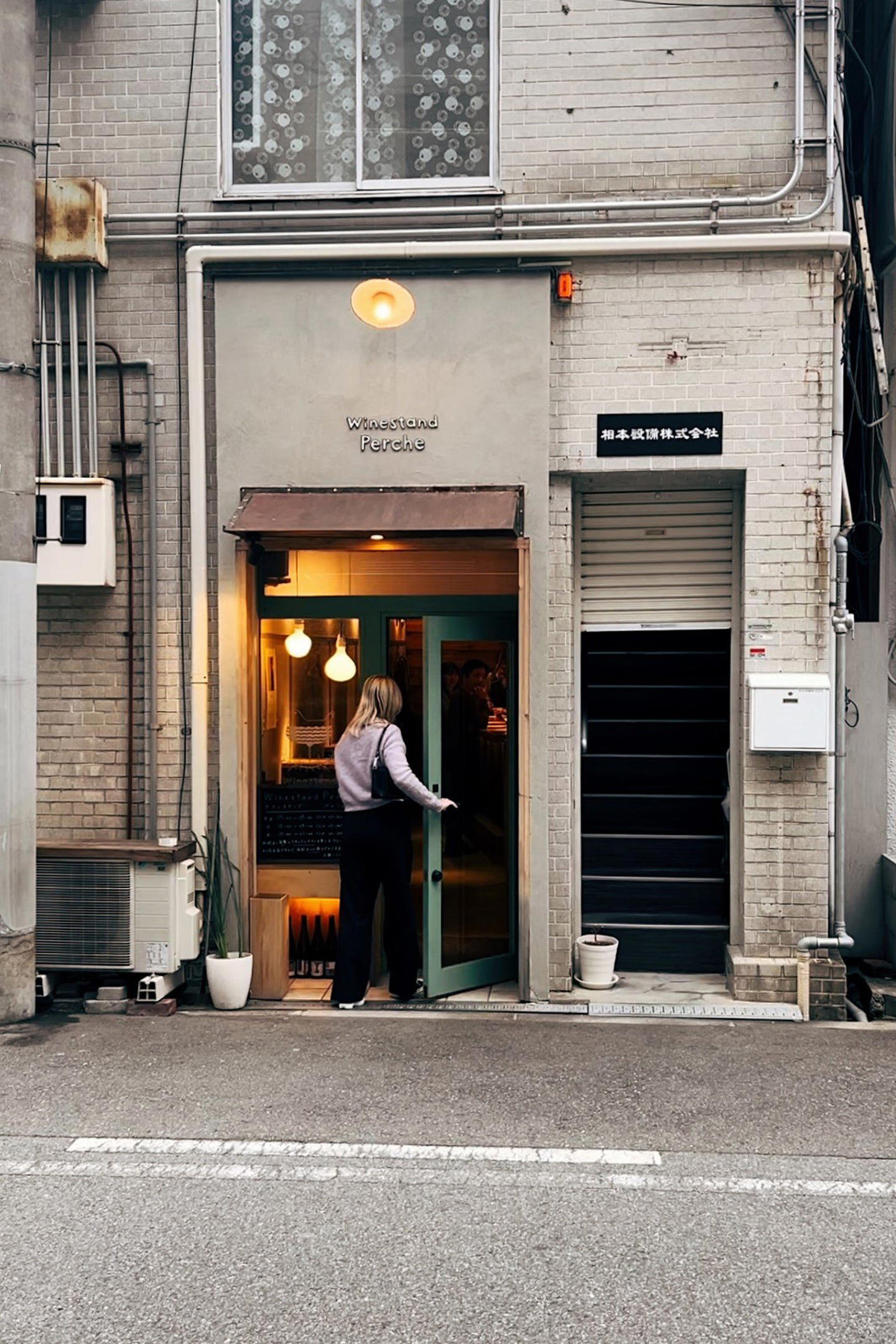


Hotels in Nara
All hotels in Nara →
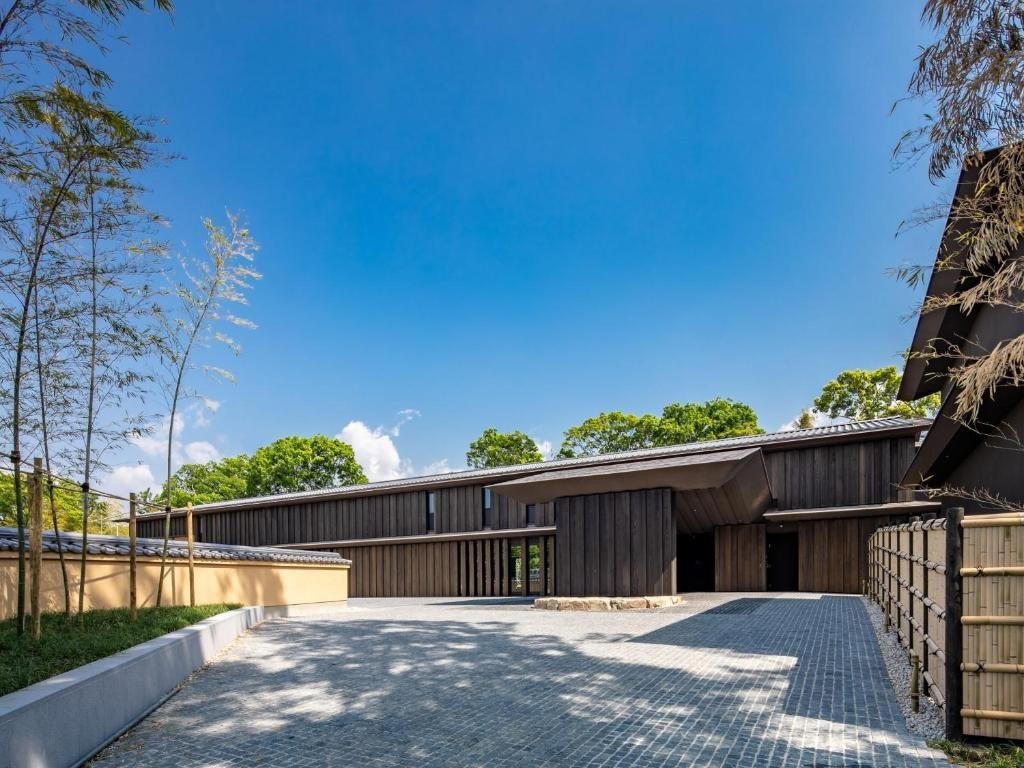


Wineries in Nara
Browse all →
Details
- Elegant
- Intimate
- Sophisticated
- Cozy
- Date Night
- Business Dinner
- Special Occasion
- Private Dining
- Sake Program
- Local Sourcing
- Omakase
- Tasting Menu
- Sake Program
Current opening hours
- Monday
- 11:30 AM–3 PM, 5:30–10 PM
- Tuesday
- 11:30 AM–3 PM, 5:30–10 PM
- Wednesday
- Closed
- Thursday
- 11:30 AM–3 PM, 5:30–10 PM
- Friday
- 11:30 AM–3 PM, 5:30–10 PM
- Saturday
- 11:30 AM–3 PM, 5:30–10 PM
- Sunday
- 11:30 AM–3 PM, 5:30–10 PM
Hours can change for holidays and private events. Hours as of .
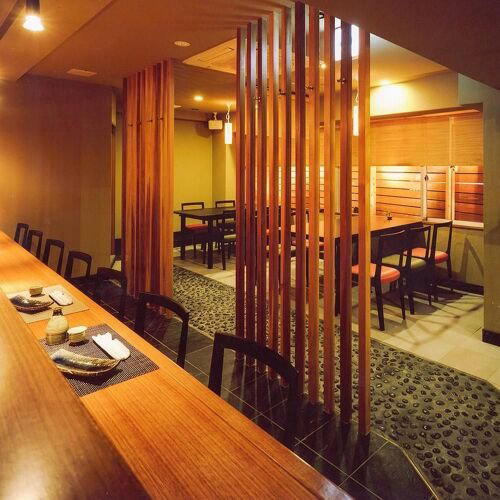
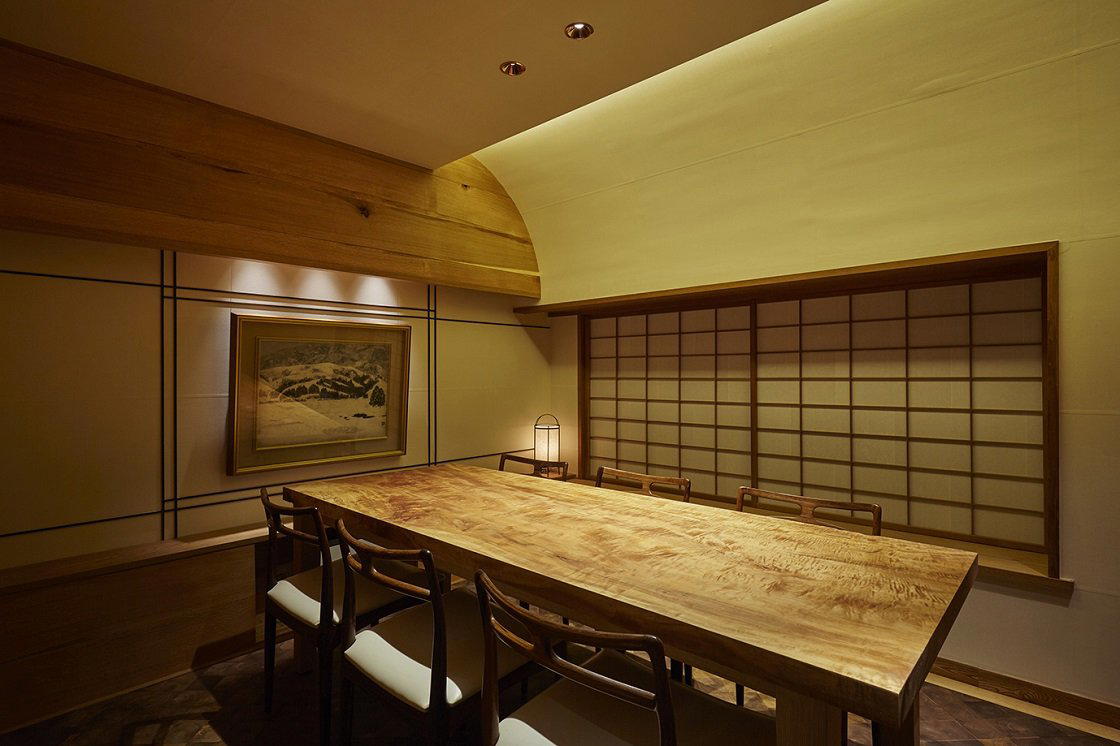
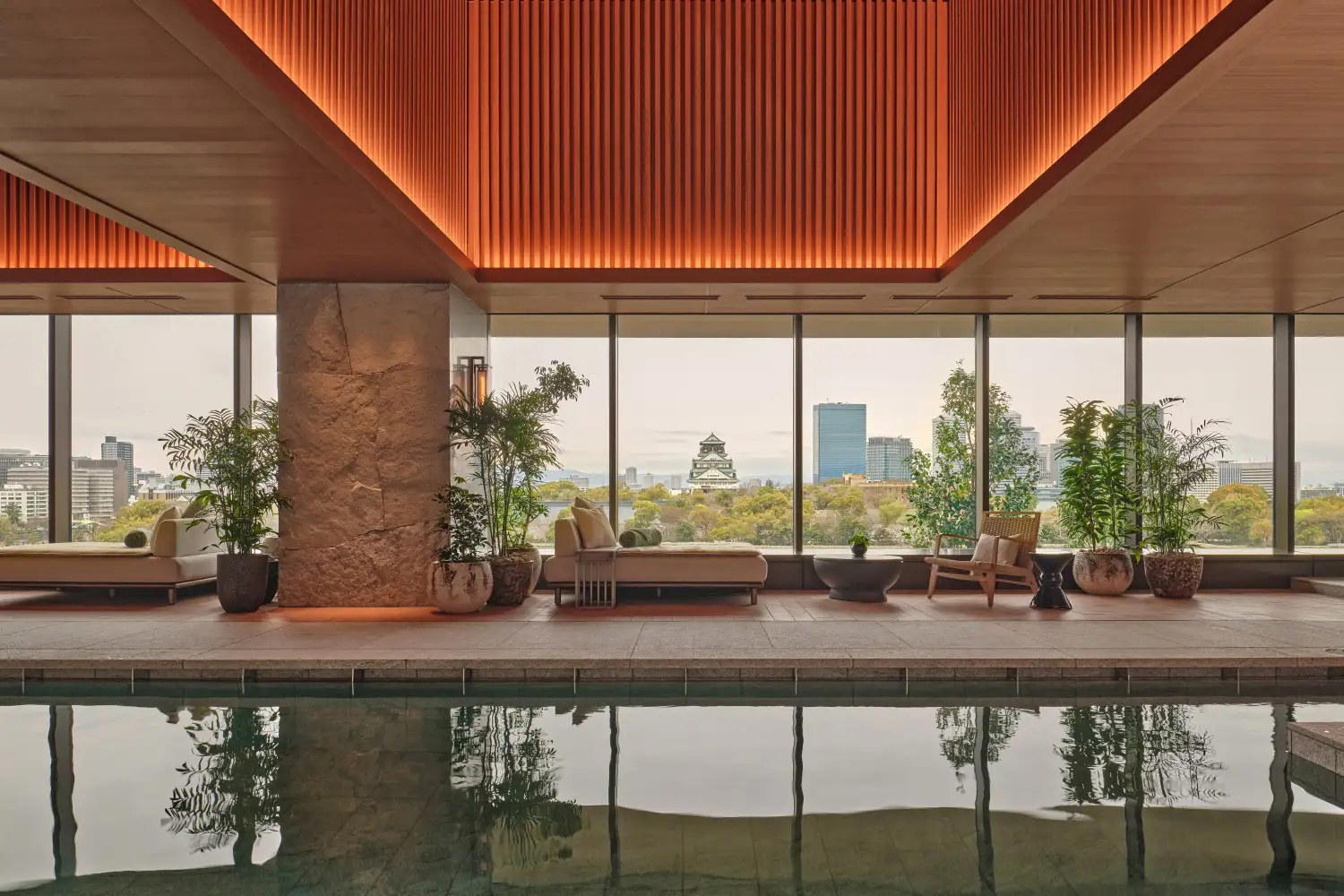
Traditional Japanese charm with relaxing hinoki wood interiors, stylish spacious seating, and a contemplative atmosphere.