
Tsuru Yoshi places Nara’s kaiseki tradition in a quiet, house-restaurant register rather than a grand hotel dining room. Its Tabelog Award 2026 Bronze recognition and 2025 Tabelog 100 Japanese cuisine WEST selection put it in a serious regional bracket, with fish-focused Japanese cooking, sake, private rooms and counter or tatami-style seating shaping the experience.
Pearl is the En Primeur Club membership app — saves, bookings, and concierge access live there. Same editors, same standards.
- Address
- 22-1 Wakidocho, Nara, 630-8337, Japan
- Phone
- +81 742-26-7798
- Website
- naramachiinfo.jp
- Directions
- Get directions
 Saves & bookings on Pearl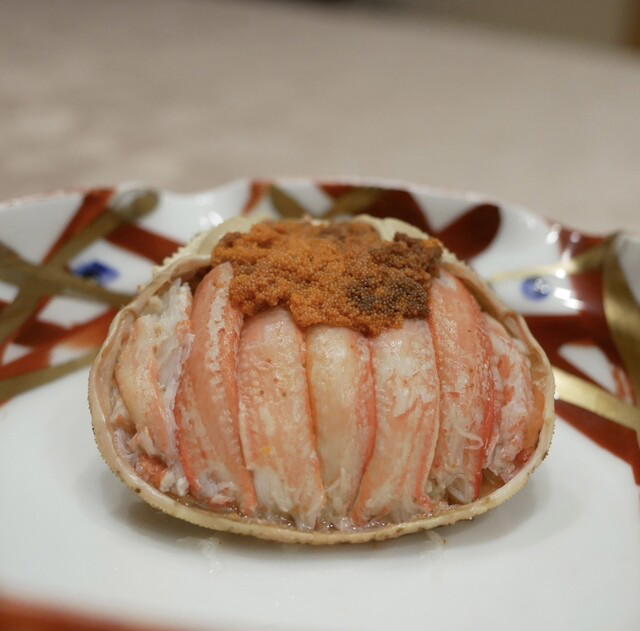
Approach in Wakidocho and the mood is residential before it is ceremonial: a house-restaurant setting, counter seating, tatami room and sunken seating rather than the theatre of a large dining room. That matters in Nara, where Japanese cuisine often reads through restraint, season and proportion. Tsuru Yoshi belongs to that quieter register, the kind of place where the meal’s structure carries the authority, not a personality cult around a chef.
Nara is not Kyoto with smaller crowds. Its dining culture has a different centre of gravity: temple-town pacing, older streets, and a stronger sense that formality can be intimate. In that context, a Japanese cuisine restaurant with private rooms for two or four, non-smoking policy, parking and sake service is not merely ticking comfort boxes. It is describing a particular version of hospitality, one suited to family meals, business dinners and careful multi-course cooking without turning the evening into a performance.
Kaiseki discipline in a house-restaurant frame
Kaiseki is often misunderstood by travellers as luxury through accumulation. The better reading is sequence: appetite is managed, season is implied, temperature and serving rhythm are part of the grammar. Fish-focused cooking sits naturally inside that structure because it gives the kitchen a wide register, from delicacy to depth, without forcing heaviness early in the meal. Tsuru Yoshi’s public signals point toward that tradition rather than toward the more casual izakaya or kappo end of Japanese dining.
The recognition helps define the tier. The restaurant holds The Tabelog Award 2026 Bronze and was selected for Tabelog 100 Japanese cuisine WEST 2025, with a Tabelog score of 3.79. In Japan, those signals matter because Tabelog’s serious users tend to reward consistency, ingredient handling and repeat-visit confidence more than novelty. This is not the Kyoto luxury pricing bracket occupied by out-of-metro peers such as Niku Kappou Yamaguchi or Higashiyama Ogata, but it sits above ordinary neighbourhood dining. Compared with Oryori Hisamatsu, which occupies a lower dinner band, it reads as a more committed special-occasion choice; compared with Mitsuyasu, the reference point is less grandeur than controlled Japanese cuisine at a regional level.
The house format also changes how kaiseki feels. Counter seating can make the meal more direct, while tatami and sunken seating suit guests who want conversation to take precedence over kitchen visibility. Private rooms for two and four push the experience toward a classic Japanese social use case: a meal that can carry family, friends or business without losing the calm that multi-course cooking requires. The availability of sake completes the expected frame, though the draw is the pairing culture around nihonshu rather than a named bottle list.
Nara's serious Japanese dining is smaller, calmer and more local than Kyoto's
Kyoto sets the international expectation for kaiseki, but Nara rewards a different traveller: one who has time to eat after the temples, not between photo stops. The city’s scale makes the meal feel closer to the street. Restaurants such as Le Bois, 37+1 - Sanjuhachi, A VOTRE SANTE (French), Ajinokaze Nishimura (Japanese) and Ajinotabibito Roman (Japanese) show how compact the local dining map can be: Japanese cuisine, French technique and small-room hospitality coexist without the density of Osaka or Kyoto.
For a traveller building a Nara itinerary, the decision is less about chasing a single headline table and more about matching meal format to the day. A kaiseki-leaning dinner after temple visits asks for calm and patience; a lunch slot can be more strategic if the evening is reserved for a ryokan, hotel dining room or onward train. The restaurant’s Monday closure and split service pattern make planning relevant, but the broader point is this: Nara rewards advance structure. The city is gentle on foot, yet serious meals still require intention.
Tsuru Yoshi is strongest for diners who want Japanese cuisine in a composed room, with enough formal infrastructure for a business or family occasion and enough intimacy to avoid hotel-restaurant anonymity. It is less suited to anyone seeking casual grazing, late-night spontaneity or chef-counter spectacle as the main event. The editorial case rests on proportion: award recognition, fish-led Japanese cooking, sake, private rooms and a house setting combine into a Nara dining experience that feels rooted rather than export-ready.
How to place it within a wider Nara trip
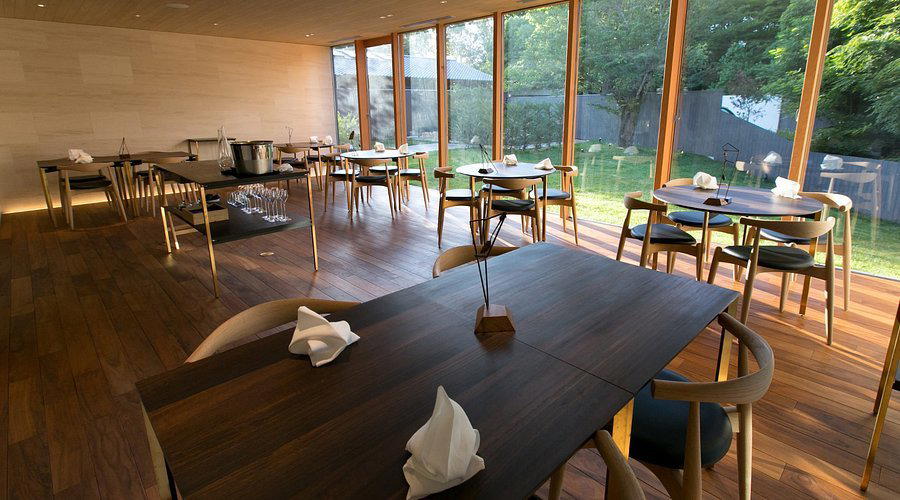
Use the meal as the anchor for a quieter Nara day rather than as a quick add-on. The surrounding city works well when dining, temples and lodging are planned together; the broader editorial map is useful if the trip extends beyond one reservation. See Our full Nara restaurants guide for the local dining spread, Our full Nara hotels guide for stay planning, Our full Nara bars guide for after-dinner options, Our full Nara wineries guide for wine-led detours and Our full Nara experiences guide for cultural pacing around the meal.
For broader context across Japan and beyond, compare how Japanese dining changes by place and format: -Grilled beef Sukiyaki- KAMAKURA TANUKIAN 鎌倉 たぬき庵 in Kamakura shows a beef-led tradition in a different historic city. 鮪と炭火焼き うお炭 秋葉原店 in Tokyo points toward urban tuna and charcoal cooking.cafe in Osaka sits in a different casual register.know in Kumamoto adds a Kyushu reference, (Shoku) Vietnam in Kawasaki shows how non-Japanese formats sit inside Japanese cities, [Curry Senmon Ten] Maruyama Kyoju. in Sapporo moves the lens north, Beppu Hirokado, Japanese Cuisine in Oita offers another regional Japanese cuisine comparison, and Cocoro, Japanese Cuisine in Auckland shows the tradition translated outside Japan.
In Context: Similar Options
Comparable venues by cuisine and price in the same metro.
| Venue | Cuisine | Price | Awards | Notes |
|---|---|---|---|---|
| Tsuru YoshiThis venue — the venue you are viewing | Traditional Kaiseki | $$$ | Not listed | Not listed |
| お料理 ひろ岡 | Nara Kaiseki | $$$ | Not listed | Nara |
| Soba Kiri Momoyo Zuki | Traditional Soba Noodle Shop | $$ | Not listed | Nara |
| 本城 | Traditional Kaiseki | $$$ | Not listed | Nara |
| 麺屋 NOROMA | 鶏白湯ラーメン | $$ | Not listed | 西大寺 |
| Wa Asuka | Seasonal Kaiseki | $$$ | Michelin Plate | Nara |
Recognition history
Dated appearances from independent guides and award organizations, with the underlying list record or original source where available.
Tabelog Bronze #490
Tabelog
Tabelog 100 #42 · No. 42
Tabelog · Tabelog 100 - Japanese cuisine - WEST - 2025
Continue exploring
More in Nara




Bars in Nara
Browse all →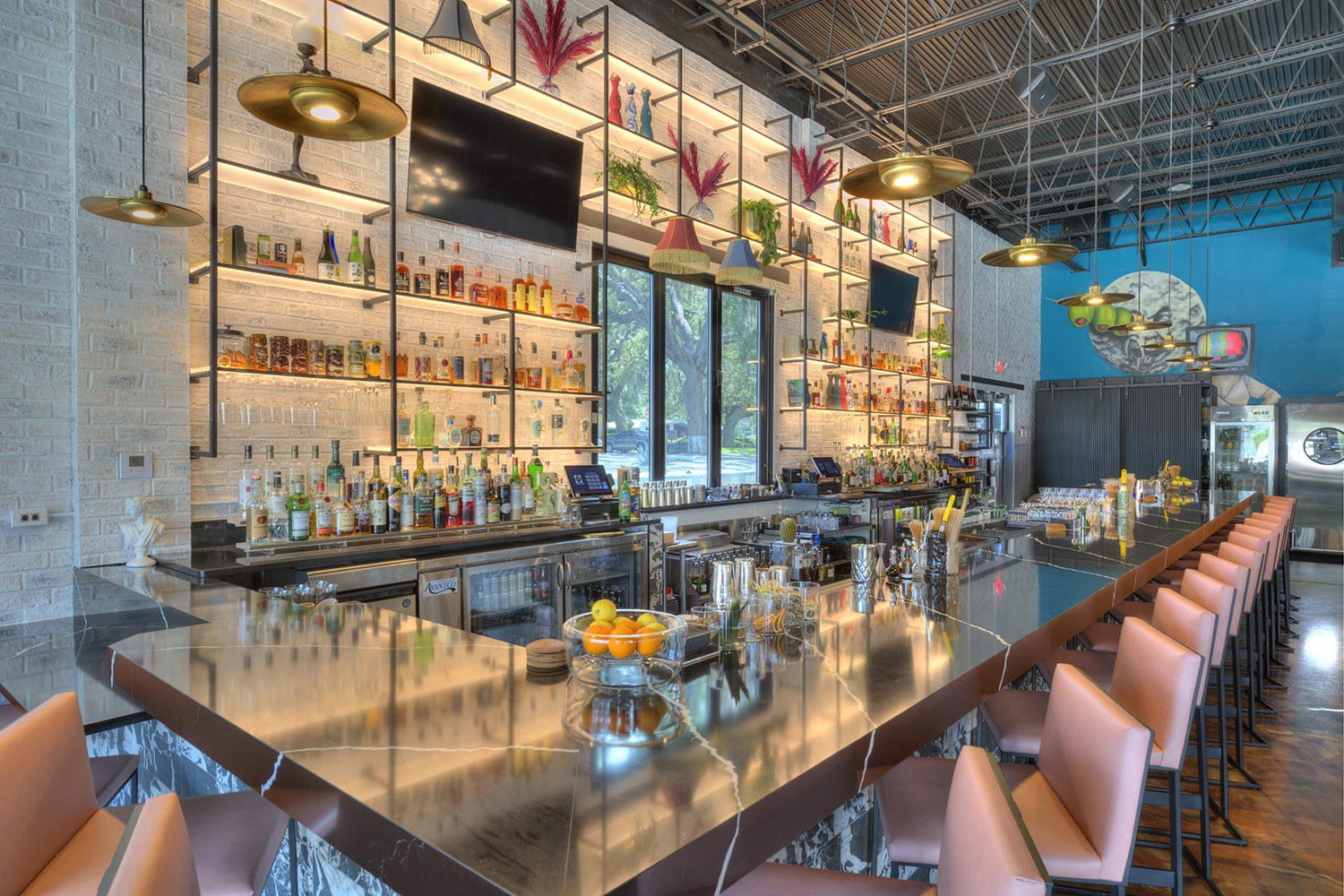


Hotels in Nara
Browse all →




Wineries in Nara
Browse all →
At a Glance
- Elegant
- Intimate
- Cozy
- Sophisticated
- Special Occasion
- Family
- Business Dinner
- Private Dining
- Sake Program
Current opening hours
- Monday
- Closed
- Tuesday
- 11:30 AM–2 PM, 5–9:30 PM
- Wednesday
- 11:30 AM–2 PM, 5–9:30 PM
- Thursday
- 11:30 AM–2 PM, 5–9:30 PM
- Friday
- 11:30 AM–2 PM, 5–9:30 PM
- Saturday
- 11:30 AM–2 PM, 5–9:30 PM
- Sunday
- 11:30 AM–2 PM, 5–9:30 PM
Hours can change for holidays and private events. Last verified .
Calm and relaxing Japanese-style private rooms and counter seating with a serene, luxurious atmosphere.