
Kushizukushi holds consecutive Michelin Bib Gourmand recognition for 2024 and 2025, placing it among Nara's most credible value dining options in a city where that designation remains competitive. The format is kushiage, a discipline built on sequential deep-fried skewers, and the price bracket sits at the accessible end of Nara's recognised dining tier. Find it at 31-1F Wada Building, Yanagimachi, Nara.
Pearl is the En Primeur Club membership app — saves, bookings, and concierge access live there. Same editors, same standards.
- Address
- Japan, 〒630-8353 Nara, Yanagimachi, 31-1F 和田ビル
- Phone
- +81 742-23-0010
- Website
- kcmd200.gorp.jp
- Directions
- Get directions
 Saves & bookings on Pearl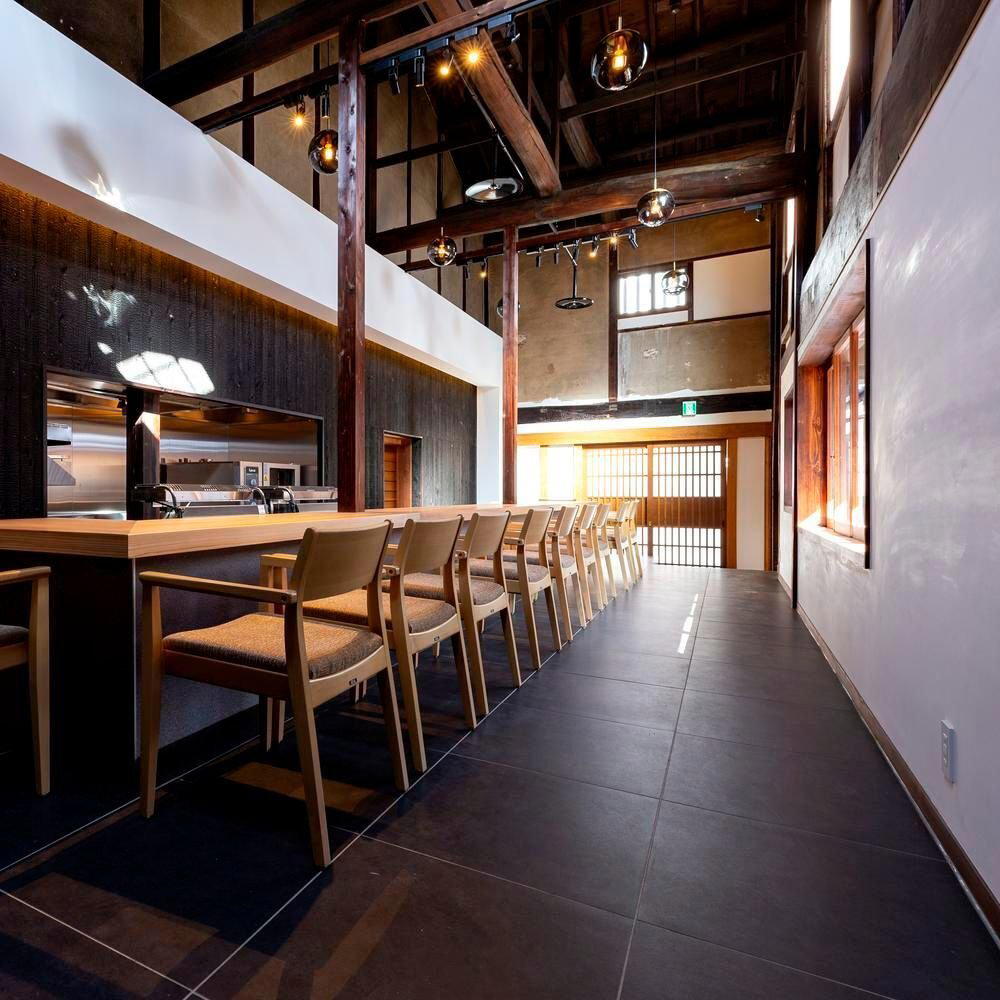
Nara's Occasion Dining at the Accessible End of the Michelin Tier
There is a particular pleasure in arriving at a meal with something to mark. Nara's recognised dining scene runs from kaiseki rooms that command multi-course formality to a tighter cluster of affordable, award-holding addresses that make celebration feel less ceremonial and more grounded. Kushizukushi occupies that second category, with back-to-back Michelin Bib Gourmand recognition in 2024 and 2025 confirming its position inside a small group of Nara venues where serious food and a single-yen price bracket coexist. For a birthday dinner, a pre-Kofukuji evening, or a deliberate meal at the end of a long walk through the deer park, the address answers a real question: where in Nara can you eat at a Michelin-acknowledged standard without the kaiseki price ceiling?
Kushiage as a Format for Shared Meals
Kushiage, the Osaka-origin discipline of battered and deep-fried skewers served in sequence, lends itself to occasion dining in ways that single-plate formats do not. The progression of items, each arriving at its own moment, creates a natural rhythm across a table. Ingredients rotate between seafood, vegetable, and meat, and the pacing of a kushiage counter tends to match conversation rather than interrupt it. The format shares structural DNA with the broader Japanese skewer tradition but is distinct from yakitori in both technique and register: the batter creates a sealed, textured exterior rather than a charred surface, and the oil temperature and timing are the craft variables that separate a technically sound kitchen from a routine one. The Bib Gourmand designation suggests the kitchen at Kushizukushi is working at a level above the format's casual average.
Within Nara specifically, kushiage sits as a distinct speciality in a city more commonly associated with kaiseki and tofu-forward Japanese cooking. Sosakukushinomise Rindo represents a more inventive interpretation of the skewer format in the same city, and comparing the two addresses is useful for anyone trying to understand where Kushizukushi sits: the latter holds to the core discipline of the format, while the former takes a more creative approach to the kushiage template. Neither position is superior; they serve different occasions and different appetites.
Where It Sits in Nara's Recognised Dining Tier
Nara's Michelin-referenced restaurant scene is compact by the standards of Japan's larger cities. The upper end of that scene is represented by two-star addresses like NARA NIKON and akordu, the latter working in Spanish innovative cuisine at the ¥¥¥ price point. Below those in budget terms but still within Michelin recognition, Bib Gourmand venues occupy a meaningful position: they allow access to a credentialed dining experience at a cost that fits an evening rather than a budget allocation. Kushizukushi's ¥ price range places it at one accessible point within that recognised tier, which is a specific and useful fact for travellers planning a multi-day Nara itinerary that already includes a higher-spend meal elsewhere.
For broader Kansai context, kushiage at the upper end of its range can be compared to what addresses like Ahbon in Kyoto represent for the format in a different city. The category also extends internationally: Hidden Kitchen in Hong Kong brings the kushiage format into a different cultural setting entirely, which helps frame how portable and adaptable the discipline has become outside Japan.
Elsewhere in the Kansai and broader Japan circuit, diners tracking Michelin-credentialed Japanese cooking at various price points will find relevant comparison in Gion Sasaki in Kyoto, HAJIME in Osaka, and Harutaka in Tokyo for sushi. Goh in Fukuoka, 1000 in Yokohama, and 6 in Okinawa extend the picture across Japan's wider fine and recognised dining geography.
The Building, the Address, and Getting There
Kushizukushi operates from the first floor of the Wada Building at 31-1, Yanagimachi, a central Nara address that places it within walking distance of the primary sightseeing corridor connecting Kintetsu Nara Station with Nara Park. Yanagimachi sits in the commercial core of the city rather than in any of the preserved historical precincts, which means the approach is urban and practical rather than atmospheric. That setting suits the format: kushiage is a city food, rooted in Osaka's working-kitchen culture, and there is no incongruity between a modest modern building and a discipline that has always prized technique over theatre. The Bib Gourmand recognition provides practical assurance that the meal will deliver relative to spend.
For travellers building a Nara itinerary around more than one meal, additional reference points across Japanese cuisine in the city include Oryori Hanagaki and Tsukumo, both working in Japanese formats at distinct registers.
A Note on Occasion and Price
The assumption that a marked occasion requires an expensive restaurant is a habit worth testing, particularly in Japan, where the Bib Gourmand category was designed precisely to identify places that exceed their price tier. Two consecutive years of that recognition at Kushizukushi points to a kitchen that is consistent rather than occasionally inspired, which matters more than novelty when a meal carries expectation. The format, the price point, and the location combine to make this a practical choice for a meaningful evening without the advance-booking pressure or budget stretch that the city's other addresses require.
Comparable Spots, Quickly
Comparable venues nearby, for context on price, style, and recognition.
| Venue | Cuisine | Price | Awards | Notes |
|---|---|---|---|---|
| KushizukushiThis venue — the venue you are viewing | Kushiage (Deep-fried Skewers) | $$$ | Bib Gourmand | Not listed |
| Noto Toto Teuchisoba Tabiki | Handmade Teuchi Soba | $$ | Bib Gourmand | Nara |
| Arigato | japanese | $$$ | Michelin Plate | Nara |
| Nikutoieba Matsuda | Wagyu Kappo Kaiseki | $$$ | Michelin Plate | Naizencho |
| A VOTRE SANTE | Classic French Fine Dining | $$$ | Bib Gourmand | Ikoma |
| Shikinosushi KROUTO | Seasonal Sushi | $$$$ | Michelin Plate | Nara |
Recognition history
Dated appearances from independent guides and award organizations, with the underlying list record or original source where available.
Michelin Bib Gourmand
Michelin
Michelin Bib Gourmand
Michelin
Continue exploring
More in Nara




Bars in Nara
Browse all →


Hotels in Nara
Browse all →




Wineries in Nara
Browse all →
At a Glance
- Cozy
- Intimate
- Date Night
- Family
- Special Occasion
- Open Kitchen
- Sake Program
- Local Sourcing
Current opening hours
- Monday
- Closed
- Tuesday
- 5–9:30 PM
- Wednesday
- 5–9:30 PM
- Thursday
- 5–9:30 PM
- Friday
- 5–9:30 PM
- Saturday
- 5–9:30 PM
- Sunday
- 5–9:30 PM
Hours can change for holidays and private events. Last verified .
Intimate counter seating with a welcoming, lively yet casual atmosphere where guests watch the chef prepare courses.