Michelin Plate
Our verdict
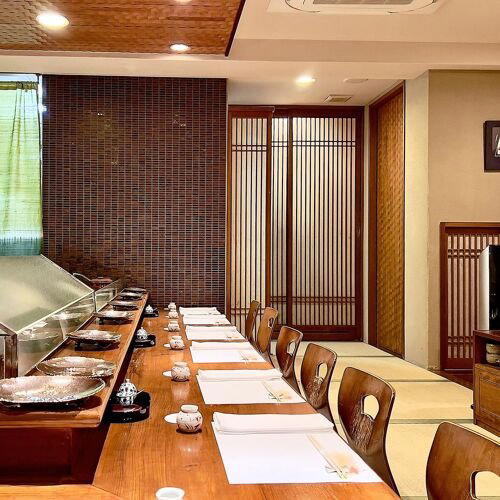
The counter operates omakase-style, with red-vinegar rice as the foundation and a format that adapts to each guest, more sake pairings for drinkers, a tighter sushi sequence for purists. Local seafood including sea bream, sand shrimp, and egg cockle runs through the menu alongside the Edomae canon.

Pearl is the En Primeur Club membership app, where members save venues, book tables and use the concierge.
The menu
What to order
- Sea urchin nigiri
- Oven-baked sea bream
Where Edomae Discipline Meets the Osaka Bay Larder
Higashiyodogawa is not the ward that appears in most Osaka dining guides. It sits north of the city's restaurant cluster, away from the Namba and Shinsaibashi corridors that absorb most foreign attention, and it does not announce itself. Arriving at Sennarizushi, in a residential block on Sugahara, you are already some distance from the curated dining theatre of central Osaka. That physical remove is part of what the experience signals: this is a counter that built its reputation through the neighbourhood before it attracted wider notice.
The Michelin Plate awarded in 2025 is the formal acknowledgement of what local regulars had understood for longer. In Michelin's own framework, the Plate sits below star designation but above the crowd, it marks a kitchen where the inspectors found food prepared to a consistent standard worth recording. For a counter operating omakase in a ward that does not trade on dining prestige, that recognition carries weight beyond the symbol itself.
The Edomae Argument in an Osaka Room
Omakase sushi in Japan divides broadly along two lines: the Tokyo-derived Edomae tradition, built on vinegared and aged fish, and the approaches more native to Kansai, which historically leaned toward lightly pressed and sweeter-seasoned rice. The current owner of Sennarizushi trained in the Edomae style and brought that discipline into a room shaped by Osaka's own seafood geography. The result is not a replica of a Tokyo counter but a negotiation between two traditions.
Red-vinegar rice akazu shari, is the technical foundation. In the Edomae lineage, red vinegar produced from sake lees gives the rice a deeper colour and a rounder, more savory profile than the white-vinegar rice common at mid-tier omakase counters. It is a choice that signals seriousness of intent, and it is the frame around which the Osaka Bay seafood sits. Sea bream, sand shrimp, and egg cockle drawn from local waters bring a regional identity to a technically Tokyo-inflected menu. That combination is the counter's actual proposition, and it is harder to find than either tradition in isolation.
The format is omakase, but the reading of the guest is active. If someone is drinking sake through the meal, the chef increases the proportion of small dishes, appetisers and sides that function as pairings, before the sushi sequence. If the preference runs toward the sushi itself, the pacing adjusts. This is standard practice at attentive counters across Japan, but it is worth noting because it distinguishes counters where omakase means a fixed scroll from those where it means genuine responsiveness. Sennarizushi operates in the second mode.
The Shop That Became a Counter
Sennarizushi's history as a sushi delivery operation before the current owner's transformation places it in a category of Osaka food businesses that carry generational continuity without being frozen by it. The shift from delivery-focused production to a sit-down counter is not merely a commercial repositioning, it requires a different relationship between chef and diner, different pacing, and a different calibration of what the rice and fish need to do. The transition to Edomae technique was part of that same recalibration. The counter format and the Edomae method arrived together.
For Osaka's sushi scene, that trajectory matters as context. The city's premium sushi counters sit in a competitive set that includes Michelin-recognised operations spread across wards that range from central Chuo to residential outliers. Sushi Harasho, Matsuzushi, Sushi Hoshiyama, Sushi Murakami Jiro, and Sushi Sanshin each occupy distinct positions within that set. Sennarizushi's ¥¥¥ pricing places it in the mid-upper tier, below the ¥¥¥¥ bracket occupied by Osaka's French and innovative fine-dining leaders such as Hajime, La Cime, and Fujiya 1935, and at parity with the kaiseki houses like Kashiwaya Osaka Senriyama and Taian that hold equivalent price positioning. Within the sushi category specifically, ¥¥¥ at Michelin Plate level represents a meaningful entry point.
Recognition in a Broader Regional Frame
The Michelin Plate at Sennarizushi is one data point in a larger pattern of how the guide has mapped Osaka's residential wards. Michelin Japan has progressively widened its coverage beyond flagship dining districts, and counters in less central postcodes have increasingly appeared in the listings. That geographic expansion matters for how readers should think about where to eat in Osaka: the address is no longer a reliable proxy for quality.
For those mapping a Japan itinerary, the sushi omakase category extends well beyond Osaka. Harutaka in Tokyo and Sushi Shikon in Hong Kong both represent the Edomae tradition at higher price tiers and star level, providing a reference point for what Sennarizushi sits alongside and where it diverges in scale and positioning. Shoukouwa in Singapore offers another regional comparison for omakase sushi operating outside Japan's home market. Within the Kansai region, the dining conversation broadens considerably: Gion Sasaki in Kyoto and akordu in Nara represent different angles on the region's food culture, while Goh in Fukuoka and 1000 in Yokohama extend the map further. 6 in Okinawa rounds out a national picture in which regional sushi counters are increasingly drawing their own critical attention.
Planning Your Visit
The address, 5 Chome-5-13 Sugahara, Higashiyodogawa Ward, places Sennarizushi in a residential neighbourhood north of central Osaka. The ward is accessible by train, but visitors should allow extra navigation time compared with more central dining destinations. The counter carries a ¥¥¥ price designation, consistent with mid-upper omakase counters in Osaka.
| Detail | Sennarizushi | Typical Osaka Sushi Counter (¥¥¥) | Typical Osaka Sushi Counter (¥¥¥¥) |
|---|---|---|---|
| Price tier | ¥¥¥ | ¥¥¥ | ¥¥¥¥ |
| Recognition | Michelin Plate (2025) | Varies | Often Michelin starred |
| Format | Omakase, guest-adaptive | Omakase or à la carte | Strict omakase |
| Rice style | Red-vinegar (akazu) shari | Typically white-vinegar | Variable |
| Varies | Fewer reviews, often higher | ||
| Location | Higashiyodogawa (residential) | Often central Osaka | Often central Osaka |
Booking is advisable. Reservations made well in advance are the safer approach, particularly for weekend visits or holiday periods.
For a fuller picture of what Osaka offers across categories, see our full Osaka restaurants guide, alongside our Osaka hotels guide, bars guide, wineries guide, and experiences guide.
Frequently asked questions
What is the atmosphere like at Sennarizushi?
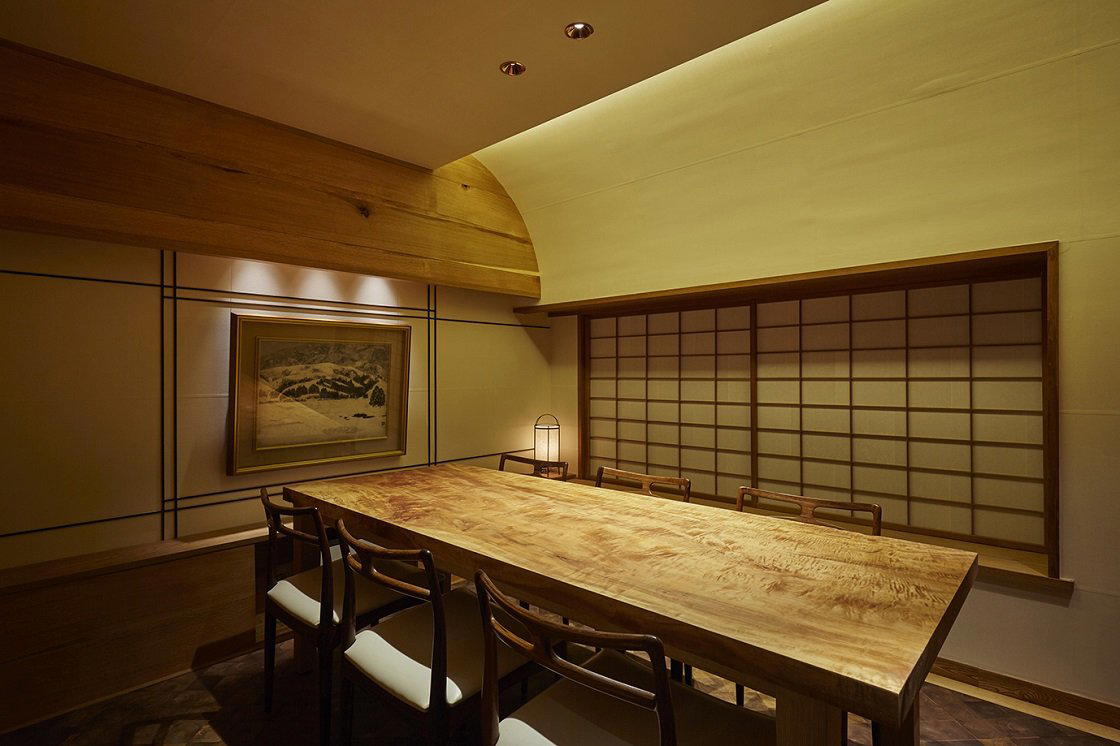
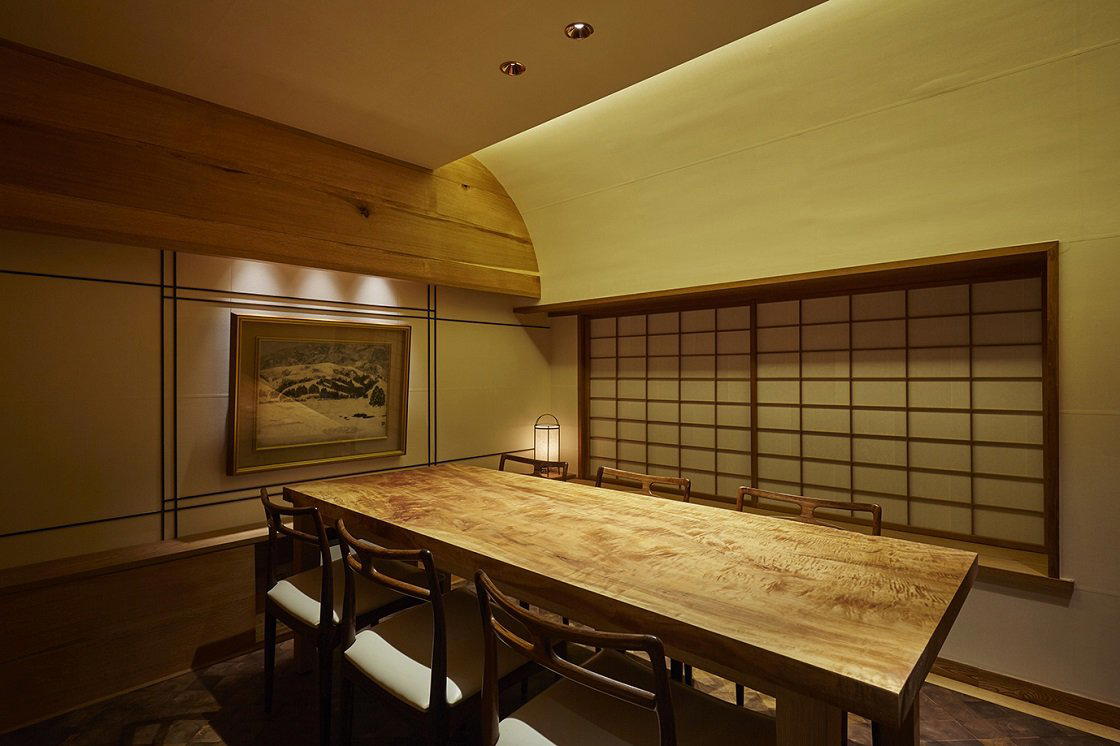
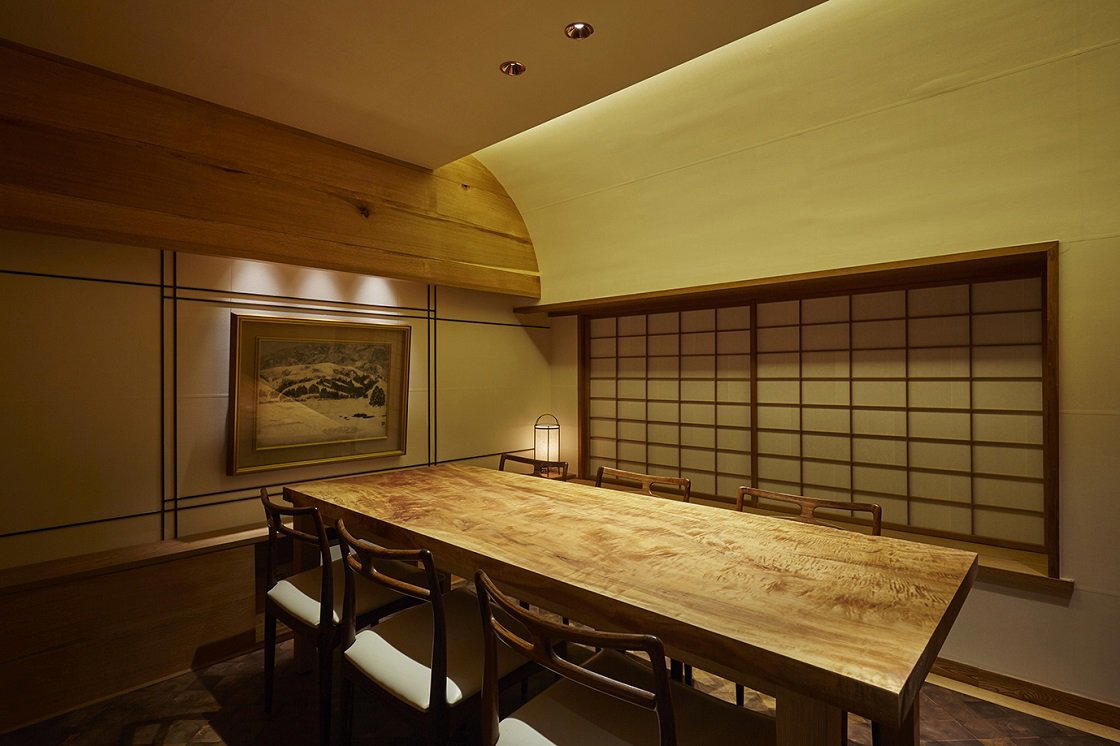
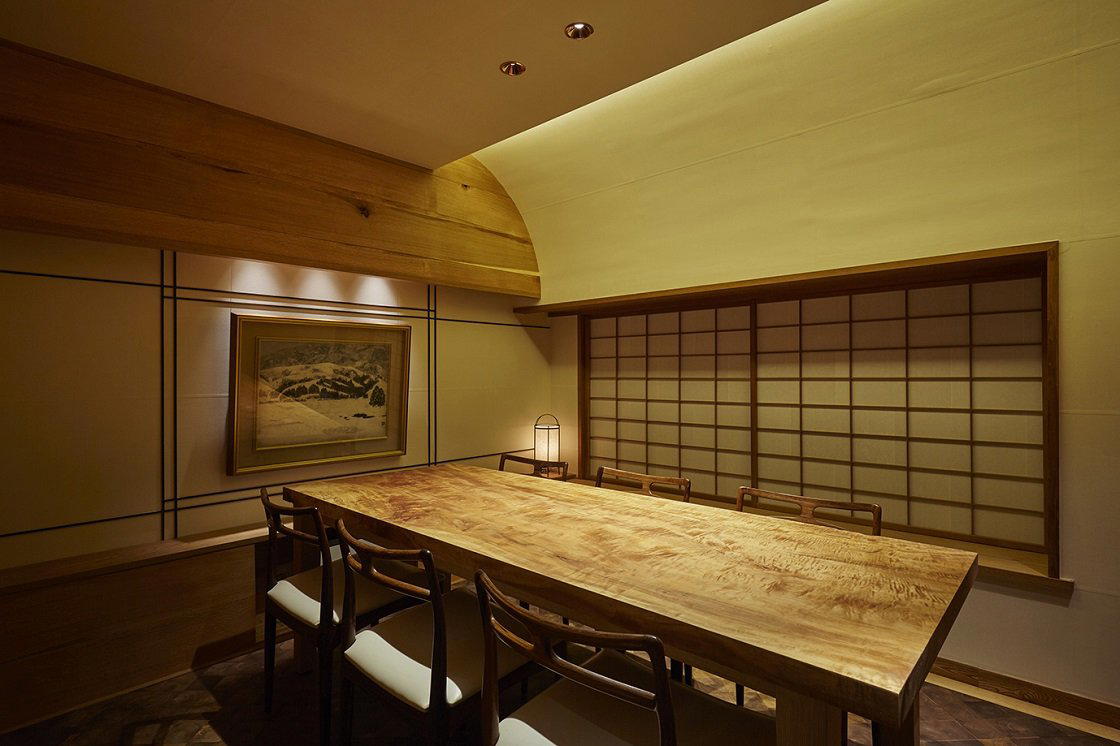
Sennarizushi sits in a residential pocket of Higashiyodogawa Ward, north of Osaka's central dining cluster, which sets the tone: this is a neighbourhood counter, not a showroom. The current owner converted what was a sushi delivery business into a sit-down restaurant, and that lineage shapes the room, functional and focused on the food rather than theatrical staging. The chef reads the table closely, adjusting the ratio of small dishes to nigiri based on how much guests are drinking.
What cuisine category does Sennarizushi fall under?
Does Sennarizushi have a Michelin star or similar recognition?
Sennarizushi has received recognition including: Until the previous generation, the shop had focused on sushi deliveries, but the current owner transformed it into a sushi restaurant. He changed the sushi, too, reflecting his training in the Edomae style. Sushi is served omakase style, bu….
What's the signature dish at Sennarizushi?
There is no fixed signature piece, the format is omakase, with the chef building the progression around each guest's preferences. What anchors the menu is the combination of Edomae-trained technique and Osaka Bay seafood: sea bream, sand shrimp, and egg cockle feature regularly, all formed with red-vinegar rice. That pairing of a Tokyo-derived sushi tradition with local bay produce is the defining culinary argument at Sennarizushi.
Is Sennarizushi more mid-range or high-end?
Pricing at Sennarizushi is listed as ¥¥¥.
How do I find Sennarizushi?
Sennarizushi is located at 5 Chome-5-13 Sugahara, Higashiyodogawa Ward, Osaka, 533-0022, Japan, Osaka.
Should I book Sennarizushi in advance?
The venue holds a Michelin Plate (2025) and operates as an intimate omakase counter in a residential Osaka ward with no published online reservation system. Counters of this type in Japan rarely accommodate walk-ins, and availability at Michelin-recognised omakase seats is typically limited well ahead. Contacting the restaurant directly, or through a concierge who can communicate in Japanese, is the standard approach for securing a seat.
Awards and Standing
| Venue | Cuisine | Price | Awards | Notes |
|---|---|---|---|---|
| SennarizushiThis venue (the venue you are viewing) | Authentic Edomae Omakase | $150–200 | Michelin Plate | Not listed |
| HAJIME | Avant-Garde Japanese Fine Dining | $300–500 | 3 Michelin Stars · World's 50 Best #83 | French, Innovative |
| La Cime | Modern French with Japanese Ingredients | $150–200 | 2 Michelin Stars · World's 50 Best #13 | French |
| Kashiwaya Osaka Senriyama | Seasonal Kaiseki Omakase | $200–300 | 3 Michelin Stars · La Liste Top Restaurants | Japanese |
| Taian | Traditional Japanese Kaiseki Omakase | $150–200 | 3 Michelin Stars · La Liste Top Restaurants | Kaiseki, Japanese |
| Fujiya 1935 | Modern Japanese with European influences | $100–150 | 2 Michelin Stars · La Liste Top Restaurants | Innovative |
Recognition history
Dated appearances from independent guides and award organizations, with the underlying list record or original source where available.
Michelin Plate
Michelin
Full recognition history (2 entries)
Michelin Plate
Michelin