
Rokkakutei is a kushiage counter in Osaka's Nipponbashi district, ranked in the Opinionated About Dining Casual Japan list three consecutive years through 2025. Operating five evenings a week It sits in the upper tier of the city's fried-skewer tradition, where format discipline and ingredient quality count for more than scale or spectacle.
Pearl is the En Primeur Club membership app — saves, bookings, and concierge access live there. Same editors, same standards.
- Address
- 1 Chome-21-16 Nipponbashi, Chuo Ward, Osaka, 542-0073, Japan
- Phone
- +81 6-6633-1302
- Directions
- Get directions
 Saves & bookings on Pearl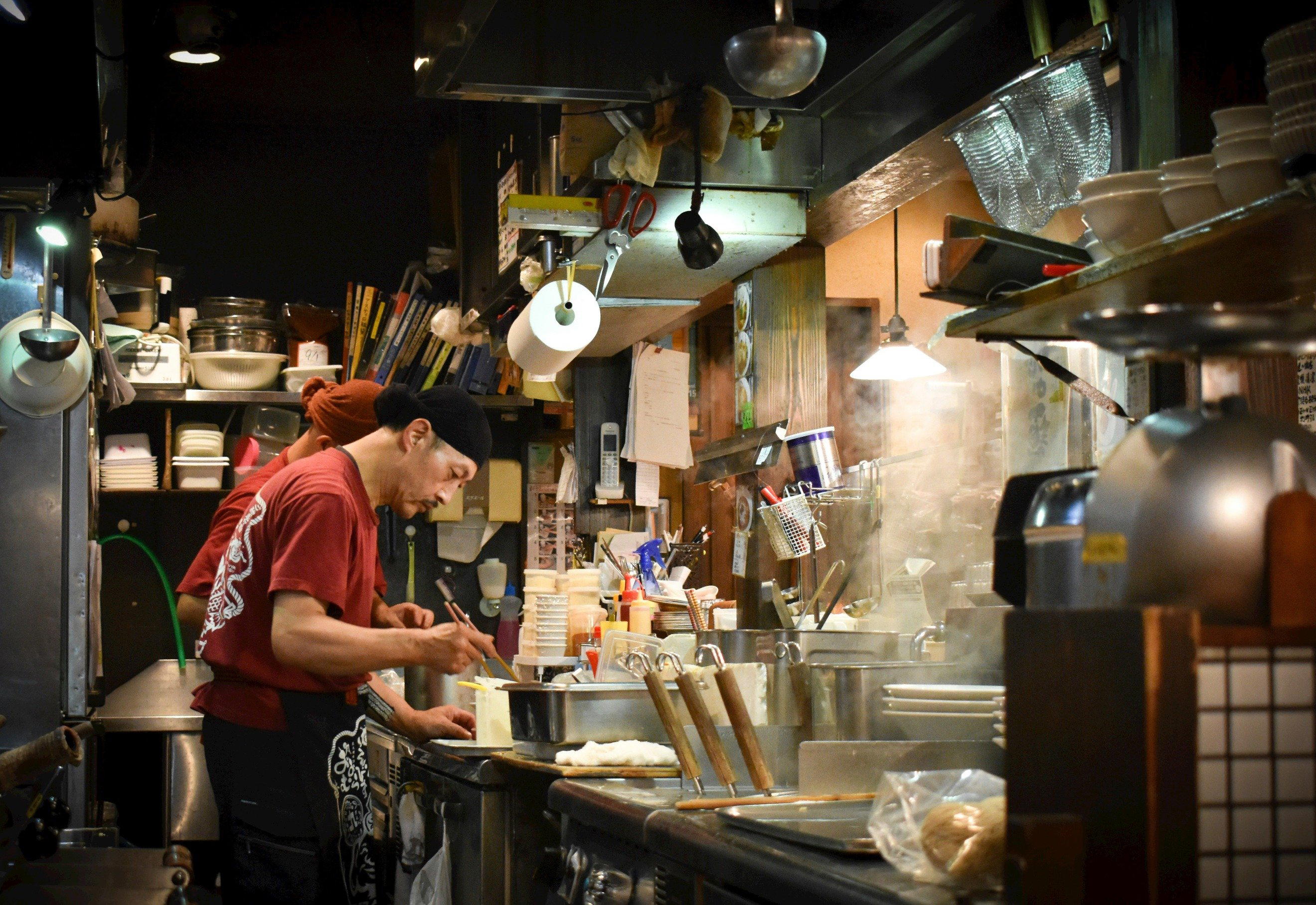
Nipponbashi and the Skewer Tradition
Nipponbashi is the kind of neighbourhood that resists easy categorisation. Running south from Namba through Chuo Ward, it has long served as Osaka's electronics and subculture corridor, yet within that same dense grid sits a concentration of serious food operations that have nothing to do with the surrounding retail energy. Kushiage, battered, deep-fried skewers of meat, seafood, and vegetable, is one of Osaka's most defended culinary territories, and Nipponbashi is legitimate ground for it. The form is older and more exacting than its casual reputation suggests: the batter weight, oil temperature, skewer composition, and dipping discipline all carry the kind of specificity that serious practitioners debate at length. In that context, Rokkakutei is not an anomaly in its surroundings. It is an argument that the neighbourhood's dining register runs deeper than its street-level appearance.
Three Years on the OAD Casual Japan List
The critical record for Rokkakutei is consistent and directional. Opinionated About Dining, which draws its Casual Japan rankings from a community of experienced diners across the country, has included the restaurant three consecutive years: ranked 65th in 2023, 87th in 2024, and 88th in 2025. The slight downward movement in rank is less significant than the sustained presence on a list that covers the full national field of casual Japanese dining. Staying on that list across three cycles, while peer venues rotate in and out, signals an operation that has maintained its standard rather than riding a single moment of attention.
That combination, volume high enough to be statistically meaningful, score high enough to suggest consistent execution rather than occasional brilliance, aligns with the OAD signal. Both point to a counter that performs reliably at a level its guests find worth returning to and recommending. For comparison, this is the competitive position that separates Rokkakutei from the much larger field of Osaka kushiage operations that carry no independent critical recognition at all.
The Kushiage Format and What It Demands
Kushiage and its near-cousin kushikatsu share a framework: ingredients skewered, battered, and fried, served in sequence at the counter. The distinctions matter. Osaka's kushikatsu tradition, particularly the Shinsekai style associated with the southern part of the city, is associated with communal sauce pots and a deliberately democratic price point. Kushiage, as practised at the higher end of the market, tends toward a more composed format: tighter sequences, more considered ingredient selection, and a counter experience that has more in common with an omakase than with a standing bar. Rokkakutei operates in the evening only, five nights a week, from 17:00 to 22:00, with Wednesday closed. That schedule is typical of counter-format operations where preparation time is non-negotiable and the kitchen does not run a split-shift service. It is not a format for drop-in dining, the evening-only window and the counter's presumed limited capacity mean planning is required.
Across Osaka, the kushiage counter tier has a small but serious comparable set. Kitashinchi Kushikatsu Bon operates in the city's northern entertainment district, positioning against a different demographic. Kushiage 010 and Kushikatsu Gojoya round out a small field where format and consistency, rather than size or profile, determine standing. Rokkakutei's location in Nipponbashi rather than the Kitashinchi or Namba cores gives it a slightly different neighbourhood character, without changing the competitive frame within which it is assessed.
Osaka's Dining Range and Where Kushiage Sits
It helps to place the kushiage counter within Osaka's full dining spectrum. The city's high-end operations, including HAJIME and La Cime, operate at the ¥¥¥¥ tier with international award profiles and fixed tasting formats. The OAD Casual list, where Rokkakutei appears, covers a different but overlapping critical audience: diners who take informal or mid-register food as seriously as they take fine dining, and who have enough experience across both categories to make meaningful distinctions. That the same critical community tracks both registers is significant. A ranking in OAD Casual Japan is not a consolation prize for operations that missed the fine-dining tier. It is a recognition from an audience that chose to eat there deliberately, with informed expectations.
For readers building an Osaka itinerary, the relevant comparison is less about price tier and more about format. A kushiage counter like Rokkakutei operates on a different logic from a kaiseki room or a Western tasting menu: the pacing is driven by the fryer, the sequence is the chef's, and the engagement is physical and immediate. It belongs alongside, not instead of, the city's other serious dining options. See our full Osaka restaurants guide for the wider field, and our guides to Osaka hotels, bars, wineries, and experiences for planning across categories.
Kushiage Beyond Osaka
The format has a limited but real presence outside the city. Ahbon in Kyoto applies a similar counter logic in a different urban register, while Hidden Kitchen in Hong Kong brings a version of the form to a city with its own deep frying tradition. Within Japan, the critical comparison set for serious fried or counter-format dining extends to operations like Harutaka in Tokyo, Gion Sasaki in Kyoto, akordu in Nara, Goh in Fukuoka, 1000 in Yokohama, and 6 in Okinawa, all operating in the space where format discipline and local ingredient knowledge define the experience more than category labels.
Planning Your Visit
Address: 1 Chome-21-16 Nipponbashi, Chuo Ward, Osaka, 542-0073. Hours: Monday, Tuesday, Thursday, Friday, Saturday, Sunday 17:00 to 22:00; closed Wednesday. Reservations: Essential. Dress: Smart casual. Budget: About US$98 per person.
The Minimal Set
Comparable venues nearby, for context on price, style, and recognition.
| Venue | Cuisine | Price | Notes |
|---|---|---|---|
| RokkakuteiThis venue — the venue you are viewing | Kushiage | $$$$ | Not listed |
| Gyuho | Kita, Female Wagyu Omakase Yakiniku | $$$$ | Not listed |
| Numata Sou | Kita, Seasonal Tempura Omakase | $$$$ | Not listed |
| Sushi Oga | Sakai, Tuna-Focused Omakase Sushi | $$$$ | Not listed |
| mikami limited50 | Not listed | $$$$ | Kita, Exclusive Members-Only Omakase Sushi |
| Arata | Kita, Modern Nose Kaiseki | $$$$ | Not listed |
Recognition history
Dated appearances from independent guides and award organizations, with the underlying list record or original source where available.
Opinionated About Dining Casual in Japan Highly Recommended
Opinionated About Dining
Opinionated About Dining Casual in Japan Ranked #88
Opinionated About Dining
Opinionated About Dining Casual in Japan Ranked #87
Opinionated About Dining
Opinionated About Dining Casual in Japan Ranked #65
Opinionated About Dining
Continue exploring
More in Osaka
Restaurants in Osaka
Browse all →




Bars in Osaka
Browse all →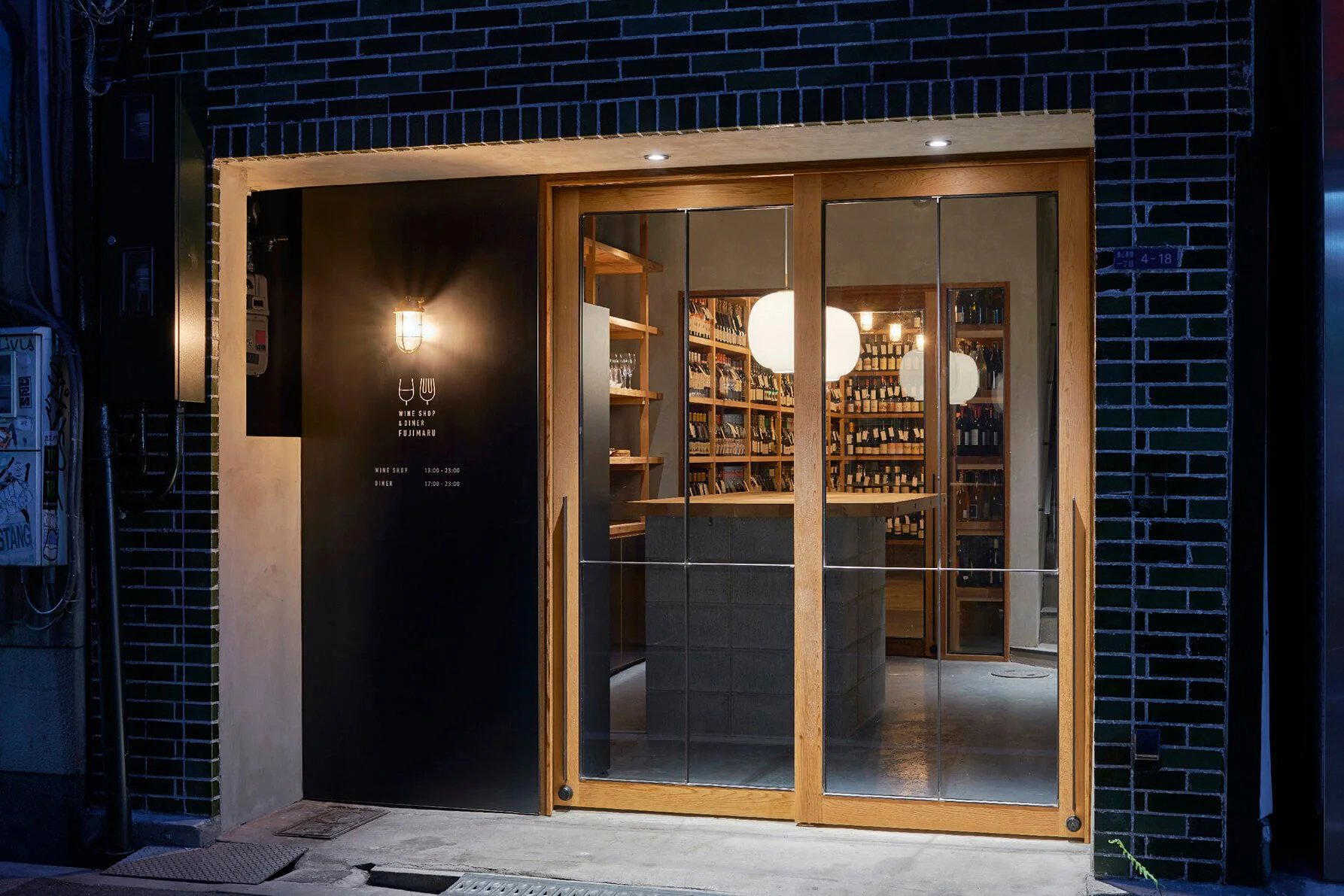
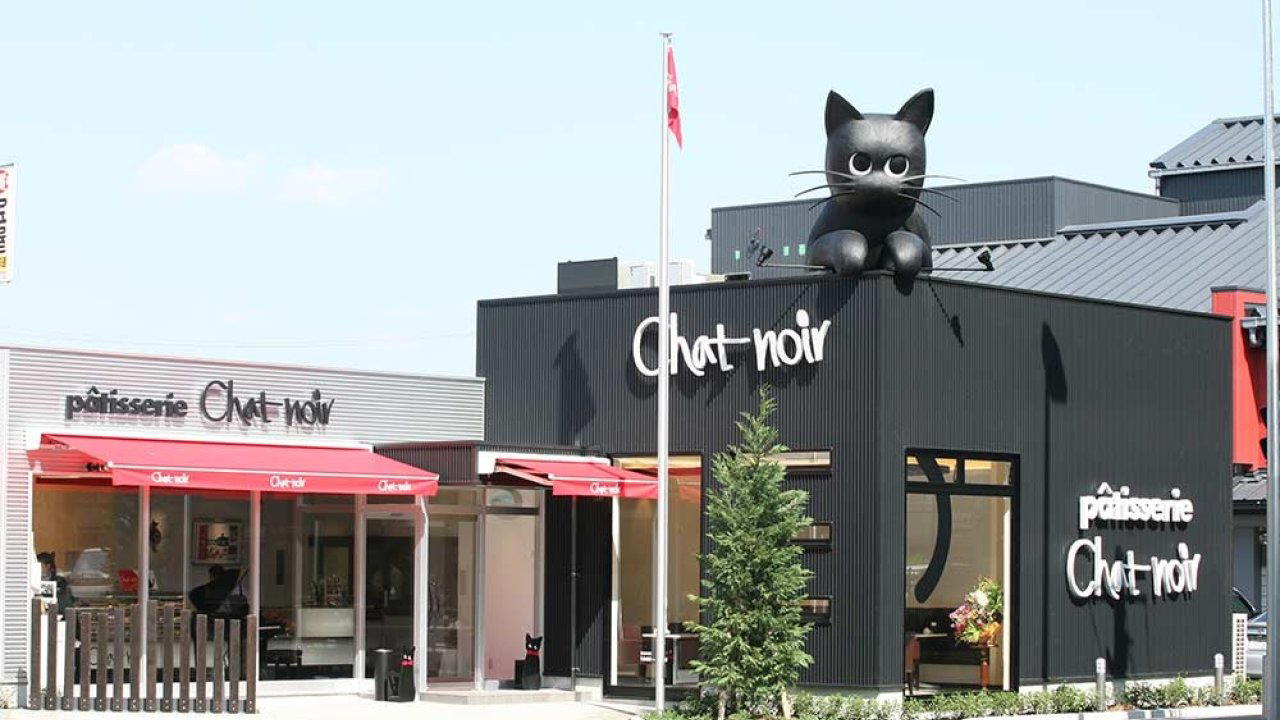


Hotels in Osaka
Browse all →




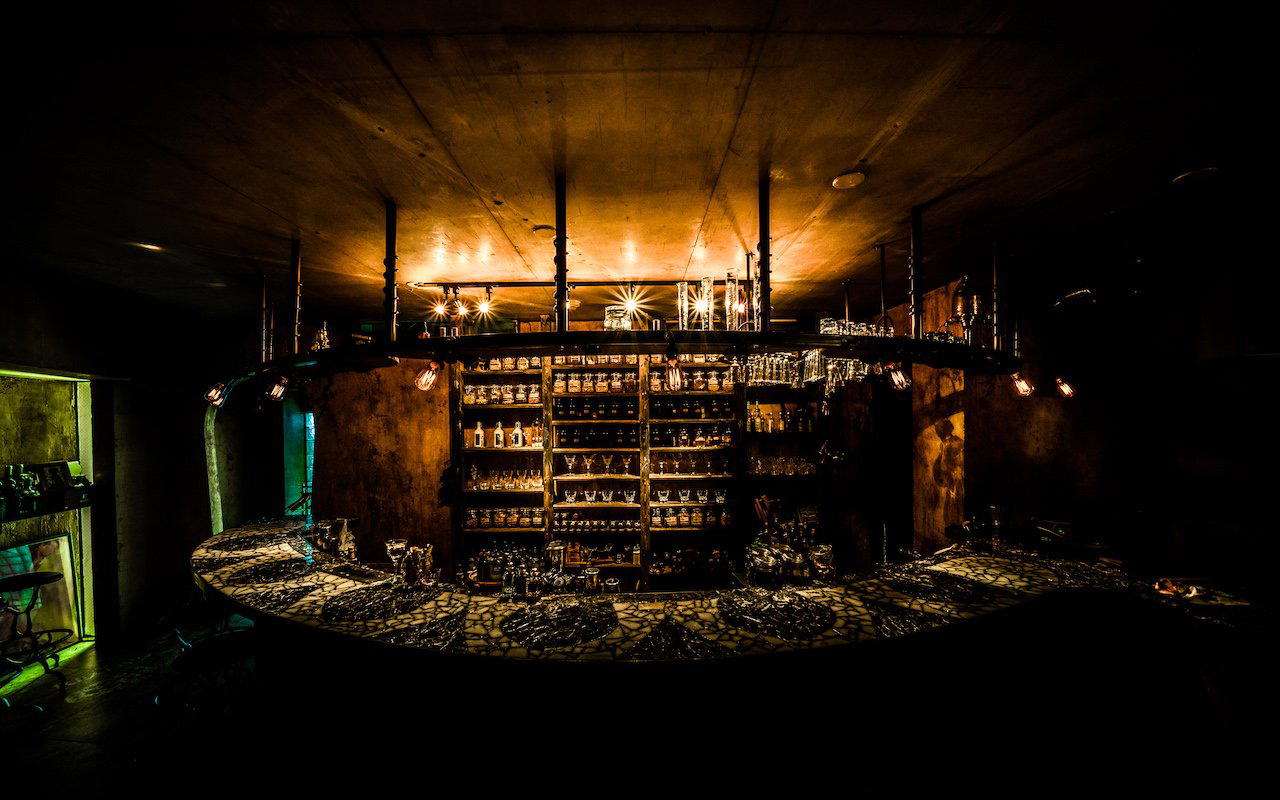
Wineries in Osaka
Browse all →
At a Glance
- Elegant
- Intimate
- Sophisticated
- Date Night
- Special Occasion
- Celebration
- Chefs Counter
- Open Kitchen
- Extensive Wine List
- Sommelier Led
- Local Sourcing
Current opening hours
- Monday
- 5–10 PM
- Tuesday
- 5–10 PM
- Wednesday
- Closed
- Thursday
- 5–10 PM
- Friday
- 5–10 PM
- Saturday
- 5–10 PM
- Sunday
- 5–10 PM
Hours can change for holidays and private events. Last verified .
Polished, cozy counter-style dining with an open kitchen; intimate atmosphere with non-smoking sections; located on the second floor of a non-descript building in Kuromon Market.