In the Higashiyama district of Kyoto, Senmonten (泉門天) operates from the ground floor of the Takekai building on Kiyomoto-cho, a quiet stretch that sits at some remove from the main tourist corridors. The address alone signals something about its clientele: people who already know where they are going. Expect a format shaped by neighbourhood loyalty rather than passing footfall.
Pearl is the En Primeur Club membership app — saves, bookings, and concierge access live there. Same editors, same standards.
- Address
- 東山区清本町380-3 (竹会館 1F), 京都市, 京都府, 605-0084
 Saves & bookings on Pearl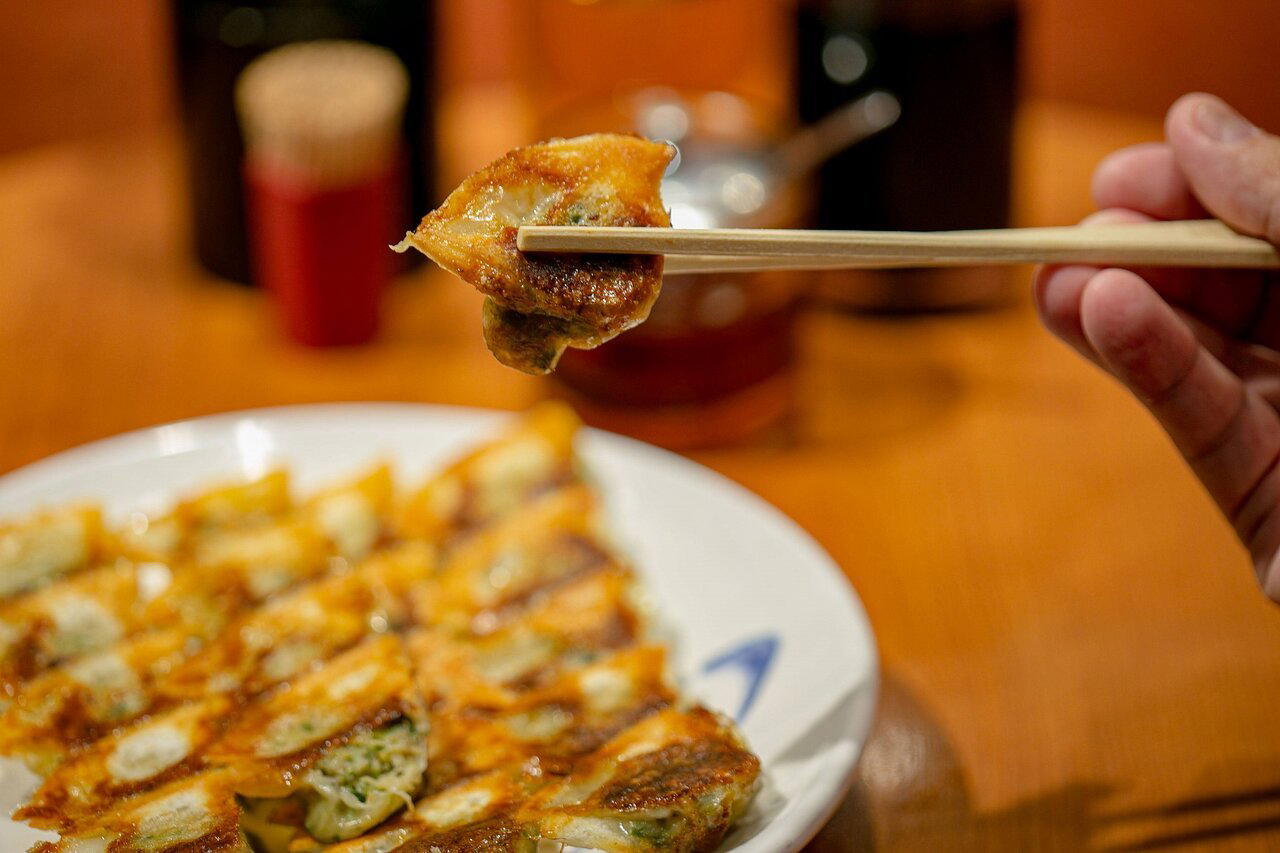
A Corner of Higashiyama That Rewards Repetition
Kyoto's Higashiyama district contains two almost entirely separate cities depending on how far you walk from the main temple paths. The stretch of Kiyomoto-cho around the Takekai building sits in the quieter register: residential enough to be plausible for daily life, close enough to Gion's edge to draw an informed evening crowd. This is the part of eastern Kyoto where regulars outnumber first-timers, where the rhythm of a room is set by people who have sat in the same seat before.
Senmonten (泉門天) is a gyoza specialty restaurant at 380-3 Kiyomoto-cho, Higashiyama-ku, Kyoto. The address is specific in the way that matters in Kyoto: not a marquee location, not a laneway designed to generate social content, but a place that earns its coordinates through what happens inside. The kind of restaurant that loyal diners do not advertise unnecessarily, because scarcity of knowledge is part of what keeps it functioning the way they prefer.
What Keeps the Regulars Returning
The pattern of returning clientele in this tier of Kyoto dining is worth examining carefully, because it differs from what sustains repeat visits at the city's more documented kaiseki houses. At a venue like Gion Sasaki or Hyotei, returning guests come partly for the seasonal progression of a formal kaiseki format: the menu changes with the agricultural calendar, and repeat visits across the year reveal a coherent culinary argument. At Kikunoi Honten and Mizai, the Michelin architecture provides a kind of external validation that regulars can also rely on as a social shorthand.
Senmonten sits outside that documented tier. The loyalty it generates is harder to attribute to credential signals. What the address and building context suggest is a neighborhood-anchored operation: the kind of place where recognition is earned through consistency of execution rather than institutional endorsement, and where the regulars' relationship with the room becomes part of the value proposition itself. In Kyoto, this is not a marginal position. Particularly fiercely defended tables in the city are not Michelin-listed; they are simply known by the people who matter to them.
Venues like 一本杉川島 in Nanao and 羽根屋 in Nishikawa Machi operate with a similar grammar: provincial address, no obvious tourist apparatus, and a clientele that self-selects through knowledge rather than marketing. The format rewards a different kind of traveller than the one booking three months ahead at a starred counter in Ginza or seeking the seasonal kaiseki circuit in central Kyoto.
Higashiyama in the Context of Kyoto's Dining Spread
Kyoto's restaurant geography has a distinct structure. The highest-concentration fine dining zone runs through central Nakagyo and into the Gion corridor, where kaiseki institutions cluster and the competition for seasonal ingredients is most visible. Higashiyama operates differently: the district is defined more by craft businesses, temple adjacency, and an older merchant-town scale than by restaurant density. A venue choosing this address is making an implicit statement about who it is not trying to attract.
That positioning becomes more legible when you compare it to what Kyoto's fully formal houses offer. Isshisoden Nakamura carries centuries of institutional weight. The kaiseki tier commands prices that exclude casual exploration. What the address confirms is that the restaurant is not pitching itself at the kaiseki circuit traveller planning a Kyoto fine dining itinerary from abroad. The clientele it cultivates is more likely to be regional, returning, and oriented by personal recommendation rather than guidebook placement.
For travellers whose Japan itinerary extends beyond the Kyoto-Osaka axis, comparable neighbourhood-anchored operations exist at the margins of larger cities and in secondary destinations. Akordu in Nara and Goh in Fukuoka both demonstrate that interesting dining in any Japanese city often sits one deliberate step away from the main institutional circuit. At the other end of the ambition spectrum, HAJIME in Osaka shows what happens when a non-Tokyo venue commits fully to the starred, internationally legible format.
Planning a Visit: What the Address Tells You
The Takekai building at 380-3 Kiyomoto-cho is in postal district 605-0084, placing it firmly in Higashiyama-ku. This is walkable from the Gion-Shijo station area and accessible from several of Kyoto's main transit arteries, though Higashiyama's narrower streets mean that navigation by foot from a nearby landmark is more practical than relying on vehicle drop-off. The area is heavily visited during daylight hours given its proximity to major temple and shrine routes, but that foot traffic diminishes sharply by evening, which is when a venue like this would be expected to operate.
The practical approach is to plan for a walk-in visit or local introduction. This is not unusual for smaller Kyoto operations that are not oriented toward international tourism.
Know Before You Go
- Address: 東山区清本町380-3 (竹会館 1F), 京都市, 京都府, 605-0084
- District: Higashiyama-ku, Kyoto
- Building: Takekai building, ground floor
- Phone / Website: Not confirmed
- Booking: Walk-in friendly
- Getting there: Walkable from Gion-Shijo station; foot navigation from a nearby landmark is more practical than vehicle access on Higashiyama's narrower streets
- Timing: Higashiyama's daytime tourist traffic clears significantly by early evening
Nearby-ish Comparables
Comparable venues nearby, for context on price, style, and recognition.
| Venue | Cuisine | Price | Notes |
|---|---|---|---|
| Senmonten (泉門天)This venue — the venue you are viewing | Gyoza Specialty | $$ | Not listed |
| GYUKATSU Kyoto Katsugyu Fushimi Inari | Japanese Gyukatsu | $$ | Fushimi |
| Sabo Isehan | Traditional Japanese sweets cafe (anmitsu, parfait, kakigori) | $$ | Kamigyō |
| Motoi Gyoza | Modern Japanese Gyoza Bar | $$ | Nakagyō |
| 麺屋 裕 | Japanese Ramen (Crab Salt Ramen) | $$ | Yamashina-ku |
| Torinago | Traditional Japanese chicken & Kyoto duck izakaya | $$ | Fukuchiyama |

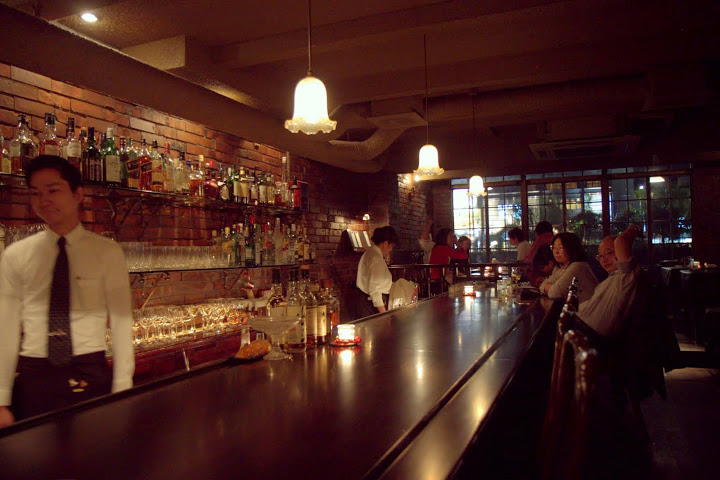
At a Glance
- Cozy
- Lively
- Casual Hangout
- Late Night
- Standalone
- Beer Program