Semel Street Food serves Tuscan Street Food Panini with counter service, natural wine, and an open kitchen for a quick lunch stop in Florence.
Pearl is the En Primeur Club membership app — saves, bookings, and concierge access live there. Same editors, same standards.
- Address
- Piazza Lorenzo Ghiberti, 44/r, 50122 Firenze FI, Italy
- Directions
- Get directions
 Saves & bookings on Pearl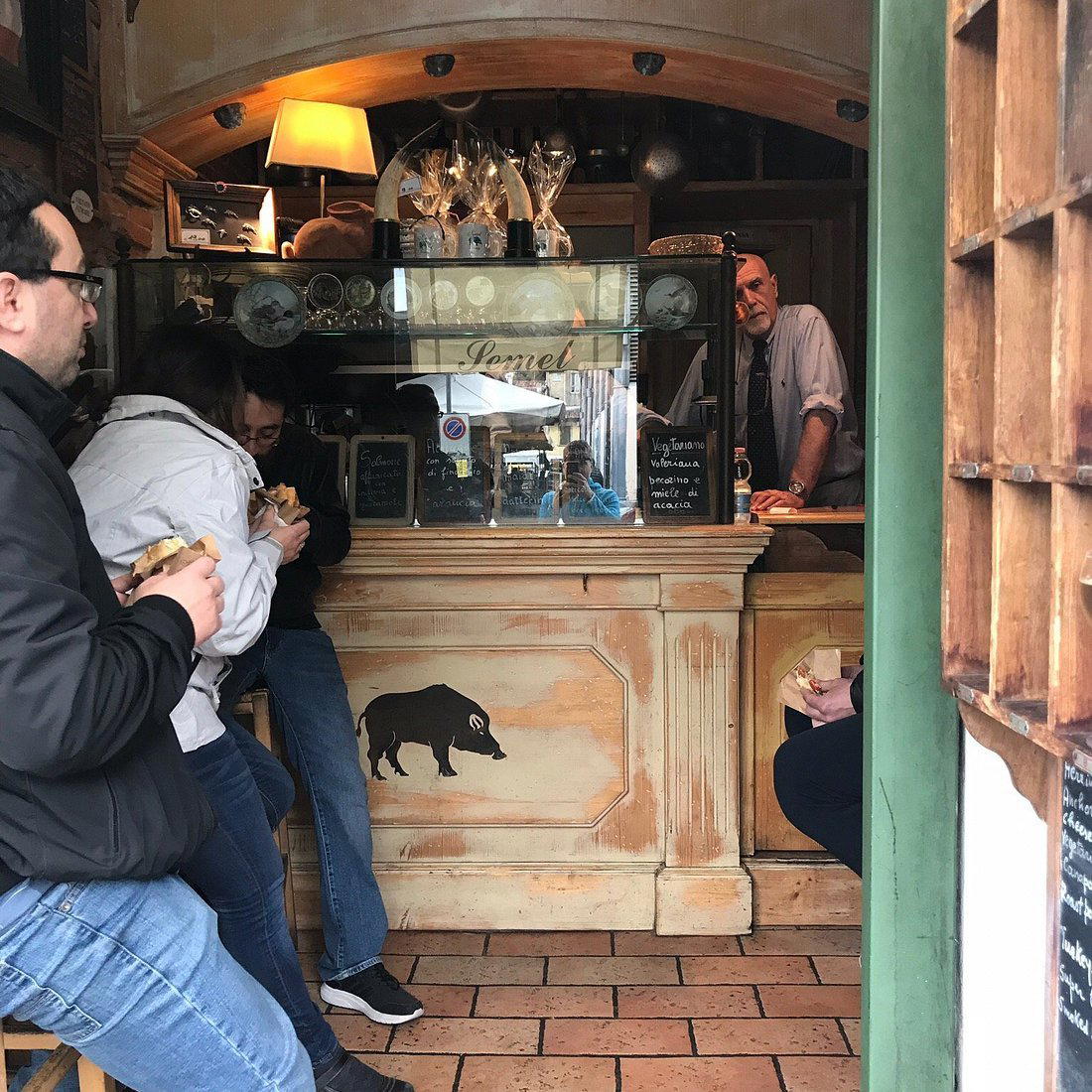
Street Food at the Sant'Ambrogio Edge
Piazza Lorenzo Ghiberti sits a short walk east of the Duomo, away from the tour-group circuits that clog the centro storico by mid-morning. The square anchors the Sant'Ambrogio neighbourhood, one of the few parts of central Florence where a functioning daily market still sets the rhythm of the street. Stalls open early, regulars arrive with canvas bags, and the transactional noise of a working-class food district persists alongside the slow gentrification creeping in from the Oltrarno. Semel Street Food occupies an address on this square, placing it at the intersection of a genuine provisioning tradition and a newer appetite for quality informal eating.
The Ingredient Logic of the Sant'Ambrogio Market
Florence’s street food tradition is not particularly elaborate, but it is deeply specific to source. The city’s informal eating culture draws directly from the Mercato di Sant’Ambrogio next door to Piazza Ghiberti, one of the city’s two main covered markets. Where the Mercato Centrale near San Lorenzo now skews heavily toward tourist traffic, Sant’Ambrogio retains a higher proportion of everyday commerce: seasonal vegetables from the Arno valley, Chianina beef offcuts, fresh ricotta and sheep’s cheese from Tuscan producers, salt cod, lampredotto. These are ingredients with short supply chains and low tolerance for delay between sourcing and service, which is precisely the logic that animates a location like this one. A street food operation positioned adjacent to that market benefits from the same provisioning ecosystem that supplies neighbourhood trattorie and home cooks, not the long-distance distribution networks that feed restaurant groups in the historic centre. That proximity is not incidental; it shapes what a kitchen can serve and when.
Across Italy’s more serious casual dining tier, the sourcing argument has become more explicit over the past decade. Operations at the upper end of the informal category, from the fried-seafood counters of coastal Campania to the lampredotto carts of Florence itself, now foreground provenance as a quality signal in the same way tasting-menu restaurants do. It is a different register, smaller in scale and less formal in presentation, but the underlying logic connects to broader movements visible at destination-level restaurants like Atelier Moessmer Norbert Niederkofler in Brunico, where ingredient geography is the explicit organising principle. Semel operates in a far less formal register, but the address places it within an ingredient-rich zone that serious casual formats depend on.
Florence’s Informal Eating Tier in Context
The city’s dining offer splits clearly between its Michelin-tracked upper bracket and a substantial informal sector. At the leading, addresses like Enoteca Pinchiorri and Santa Elisabetta operate in the €€€€ register with full tasting formats. A tier below that, Atto di Vito Mollica, Borgo San Jacopo, and Gucci Osteria da Massimo Bottura handle modern Italian at the €€€€ mark. Below all of that sits an informal category where quality signals are harder to verify and much depends on proximity to supply. The Sant’Ambrogio area has historically been one of the more reliable zones for that lower tier, partly because of the market and partly because residential density has kept tourist-adjusted pricing in check longer than in the historic core.
Italy’s broader casual-dining scene rewards this kind of locational discipline. Well-regarded informal operations, from Uliassi in Senigallia’s harbour-adjacent sourcing to the market-driven logic behind celebrated northern tables like Dal Pescatore in Runate, tend to sit close to their supply. Proximity is a structural advantage, not a decorative one. At street food level, it translates into shorter cold chains, higher seasonal turnover, and a menu that changes when the market changes rather than when a purchasing manager schedules a delivery.
The Piazza Ghiberti Setting
The square itself is animated in the mornings by market activity and quieter by early afternoon, which means the timing of a visit matters more here than at a fixed-format restaurant. Eating around Sant’Ambrogio follows the market’s logic: the peak window for freshest supply is the morning into early afternoon. Visitors arriving in the late afternoon will find a different atmosphere and potentially a narrowed offer. The square is reachable on foot from the Duomo in roughly ten to fifteen minutes heading east along Borgo degli Albizi, making it practical to combine with a morning visit to the Bargello or the San Miniato al Monte climb, both of which are oriented toward the eastern neighbourhoods. For visitors staying near the Oltrarno or in the Santa Croce quarter, this is an easy local stop rather than a deliberate destination detour.
Planning ahead for a casual counter like this differs from the lead times required at Florence’s formal restaurants. Addresses like Piazza Duomo in Alba or Le Calandre in Rubano require booking windows of weeks to months. A street food counter in Piazza Ghiberti operates on walk-in logic, which means the planning variable is timing of day rather than advance reservation.
Situating Semel in a Larger Italian Frame
Florence’s informal eating culture has not attracted the same critical attention as its fine-dining tier, but the city’s street food traditions, particularly offal-based preparations like lampredotto, have become reference points in wider Italian food writing. That tradition sits distinct from the creative contemporary work visible at destination restaurants elsewhere in Italy: the technical precision of Osteria Francescana in Modena, the product-led philosophy of Reale in Castel di Sangro, the coastal focus at Quattro Passi in Marina del Cantone. Street food operates without those structural ambitions but within the same national emphasis on ingredient integrity and regional specificity.
Planning a Visit
Semel Street Food is located at Piazza Lorenzo Ghiberti 44/r in the Sant’Ambrogio quarter, a neighbourhood that functions as a working residential district as much as a dining destination. No booking infrastructure is applicable at this format level; arrive on foot, aim for mid-morning through early afternoon when the adjacent market is still active, and treat timing as the primary planning variable.
Peers in This Market
Comparable venues nearby, for context on price, style, and recognition.
| Venue | Cuisine | Price | Notes |
|---|---|---|---|
| Semel Street FoodThis venue — the venue you are viewing | Tuscan Street Food Panini | $ | Not listed |
| Ino | Tuscan Artisanal Panini | $ | San Niccolo |
| Gustapizza | Neapolitan Pizza | $ | Santo Spirito |
| Trattoria Mario | Traditional Tuscan Trattoria | $$ | Santo Spirito |
| Trippaio Albergucci Mario | Florentine Tripe and Lampredotto Street Food | $ | Bobolino |
| PIZZA A TAGLIO RICCIARDI | Pizza a Taglio | $ | Nave A Petriolo |
Continue exploring
More in Florence
Restaurants in Florence
Browse all →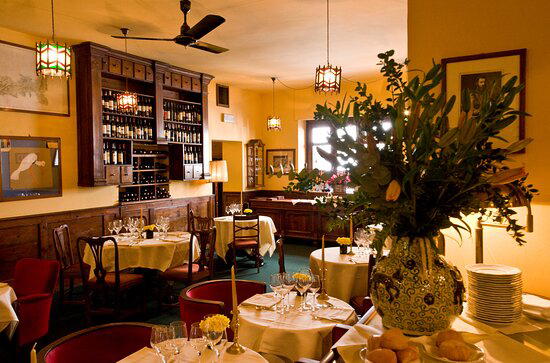
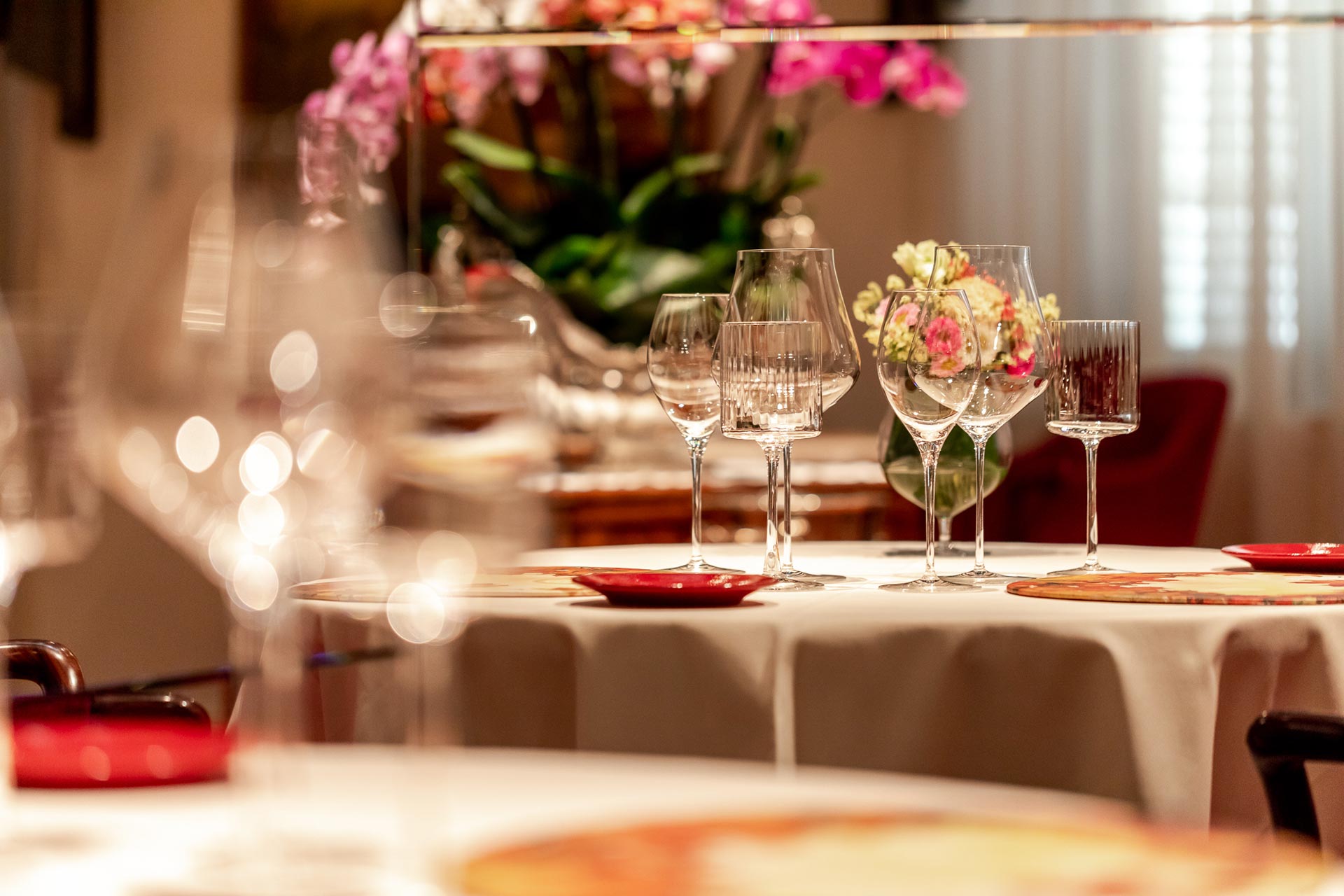
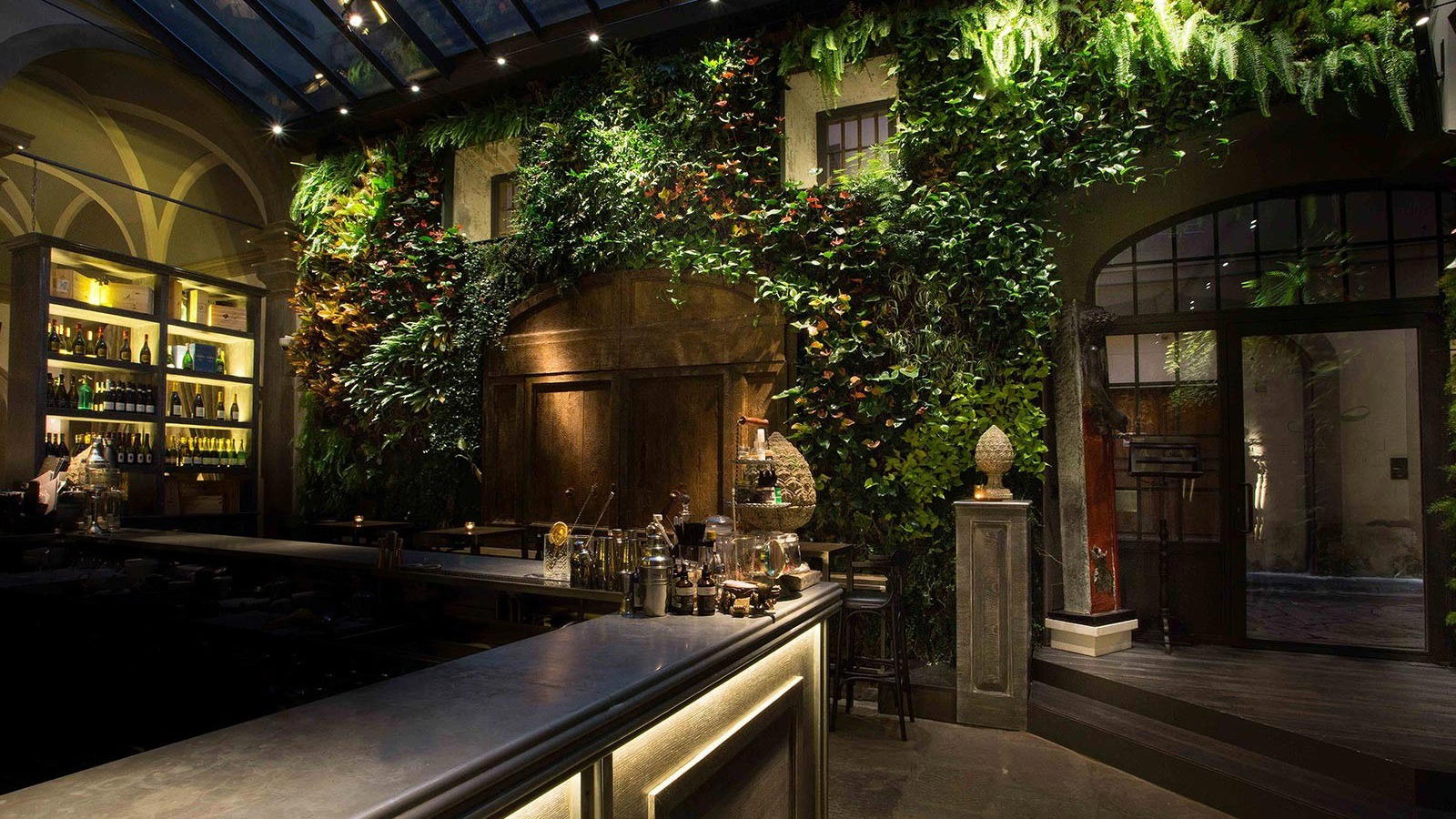
Bars in Florence
Browse all →
Hotels in Florence
Browse all →
At a Glance
- Lively
- Trendy
- Casual Hangout
- Open Kitchen
- Natural Wine
- Local Sourcing
- Street Scene
Current opening hours
- Monday
- 11:30 AM–2:30 PM
- Tuesday
- 11:30 AM–2:30 PM
- Wednesday
- 11:30 AM–2:30 PM
- Thursday
- 11:30 AM–2:30 PM
- Friday
- 11:30 AM–2:30 PM
- Saturday
- 11:30 AM–2:30 PM
- Sunday
- Closed
Hours can change for holidays and private events. Last verified .
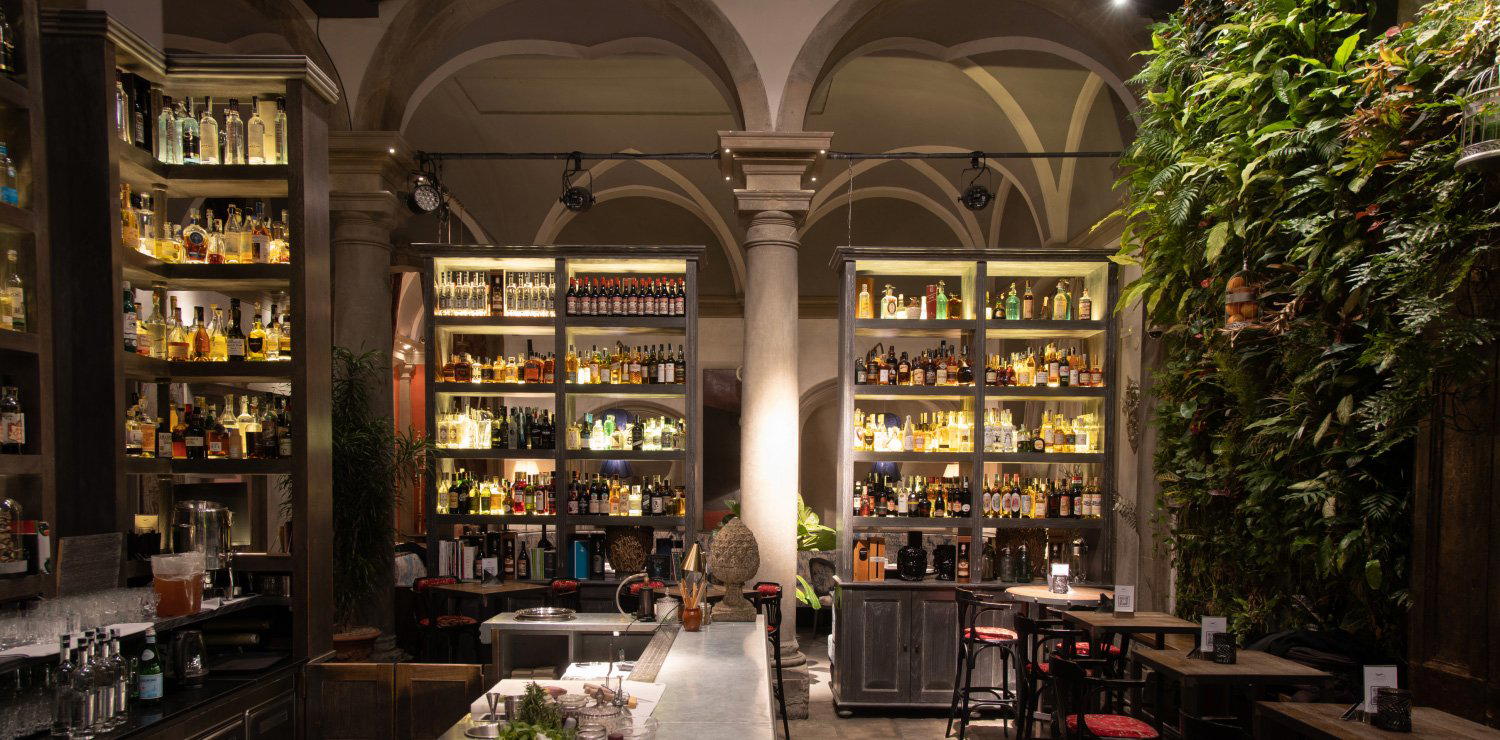
Casual, bustling market-side atmosphere with a typical local feel, focused on quick bites and wine amid fresh ingredient aromas.