
On Via Maggio in the Oltrarno district, Gustapizza occupies the part of Florence's food scene where craft pizza operates as a serious medium rather than an afterthought. In a city whose dining conversation often skews toward white-tablecloth Tuscan tradition, this address has built a following among locals and visitors who treat Neapolitan-style dough as worth seeking out on its own terms.
Pearl is the En Primeur Club membership app — saves, bookings, and concierge access live there. Same editors, same standards.
- Address
- Via Maggio, 46r, 50125 Firenze FI, Italy
- Phone
- +39 055 285068
- Website
- m.facebook.com
- Directions
- Get directions
 Saves & bookings on Pearl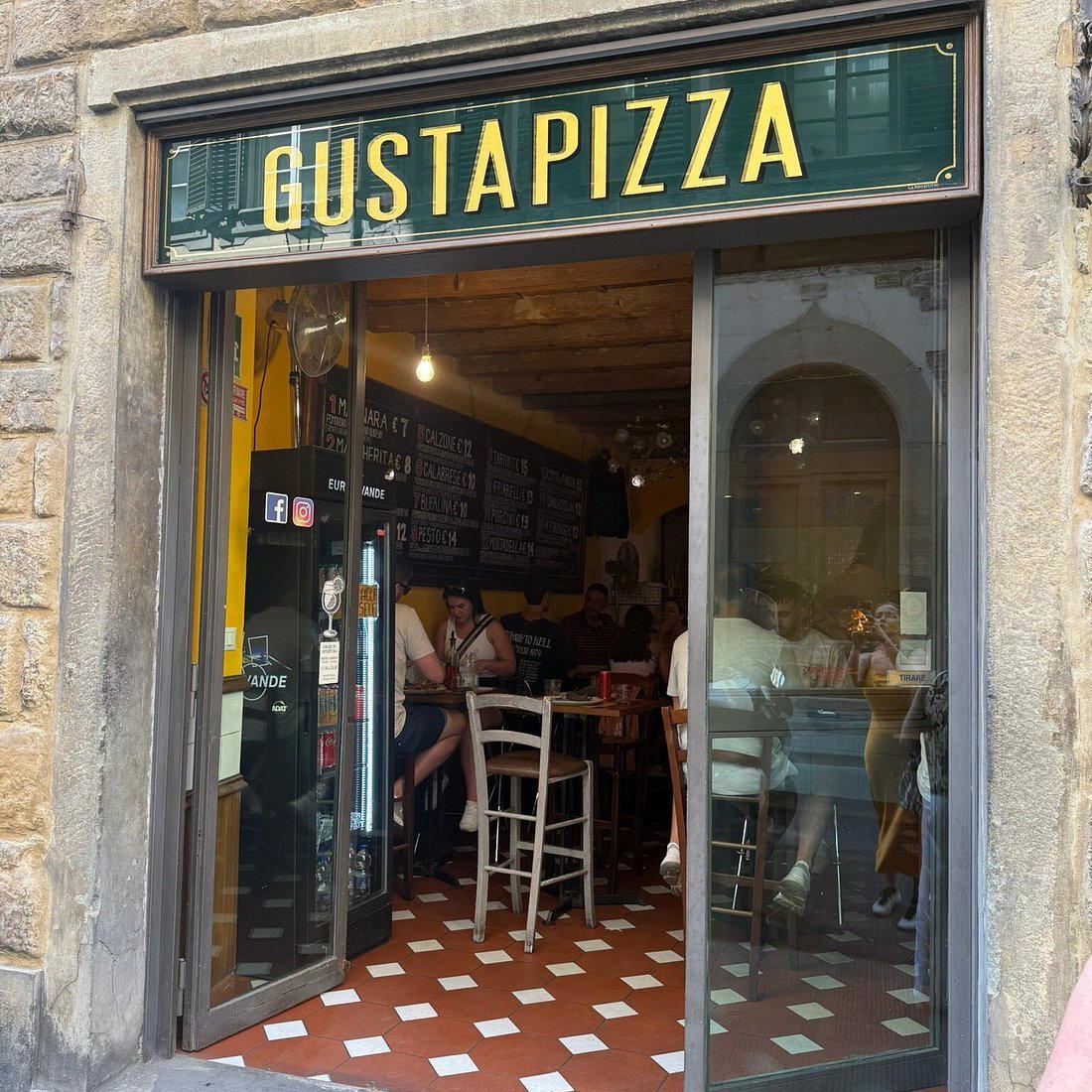
Via Maggio and the Case for Pizza as a Destination in Florence
Via Maggio runs through the Oltrarno, the quarter that sits south of the Arno and has long operated on a different register from the tourist-facing streets around the Duomo. The neighbourhood's character skews toward antique dealers, independent workshops, and a restaurant scene that rewards walking slowly rather than following a list. Gustapizza sits at Via Maggio, 46r, 50125 Firenze FI, Italy, and serves Neapolitan pizza at a casual, walk-in-friendly counter in Florence's Oltrarno quarter.
Florence's dining conversation has historically centred on bistecca, ribollita, and the kind of Tuscan canon that institutions like Enoteca Pinchiorri and Santa Elisabetta carry forward with serious ambition. But that conversation has always had a quieter counterpart: the everyday places that hold a neighbourhood's trust precisely because they are not trying to impress anyone with a pass-through agenda. Pizza, in this context, is not a lesser option. It is a different and more demanding medium, one where the margin between a good result and a mediocre one comes down to fermentation time, oven temperature, and the discipline to leave the dough alone.
The Arc of a Meal: Reading the Menu as a Sequence
Italian pizza culture, particularly in its Neapolitan tradition, has its own internal logic of progression. The meal rarely begins with the disc itself. Fritti, the fried starters that are standard in any serious pizza-focused kitchen, function as both palate preparation and a demonstration of how the kitchen handles fat and heat. A well-executed fritto leaves the coating crisp without heaviness and signals that the oil temperature is controlled and the timing is precise. It is the first data point in a sequence.
The pizza follows as the structural centre, and here the variables accumulate. Dough hydration determines how the cornicione (the outer crust rim) behaves in the oven: too low and it becomes brittle, too high and it loses the char-to-chew contrast that defines the style at its leading. The ingredient logic in a serious pizza kitchen is deliberately restrained. A margherita-style construction places the tomato and the fior di latte in direct conversation with no other distraction, and getting that balance right is harder than it looks when every component is visible and unmediated.
Florence's €€€€ fine dining tier, represented by addresses like Atto di Vito Mollica, Borgo San Jacopo, and Gucci Osteria da Massimo Bottura, operates within a different logic of progression entirely, one built around multi-course tasting formats and a vocabulary of elaboration. The appeal of a well-run pizza counter is precisely the opposite: the progression is short and the feedback loop is immediate. You know within a bite whether the kitchen has done its work.
Where Gustapizza Sits in the City's Pizza Conversation
Italy's pizza-focused dining has split over the past decade into broadly distinct camps. One path leads toward studied, high-cost formats in which the pizza is treated with the same ceremony as tasting-menu cuisine. Rome and Naples have both produced practitioners of this kind, and the influence has spread. The other path maintains the counter-service or close-to-counter format while raising ingredient quality and dough precision without raising the price or the formality. Gustapizza belongs to the second tradition, which is the one that has the longer hold on neighbourhood loyalty.
The Oltrarno location matters here. The area draws a mix of Florentines who live and work nearby and visitors who have deliberately chosen accommodation south of the Arno to get away from concentrated tourist infrastructure. That demographic tends to be more attuned to the difference between a pizza made with care and one made quickly, and it is less forgiving of a poor result. A sustained local following on Via Maggio is a more useful signal than most awards programmes can provide for this category of restaurant.
For comparison, Italy's decorated fine dining tier is represented elsewhere across the country by restaurants with years of Michelin recognition behind them: Osteria Francescana in Modena, Piazza Duomo in Alba, Uliassi in Senigallia, and Reale in Castel di Sangro. Gustapizza does not operate in that register, nor does it need to. The metrics that matter in the pizza category are different: queue length at peak hours, the ratio of tables occupied by regulars versus first-timers, and whether the kitchen maintains quality from the first pizza of service to the last.
The Broader Italian Context
Italy's craft food scene has never separated itself cleanly from its informal registers. Particularly technically demanding work in Italian kitchens happens in formats that have no tasting menu, no sommelier, and no dress code. Dal Pescatore in Runate and Quattro Passi in Marina del Cantone operate within a tradition where the formality of the setting does not determine the seriousness of the cooking. Pizza sits further down the formality scale but is no less serious in what it demands of a kitchen that chooses to do it well.
Internationally, the conversation around craft pizza as a serious format has grown considerably. In cities like New York and San Francisco, pizza-focused kitchens attract the same critical attention as tasting-menu restaurants. Lazy Bear in San Francisco exemplifies the kind of format-conscious serious cooking that has changed how American diners think about informal restaurant categories. The Italian version of this shift has been quieter and less evangelised, partly because Italy never needed to explain to itself that bread and fire could be a serious combination.
Planning Your Visit
Gustapizza's address on Via Maggio places it within walking distance of the Ponte Vecchio and the main Oltrarno sites, making it a practical stop in a day spent on the south bank. The area is walkable from the Santa Maria Novella rail terminus in roughly fifteen to twenty minutes, passing through the Ponte alla Carraia crossing. For visitors using Florence as a base to access the broader Italian dining circuit including Enrico Bartolini in Milan, Le Calandre in Rubano, Atelier Moessmer Norbert Niederkofler in Brunico, or Casa Perbellini 12 Apostoli in Verona, Gustapizza fits naturally into the informal end of the itinerary, the kind of meal that anchors a day before or after something more elaborate.
Phone and booking information are not confirmed in current records, which suggests a walk-in model is likely, though peak lunch and dinner hours on a street with this profile will fill quickly. Arriving outside the core service windows, mid-afternoon if the kitchen stays open, tends to reduce wait time at addresses of this type. For a full picture of where Gustapizza fits within the city's dining options across all price points and categories, the EP Club Florence restaurants guide provides the broader map.
Where the Accolades Land
Comparable venues nearby, for context on price, style, and recognition.
| Venue | Cuisine | Price | Notes |
|---|---|---|---|
| GustapizzaThis venue — the venue you are viewing | Neapolitan Pizza | $ | Not listed |
| Osteria Tripperia Il Magazzino | Traditional Florentine Offal Osteria | $$ | Santo Spirito |
| Osteria del Cinghiale Bianco | Authentic Tuscan Trattoria | $$ | Santo Spirito |
| Da Nerbone | Traditional Tuscan Street Food | $ | Santo Spirito |
| Il Vecchio e il Mare | Neapolitan Pizza and Seafood | $$ | Ricorboli |
| C.BIO - Cibo, buono italiano e onesto | Organic Italian Deli | $$ | Ricorboli |
Recognition history
Dated appearances from independent guides and award organizations, with the underlying list record or original source where available.
Diners, Drive-Ins and Dives Featured Restaurant
Diners, Drive-Ins and Dives · 2026 Diners, Drive-Ins and Dives Featured Restaurants
Continue exploring
More in Florence
Restaurants in Florence
Browse all →
Bars in Florence
Browse all →
Hotels in Florence
Browse all →
At a Glance
- Lively
- Rustic
- Casual Hangout
- Late Night
- Group Dining
- Open Kitchen
- Standalone
- Terrace
- Beer Program
- Local Sourcing
Current opening hours
- Monday
- Closed
- Tuesday
- 11:30 AM–11:30 PM
- Wednesday
- 11:30 AM–11:30 PM
- Thursday
- 11:30 AM–11:30 PM
- Friday
- 11:30 AM–11:30 PM
- Saturday
- 11:30 AM–11:30 PM
- Sunday
- 11:30 AM–11:30 PM
Hours can change for holidays and private events. Last verified .
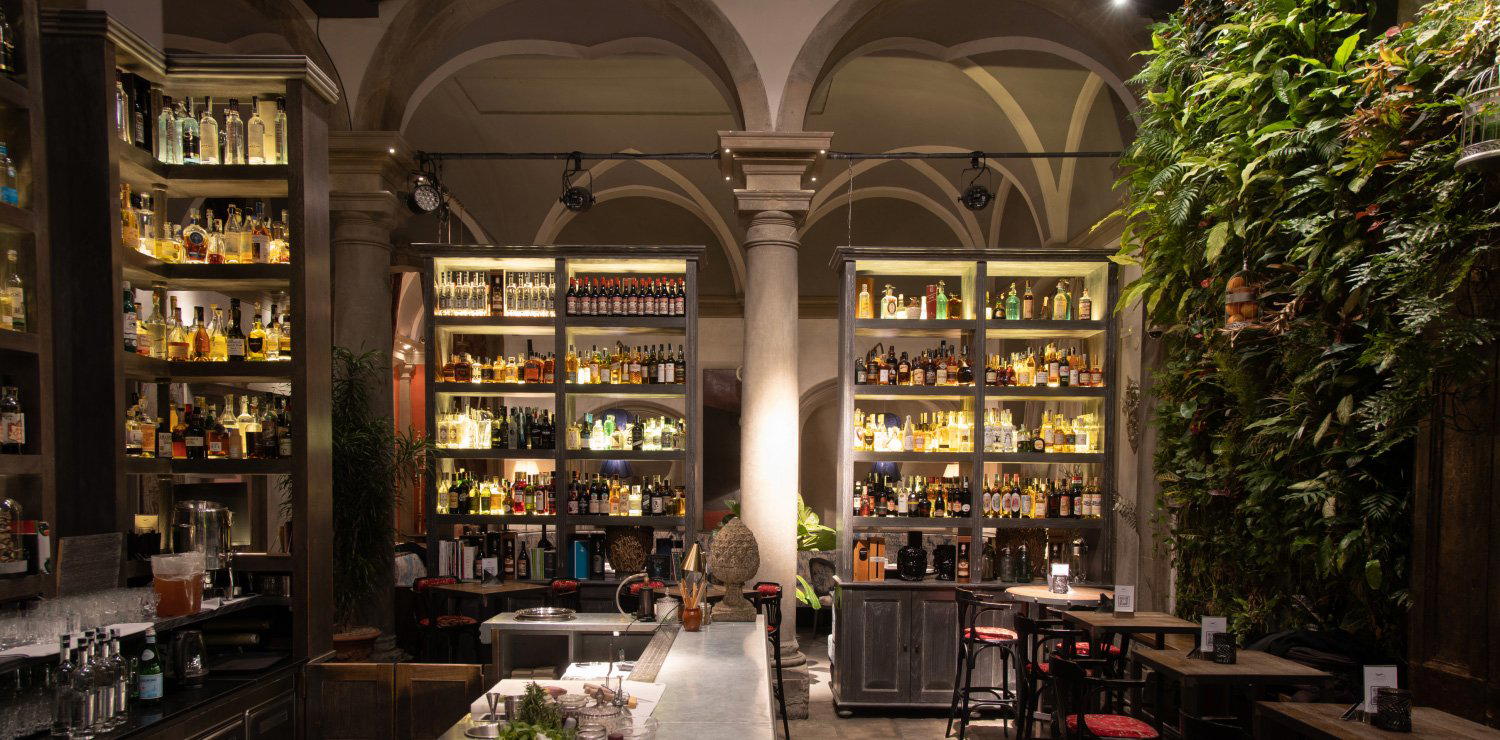
Casual, energetic atmosphere with constant foot traffic and friendly crowds; simple interior with open kitchen visible from ordering counter; hip music playing throughout.