
Inside the Hotel Metropol, steps from the Bolshoi Theatre, Savva operates at the intersection of grand Russian hospitality and contemporary European technique. Chef Andrey Shmakov's kitchen has earned consecutive La Liste recognition, 91.5 points in 2025 and 94 points in 2026, placing it firmly among the more tracked dining rooms in Moscow. The setting alone rewards a visit; what arrives on the plate adds the argument for returning.
Pearl is the En Primeur Club membership app — saves, bookings, and concierge access live there. Same editors, same standards.
- Address
- Teatral'nyy Proyezd, 2, Moscow, Russia, 109012
- Phone
- +7 499 501-78-00
- Website
- metropol-moscow.ru
- Directions
- Get directions
 Saves & bookings on Pearl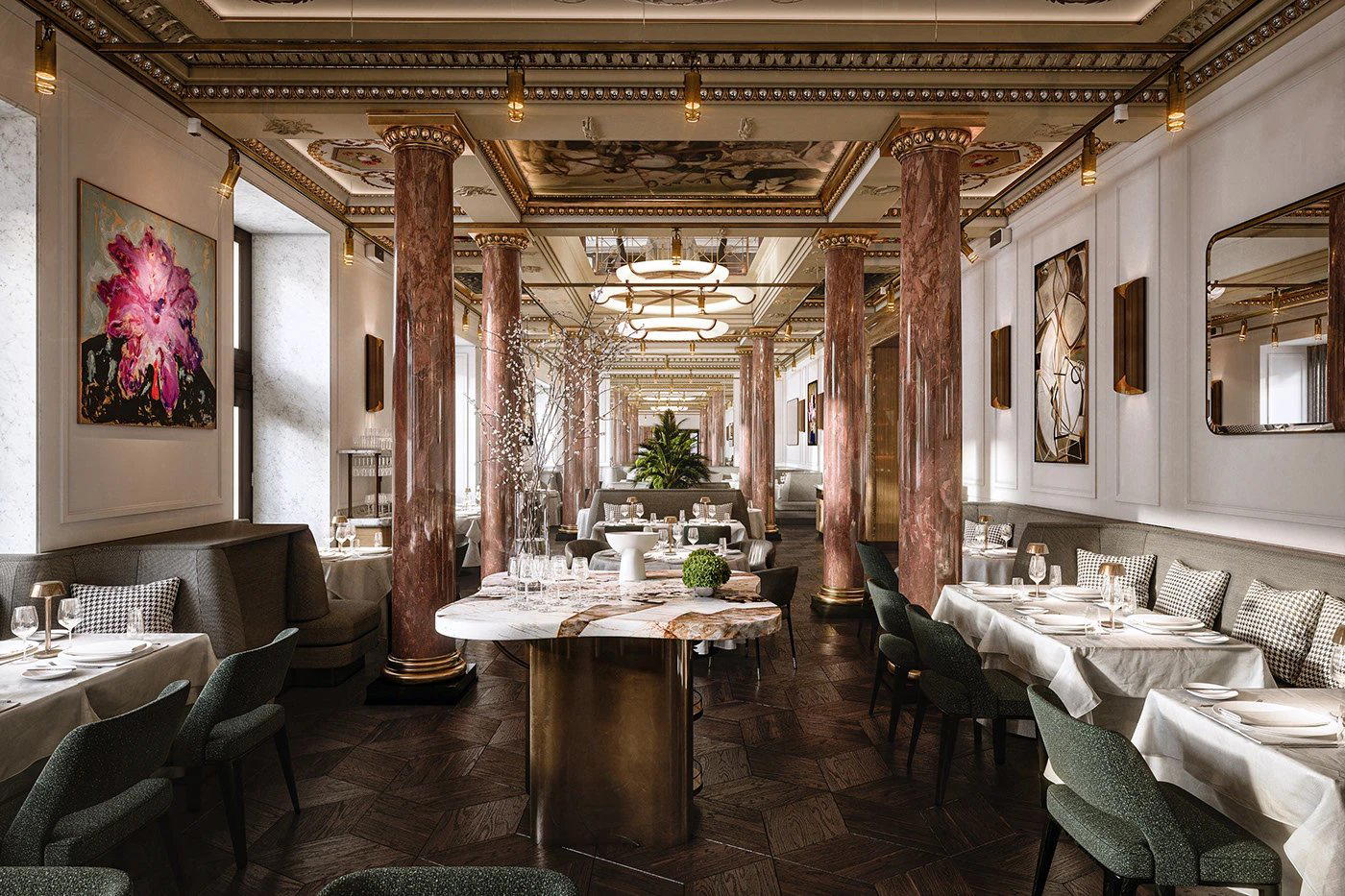
Theatre District Dining, Taken Seriously
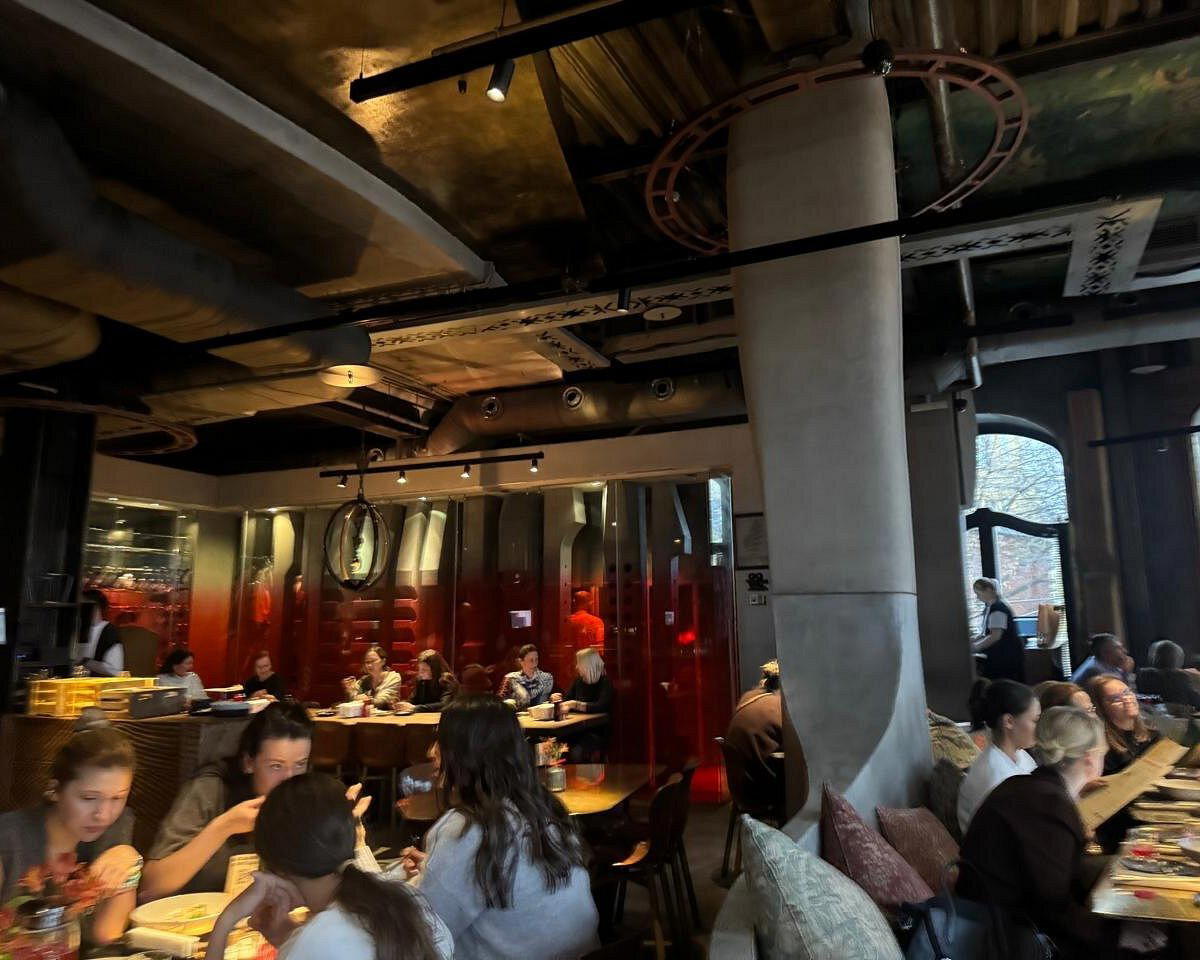
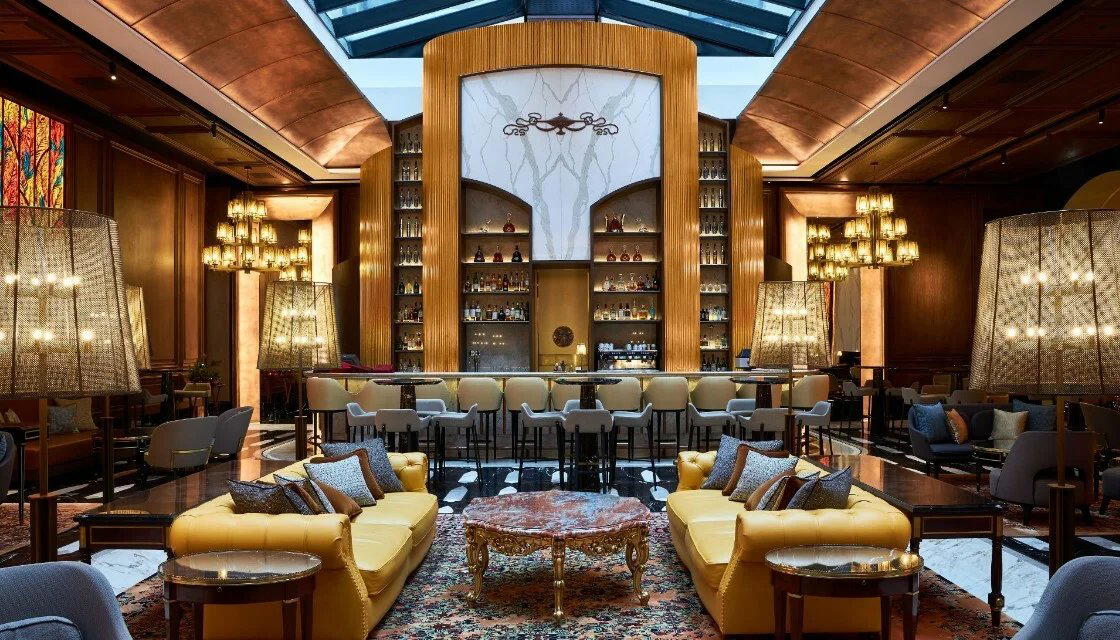
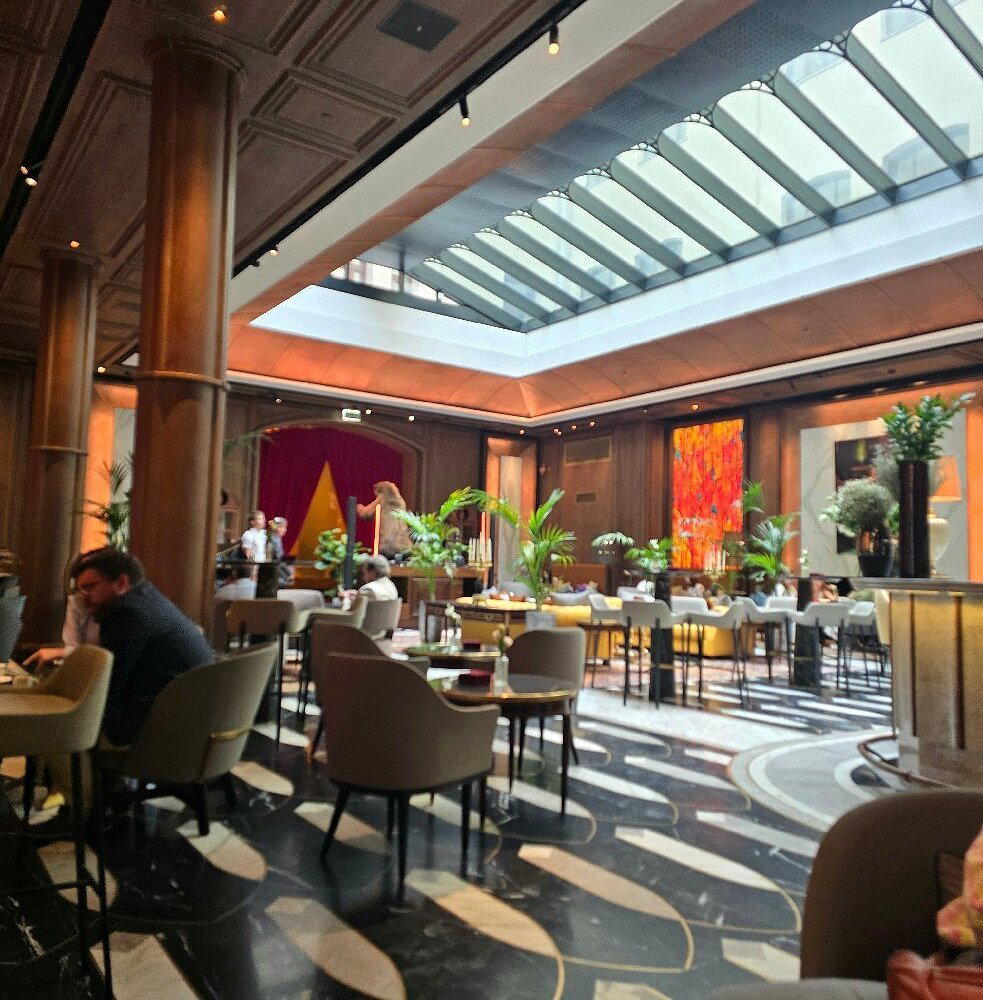
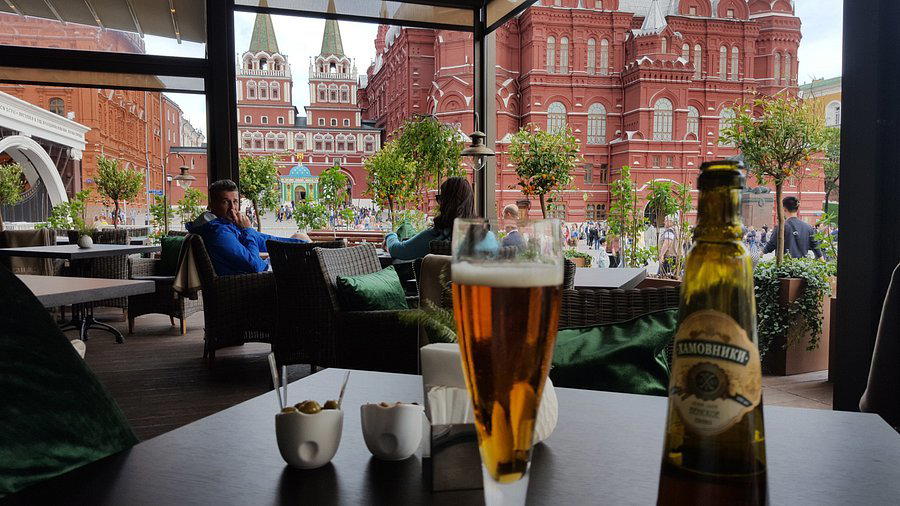
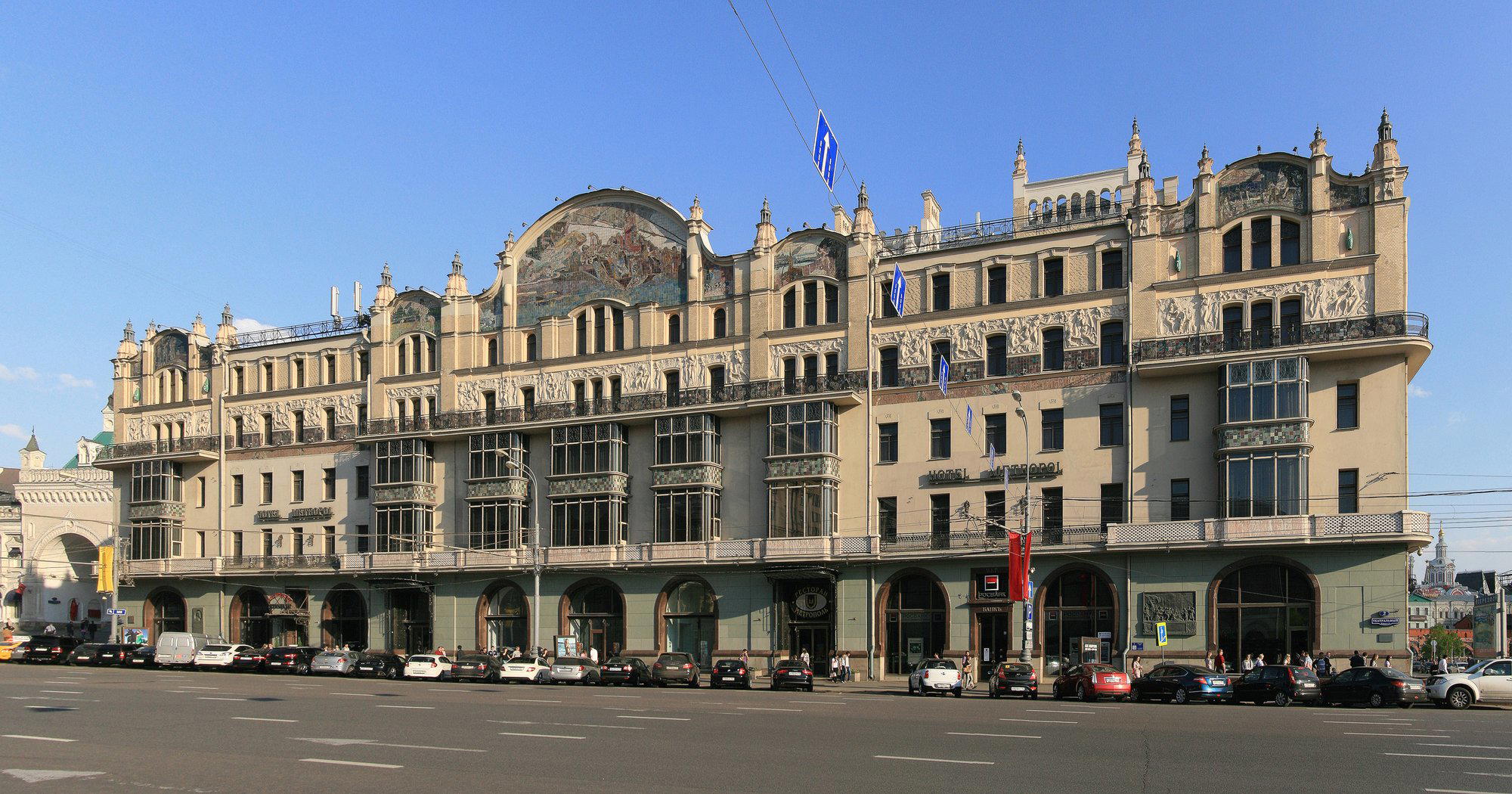
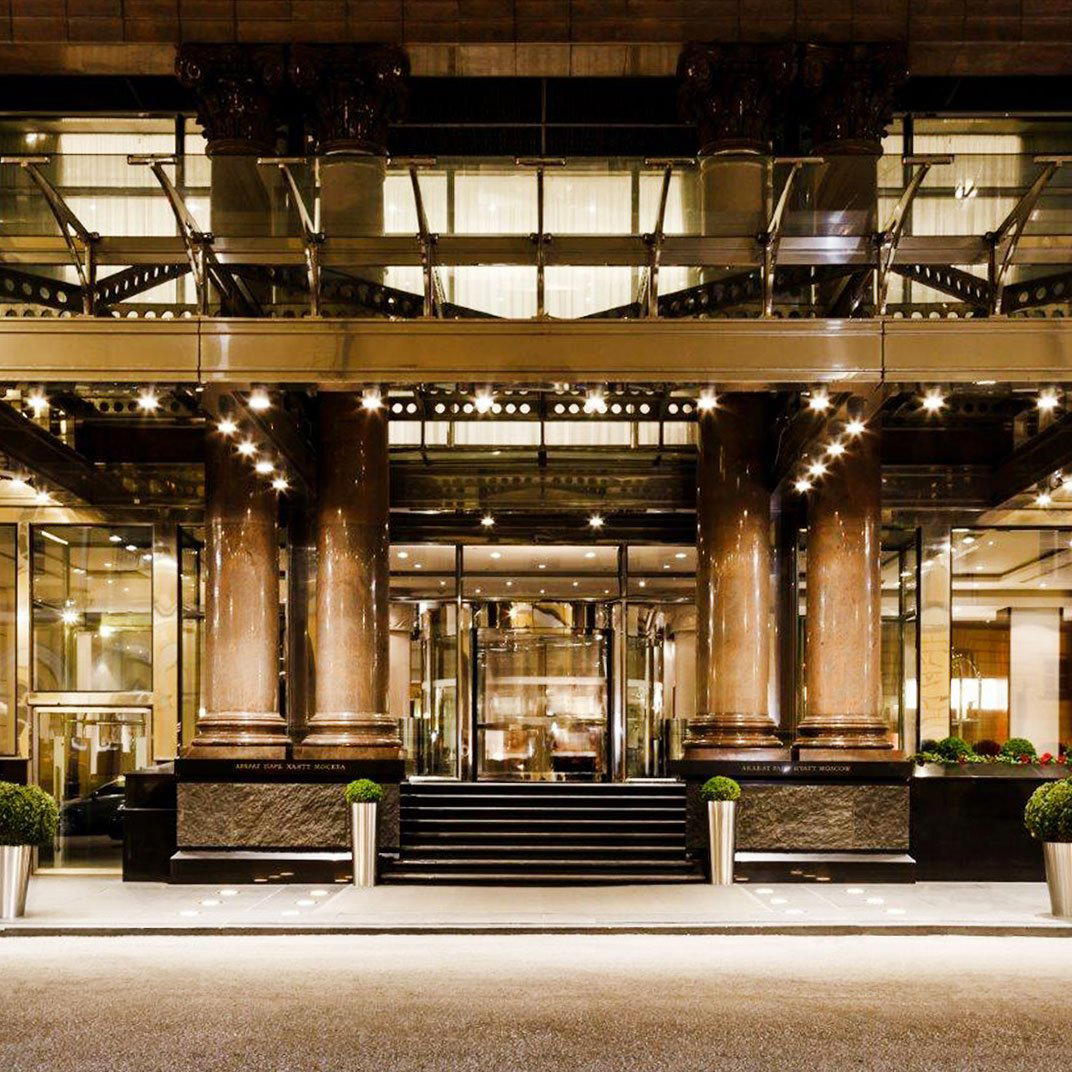
Teatralny Proyezd is one of Moscow's most freighted addresses. The Bolshoi Theatre anchors one end of the square, the Kremlin walls close the southern horizon, and the Hotel Metropol, completed in 1905 and long regarded as one of the city's defining examples of Russian Art Nouveau architecture, occupies the northern edge. Walking into the Metropol lobby before dinner at Savva is part of the experience. The vaulted ceilings, the stained glass, the ceramic friezes: the building imposes a scale on the evening before you've seen a menu.
That context matters when assessing what Savva is doing. The restaurant occupies a distinct position inside Moscow's premium dining tier, shaped by its heritage setting. The room demands a certain register. The kitchen, under Chef Andrey Shmakov, has over several years moved to meet that register with a Russian-European programme that treats classical technique as a baseline rather than a brand identity.
How the Kitchen's Direction Has Shifted
Moscow's high-end dining conversation in the 2010s was dominated by the question of what modern Russian cuisine could look like post-Soviet. Venues such as White Rabbit (Modern Russian) and Varvary (Russian Cuisine) staked claims on particular versions of that answer, White Rabbit through its formal tasting format and Moscow-skyline theatrics, Varvary through a more ingredient-forward interpretation of the Russian larder. Savva's evolution has been different in character: less a manifesto, more a progressive refinement within a formal hotel setting.
The Russian-European classification matters here. It signals a kitchen that doesn't treat European technique as aspirational and Russian produce as a concession, but instead positions both as co-equal inputs. That shift, from European fine dining with Russian garnishes, toward a genuinely dual-register programme, has been one of the more interesting evolutions in Moscow's top tier over the past decade. Savva is now one of the cleaner examples of it in the city, alongside Twins Garden (Modern European), which takes a different approach to the same underlying tension between international form and local material.
La Liste's scoring gives some external calibration to this trajectory. The jump from 91.5 points in 2025 to 94 points in 2026 reflects an upward shift in how the restaurant is being assessed. That places Savva in direct conversation with Moscow's other La Liste-tracked kitchens and with Russian-European peers elsewhere in the country, including Il Lago dei Cigni, Russian European in Sankt-Peterburg and Сад - Sad, Russian European in Sankt-Peterburg.
The comparable set and What It Reveals
Positioning Savva correctly requires understanding which restaurants it is and isn't competing with. It is not competing with the mid-market brasserie tier or with the casual modern-Russian wave that has spread across Moscow's inner neighbourhoods. Its comparable set is the small cluster of Moscow restaurants that combine significant critical recognition, a serious wine programme expectation, and a formal room, venues where the decision to book is made weeks rather than hours in advance.
Within that set, SAGE occupies a different stylistic register, and Пробка на Цветном - Probka na Cvetnom pulls toward a more relaxed, wine-led format. Savva's formal hotel context distinguishes it: the Metropol setting means the restaurant absorbs some of the building's institutional gravitas, which cuts both ways. It provides the kind of backdrop that makes certain occasions read correctly, business dinners, celebrations, visits by out-of-town guests for whom the Metropol address carries meaning. It also means the room operates under a standard of service that a freestanding restaurant can choose to relax when it suits the concept; Savva cannot.
That constraint has sharpened the kitchen's focus.7 across 4,621 ratings) suggests consistent delivery rather than polarising brilliance. The La Liste trajectory suggests the kitchen is doing something more than maintaining; it is improving within that framework.
Russian Fine Dining Beyond the Capital
Savva sits at one end of a wider conversation about how Russian fine dining has developed geographically. Moscow remains the primary market for this tier of restaurant, but serious cooking is distributed more broadly than the capital-centric narrative implies. Birch in St. Petersburg and Bourgeois Bohemians in Sankt-Peterburg represent the second-city tier. Further afield, Leo Wine & Kitchen in Rostov, SEASONS in Kaliningrad, and La Colline in Bolshoye Sareyevo each represent a strand of serious cooking operating outside the major urban centres. For visitors whose Moscow itinerary includes a day trip or who are combining the city with other Russian destinations, Царская Охота - Tsarskaya Okhota in Zhukovka, a short distance from the city, offers a different register of Russian hospitality.
Understanding this wider map gives context for why Savva's La Liste ranking carries weight: it is being measured against a national and international field, not just against other Moscow hotel restaurants.
Planning a Visit
The Metropol's address on Teatralny Proyezd places Savva within easy reach of central Moscow's principal landmarks. Theatre District logic applies: dinner before or after a Bolshoi performance is the obvious pairing, and the proximity means the timing works practically. Given the La Liste recognition and the hotel's profile, booking in advance is sensible, walk-ins at this tier in a hotel of the Metropol's standing are rarely reliable.
Fast Comparison
Comparable venues nearby, for context on price, style, and recognition.
| Venue | Cuisine | Price | Notes |
|---|---|---|---|
| САВВА - Savva - Hotel Metropol | Modern Russian Fine Dining | $$$$ | Tverskoy District |
| Гусятникоff - Gusiatnikoff | Traditional Russian Fine Dining | $$$$ | Moscow |
| Twins | Modern Russian Fine Dining | $$$$ | Тверской |
| Kazbek | Authentic Georgian | $$ | Presnensky |
| Quadrum | Modern Italian Fine Dining | $$$$ | Boulevard Ring |
| Grand Cru | Modern French Fine Dining | $$$$ | Patriarch's Ponds |
Recognition history
Dated appearances from independent guides and award organizations, with the underlying list record or original source where available.
La Liste Top Restaurants
La Liste
La Liste Top Restaurants
La Liste
At a Glance
- Elegant
- Sophisticated
- Classic
- Well Known
- Special Occasion
- Business Dinner
- Date Night
- Hotel Restaurant
- Historic Building
- Extensive Wine List
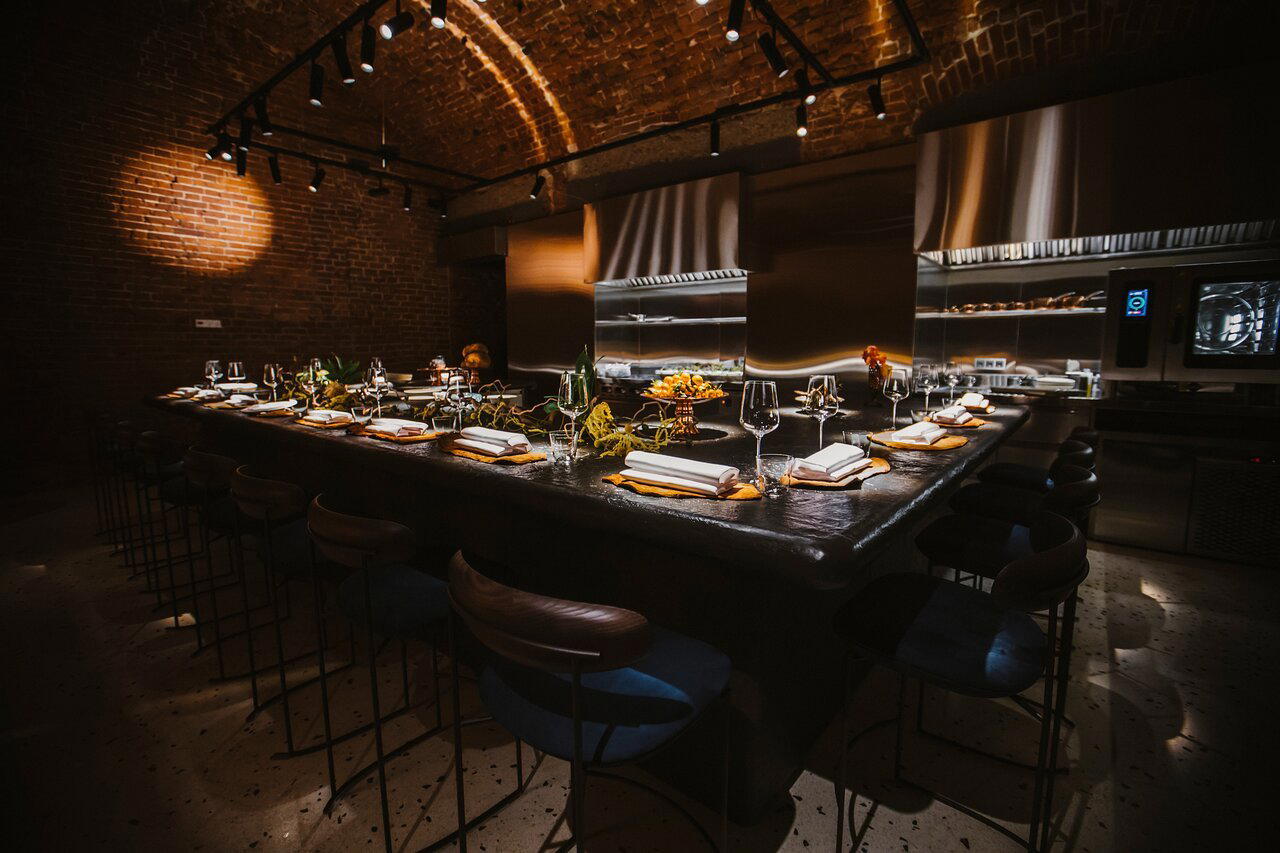
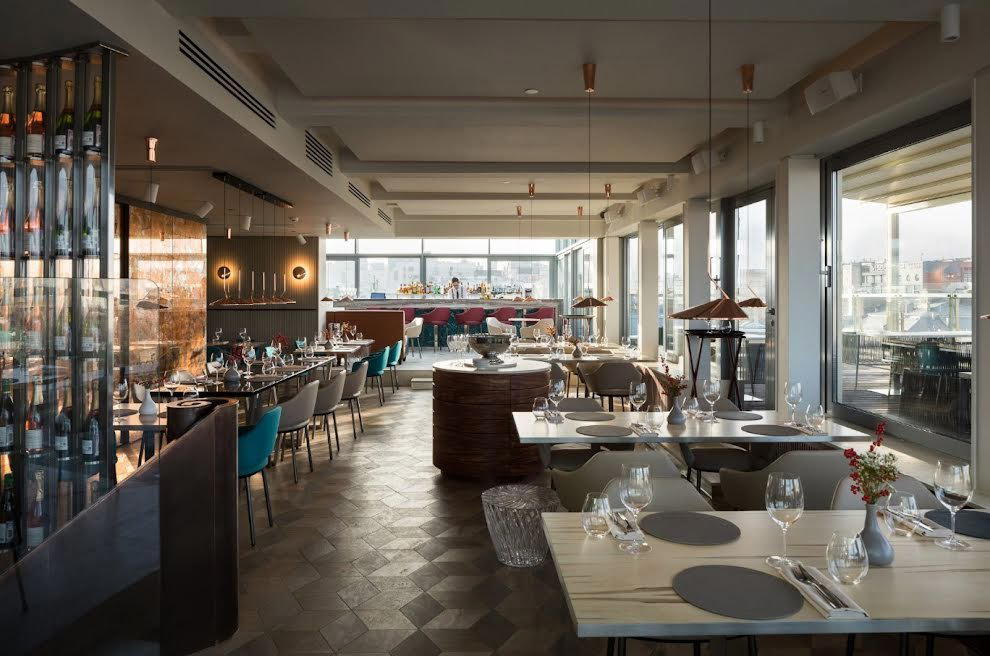
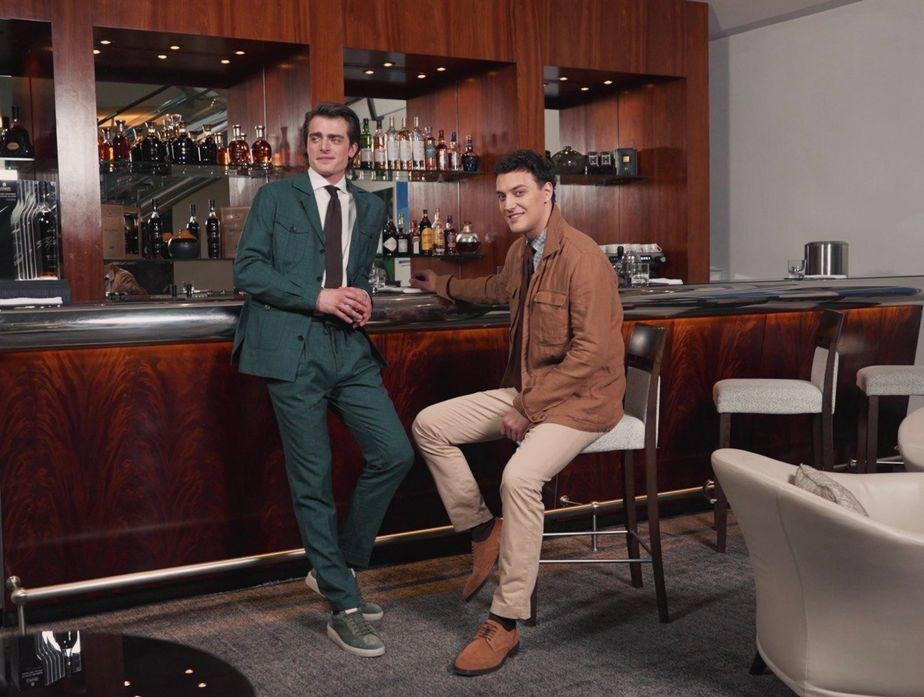
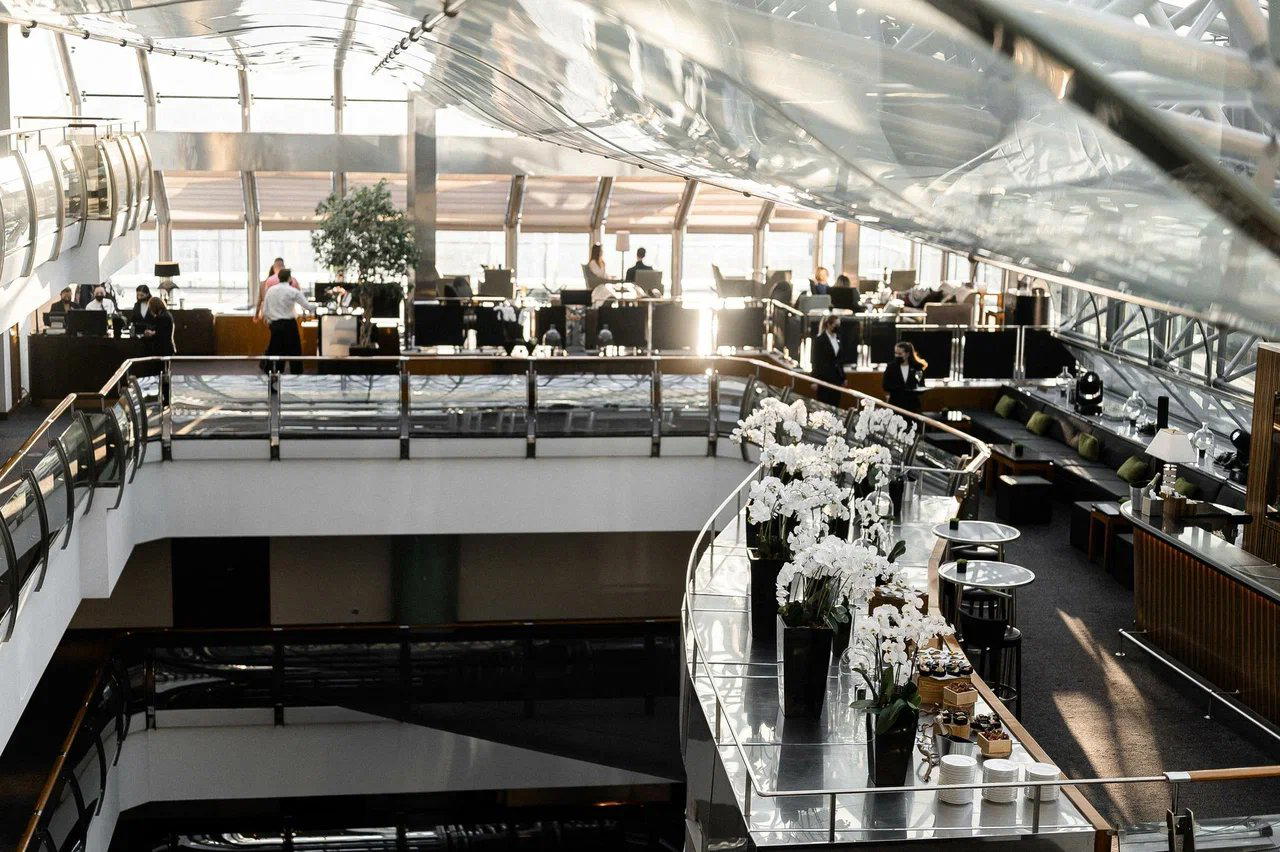
Refined and precise interior with high aesthetic appeal in a historic Art Nouveau setting.