
Ugolek sits on Bolshaya Nikitskaya, one of Moscow's most historically layered streets, and has earned consecutive La Liste recognition, 81 points in 2025, climbing to 84 in 2026. The kitchen works in the modern Russian register, a mode that treats the country's larder as primary material rather than nostalgic prop.
Pearl is the En Primeur Club membership app — saves, bookings, and concierge access live there. Same editors, same standards.
- Address
- Bol'shaya Nikitskaya Ulitsa, 12, Moscow, Russia, 125009
- Phone
- +7 495 629-02-11
- Website
- ugolek.moscow
- Directions
- Get directions
 Saves & bookings on Pearl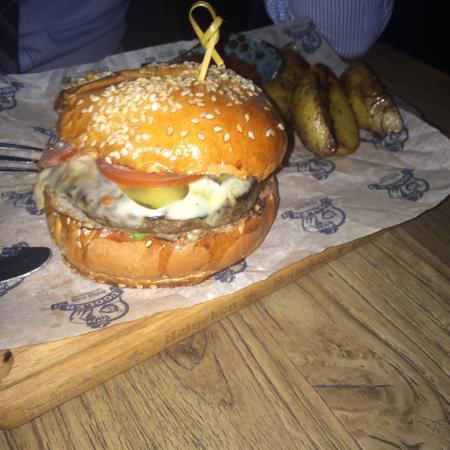
Fire, Smoke, and the Modern Russian Table
Bolshaya Nikitskaya has been one of Moscow's more consequential streets since the eighteenth century, home to the Conservatory, old merchant architecture, and a stretch of restaurants that now represents some of the city's more considered dining. Ugolek occupies a position on that street that feels deliberate: the name translates as 'ember' or 'small coal', signalling the kitchen's orientation toward live fire before you've looked at a single dish. In a city where the modern Russian dining movement has spent the better part of fifteen years deciding what it actually stands for, a restaurant that anchors itself to a single, ancient cooking method is making an editorial statement about source and technique rather than trend-chasing.
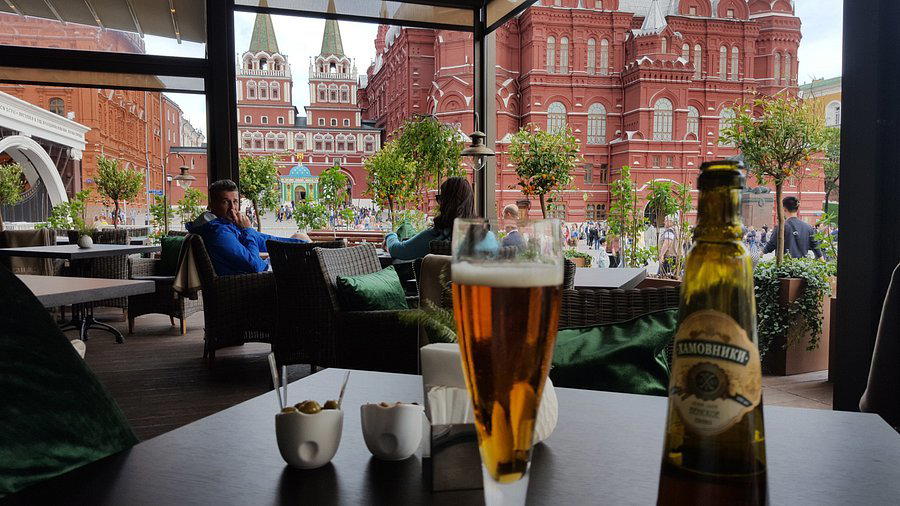
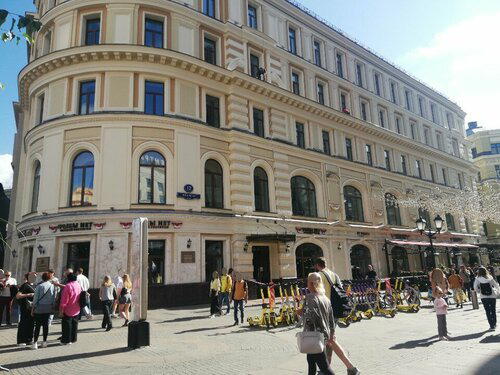
The dining rooms on Bolshaya Nikitskaya tend to draw a mix of Muscovites with cultural memory of the neighbourhood and visitors who have done enough research to leave the hotel-district circuit. Ugolek fits that pattern. Its address places it within walking distance of the Arbat district's western edge, in a part of the city where the architecture still carries pre-Soviet weight and the street energy runs quieter than the centre's more trafficked corridors. The physical approach, along a wide boulevard lined with substantial stone buildings, sets a register that the interior continues.
Where Ugolek Sits in Moscow's Modern Russian Scene
The modern Russian cooking movement that emerged with force in the 2010s produced a distinct tier of restaurants now recognised on international lists. White Rabbit holds the highest international profile in that cohort, with 50 Best recognition over multiple years. Twins Garden operates a research-led European format that has attracted similar attention. Varvary has long worked the territory between traditional Russian ingredients and modern plating discipline. Ugolek operates at a different register within that same broader movement: the emphasis here is on fire as primary technique, which places it closer to the international tradition of ember and grill cooking than to the tasting-menu formalism that defines several of its Moscow contemporaries.
La Liste, the French government-backed global restaurant ranking that aggregates critical scores across multiple international guides, awarded Ugolek 81 points in 2025 and 84 points in 2026, a three-point gain that suggests the kitchen is moving in a consistent direction rather than holding position. That score range places it within La Liste's recognised tier without reaching the leading bracket occupied by a handful of Moscow addresses. For comparative context, venues at the 84-point level on La Liste sit alongside recognised mid-tier addresses in cities like Paris or Tokyo, where the guide's methodology rewards consistent quality signals across multiple evaluating sources.
Among Moscow restaurants working adjacent territory, Artest and Chefs Table occupy the Russian cuisine and fusion tiers respectively, each with their own formal frameworks. Ugolek's fire-centred approach cuts across those categorical lines, it is modern Russian in ingredient orientation, but the technique vocabulary connects it to a global tradition of cooking over coals that runs from Argentine asado through Basque embers to the Georgian mangal.
The Cultural Weight of Fire in Russian Cooking
Russian food culture has always maintained a relationship with live fire that pre-dates modern restaurant formatting by centuries. The pech, the traditional Russian oven, was the architectural and social centre of the peasant household, used for bread, slow braises, and the preservation of heat through winter nights. The mangal, inherited through centuries of contact with Caucasian and Central Asian culinary traditions, produced a separate vocabulary of skewered and charred proteins. What the modern Russian kitchen has done with this inheritance is translate it into a contemporary restaurant idiom: tighter sourcing, better ingredient selection, and techniques borrowed from wood-fire movements elsewhere applied to specifically Russian materials.
That synthesis is what separates restaurants in the Ugolek mode from the Soviet-era or immediately post-Soviet tradition of Russian restaurants, which leaned heavily on nostalgic presentation and standardised dishes. The movement that Ugolek belongs to treats the Russian larder, its game, its river fish, its root vegetables, its dairy, as primary material worthy of serious technical attention rather than sentimental reconstruction. The comparison with what Birch in St. Petersburg and Bourgeois Bohemians have done in that city's dining scene is instructive: across Russia's two major cities, a generation of kitchens is working through similar questions about what contemporary Russian cooking actually looks like when stripped of Soviet-era convention.
Outside Russia's major cities, the same conversation is happening at different scales. Leo Wine & Kitchen in Rostov, SEASONS in Kaliningrad, and Tsarskaya Okhota in Zhukovka each represent regional responses to similar ingredients and culinary heritage. Moscow remains the highest-concentration market for this movement, with more venues, more critical attention, and a diner base experienced enough to push kitchen ambition further. Ugolek operates in that context, within a city that now exports culinary credibility rather than simply importing it, a shift that La Liste's consistent recognition of multiple Moscow addresses since the mid-2010s has helped formalise internationally.
For those building a broader picture of Russian fine dining beyond Moscow, La Colline in Bolshoye Sareyevo offers a counterpoint in the European tradition. For reference points entirely outside the Russian context, the kind of technical discipline that fire-centred restaurants pursue connects to the sourcing rigour visible at venues like Le Bernardin in New York or the seasonal precision of Atomix, though the culinary traditions are entirely distinct.
Planning a Visit
Ugolek's address is Bolshaya Nikitskaya Ulitsa, 12, in central Moscow. Given its La Liste recognition and high review volume, reservations in advance are advisable, particularly for weekend evenings; the three-point improvement in La Liste score from 2025 to 2026 suggests the restaurant is gaining rather than losing critical momentum, which typically translates into tighter booking windows. At about $150 per person, Ugolek sits in the mid-to-upper bracket of Moscow dining, comparable to other addresses in the modern Russian cohort.
Price Lens
Comparable venues nearby, for context on price, style, and recognition.
| Venue | Cuisine | Price | Notes |
|---|---|---|---|
| Уголек - Ugolek | Not listed | $$$ | Tverskoy District, Modern Mediterranean Grill |
| Wine and Crab | Boulevard Ring, Crab and Wine Specialist | $$$ | Not listed |
| Ikra | Not listed | $$$ | Moscow City, Modern Russian Gastrotheatre |
| Severyane | Not listed | $$$ | Boulevard Ring, Modern Russian Fine Dining |
| Butler | Not listed | $$$ | Patriarch Ponds, Contemporary Sicilian Italian |
| Accenti | Not listed | $$$ | Ostozhenka-Golden Mile, Italian Seafood Trattoria |
Recognition history
Dated appearances from independent guides and award organizations, with the underlying list record or original source where available.
La Liste Top Restaurants
La Liste
La Liste Top Restaurants
La Liste
At a Glance
- Elegant
- Sophisticated
- Lively
- Modern
- Date Night
- Business Dinner
- Group Dining
- Celebration
- Special Occasion
- Open Kitchen
- Standalone
- Extensive Wine List
- Craft Cocktails
Current opening hours
- Monday
- 9 AM–12 AM
- Tuesday
- 9 AM–12 AM
- Wednesday
- 9 AM–12 AM
- Thursday
- 9 AM–12 AM
- Friday
- 9 AM–2 AM
- Saturday
- 9 AM–2 AM
- Sunday
- 9 AM–12 AM
Hours can change for holidays and private events. Last verified .
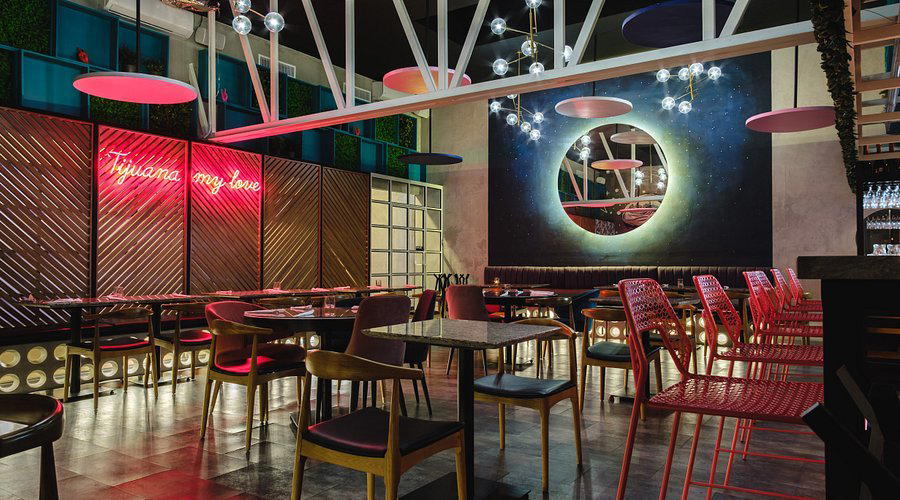
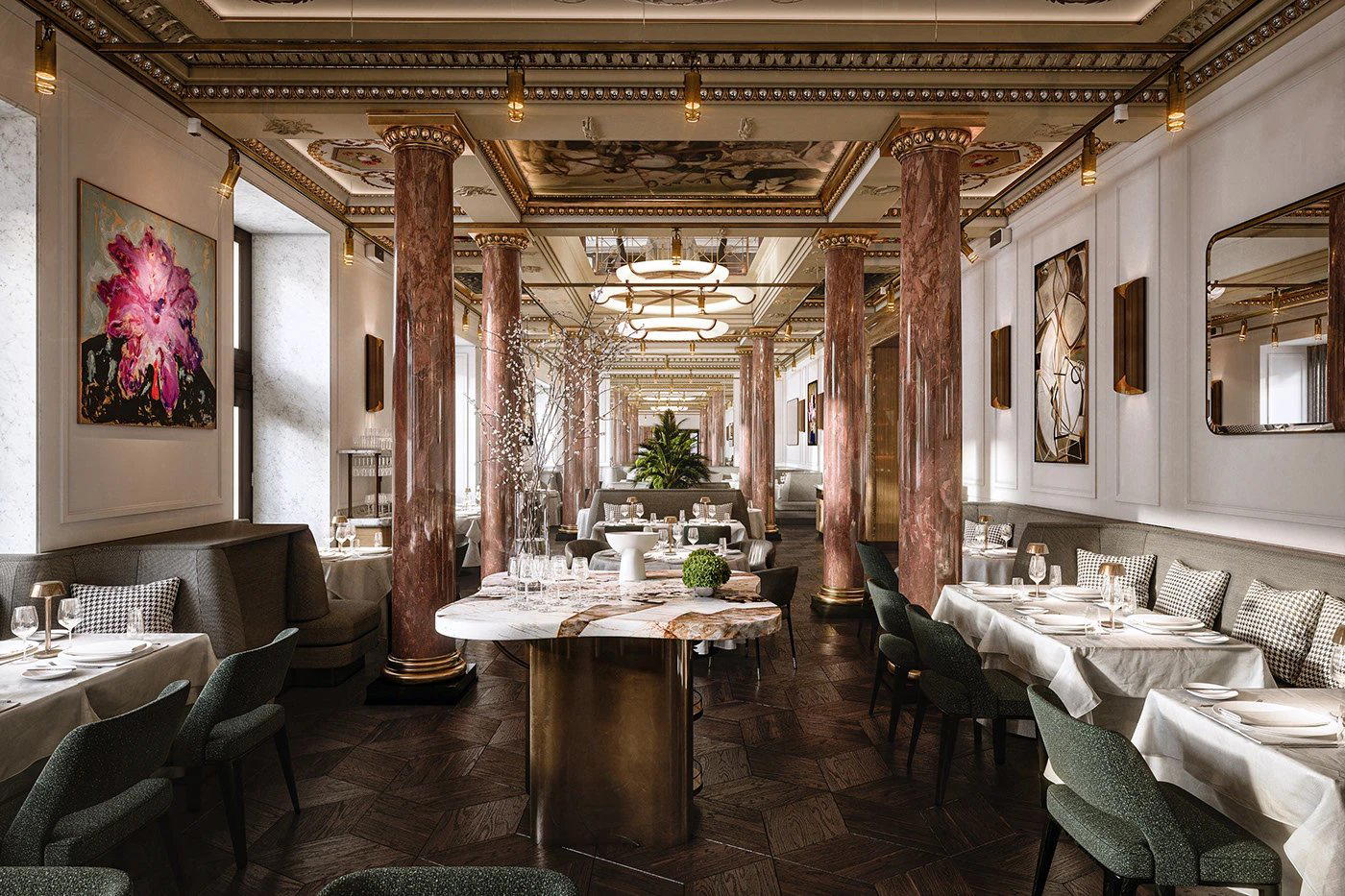
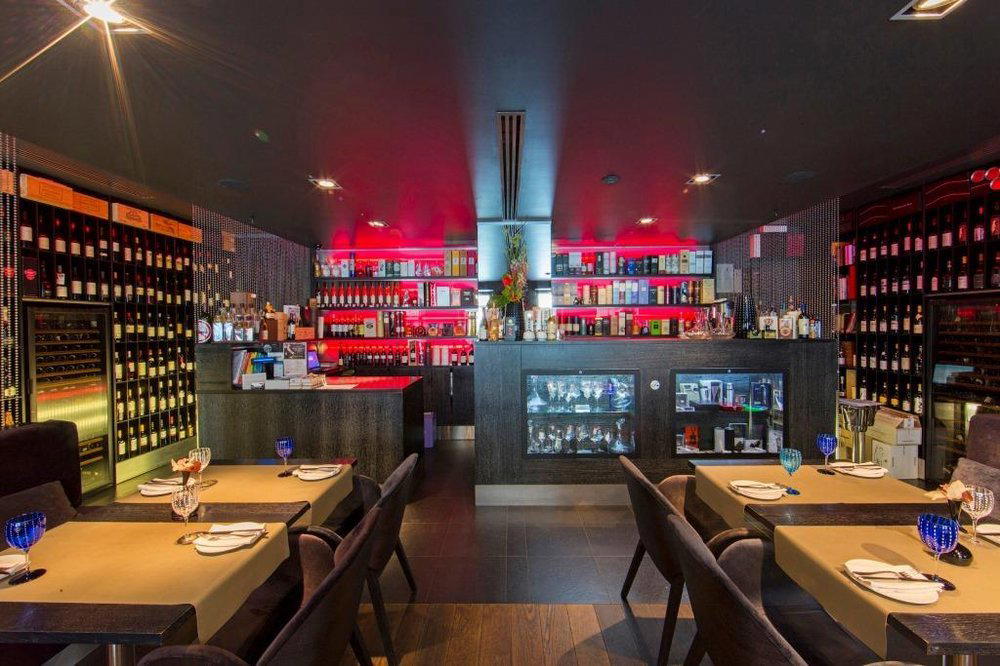
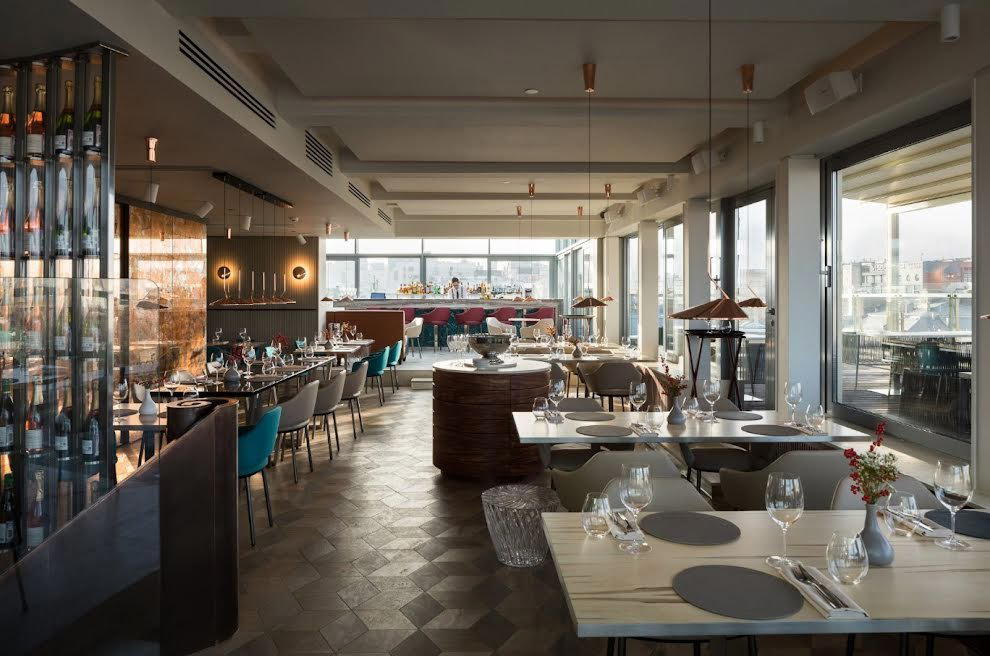
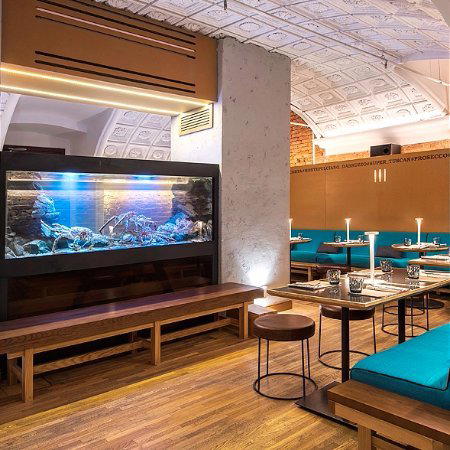
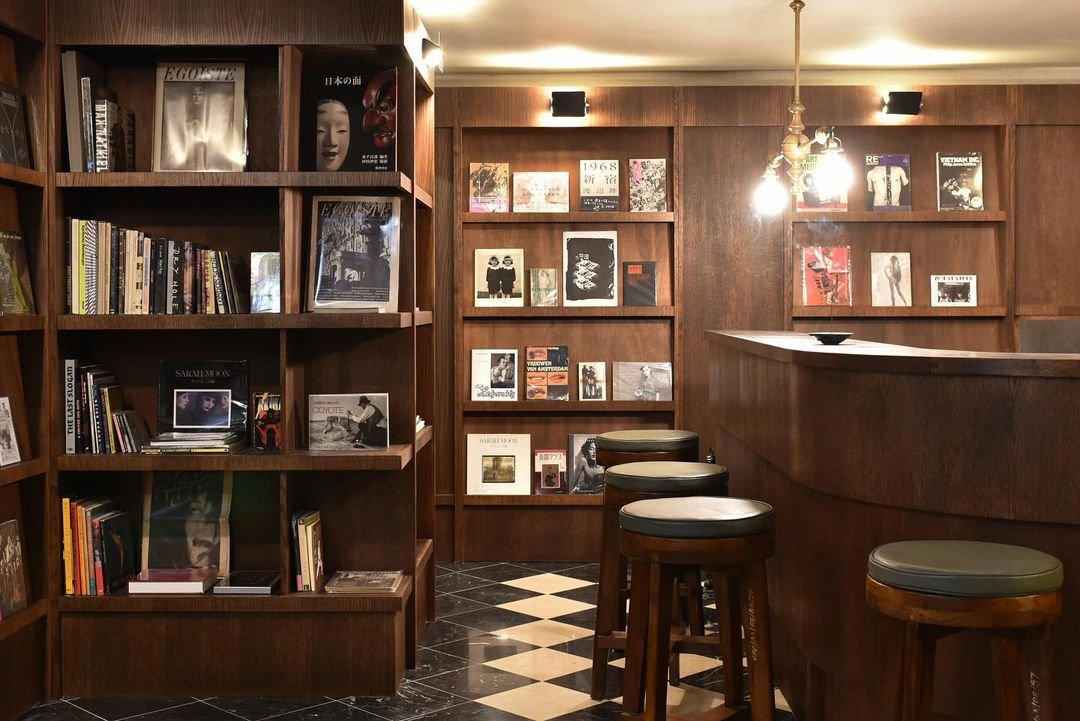
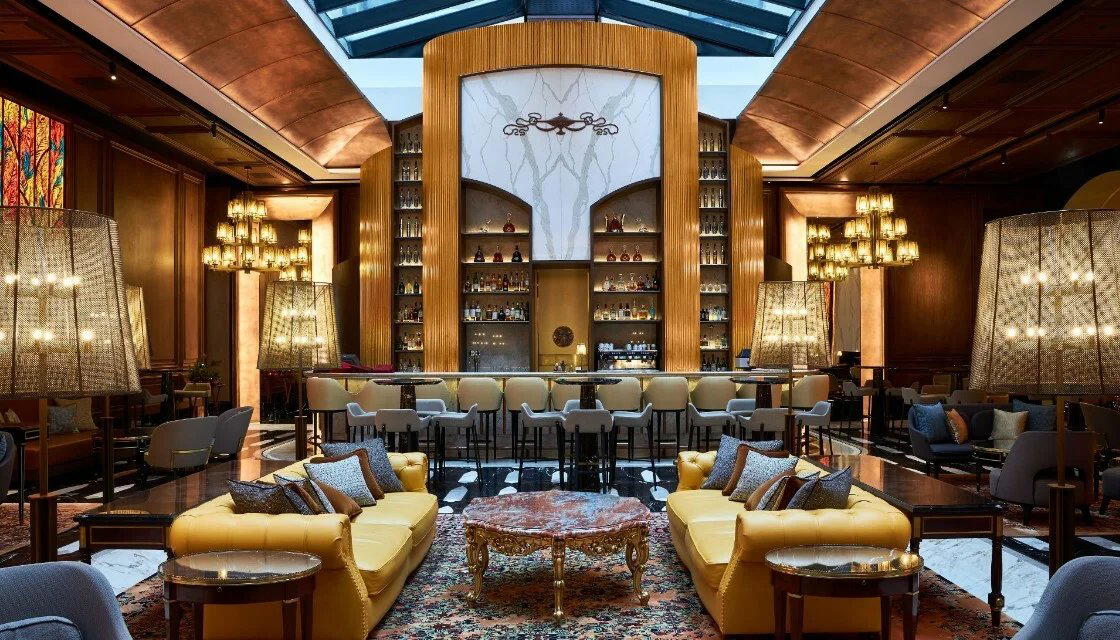
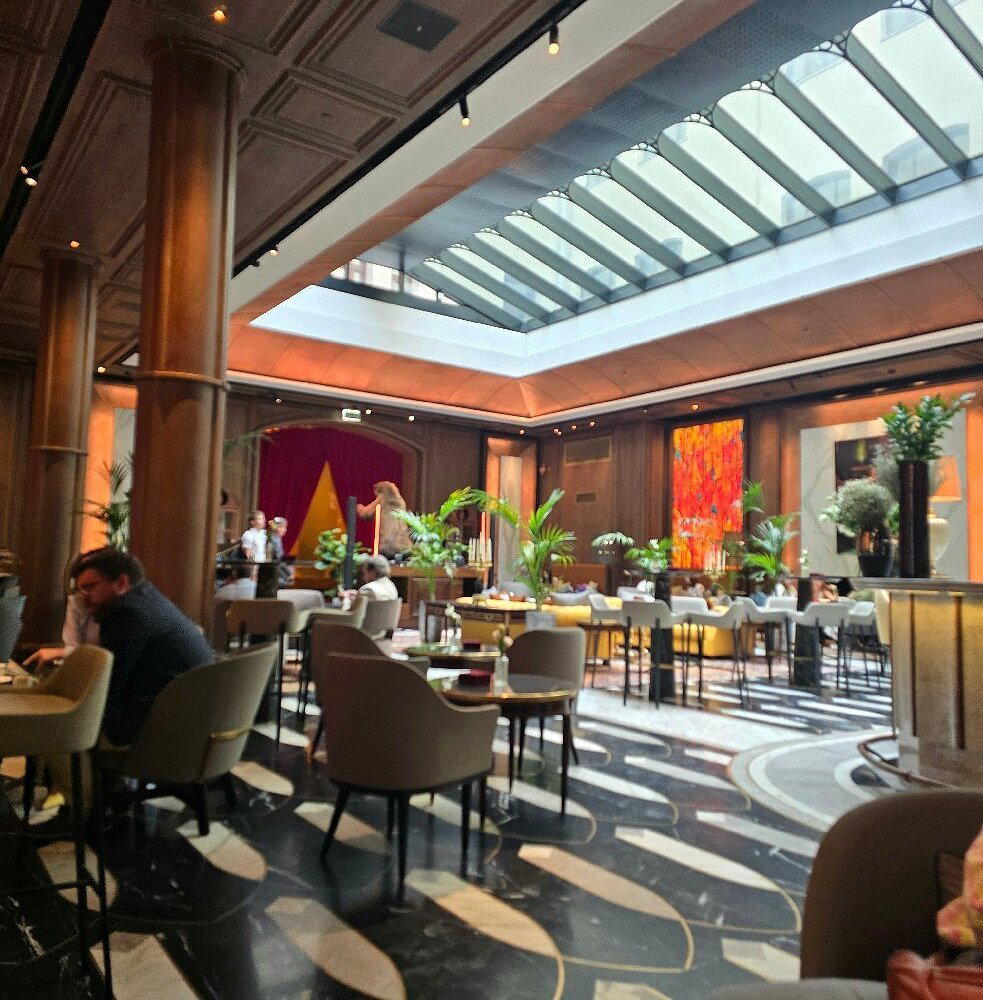
Sophisticated and warm atmosphere with cast-iron cooking as a visual centerpiece; intimate yet lively dining environment with modern European styling.