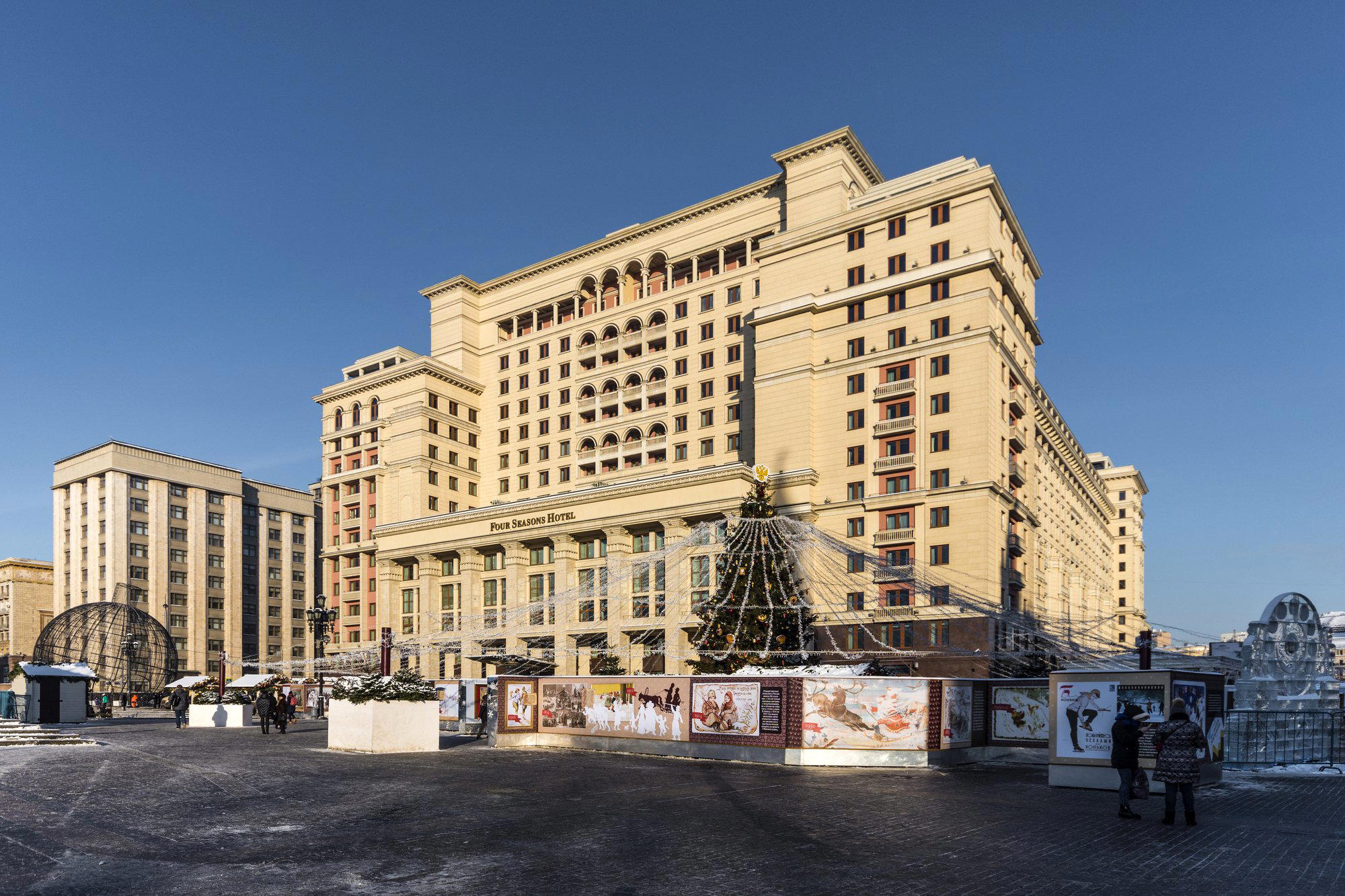
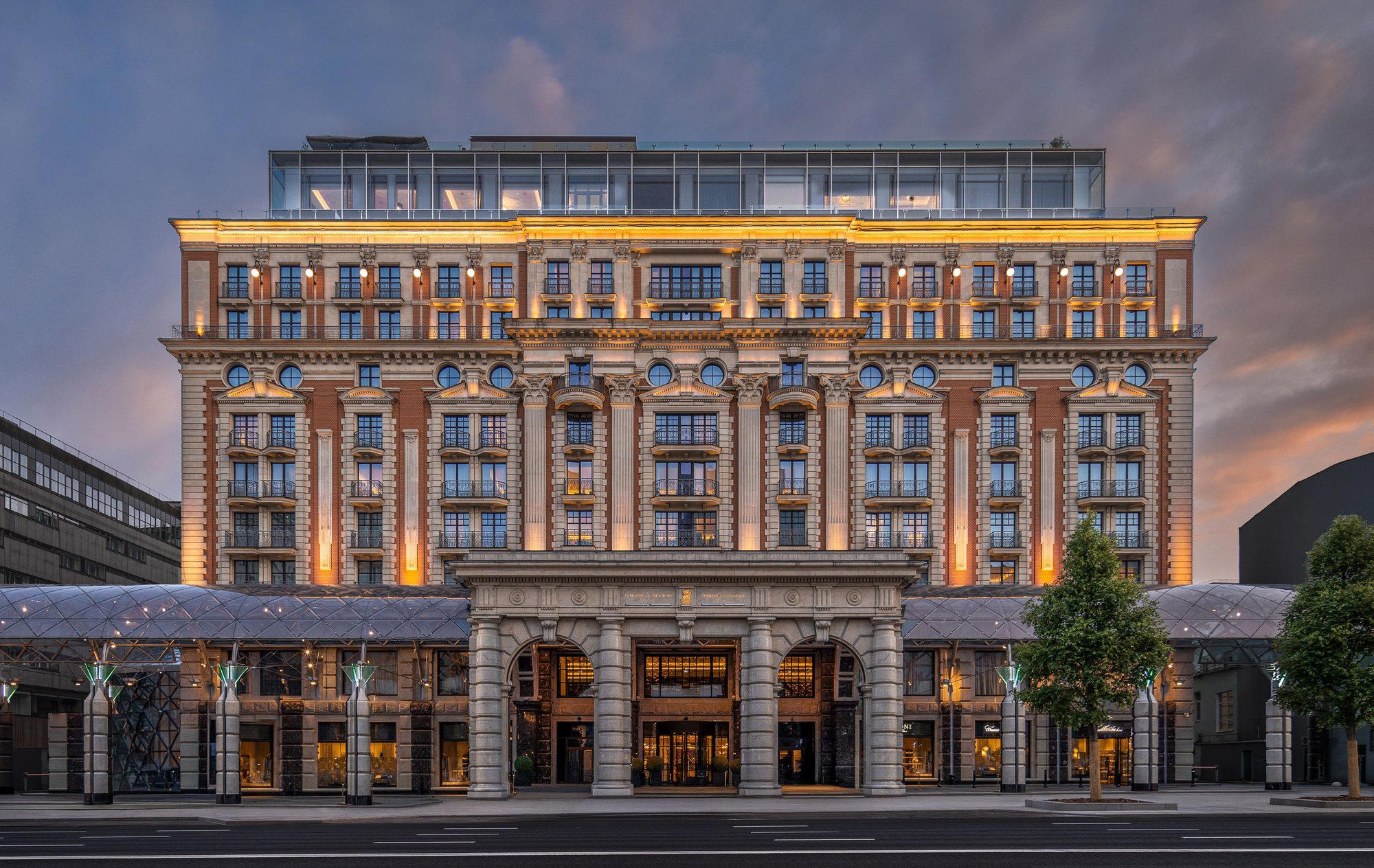
Quadrum occupies a central Moscow address on Okhotnyy Ryad, placing it within reach of the Kremlin district's dense concentration of dining options. The venue sits in a city where the gap between casual and high-concept restaurants has widened considerably over the past decade, and where multi-course progressive formats increasingly compete with the older guard of Russian classics.
Pearl is the En Primeur Club membership app — saves, bookings, and concierge access live there. Same editors, same standards.
- Address
- Ulitsa Okhotnyy Ryad, 2, Moscow, Russia, 109012
- Phone
- +74992777100
- Website
- thelegendofmoscow.com
- Directions
- Get directions
 Saves & bookings on Pearl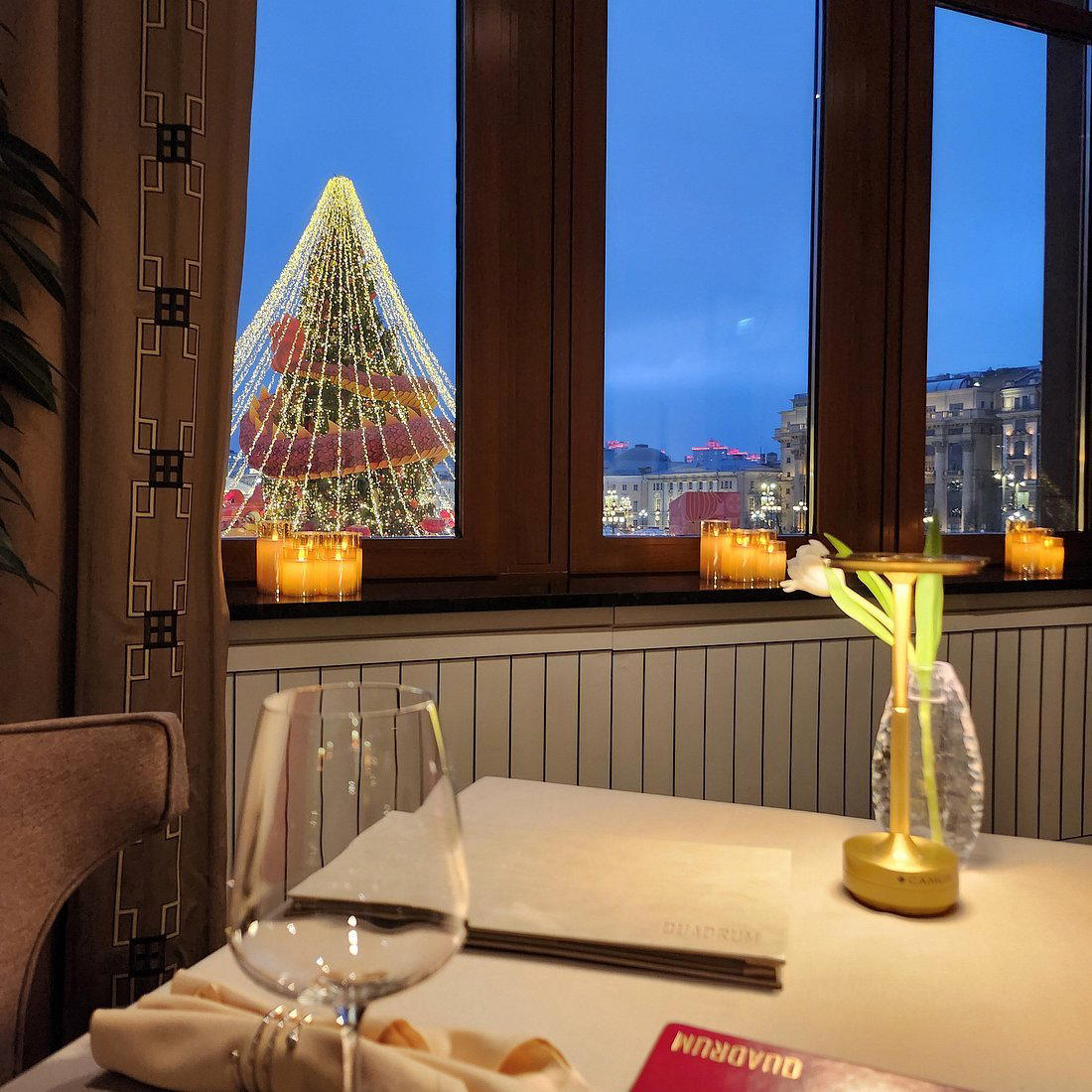
A Table in the Centre of Moscow's Dining Conversation
Okhotnyy Ryad is one of those Moscow addresses that functions as a reference point rather than a neighbourhood. The square sits at the intersection of the Kremlin's northern edge and the city's main commercial artery. That context matters when thinking about how a progressive multi-course format reads in this part of the city: diners arriving in this quarter arrive with options, and the decision to commit to a sequenced meal is always a considered one.
Moscow's dining scene has reorganised itself several times since the early 2000s. The first wave of post-Soviet fine dining leaned heavily on European imports, both in terms of ingredients and culinary vocabulary. The second wave, roughly coinciding with the mid-2010s boom in modern Russian cuisine, produced venues like White Rabbit and Twins Garden, which reframed native ingredients within a contemporary technical framework. What has emerged from that period is a city where a diner can reasonably expect serious cooking from a serious restaurant.
The Logic of a Progressive Meal in Moscow
The tasting menu format, as it has evolved across European and Asian capitals, operates on a specific contract with the diner: you surrender control of the sequence in exchange for a more coherent argument about what the kitchen believes. In Moscow, that contract carries additional weight because Russian culinary tradition is not naturally structured around the appetiser-to-dessert arc familiar to Western diners. Classical Russian hospitality is more abundance-oriented, built around the zakuski table and the idea that generosity is measured in volume and variety rather than in narrative progression.
A progressive format in this context becomes an editorial act. The kitchen is implicitly saying that it has something to argue across the length of a meal, that each course changes how you read the next one. Venues like Varvary have worked within Russian ingredient traditions to build that kind of sequenced argument. The question for any Moscow restaurant working in this register is how explicitly Russian the vocabulary is, and at what point in the meal that identity becomes legible.
For reference, multi-course progressive restaurants in Moscow's central districts typically position themselves in the upper third of the city's price range. That framing affects everything from table spacing to the pacing of wine service.
Ulitsa Okhotnyy Ryad and Its Peer Context
The address at Ulitsa Okhotnyy Ryad, 2 places Quadrum in a part of Moscow where the restaurant scene includes both international hotel dining rooms and independently operated concept restaurants. The Kremlin district dining corridor has historically attracted venues that need the foot traffic of a major tourist and business hub, but it has also produced some of the city's more serious operations precisely because the competition for informed diners is higher here than in outlying neighbourhoods.
Comparable venues in the centre operate across a range of formats: Aist works within a European bistro register, while Accenti brings an Italian reference point. The diversity of approaches at this price tier and geography is itself a signal: central Moscow diners are not a homogeneous audience, and restaurants that do well here tend to have a clear enough identity to attract repeat visitors rather than relying on tourist volume alone.
Across Russia more broadly, the appetite for serious restaurant dining has extended well beyond Moscow and Saint Petersburg. Venues like 1913 in Saint Petersburg demonstrate that heritage-inflected dining formats can build sustained audiences outside the capital. Regional restaurants such as Kukhterin in Tomsk, Dzhani Restorani in Nizhny Novgorod, and Khmeli Suneli in Yekaterinburg show that the country's regional dining cultures are no longer simply satellites of the Moscow conversation. In that context, a central Moscow address carries the expectation of being a benchmark rather than a participant.
Planning a Visit: What the Okhotnyy Ryad Location Means in Practice
For international visitors, Okhotnyy Ryad is among the more accessible restaurant addresses in the city. The area is served by the Okhotnyy Ryad metro station on Line 1, making it reachable from most central hotels without requiring a car. The proximity to the Kremlin and Manezhnaya Square means that the area is heavily trafficked during daylight hours, and the transition into an evening dining context happens relatively abruptly as tourist flow recedes after dark.
Given the density of options in this part of the city, walk-in availability at concept restaurants in the Kremlin district is variable rather than reliable. For venues operating a structured tasting format, reservation lead times across the peer group typically run from several days to several weeks depending on the season, with the pre-New Year period from late November through early January representing the highest demand window in Moscow's dining calendar. Summer terraces, where they exist, add capacity but also add competition from al fresco options across the city. The practical recommendation for Quadrum is to book ahead, particularly for evening services.
Those looking at Russian regional cooking more specifically may also find value in Alanskaya Kukhnya in Krasnodar or Lev I Ptichka in Saint Petersburg for a sense of how regional culinary identities are being articulated outside the capital.
Reputation Context
Comparable venues nearby, for context on price, style, and recognition.
| Venue | Cuisine | Price | Notes |
|---|---|---|---|
| QuadrumThis venue — the venue you are viewing | Modern Italian Fine Dining | $$$$ | Not listed |
| Butler | Contemporary Sicilian Italian | $$$ | Patriarch Ponds |
| Probka | Classic Italian with Pizza | $$ | Tsvetnoy Boulevard |
| Accenti | Italian Seafood Trattoria | $$$ | Ostozhenka-Golden Mile |
| Bistrot | Italian Bistro (Tuscany-inspired) | $$ | Khamovniki |
| Pizzeria Vesuvio | Neapolitan Pizza | $$ | North-Eastern (SVAO) |

At a Glance
- Elegant
- Modern
- Sophisticated
- Date Night
- Business Dinner
- Special Occasion
- Hotel Restaurant
- Panoramic View
- Extensive Wine List
- Skyline
Current opening hours
- Monday
- 6 PM–2 AM
- Tuesday
- 6 PM–2 AM
- Wednesday
- 6 PM–2 AM
- Thursday
- 6 PM–2 AM
- Friday
- 6 PM–2 AM
- Saturday
- 6 PM–2 AM
- Sunday
- 6 PM–2 AM
Hours can change for holidays and private events. Last verified .
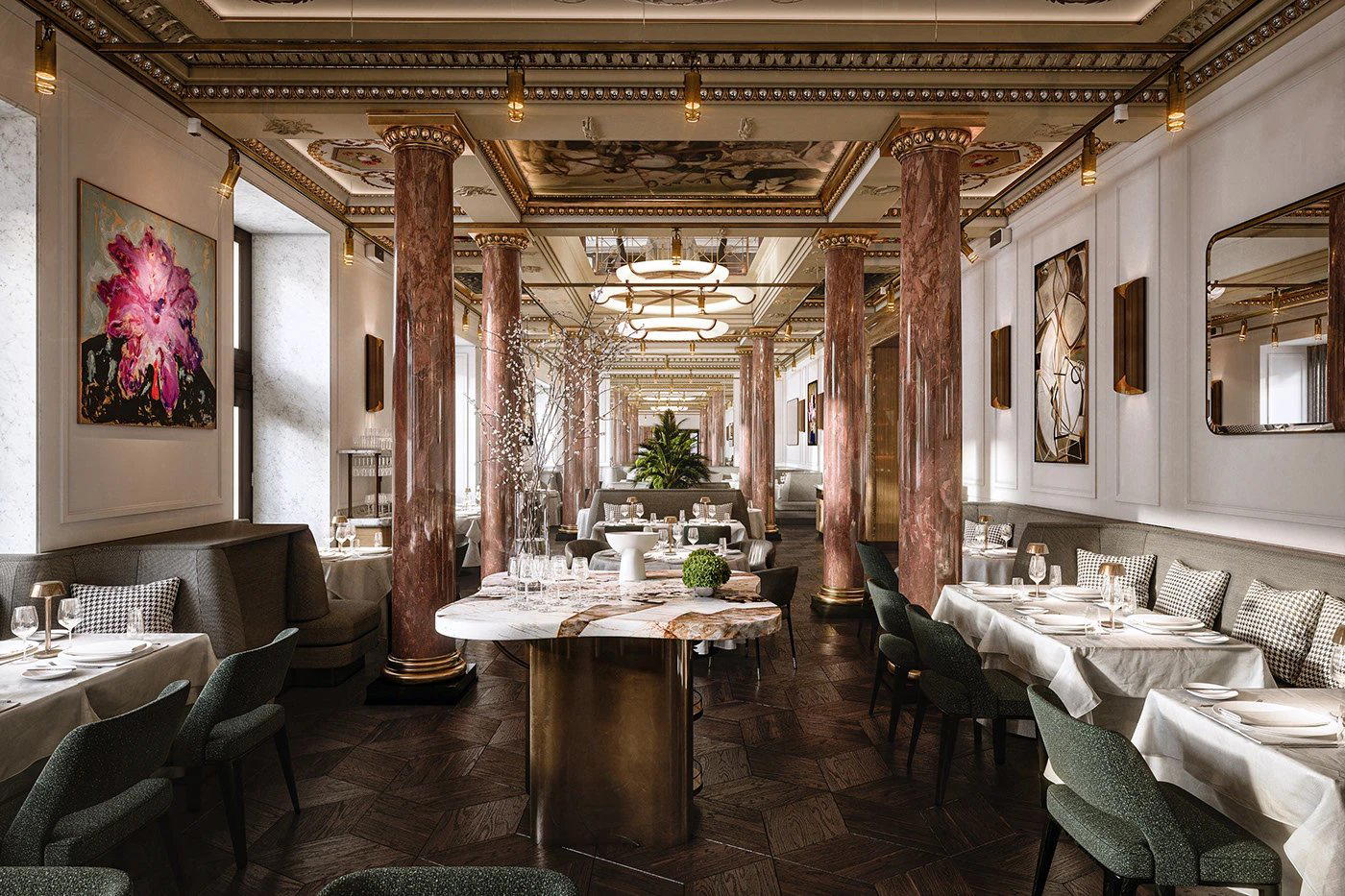
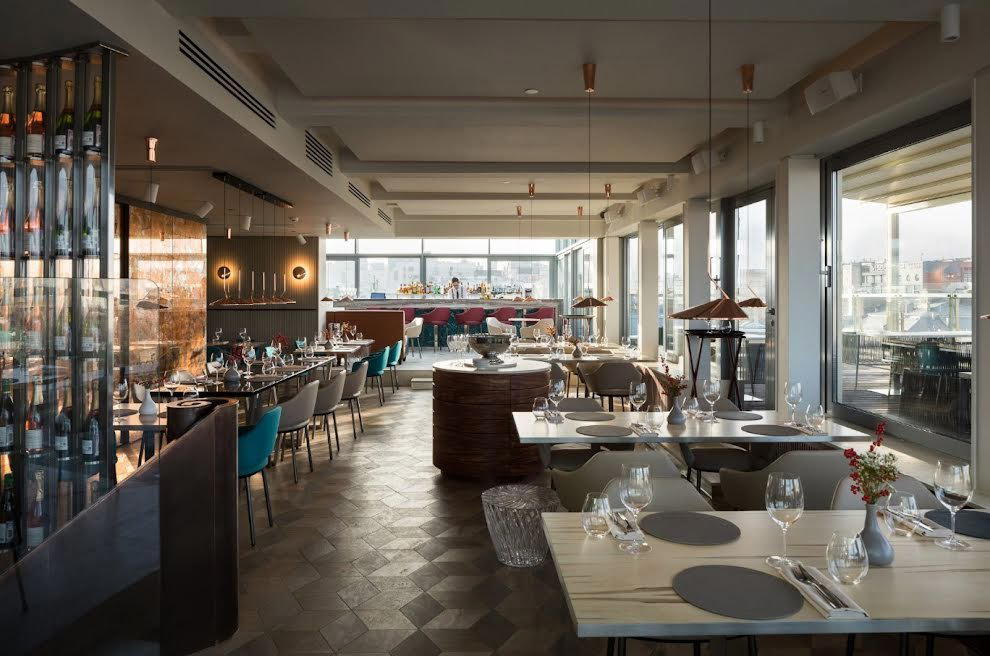
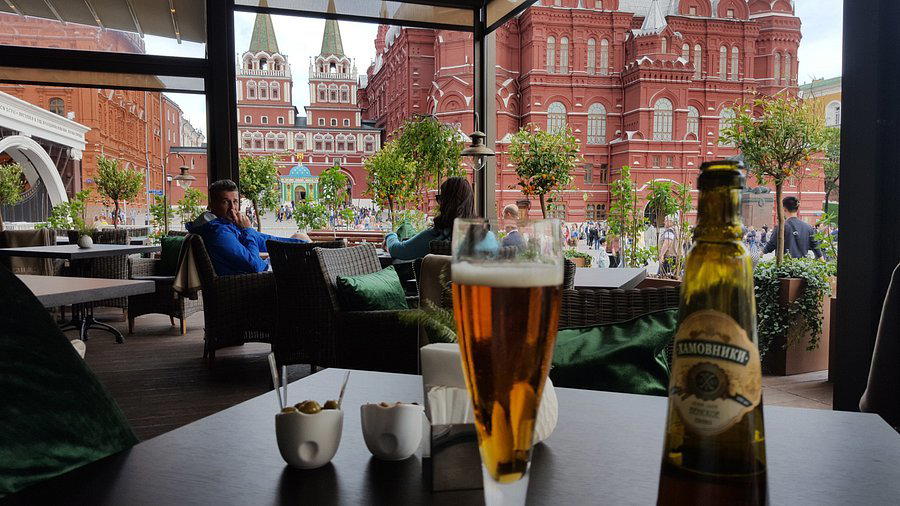
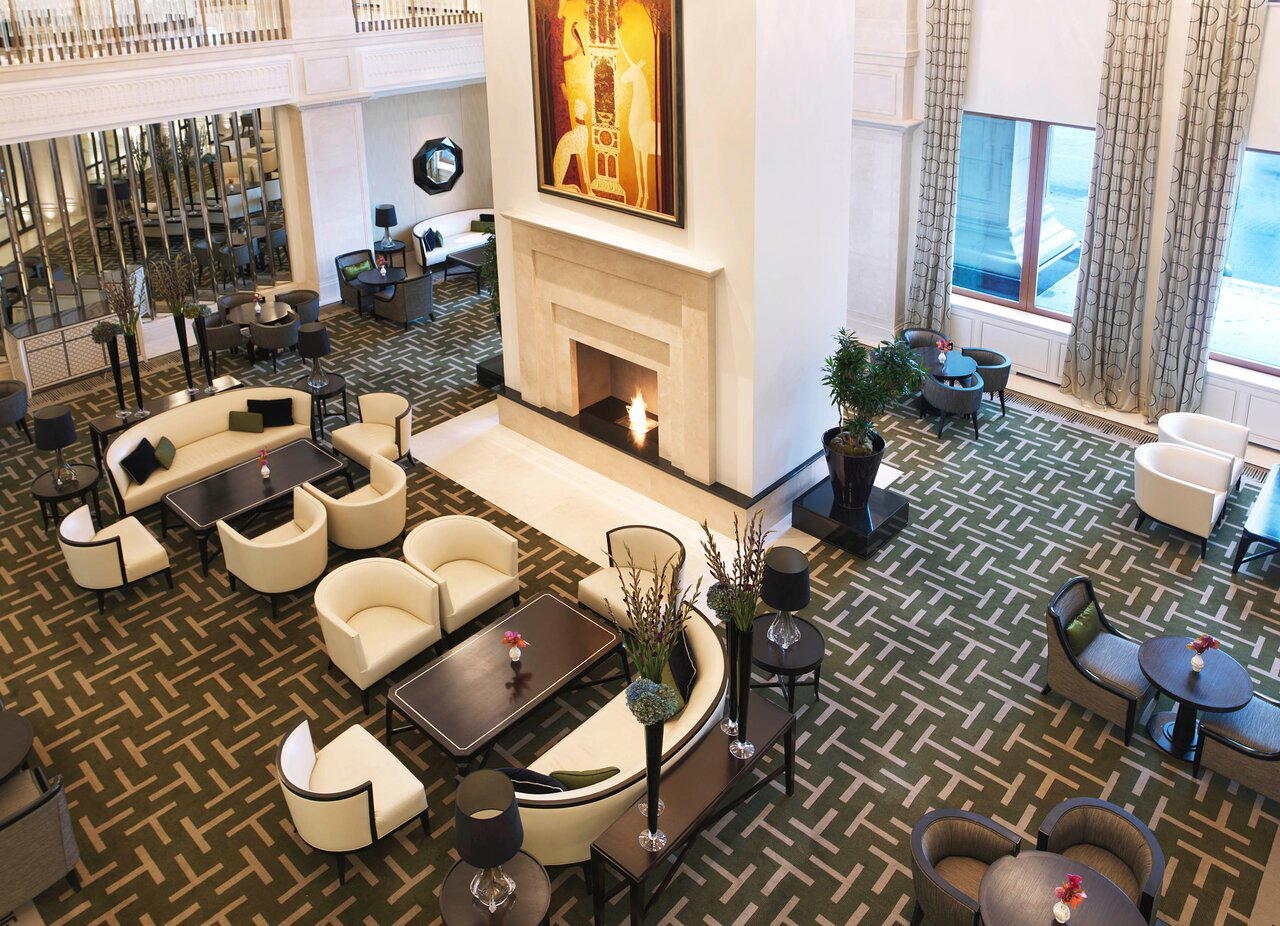
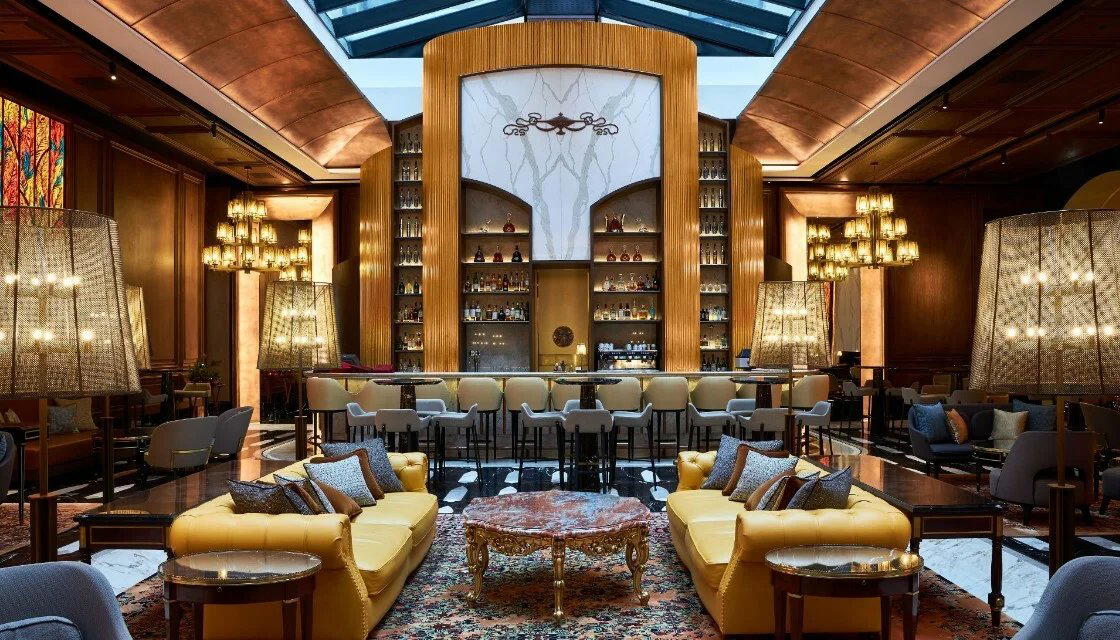
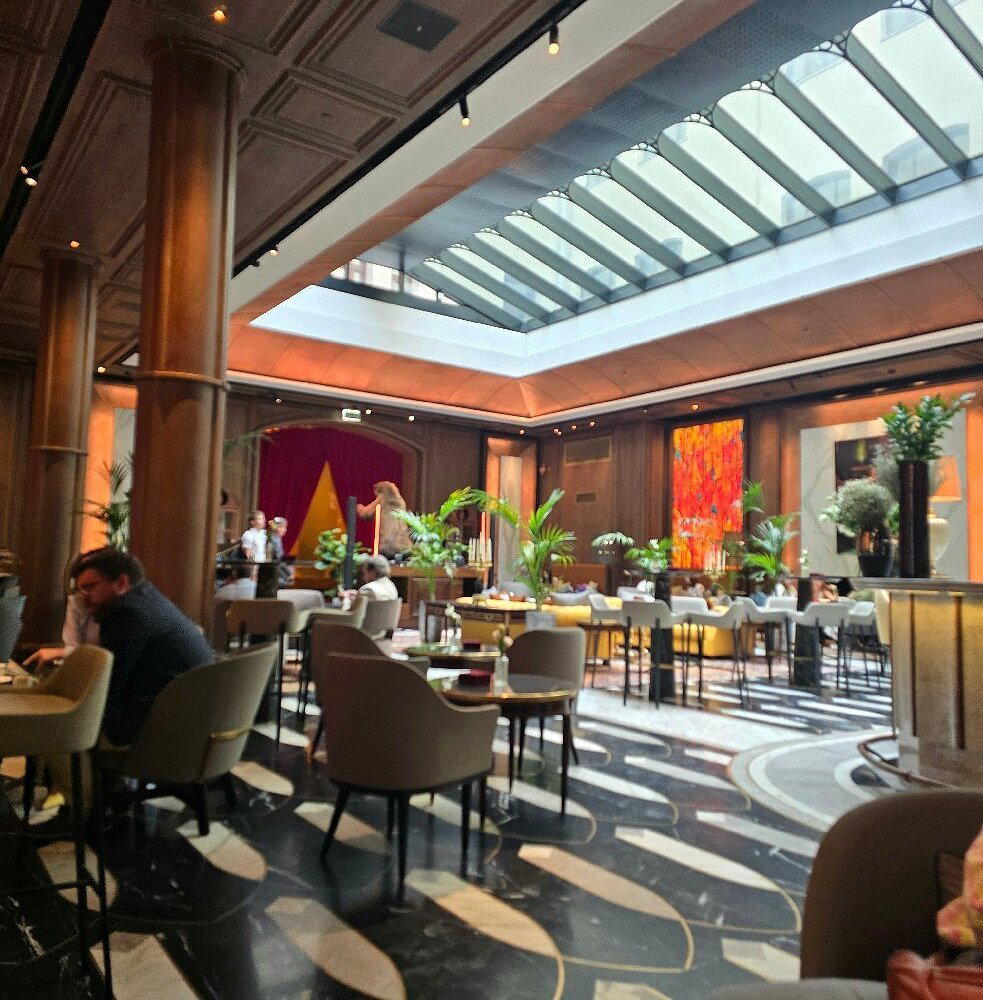
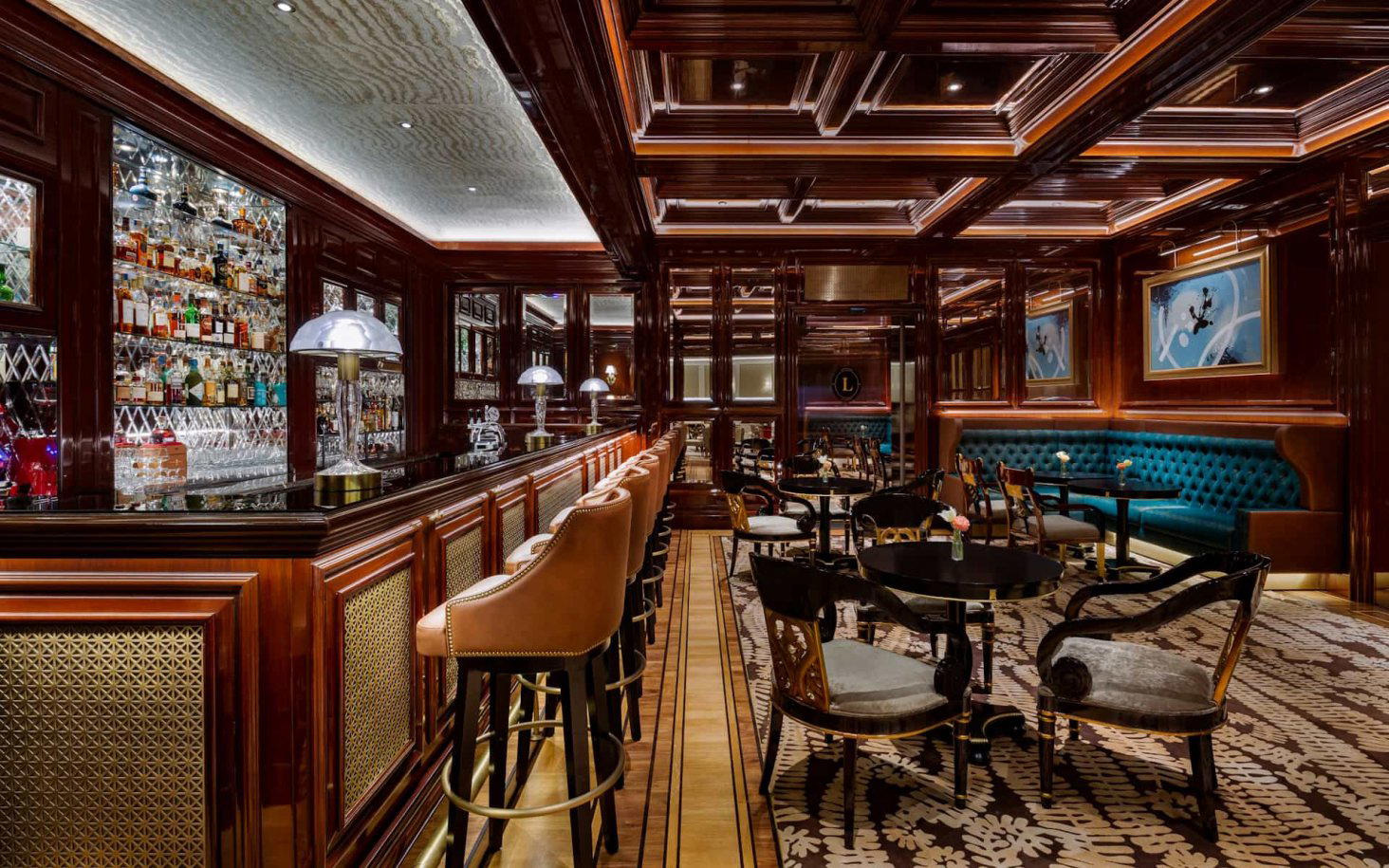
Modern elegant atmosphere with soothing decor and picturesque views of Kremlin and Manezhnaya Square.