On Tverskoy Boulevard, Cafe Pushkin occupies a converted 19th-century pharmacy building that has become one of Moscow's most enduring addresses for Russian classical cuisine. Its regulars return not for novelty but for continuity, the heavy drapes, the candlelit reading rooms, and a kitchen that treats pre-revolutionary recipes as a living reference rather than a museum exhibit. Few Moscow restaurants command the same cross-generational loyalty.
Pearl is the En Primeur Club membership app — saves, bookings, and concierge access live there. Same editors, same standards.
- Address
- Tverskoy Blvd, 26А, Moscow, Russia, 125009
- Phone
- +74957390033
- Website
- cafe-pushkin.ru
- Directions
- Get directions
 Saves & bookings on Pearl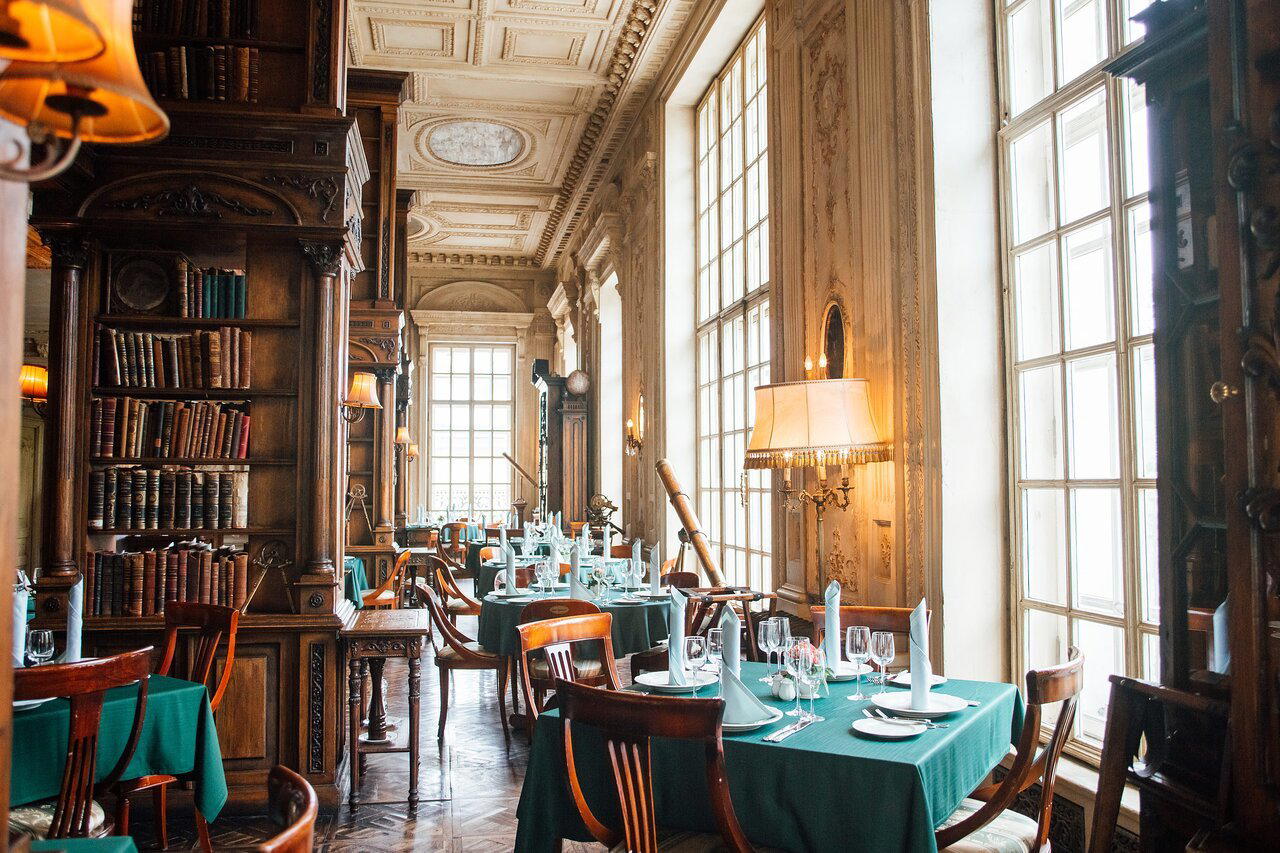
The Room Before the Menu
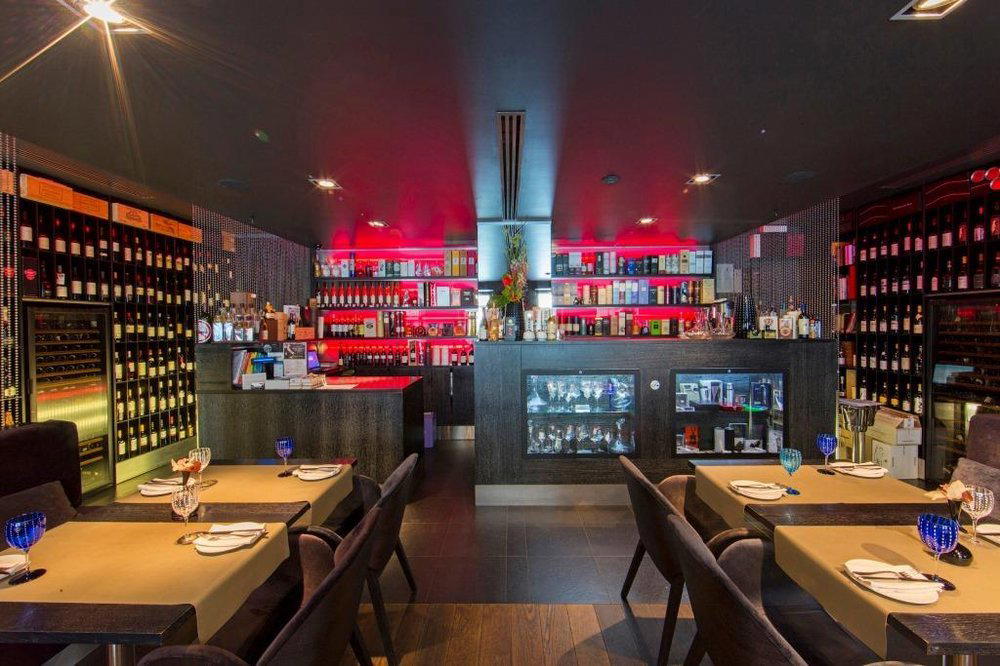
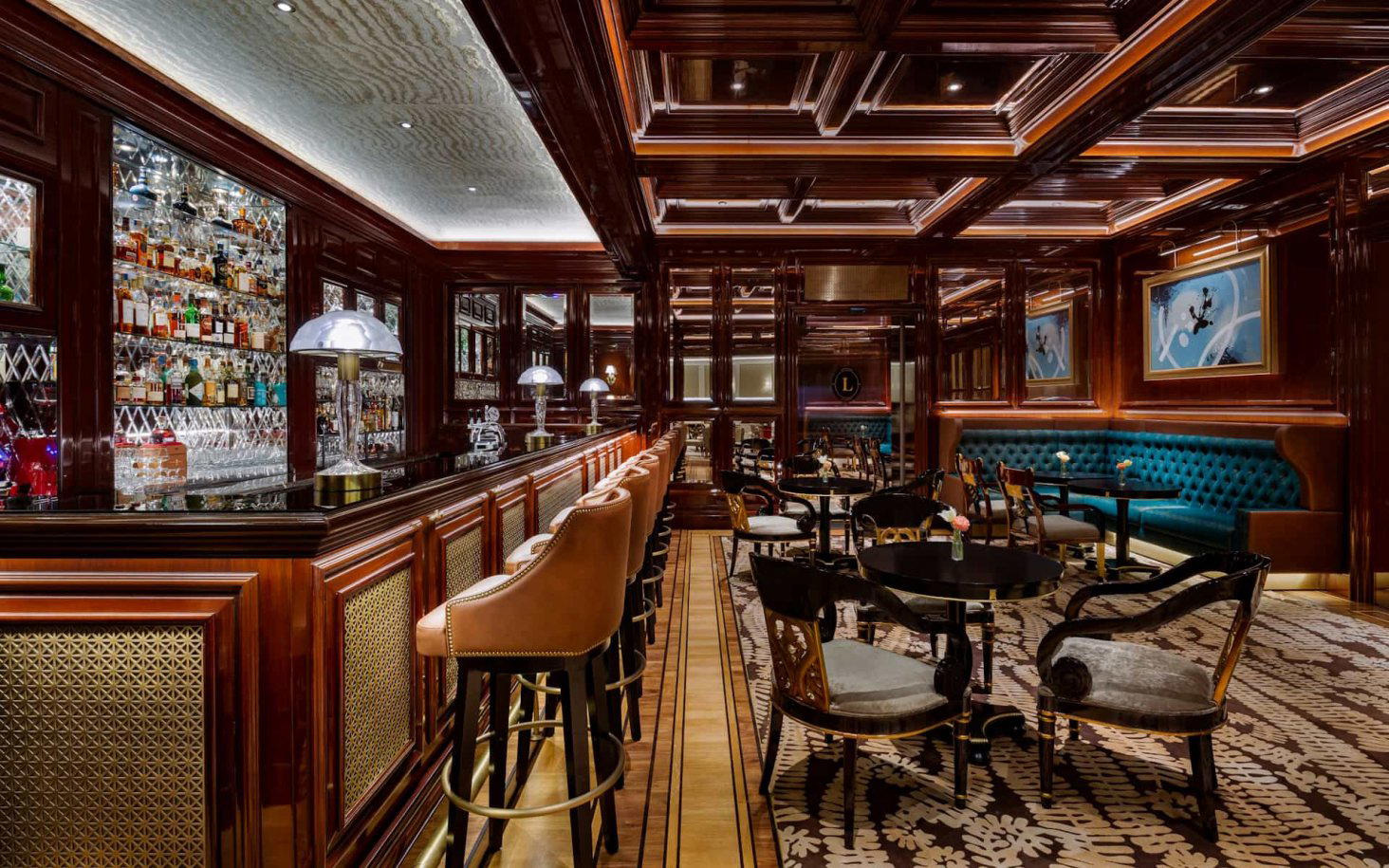
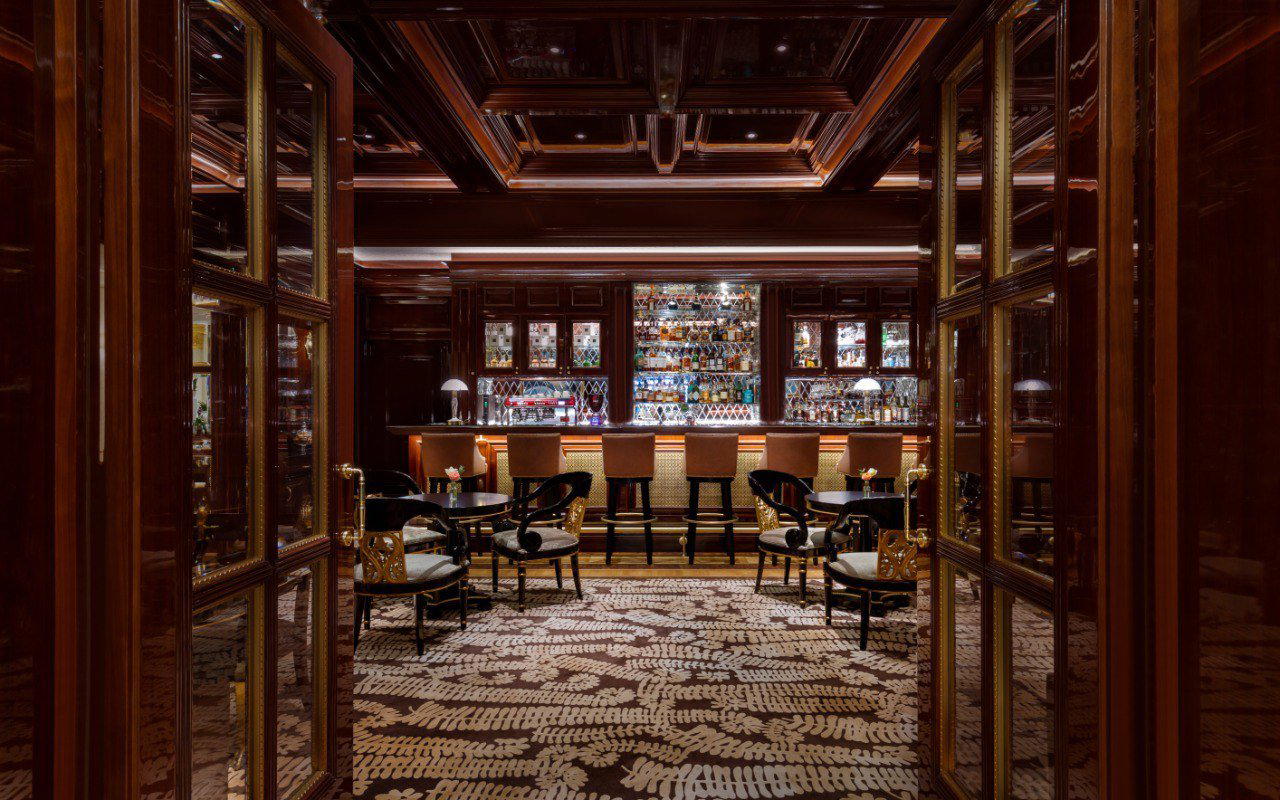
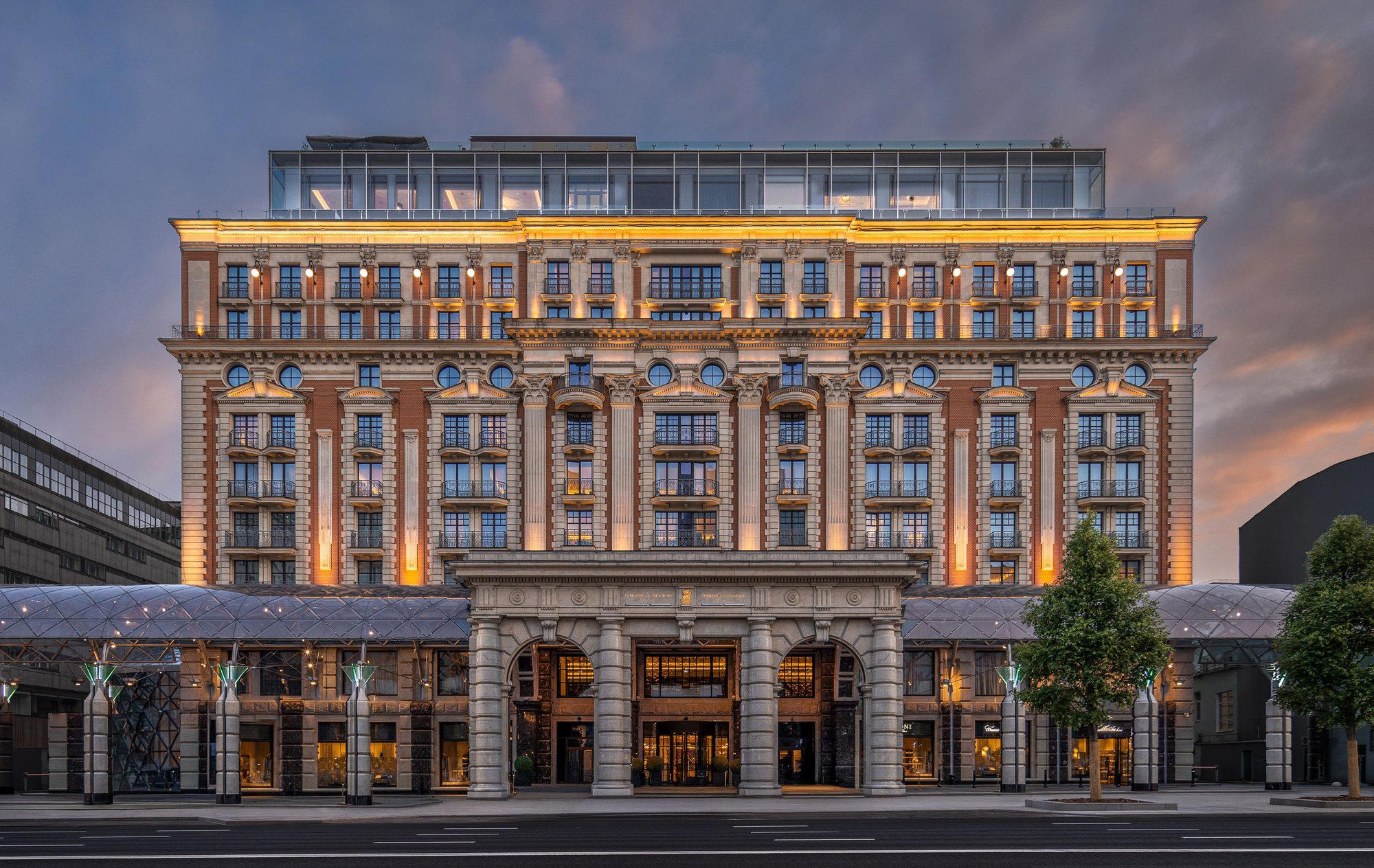
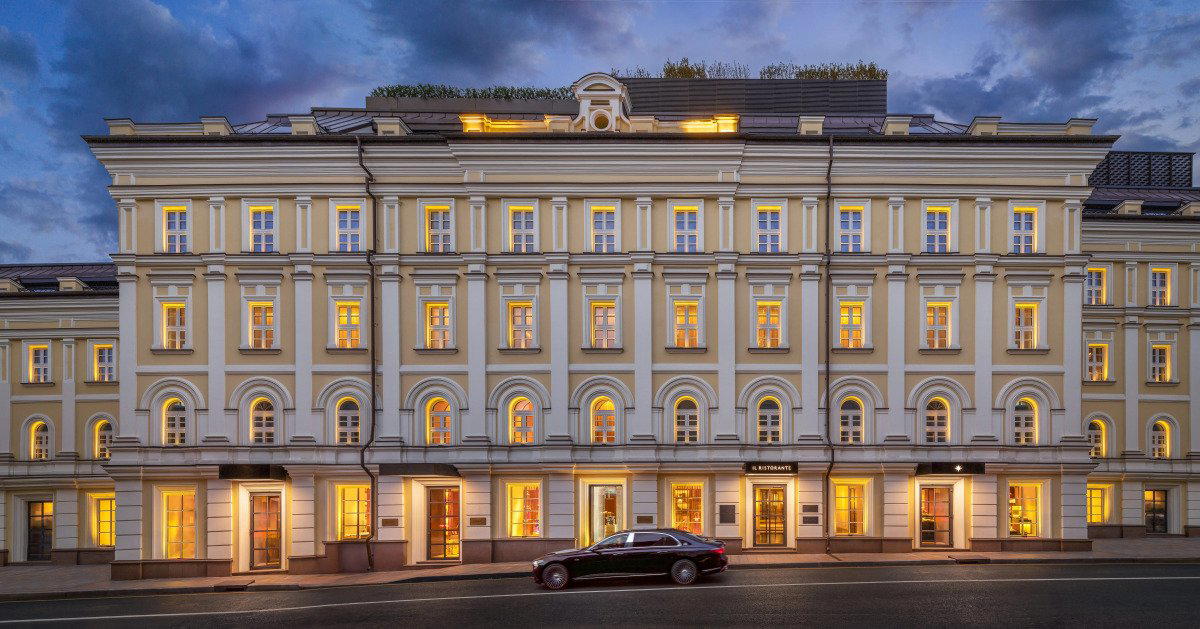
Tverskoy Boulevard moves at a different pace from the rest of central Moscow. The linden-lined median, the wide pavements, the townhouse facades, arriving at number 26A, you read the building before you read the menu. The structure dates to the late 19th century and was originally a pharmacy, and Cafe Pushkin has preserved enough of that architectural grammar, dark wood cabinetry, brass fittings, periodical-stacked reading alcoves, that the room itself functions as an argument. The argument is that Russian hospitality, properly executed, does not need to be reinvented. It needs to be maintained.
That argument carries weight in a city where the premium dining conversation has shifted substantially toward modernist formats. White Rabbit applies a contemporary Russian lens from its rooftop position above Smolenskaya Square. Twins Garden works a Modern European register with strong sustainability credentials. Varvary takes Russian cuisine into a more ingredient-led, produce-focused direction. Cafe Pushkin sits apart from all of them, not in opposition but in a different category altogether: it is a classical Russian house, and it plays that role without apology or irony.
What Keeps Regulars Returning
In Moscow's premium restaurant market, regulars are a hard metric. The city has enough new openings each season that novelty is never the binding force, loyalty has to be earned by something more durable. At Cafe Pushkin, the binding force appears to be consistency across two axes: the atmosphere, which holds its character across lunch, dinner, and the late supper hours the restaurant has long accommodated; and a kitchen that treats the pre-revolutionary Russian recipe canon as a working document rather than an archive piece.
The regulars' relationship with Cafe Pushkin tends to be institutional in the way that attachment to a long-running Parisian brasserie or a London club dining room is institutional. You know the space. You know the register of the service, formal but not cold. You know that the menu will offer you blini with traditional accompaniments, sturgeon prepared to a classical specification, and solyanka in a version that does not require explanation or reimagining. That knowability is the offer. In a dining environment where menus rotate seasonally and chef-led concepts refresh constantly, a room that offers you the same thing it offered you three years ago, and means it, occupies a niche that is harder to maintain than it looks.
For visitors to Moscow rather than established regulars, the restaurant operates as a point of orientation: a place to understand what the Russian classical table looked like before Soviet-era austerity compressed it, and what its revival looked like in the years after. The restaurant opened in 1999, placing it in the first wave of post-Soviet luxury hospitality in Moscow, when operators were investing in recreating the pre-revolutionary dining aesthetic. The restaurant has remained in that original register.
The Unwritten Menu
Any restaurant that has operated at the same address for more than two decades accumulates what might be called an unwritten menu: the dishes that regulars order without consulting the printed card, the timing adjustments made without asking, the seating preferences the floor team knows before the guest states them. At the restaurant, that unwritten menu is built around the kitchen's classical Russian repertoire, the dishes that do not change because the regulars who order them do not want them to change.
Across the Moscow premium tier, this kind of menu conservatism is rare. Aist and Accenti operate in registers that reward exploration and seasonal variation. The modernist end of the Moscow scene, from Selfie to Savva at the Metropol, is oriented around the kitchen's creative agenda. The restaurant's orientation is toward the guest's expectation, which is a fundamentally different hospitality philosophy and one that explains why its regulars are regulars rather than occasional visitors.
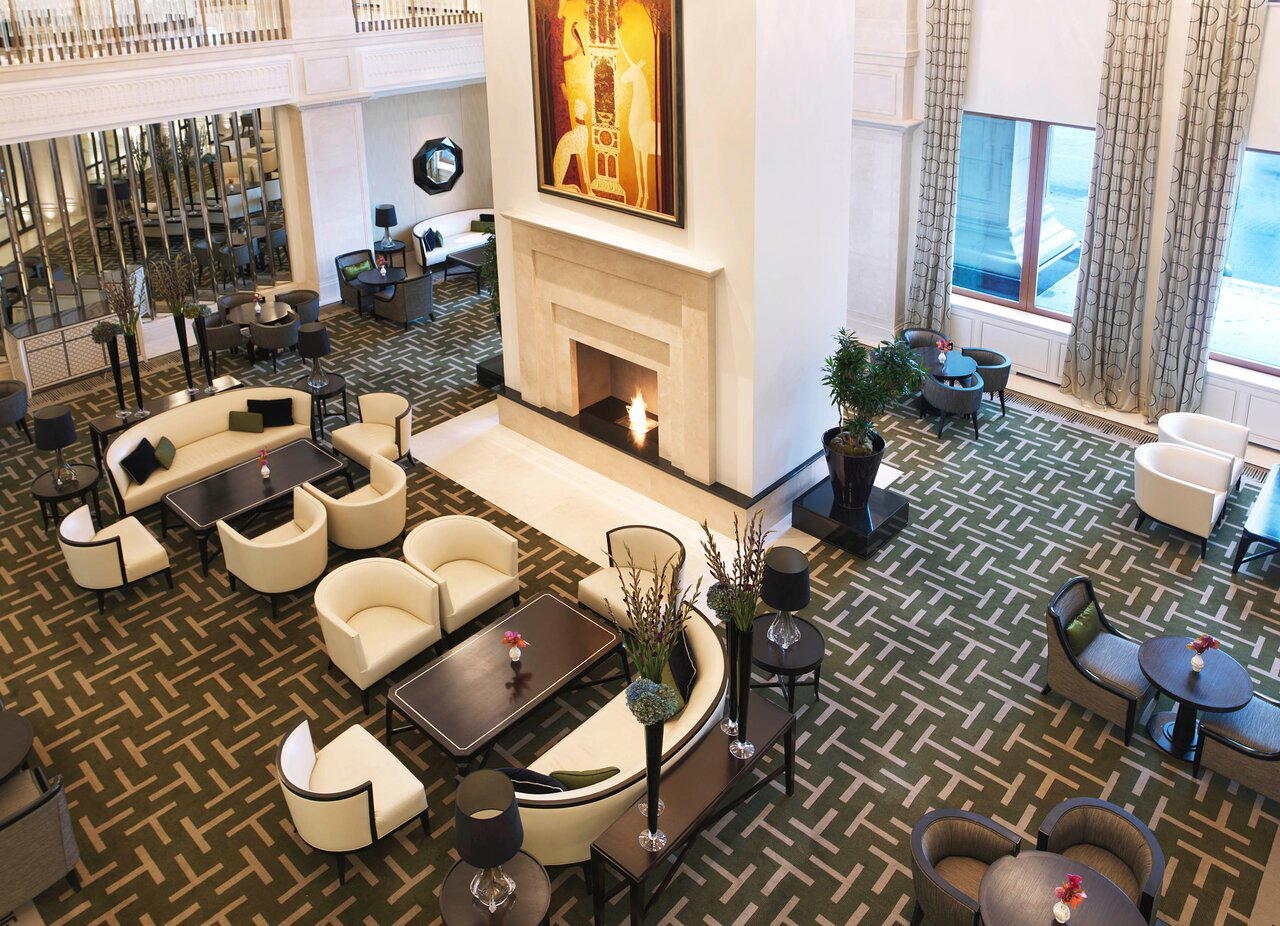
The multi-floor format of the building also contributes to this loyalty pattern. Different rooms carry different characters, the library floor, the terrace in warmer months, the pharmacy-themed ground level, and regulars often develop attachments to specific spaces within the restaurant. This internal geography gives the address the depth of a larger institution rather than a single-room restaurant, and it gives repeat visitors reasons to experience the same menu in a different register.
Cafe Pushkin in the Context of Russian Dining Nationwide
Moscow is the densest market for premium Russian cuisine, but the conversation extends well beyond the city. In Saint Petersburg, addresses like COCOCO Bistro and Birch are working the Russian ingredient canon through a contemporary filter, while Bourgeois Bohemians occupies a more eclectic position. Further afield, Leo Wine and Kitchen in Rostov and Alanskaya Kukhnya in Krasnodar represent the regional breadth of Russian culinary identity. For coastal formats, Baran-Rapan in Sochi and Primorskiy Prospekt 72 each offer their own regional anchors. SEASONS in Kaliningrad and Tsarskaya Okhota in Zhukovka add further texture to the national picture. La Colline in Bolshoye Sareyevo takes a European approach in a countryside setting.
Within this spread, the restaurant's position is specific: it is a Moscow institution oriented around the classical Russian table in its urban, pre-revolutionary form. It is not trying to do what the Saint Petersburg contemporary scene is doing, nor what the regional kitchens are doing with local ingredients. Its comparable set is the small cohort of Moscow restaurants that have held a consistent identity across multiple decades, and that cohort is smaller than it looks.
Internationally, the classical-house model that restaurant represents has parallels in formats like Le Bernardin in New York and the sustained-reputation dinner-house model exemplified by Lazy Bear in San Francisco, restaurants where the loyalty of a known clientele is itself part of the offer.
Planning Your Visit
The restaurant sits at Tverskoy Boulevard 26A, within walking distance of Pushkinskaya and Tverskaya metro stations, which makes it accessible from most central Moscow locations without a car. The restaurant operates across multiple floors and is open through lunch and dinner, with late hours that have historically made it a post-theatre or post-concert destination for Moscow's cultural calendar. For first-time visitors, the ground-floor pharmacy room is photographed space and gives the clearest read on the building's character; regulars often prefer the upper library floors for longer meals. Given the restaurant's profile and the density of Moscow's central dining market, reservations are advisable for dinner, particularly on weekends.
What It’s Closest To
Comparable venues nearby, for context on price, style, and recognition.
| Venue | Cuisine | Price | Notes |
|---|---|---|---|
| Cafe PushkinThis venue — the venue you are viewing | Classic Russian Noble Cuisine | $$$$ | Not listed |
| Savva | Modern Russian Fine Dining | $$$$ | Tverskoy |
| Twins | Modern Russian Fine Dining | $$$$ | Тверской |
| Mari Vanna | Traditional Russian Home Cooking | $$$ | Presnensky |
| Restoran TsDL | Modern Russian | $$$ | Presnensky |
| Butcher | Premium Steakhouse | $$$$ | Boulevard Ring |
At a Glance
- Classic
- Elegant
- Romantic
- Well Known
- Ornate
- Cozy
- Date Night
- Special Occasion
- Business Dinner
- Historic Building
- Extensive Wine List
Current opening hours
- Monday
- 9 AM–12 AM
- Tuesday
- 9 AM–12 AM
- Wednesday
- 9 AM–12 AM
- Thursday
- 9 AM–12 AM
- Friday
- Open 24 hours
- Saturday
- Open 24 hours
- Sunday
- Open 24 hours
Hours can change for holidays and private events. Last verified .
Antique-filled interiors evoking a 19th-century nobleman's house with dim, atmospheric lighting, rare books, and staff in period costumes creating an elegant, historic atmosphere.