Our verdict
At Saien in Hakone, Buddhist monks lead a morning breakfast ritual rooted in the shojin ryori tradition, where the meal itself is an act of meditation. The setting, deep in the mountains of the Ashigarashimo District, frames the experience as much as the food does. For travellers approaching Japanese monastic culture through the table, few settings in the Hakone area offer this kind of structured, ceremonial entry point.

Pearl is the En Primeur Club membership app, where members save venues, book tables and use the concierge.
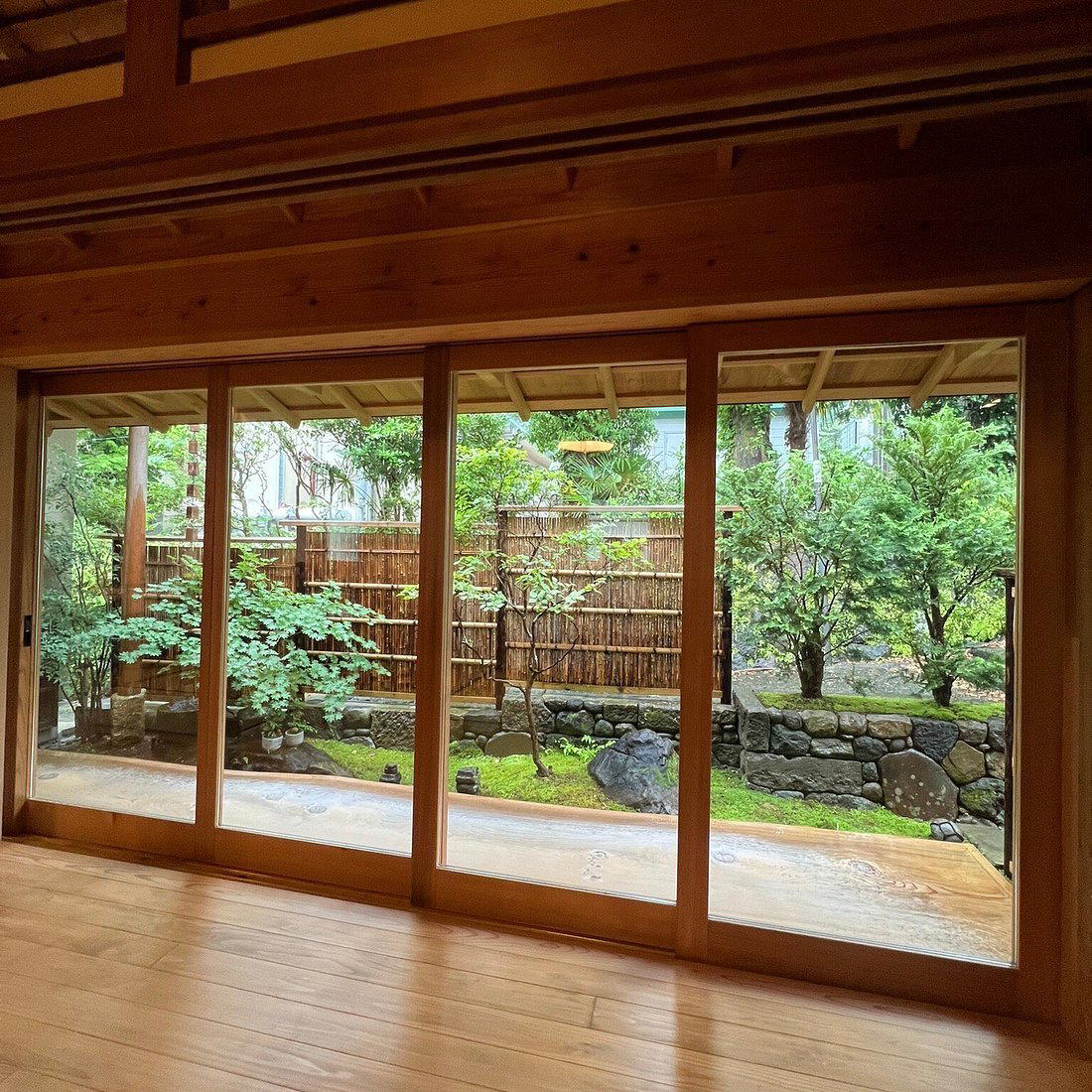
Before the Mountain Wakes
There is a particular quality to early morning in Hakone. The cedar forests hold the mist longer than the valleys below, and the temperature drops in ways that make the warmth of a room feel deliberate rather than incidental. Arriving at Saien, located in the Miyanoshita district at 310 Miyanoshita in the Ashigarashimo region of Kanagawa Prefecture, you arrive into that atmosphere before anything else. The meal comes second to the setting, which is precisely the point of shojin ryori, the centuries-old Buddhist dietary tradition that frames everything that happens here.
The Logic of a Monastic Breakfast
Shojin ryori is not simply vegetarian cooking. It is a codified practice developed within Zen Buddhism, with roots reaching back to 13th-century Japan, in which preparation, presentation, and consumption of food are understood as forms of practice rather than sustenance. The absence of meat, fish, and alliums (onion, garlic, leek, and their relatives) is not a dietary restriction in the contemporary sense but a philosophical boundary drawn around the concept of non-harm. What remains is a cuisine built almost entirely on vegetables, tofu, sesame, miso, and seasonal mountain ingredients, composed with an attention to colour, texture, and proportion that reads as aesthetic discipline.
The breakfast format is significant. In Japan's monastic tradition, morning meals carry a different weight than evening ones. They are the first deliberate act of the day, consumed in a particular order, at a particular pace, often in silence or near-silence. Saien, where Buddhist monks lead this service, preserves that ritual framework, which means the guest is not observing the tradition from outside but is structurally included in its rhythm. That is a different proposition from dining at a restaurant that draws inspiration from shojin cuisine, and it places Saien in a separate category from Hakone's broader dining scene.
Hakone's Dining Context
Hakone Machi's food offering covers a wide range of registers. At the formal end, Gōra Kadan represents kaiseki dining within a high-end ryokan setting, where multi-course precision and seasonal sourcing are the dominant logic. The Fujiya carries a different kind of historical weight, operating as one of Japan's oldest Western-style hotels and restaurants. KOBE BEEF YAKINIKU RESTAURANT-BAKATARE and 強羅 鮨 address very different cravings, one focused on the prized wagyu beef tradition, the other on sushi craft. None of these places occupies the same space as Saien. A monk-led breakfast ritual sits outside the competitive set of Hakone's restaurant scene entirely. It answers a different question: not where to eat well, but how to begin a day in Japan in a way that carries meaning beyond nutrition.
For the broader range of serious Japanese dining, venues like Gion Sasaki in Kyoto and Harutaka in Tokyo represent the high-end kaiseki and omakase traditions respectively. At the other end of the formal-casual spectrum, HAJIME in Osaka approaches Japanese ingredients through a contemporary fine-dining lens. None of these is a comparable peer to Saien, which is the point: monastic breakfast rituals exist in a category that fine dining does not touch. For travellers also spending time elsewhere in Japan, akordu in Nara and Goh in Fukuoka represent other high-quality regional dining options worth planning around.
The Ritual at the Table
In traditional shojin ryori service, dishes arrive in a prescribed sequence and are meant to be eaten in a particular order. The five-flavour principle (sweet, sour, salty, bitter, umami) and the five-colour principle (white, black or dark, red, green, yellow) guide the composition of the meal as a whole rather than any individual dish. Diners are typically expected to receive and consume each element with care, not rushing from one to the next. The posture of eating, the handling of utensils, and the relationship to the space and the monks serving the meal are all part of what is being offered. This is a format where behaviour is choreographed, gently but deliberately.
That choreography distinguishes the experience from casual travel dining in ways that matter practically. Guests should expect the pace to be slow by default, the atmosphere to be quiet, and the food to reward attention rather than appetite. Sipping tea before the meal and acknowledging the preparation with a moment of recognition before eating are conventions that carry weight in this setting. None of this requires prior knowledge of Buddhist practice, but it does require a willingness to follow a structure not set by the diner.
Planning Around the Experience
Saien is located in the Miyanoshita area of Hakone, which sits roughly in the geographic centre of the Hakone resort region, accessible by the Hakone Tozan Railway from Hakone-Yumoto Station. The breakfast format means arriving early, and most travellers visiting for the morning service will be staying nearby, either in Miyanoshita itself or in one of the adjacent areas. Given the specific timing and ceremonial nature of the offering, confirming arrangements in advance is advisable, though specific booking details are leading verified directly through the property or a local concierge, as contact information was not available at the time of writing. Dress appropriately for a quiet, contemplative environment; the atmosphere is not formal in the Western banquet sense, but it is not casual either.
For travellers building a wider itinerary across Japan's regional dining culture, venues such as 一本木 柳川制 in Nanao, 古今東西乃 in Sapporo, 湖畔庵 in Takashima, 羽根屋 in Nishikawa Machi, and Birdland in Sakai offer a sense of how regional Japanese culinary traditions extend well beyond the major urban centres. For reference across different culinary traditions entirely, Le Bernardin in New York City and Atomix in New York City represent the premium end of what formal tasting menus look like when the ritual is constructed around Western fine-dining conventions rather than monastic ones, a useful contrast. Bistro Ange in Toyohashi provides another regional Japanese reference point for those travelling through the Aichi corridor. A full picture of what Hakone Machi offers across dining formats is covered in our full Hakone Machi restaurants guide.
Frequently asked questions
Where exactly is Saien - Breakfast by Buddhist Monks?
Saien - Breakfast by Buddhist Monks is located at 310 Miyanoshita, Hakone, Ashigarashimo District, Kanagawa 250-0404, Japan, Hakone Machi.
How does a shojin ryori breakfast in Hakone differ from a standard ryokan morning meal?
A conventional ryokan breakfast in the Hakone region typically includes grilled fish, tamagoyaki, miso soup, and pickles, a format designed around comfort and balance rather than philosophical discipline. Shojin ryori, as served at Saien in Miyanoshita, removes all animal products and structures the meal around the five-flavour and five-colour principles of Zen Buddhist cooking. The result is a morning meal with a specific doctrinal logic behind every element, which places it in a different category from the standard washoku breakfast offered at most Hakone Machi properties.
What's the must-try dish at Saien - Breakfast by Buddhist Monks?
Saien operates within the shojin ryori tradition, which means the meal functions as a structured set rather than a menu of individual dishes to pick from. The practice, rooted in Zen Buddhism and codified in Japan from the 13th century onward, centres the entire sequence equally, no single dish is presented as the centrepiece. Arriving with the intention of eating in the prescribed order, rather than selecting highlights, is the point.
Do I need a reservation for Saien - Breakfast by Buddhist Monks?
Saien is located in the Miyanoshita area of Hakone, a resort region with significant visitor traffic, particularly around peak seasons and long weekends. Shojin ryori breakfast services at this level of specificity typically operate with fixed seatings and limited covers. Contacting accommodation in the Hakone area in advance is the most reliable route to securing a place.
What's Saien - Breakfast by Buddhist Monks best at?
The specific discipline here is shojin ryori, the codified vegetarian cooking tradition of Japanese Zen Buddhism, which excludes meat, fish, and pungent aromatics like alliums. Saien brings that practice to the breakfast hour, which is a narrower and more considered format than a full kaiseki or evening shojin service. That morning framing, set against Hakone's cedar-and-mist geography in Miyanoshita, gives the experience its particular character.
Can Saien - Breakfast by Buddhist Monks handle vegetarian requests?
Shojin ryori is by definition fully plant-based, no meat, no fish, no eggs in the classical form, so the vegetarian question is built into the cuisine's structure rather than an accommodation. Vegan diners will find the format naturally aligned, though the kitchen at Miyanoshita, Hakone would be the point of contact for confirming any specific dietary parameters beyond the standard practice.
Is Saien - Breakfast by Buddhist Monks worth it?
That depends on what the visitor is arriving for. Saien sits within the shojin ryori tradition, a Zen Buddhist culinary practice with a documented history stretching back to 13th-century Japan, which means the meal carries a layer of meaning that most hotel breakfasts in the Hakone Machi area do not. For travellers who want to understand Japanese contemplative culture through its food, this is a direct encounter with a living practice, not a themed approximation.
Cuisine and Recognition
Comparable venues nearby, for context on price, style, and recognition.
| Venue | Cuisine | Price | Awards | Notes |
|---|---|---|---|---|
| Saien - Breakfast by Buddhist MonksThis venue (the venue you are viewing) | Shojin Ryori (Buddhist Vegetarian) | Not listed | Not listed | Not listed |
| å¼·ç¾ é®¨ | Seasonal Japanese Sushi | $100–150 | Not listed | Hakone Machi |
| Gōra Kadan | Kaiseki Japanese Cuisine | $500+ | Relais Chateaux Award | Gora |
| KOBE BEEF YAKINIKU RESTAURANT-BAKATARE | Kobe Beef Yakiniku | Not listed | Not listed | Hakone-machi |
| The Fujiya | Classical French | $100–150 | Tabelog 100 #11 | Hakone-machi |
| Maruyoshi Shokudo | Traditional Miyako Soba | $10–20 | Not listed | Gusukube |
Continue exploring
More in Hakone
Restaurants in Hakone
All restaurants in Hakone →
Bars in Hakone
Browse all →
Hotels in Hakone
All hotels in Hakone →
Wineries in Hakone
Browse all →
Details
- Quiet
- Cozy
- Rustic
- Intimate
- Scenic
- Solo
- Special Occasion
- Historic Building
- Sake Program
- Set Menu
- Vegetarian Friendly
Current opening hours
- Monday
- 8–10 AM
- Tuesday
- Closed
- Wednesday
- 8–10 AM
- Thursday
- 8–10 AM
- Friday
- 8–10 AM
- Saturday
- 8–10 AM
- Sunday
- 8–10 AM
Hours can change for holidays and private events. Hours as of .
Peaceful and tranquil atmosphere in a charming renovated old private home, evoking the spirit of traditional Japan.