Our verdict
Gora's Elevation, Grounded in What the Region Grows The road into Gora climbs steadily from Hakone-Yumoto, the valley air cooling as cedar and bamboo close in along the roadsides. By the time you reach the upper reaches of this mountain resort...

Pearl is the En Primeur Club membership app, where members save venues, book tables and use the concierge.
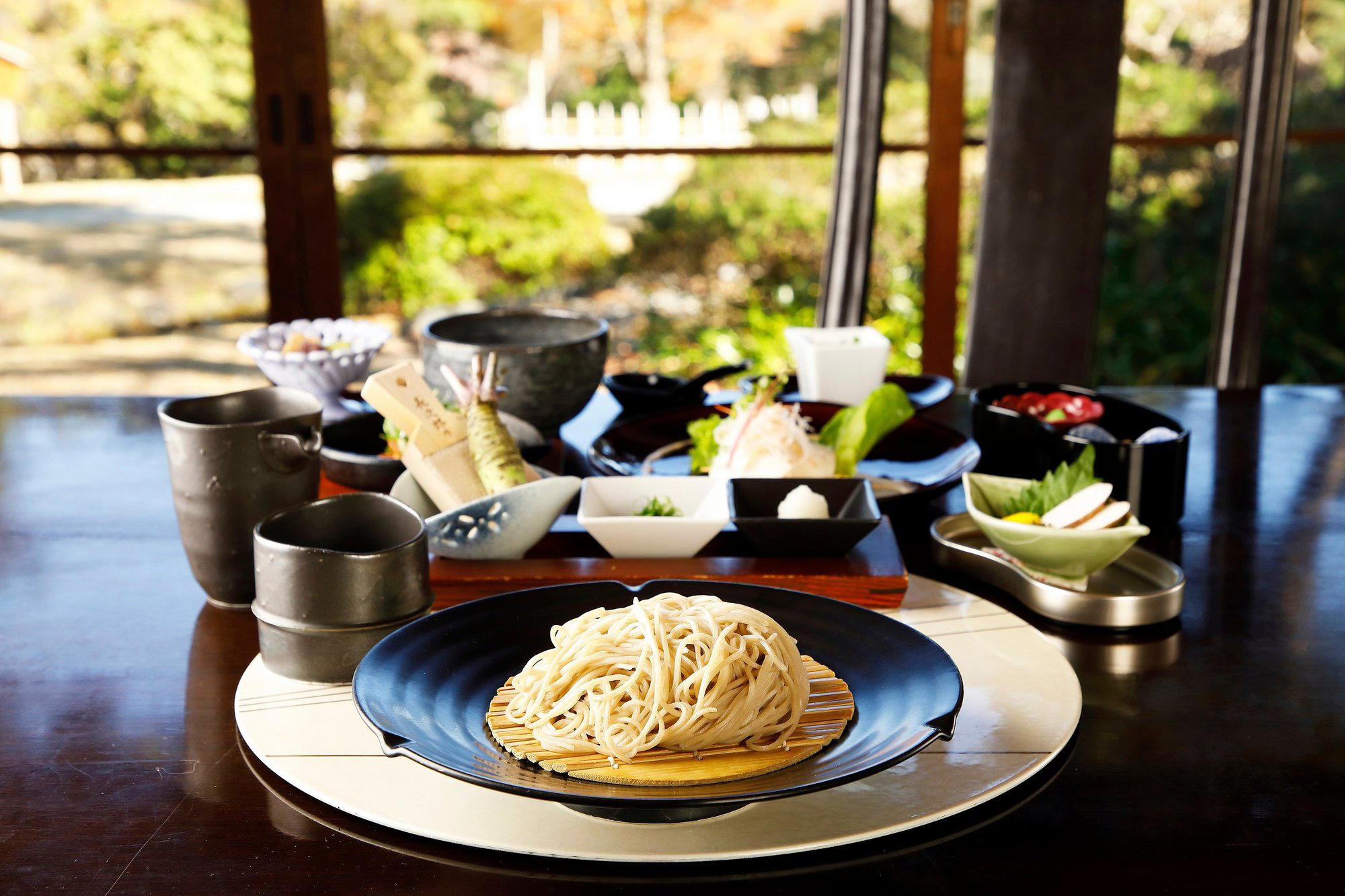
Gora's Elevation, Grounded in What the Region Grows
The road into Gora climbs steadily from Hakone-Yumoto, the valley air cooling as cedar and bamboo close in along the roadsides. By the time you reach the upper reaches of this mountain resort town, the sense of remove from Tokyo's density is complete. It is in this register, where altitude and agricultural proximity intersect, that kaiseki and ryokan dining in Hakone find their most coherent expression. Kyoshokuan occupies that register at 1300-693 Gora, set within a range of volcanic soil and mountain streams that has shaped the local larder for centuries.
Gora sits roughly 750 metres above sea level, close enough to Odawara's coastal markets and the farmland of the Kanagawa interior that the sourcing question here is not an aspiration but a geographic reality. The proximity matters because mountain resort dining in Japan's onsen towns has historically split between two models: properties that airlift prestige ingredients from Tsukiji or Toyosu without reference to place, and those that build their menus around what grows or moves within reach. The latter approach, when done with discipline, produces cooking that reads differently on the palate, rooted to the specific mineral character of Hakone's spring water and the seasonal rhythms of the Fuji-Hakone-Izu region.
The Ingredient Logic Behind Hakone's Mountain Tables
Kanagawa Prefecture's agricultural output includes Miura daikon, Hadano pork, and a range of mountain vegetables harvested from the higher elevations around the Hakone caldera. The proximity to Sagami Bay also means access to day-boat seafood from Odawara, a fishing port with a particular reputation for himono, the region's dried fish tradition. When a kitchen in Gora engages seriously with this geography, the menu becomes a kind of seasonal map: spring brings sansai (foraged mountain vegetables) in tempura or as a simple dressed side; summer sees sweetfish from nearby rivers; autumn introduces matsutake where supply permits; winter folds in local citrus and root vegetables.
This sourcing pattern is not unique to Hakone but it is particularly legible here, because the town's isolation from urban supply chains makes the choice more deliberate. Dining in this part of the mountains, whether at Kyoshokuan or at the broader tier of Gora restaurants, means reading what the cook chose to source as an implicit statement about what they think their kitchen should be doing. That interpretive layer is part of what makes onsen town kaiseki more interesting than the format's urban equivalents, where the competitive pressure to use Wagyu A5 or imported truffle can flatten regional distinctiveness.
Comparable properties in Hakone's upper dining tier, including Gōra Kadan and the historic The Fujiya, operate within the same geographic sourcing radius while occupying different price and format brackets. KOBE BEEF YAKINIKU RESTAURANT-BAKATARE and Saien - Breakfast by Buddhist Monks represent the spectrum further, from protein-centred yakiniku to the temple breakfast tradition, which is arguably the purest expression of regional and seasonal discipline in the entire category. Kyoshokuan positions itself within this competitive set, where the sourcing conversation is already well-established rather than exceptional.
The Setting as Context, Not Backdrop
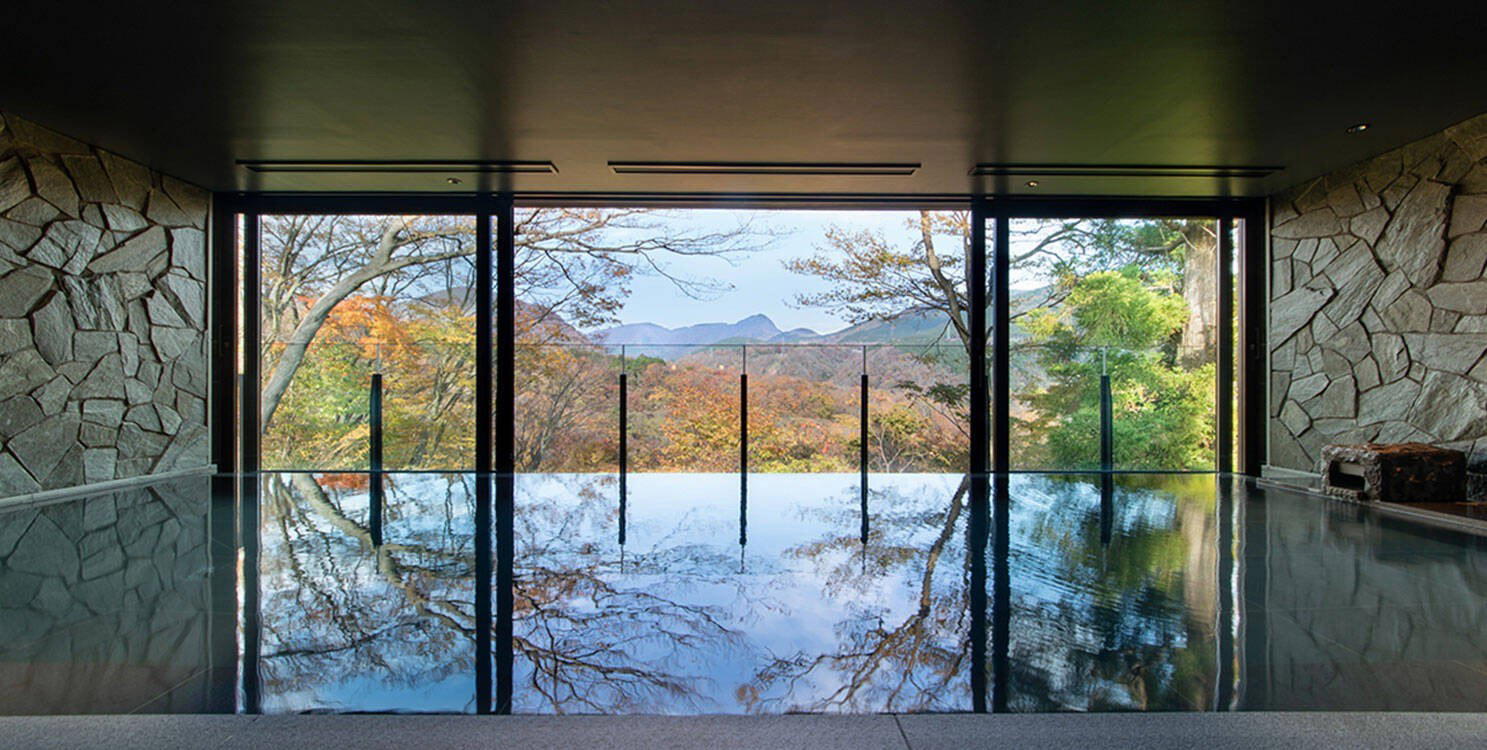
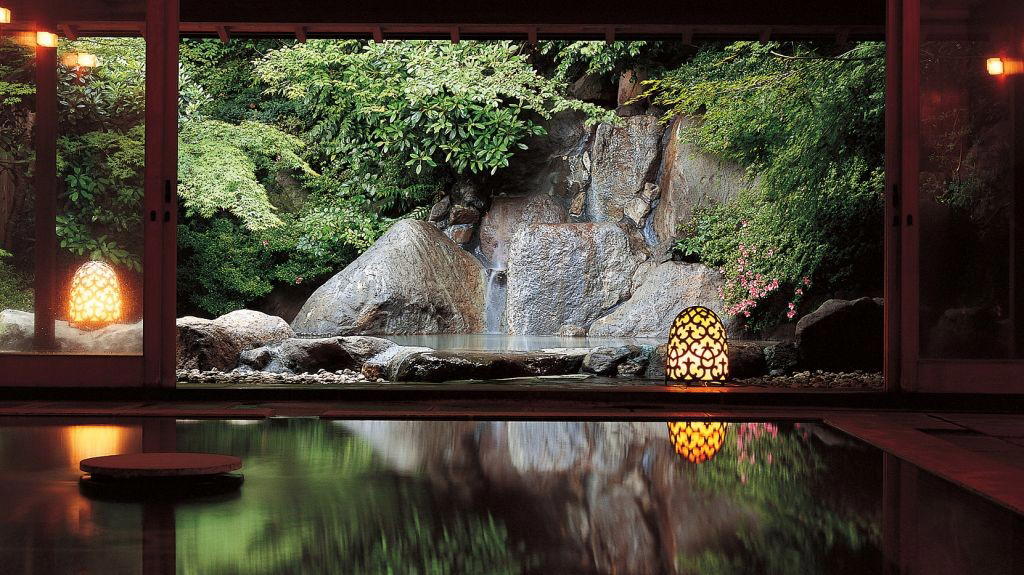
Mountain ryokan dining in Japan is never incidental to the physical environment. The room, the garden view if there is one, the sound or silence of the surroundings, the temperature differential between the outdoor air and the warmed interior all function as components of the meal rather than decoration around it. Gora's elevation and its position within the Fuji-Hakone-Izu National Park mean that even a modest dining room here carries spatial weight that a city restaurant cannot replicate through interior design alone.
The structural logic of kaiseki as a format reinforces this. The sequence of small courses, each calibrated to temperature, texture, and the seasonal calendar, is designed to be consumed slowly, in a state of attention that the ryokan setting actively supports. This is why the format has such strong geographic associations with places like Kyoto, Hakone, and the Noto Peninsula, where the rhythm of a stay naturally accommodates the pace of a multi-course meal. For comparison, kaiseki in urban environments, including the high-precision counters represented by venues like Gion Sasaki in Kyoto or the contemporary expressions at HAJIME in Osaka, operates under different conditions, where the cook must create that atmosphere from scratch rather than inheriting it from the location.
Positioning Within the Broader Japan Dining Circuit
Hakone functions as a day trip or overnight destination for Tokyo visitors, and its dining ecosystem is calibrated accordingly. The town does not sustain the kind of destination-restaurant pilgrimage that brings travellers to Kyoto specifically for a table at a named counter, but it does offer something the city cannot: the integration of meal, bath, and mountain environment into a single experience. This integration explains why visitors who engage seriously with Japan's food culture often build Hakone into a wider itinerary that might include Harutaka in Tokyo for sushi or akordu in Nara for a different register of Japanese hospitality.
Within Hakone itself, Gora occupies the upper end of the town's geography and its dining register. The cable car and funicular infrastructure that connects Gora to the lower town and to Owakudani means accessibility is not the limiting factor for visitors. The limiting factor is typically booking lead time for sought-after ryokan tables, particularly during autumn foliage season in October and November, and the spring cherry blossom window in late March and early April, when demand across all Hakone accommodation and dining spikes considerably.
Japan's wider regional dining conversation includes strong voices from places well beyond the established Michelin corridors. Goh in Fukuoka, 一本木 皆川製 in Nanao, and 奥羽山荘 in Nishikawa Machi all illustrate how seriously Japan's mountain and regional food culture takes sourcing as a primary value, not a marketing instrument. Hakone sits within that national tradition even if it lacks the critical mass of Kyoto or the density of Tokyo. For a fuller picture of what the town's dining circuit covers, see our full Hakone Machi restaurants guide.
Further afield, the contrast with precision urban programs, whether Le Bernardin in New York City for the serious seafood parallel or Atomix in New York City for Korean-led fine dining at comparable ambition levels, underscores what Hakone's mountain tables offer that no city counter can: an environmental argument for the food that arrives in front of you. The ingredient sourcing in Gora is inseparable from the geography of Gora. That is the point, and it is a harder thing to manufacture than any number of Michelin-starred techniques. Regional kitchens in Japan's onsen towns that understand this tend to produce more coherent meals than those chasing borrowed prestige.
Kyoshokuan sits within this tradition. The practical logistics of visiting, including booking approach, seasonality considerations, and positioning relative to Gora's other dining options, are worth confirming directly with the property or through a travel specialist, given the limited public-facing detail available. For context on how regional Japanese kaiseki operates within a broader Japan itinerary, 古代仙人乃 in Sapporo, 湖畔荘µ in Takashima, Birdland in Sakai, and Bistro Ange in Toyohashi each represent distinct regional expressions worth mapping against what Hakone offers.
Frequently asked questions
Can I bring kids to 強羅飯?
Mountain kaiseki venues in Gora, Hakone generally observe a quiet, unhurried pace that can be difficult for young children. 強羅飯 sits in the Gora district at 1300-693 Gora, an address associated with traditional ryokan dining culture. Families with older children who are comfortable with extended multi-course meals are better placed than those with toddlers. check the venue's official channels to confirm any age policies before booking.
Where is å¼·ç¾ é®¨ in Hakone Machi?
å¼·ç¾ é®¨ is located at 1300-693 Gora, Hakone, Ashigarashimo District, Kanagawa 250-0408, Japan, Hakone Machi.
Do I need a reservation for å¼·ç¾ é®¨?
Reservations are recommended for å¼·ç¾ é®¨ in Hakone Machi. Confirm current policy via the venue's official channels.
What kind of setting is 強羅飯?
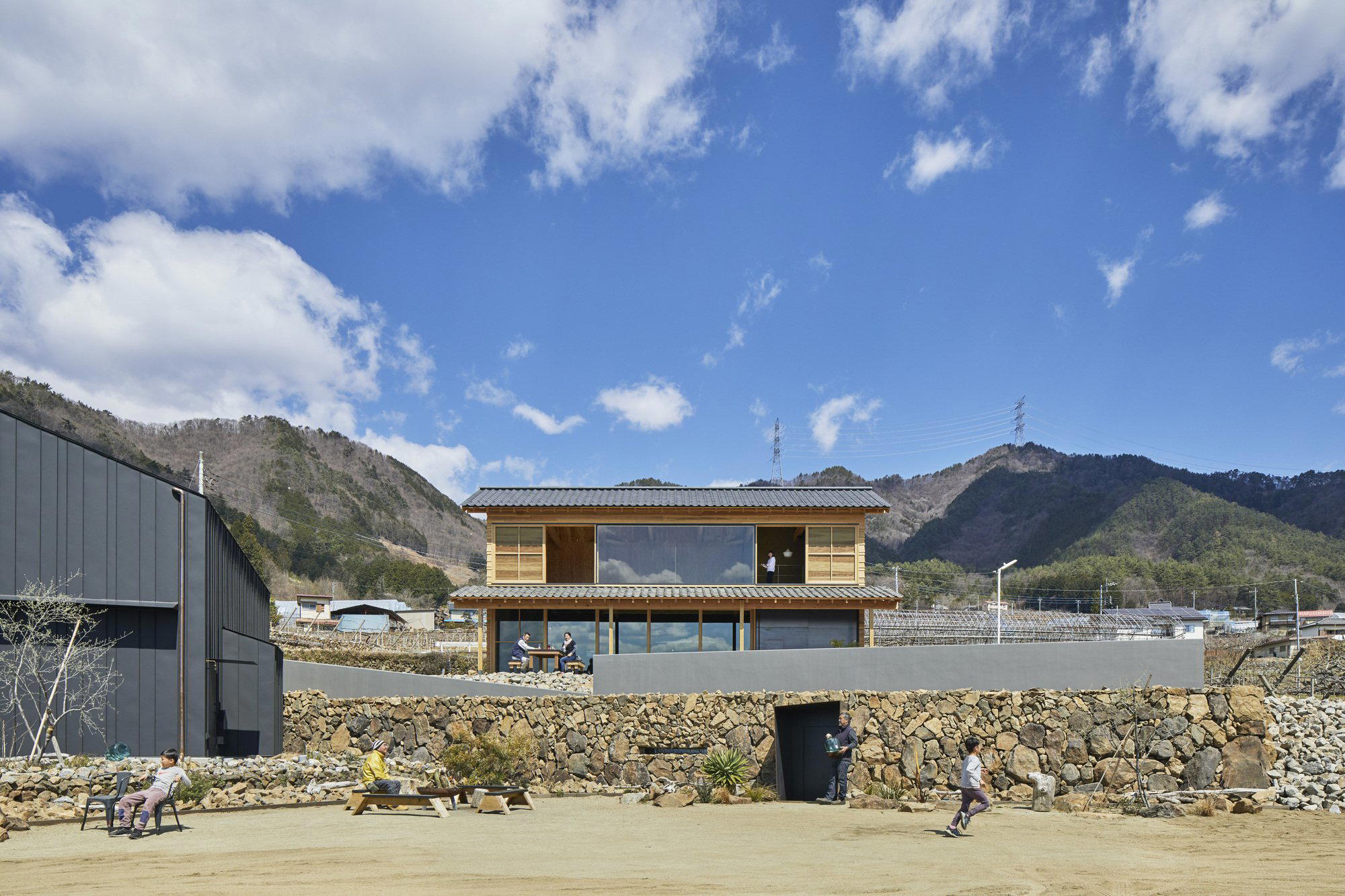
強羅飯 occupies a mountain address in Gora, the upper residential and onsen zone of Hakone reached by the Hakone Tozan Railway. The setting is characteristic of Gora's ryokan corridor, cedar and bamboo line the approach roads and the altitude keeps temperatures noticeably cooler than the valley below. Dining here is calibrated to the physical environment, with the surrounding landscape functioning as context rather than decoration.
Comparison Snapshot
| Venue | Cuisine | Price | Awards |
|---|---|---|---|
| å¼·ç¾ é®¨This venue (the venue you are viewing) | Seasonal Japanese Sushi | $100–150 | Not listed |
| Gōra Kadan | Kaiseki Japanese Cuisine | $500+ | Relais Chateaux Award |
| KOBE BEEF YAKINIKU RESTAURANT-BAKATARE | Kobe Beef Yakiniku | Not listed | Not listed |
| Saien - Breakfast by Buddhist Monks | Shojin Ryori (Buddhist Vegetarian) | Not listed | Not listed |
| The Fujiya | Classical French | $100–150 | Tabelog 100 #11 |
Continue exploring
More in Hakone
Restaurants in Hakone
All restaurants in Hakone →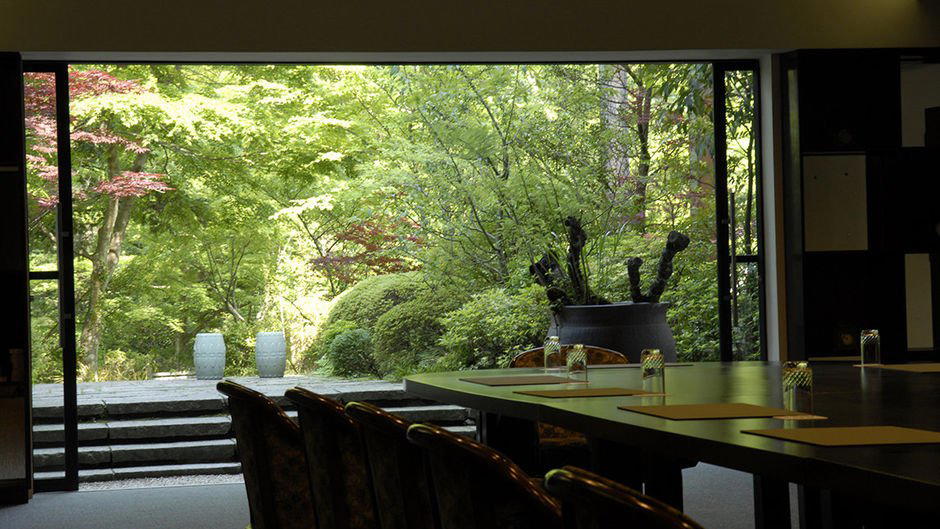
Bars in Hakone
Browse all →
Hotels in Hakone
All hotels in Hakone →
Wineries in Hakone
Browse all →
Details
- Intimate
- Elegant
- Quiet
- Sophisticated
- Date Night
- Special Occasion
- Celebration
- Chefs Counter
- Standalone
- Sake Program
- Beer Program
- Local Sourcing
- Mountain
- Set Menu
- Counter Dining
- Sake
- Beer
- Wine
- Champagne
- Pescatarian Friendly
A refined adult hideaway set in Hakone’s forested Gora area, with a calm, intimate counter-focused atmosphere and traditional Japanese aesthetic.