Sagamihara Keyaki

Sagamihara Keyaki belongs to Kanagawa’s serious ramen circuit rather than the casual station-snack category. Its Tabelog 100 Ramen Kanagawa 2025 selection, compact 10-seat format, and local-ingredient framing make it a focused stop for diners reading Sagamihara through its bowls, not just its commuter geography.
Pearl is the En Primeur Club membership app — saves, bookings, and concierge access live there. Same editors, same standards.
- Address
- 4 Chome-1-33 Sonan, Minami Ward, Sagamihara, Kanagawa 252-0312, Japan
- Phone
- +81 42-747-0139
- Website
- keyaki-sagamihara.com
 Saves & bookings on Pearl
Approaching a small ramen room in Sagamihara changes the meal’s scale before a bowl arrives. The city sits in Kanagawa’s inland commuter belt, where ramen shops work harder for attention than addresses in Yokohama or central Tokyo. The appeal is not spectacle, but the discipline of a compact room, a short menu rhythm, and the sense that local identity can be expressed through broth, noodles, tare, and sourcing rather than decoration.
Sagamihara Keyaki fits that inland Kanagawa pattern with unusual clarity. Tabelog selected it for the Ramen Kanagawa Tabelog 100 in 2025, after earlier selections in the broader Ramen East field, placing the shop in a competitive group where repeat recognition matters more than novelty. For travelers, that matters: ramen in Japan is crowded with queues, rankings, and folklore, and repeated specialist-list presence is a useful filter when choosing a single meal outside the central Tokyo orbit.
Local ingredients make the Sagamihara bowl more than a station-area ramen stop
Ramen’s regional grammar is often discussed through famous styles: Sapporo miso, Hakata tonkotsu, Kitakata shoyu, Yokohama iekei. Sagamihara does not carry the same shorthand abroad, so sourcing becomes the more interesting lens. A bowl described around ingredients from Sagamihara asks diners to read the city through produce, seasoning choices, and the kitchen’s relationship with its immediate surroundings, rather than as a replication of a nationally known style.
That makes Sagamihara’s dining identity useful. The city has enough density to sustain specialist shops, but it does not depend on the constant tourist flow that shapes ramen behavior in central Tokyo. Here, ingredient choices can speak to regular customers as much as visitors. A ramen counter using a local frame is not adding provenance for effect; it is arguing that suburban Kanagawa has material worth tasting on its own terms.
The award context reinforces that point. The 2025 Tabelog 100 Ramen Kanagawa field separates the prefectural conversation from the older East-wide grouping, which matters for diners comparing local ramen rather than chasing national fame. Within Sagamihara, ramen runs in different directions: Iekei Ramen Kukkura sits in the Yokohama-born iekei orbit, while Ganso Ichijoryu Ganko Sohonke Bunten points toward another specialist lineage. Sagamihara Keyaki’s local-ingredient angle gives it a separate reason to be in the discussion.
Kanagawa ramen rewards precision over luxury signals
The economics of serious ramen remain part of its appeal. In Sagamihara, a recognized ramen shop can share the dining map with higher-spend categories without making the meal formal. Yakiniku Hasegawa occupies a different register in the city’s dining field, while Ramen Jiro Sagami oono ten shares a more comparable casual price band but belongs to another cultural appetite: volume, rules, and a devoted subculture. The useful comparison is not which shop is superior, but what kind of ramen literacy each demands.
At a counter-led ramen shop, capacity affects the experience as much as recipe. Ten seats, with six at the counter and a single table for four, means turnover and timing shape the meal. Reservations are not part of the format, so the queue is the social contract. This is common in serious ramen culture, but especially important outside tourist corridors: the meal is inexpensive by premium-travel standards, yet the commitment is paid in attention, patience, and arriving with a clear sense of the format.
The room’s scale also makes the sourcing angle legible. A large restaurant can blur ingredient identity under service choreography; a ramen shop has fewer places to hide. Broth structure, noodle choice, seasoning balance, toppings, and service temperature carry the argument. Without confirmed dish names to lean on, the safer reading is categorical: this is ramen treated as local expression rather than generic convenience meal.
For readers building a wider Sagamihara itinerary, that distinction helps. Curry no Mise Maboroshi shows another specialist path in the city, while Jikaseimen Nichome Ramen and Kaigara Ya broaden the local noodle map. A diner using our full Sagamihara restaurants guide should think in clusters rather than trophies: ramen, curry, yakiniku, and regional casual dining all reveal different parts of the city’s appetite.
How to place it in a broader Japan eating day
Sagamihara does not need to imitate Tokyo to justify a meal. Its value for a traveler is comparative: it shows how serious everyday food behaves in a suburban Japanese setting, where a small room can earn repeated recognition without the machinery of international fine dining. That makes Sagamihara Keyaki a sharper choice for diners who want ramen as craft and local signal, not as a checklist item between bigger reservations.
The planning logic is simple. Treat this as a focused ramen stop, not a long lunch. Build the rest of the day around nearby food and low-friction movement rather than a destination restaurant ritual. For lodging and non-restaurant context, our full Sagamihara hotels guide, our full Sagamihara bars guide, our full Sagamihara wineries guide, and our full Sagamihara experiences guide are better used as supporting maps than reasons to overload the schedule.
Seen against Japan’s wider casual-dining range, the shop belongs to the category where narrow focus carries more weight than menu breadth. That principle appears differently at -Grilled beef Sukiyaki- KAMAKURA TANUKIAN 鎌倉 たぬき庵 in Kamakura. 鮪と炭火焼き うお炭 秋葉原店 in Tokyo.cafe in Osaka.know in Kumamoto, (Shoku) Vietnam in Kawasaki, and [Curry Senmon Ten] Maruyama Kyoju. in Sapporo. Outside Japan, Jōdo Saké Bar in Los Angeles and Onigiri Time in Pasadena show how Japanese formats travel, adapt, and narrow their focus for different audiences.
The editorial read is direct: the restaurant is for diners who value ramen’s local intelligence. The draw is not luxury coding, celebrity biography, or a sprawling menu. It is how a small Kanagawa shop uses ramen to make Sagamihara taste specific.
In Context: Similar Options
Comparable venues by cuisine and price in the same metro.
| Venue | Cuisine | Price | Notes |
|---|---|---|---|
| Sagamihara KeyakiThis venue — the venue you are viewing | Modern Japanese Ramen | $$ | Not listed |
| Yakiniku Hasegawa | Traditional Yakiniku (Japanese BBQ) | $$ | Minami-ku, Sagamihara |
| Jikaseimen Nichome Ramen | Homemade Noodle Ramen Shop | $$ | Hashimoto |
| Ganso Ichijoryu Ganko Sohonke Bunten | Classic Japanese Ramen Shop | $ | Midori Ward, Sagamihara |
| Soi Gapao Soigapao Thai | Authentic Thai Restaurant | $$ | Sagami-Ono |
| Nikuniboshi Chuka Soba Suzuki Ramen Ten | Japanese Ramen | $ | Minami Ward, Sagamihara City |
Recognition history
Dated appearances from independent guides and award organizations, with the underlying list record or original source where available.
Tabelog 100 #85 · No. 85
Tabelog · Tabelog 100 - Ramen - KANAGAWA - 2025
Continue exploring
More in Sagamihara
Restaurants in Sagamihara
Browse all →
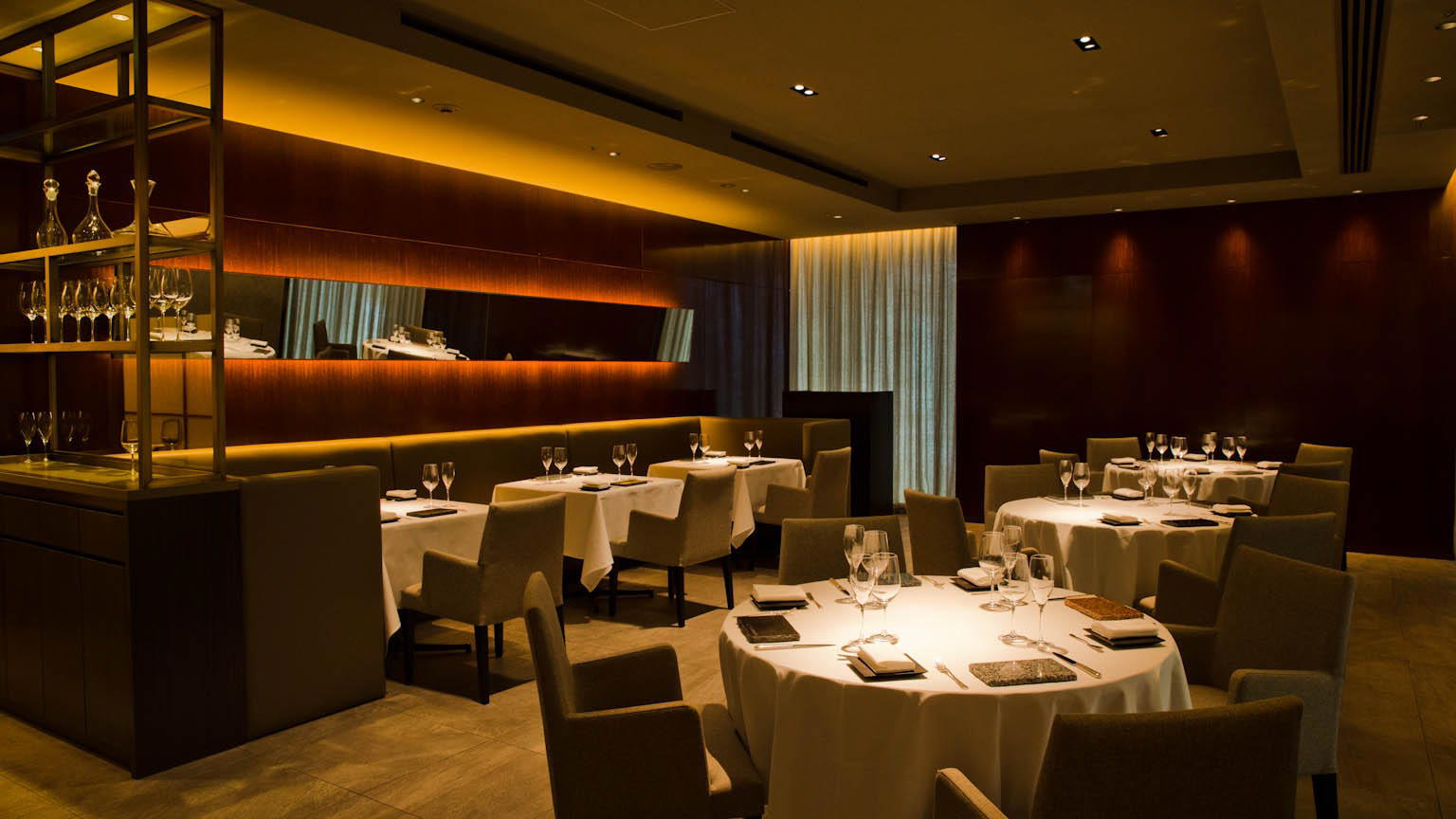

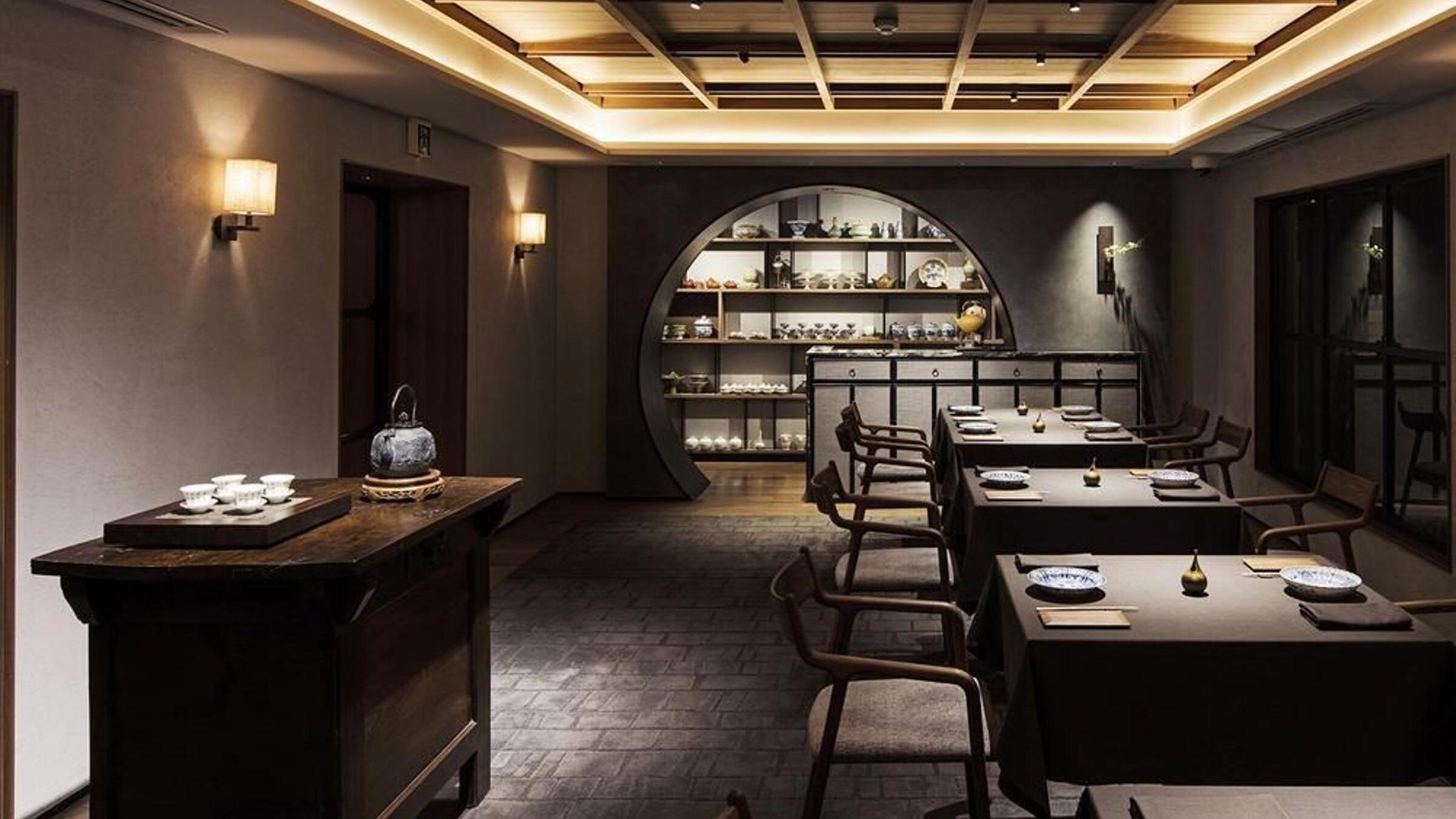

Bars in Sagamihara
Browse all →




Hotels in Sagamihara
Browse all →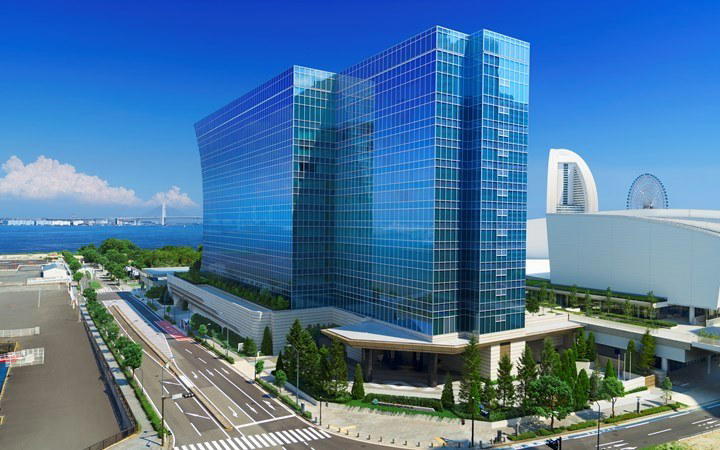



Wineries in Sagamihara
Browse all →
At a Glance
- Cozy
- Modern
- Solo
- Casual Hangout
- After Work
- Chefs Counter
- Standalone
- Local Sourcing
Current opening hours
- Monday
- 11 AM–3 PM, 6–9 PM
- Tuesday
- 11 AM–3 PM, 6–9 PM
- Wednesday
- 11 AM–3 PM
- Thursday
- Closed
- Friday
- 11 AM–3 PM, 6–9 PM
- Saturday
- 11 AM–3 PM, 6–9 PM
- Sunday
- 11 AM–3 PM, 6–9 PM
Hours can change for holidays and private events. Last verified .
Clean, counter-focused space with a relaxed, cozy feel and friendly, attentive service; the atmosphere is lively but comfortable, emphasizing craftsmanship and hospitality over decor.