Ganso Ichijoryu Ganko Sohonke Bunten

A compact counter ramen shop in Sagamihara, Ganso Ichijoryu Ganko Sohonke Bunten belongs to Kanagawa’s serious ramen circuit rather than the tourist map. Its Tabelog Ramen KANAGAWA 100 selections in 2024 and 2025 place it among the prefecture’s closely watched noodle rooms, with a low-price, solo-friendly format that rewards diners who value ramen craft over ceremony.
Pearl is the En Primeur Club membership app — saves, bookings, and concierge access live there. Same editors, same standards.
- Address
- 神奈川県相模原市緑区向原4-2-3 コピオ相模原インター店 1F
- Phone
- +81427853710
- Website
- tabelog.com
 Saves & bookings on Pearl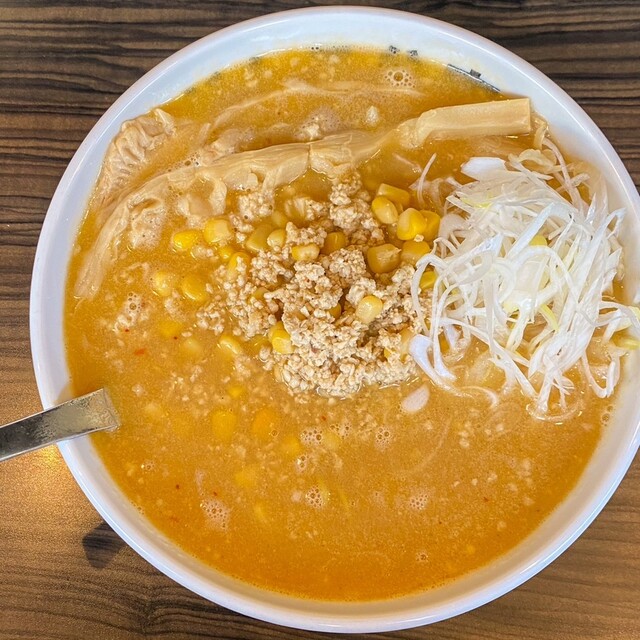
Approaching a suburban ramen counter in Sagamihara is not like crossing Tokyo for a chef-led tasting room. The cues are quieter: a shopping-complex address, compact room, clatter of bowls, and counter seats turning over with little drama. This is where Kanagawa’s ramen culture does some of its sharper work, away from the capital’s queue theatre and closer to everyday habits that keep ramen honest.
Ganso Ichijoryu Ganko Sohonke Bunten fits that world with a narrow, disciplined format: ramen, counter seating, no private-room gloss, and a reputation strong enough for selection in Tabelog Ramen KANAGAWA 100 in both 2024 and 2025. That matters because ramen in Japan is judged less by service polish than by balance, sourcing logic, and whether the bowl justifies repeat visits from locals with dozens of alternatives within rail distance.
Kanagawa ramen, judged by the bowl rather than the room
Kanagawa’s ramen scene has long been shaped by commuter geography. Yokohama’s dense ramen culture, inland suburbs, road-access shops, and station-adjacent counters compete for regulars who know a bowl built for novelty from one built for routine. Sagamihara adds its own rhythm: less destination gloss than central Tokyo, more reliance on local diners, family traffic, solo meals, and practical pricing.
That context explains why recognition from a ramen-specific Kanagawa list carries weight. The award places Ganso Ichijoryu Ganko Sohonke Bunten in a prefectural conversation, not a generic dining one. It is not measured against kaiseki rooms or hotel restaurants; it is measured against ramen specialists where broth structure, noodle handling, seasoning, and sourcing discipline do the reputational work.
Ingredient sourcing is central to the category. Ramen shops rarely read like farm-to-table restaurants, yet the bowl depends on procurement decisions at every stage: bones, dried seafood, soy seasoning, fat, wheat, and aromatics. Even when a menu does not publicize producers, credibility comes from assembling those components into something repeatable. In this tier, sourcing is not a decorative story. It is the operating system.
Sagamihara diners will find a range of specialist lanes. Jikaseimen Nichome Ramen works in a higher listed price band, while Iekei Ramen Kukkura points toward the region’s richer Yokohama-style lineage. Kaigara Ya and Menya Ayumu broaden the local ramen map, while Curry no Mise Maboroshi shows how Sagamihara’s casual dining strength extends beyond noodles. The useful comparison is not luxury versus economy. It is how much intent a low-cost meal can carry.
A counter format that suits serious solo dining
The counter is ramen’s natural stage because it strips away anything that can obscure the work. A small seating count changes the pace: bowls leave the kitchen in focused bursts, diners eat with minimal delay, and service is built around efficiency rather than lingering. For a ramen room, that is not austerity. It is the form doing what the cuisine asks.
Casual does not mean careless. A recognized ramen shop at this scale must deliver consistency under pressure, especially when reservations are not part of the model. The room’s informality makes it accessible, but the award history signals a stricter standard than the setting might suggest. For travelers equating Japanese dining seriousness with omakase counters and long reservation windows, Sagamihara offers a correction: disciplined cooking can happen in short visits, at everyday prices, with no ceremony.
There is no named chef narrative to lean on here, and that is appropriate. Ramen culture is often built on shop identity, style lineage, and the bowl itself rather than a public-facing chef biography. The absence of a personality-driven story keeps attention on execution. In a category crowded with origin myths and brand branches, that restraint can clarify.
For a broader city read, Our full Sagamihara restaurants guide is the useful starting point. Visitors building a longer stay can pair it with Our full Sagamihara hotels guide, Our full Sagamihara bars guide, Our full Sagamihara wineries guide, and Our full Sagamihara experiences guide. The city rewards practical planning more than grand itineraries: one strong bowl can anchor a day moving between transit, neighborhoods, and low-key local eating.
Where it fits in a wider Japanese casual-dining itinerary
For travelers mapping casual Japanese meals beyond Sagamihara, the point is not sameness. A ramen counter in Kanagawa, a curry specialist in Hokkaido, and a sake bar in Los Angeles reveal different ideas of everyday precision. The connective tissue is format: a narrow proposition, a clear reason to exist, and enough discipline to make the meal feel authored without becoming theatre.
Comparisons across categories can be useful when handled carefully. [Curry Senmon Ten] Maruyama Kyoju. in Sapporo belongs to a different cuisine, but shares the specialist-shop logic. (Shoku) Vietnam in Kawasaki reflects how regional Japanese cities absorb non-Japanese casual formats into local routines. In the United States, Jōdo Saké Bar in Los Angeles and Onigiri Time in Pasadena show how Japanese drinking and snack formats translate abroad, often with a different cost structure and a stronger explanatory burden.
Within Japan, the same itinerary might swing from ramen to beef, seafood, café culture, or contemporary bar dining. -Grilled beef Sukiyaki- KAMAKURA TANUKIAN 鎌倉 たぬき庵 in Kamakura. 鮪と炭火焼き うお炭 秋葉原店 in Tokyo.cafe in Osaka, and.know in Kumamoto sit in different registers, but frame the same decision: choose places where the format is legible and the meal has a clear center of gravity.
For Ganso Ichijoryu Ganko Sohonke Bunten, that center of gravity is ramen as compact, ingredient-dependent craft. The draw is not a long meal or decorated room. It is seeing how far a suburban Kanagawa counter can push a bowl within a restrained format, backed by repeat Tabelog ramen recognition and a local dining culture that does not reward empty theatrics.
How It Stacks Up
Comparable venues by cuisine and price in the same metro.
| Venue | Cuisine | Price | Notes |
|---|---|---|---|
| Ganso Ichijoryu Ganko Sohonke BuntenThis venue — the venue you are viewing | Classic Japanese Ramen Shop | $ | Not listed |
| Kaigara Ya | Shellfish-focused ramen shop | $ | Fuchinobe |
| Iekei Ramen Kukkura | Iekei (Yokohama-style) Ramen | $ | Sagami Ono |
| Sagamihara Keyaki | Modern Japanese Ramen | $$ | Minami-ku, Sagamihara |
| Curry no Mise Maboroshi | Japanese Curry House | $ | Chuo, Sagamihara |
| Jikaseimen Nichome Ramen | Homemade Noodle Ramen Shop | $$ | Hashimoto |
Recognition history
Dated appearances from independent guides and award organizations, with the underlying list record or original source where available.
Tabelog 100 #77 · No. 77
Tabelog · Tabelog 100 - Ramen - KANAGAWA - 2025
Continue exploring
More in Sagamihara
Restaurants in Sagamihara
Browse all →


Bars in Sagamihara
Browse all →




Hotels in Sagamihara
Browse all →




Wineries in Sagamihara
Browse all →
At a Glance
- Lively
- Cozy
- Classic
- Solo
- Casual Hangout
- After Work
- Standalone
A compact, counter-focused ramen-ya with a classic, no-frills feel and a lively atmosphere during busy lunch and weekend hours, more about serious noodles than decor.