Iekei Ramen Kukkura

Iekei Ramen Kukkura places Sagamihara’s ramen culture in the compact, counter-led register: low spend, quick turnover, and a style built around Yokohama-born iekei ramen rather than destination tasting-menu theatre. Its Tabelog Ramen KANAGAWA “Tabelog 100” selections in 2024 and 2025 make it a serious stop for diners tracking Kanagawa’s ramen map beyond central Yokohama.
Pearl is the En Primeur Club membership app — saves, bookings, and concierge access live there. Same editors, same standards.
- Address
- 5 Chome-27-5 Sagamiono, Minami Ward, Sagamihara, Kanagawa 252-0303, Japan
- Phone
- +81 42-851-6263
- Website
- twitter.com
 Saves & bookings on Pearl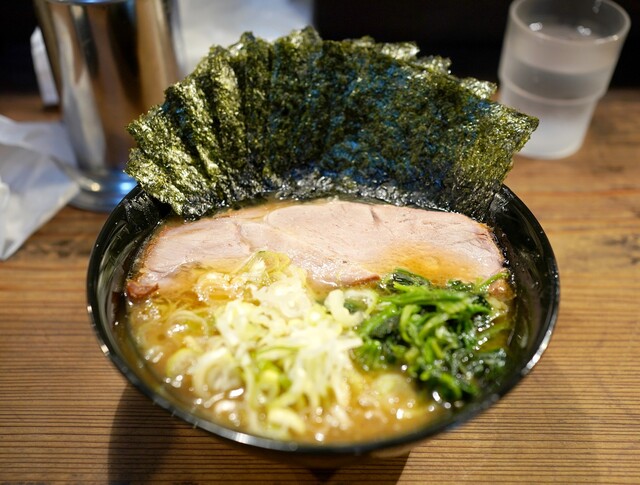
A serious ramen shop in suburban Kanagawa rarely feels ceremonial. The clues are practical: a station-side address, compact room, counter seats over tables, and a rhythm shaped by solo diners. That setting matters for iekei ramen, a Yokohama-born style defined by broth strength, noodles, fat, and rice-friendly seasoning rather than luxury signals. In Sagamihara, Iekei Ramen Kukkura sits inside a tradition judged by concentration, consistency, and force without muddiness.
Kanagawa is the right prefecture for reading this style closely. Iekei ramen began in Yokohama in the 1970s and became one of the region’s defining everyday food forms: pork-and-soy weight, thicker noodles than many Tokyo shoyu shops, and customization built into the structure. The better shops do not chase delicate minimalism. They work through extraction, seasoning, noodle texture, speed, and repetition to keep the bowl coherent across service. A 14-seat format, with 10 counter seats and one four-person table, is therefore part of the genre’s operating logic.
Kanagawa iekei ramen, read through sourcing and repetition
The ingredient question in iekei ramen starts with base materials, not garnish. Pork bones, soy seasoning, chicken fat, and wheat noodles do the structural work; the shop must make them meet at the right pressure point. Sourcing matters because the style leaves little room for distraction. A lighter Tokyo shoyu bowl can lean on aroma and restraint; a heavy iekei bowl exposes imbalance quickly. If the broth thins, the format feels generic. If seasoning overwhelms, it loses the rice-shop utility that helped the style travel through Kanagawa and commuter suburbs.
Iekei Ramen Kukkura’s recognition on the Tabelog Ramen KANAGAWA “Tabelog 100” list in both 2024 and 2025 is useful because the award sits within a prefectural ramen conversation, not a broad national luxury frame. This local ramen category places the shop among Kanagawa addresses competing on daily-use craft: repeatable broth, noodle handling, and a room that can process demand without turning the meal into performance. Its Tabelog score of 3.73 also suggests sustained local approval, not one viral season.
That position sharpens against Sagamihara’s ramen spread. Ramen Jiro Sagami oono ten works in another register, where volume and Jiro grammar shape the meal. Nikuniboshi Chuka Soba Suzuki Ramen Ten sits in a similarly inexpensive bracket, but its niboshi-chuka-soba cue points toward dried-fish depth rather than iekei’s pork-soy architecture. This is not hierarchy; it is choosing the day’s ramen dialect: fat-backed Yokohama lineage, maximal Jiro appetite, or fish-driven chuka soba.
A counter-first room built for solo bowls, not ceremony
The room tells diners how to behave. Counter seating dominates, private rooms are unavailable, private use is unavailable, and the listing is explicitly solo-dining friendly. Common in serious ramen culture, that has editorial consequences: the meal is short, direct, and judged in real time. Diners are not surrendering an evening; they are paying attention for one bowl.
Pricing reinforces the democratic register. The listed average is JPY 999 or below, with review-based spend at JPY 1,000 to JPY 1,999. In a region where a Thai meal such as Soi Gapao Soigapao Thai in Sagamihara can sit around JPY 3,000 to JPY 3,999 at dinner, ramen remains one of Kanagawa’s clearest value categories when technique is real. The low price does not make the meal careless; it makes precision more exposed, with no ceremony, imported luxury ingredients, or long drinks program to hide behind.
The address, 5 Chome-27-5 Sagamiono in Minami Ward, places the shop in the Sagami-Ono orbit, nearest station Sagami Ono. It is a 7- to 8-minute walk from the north exit, easy for diners moving through the Odakyu corridor rather than planning a dedicated cross-country pilgrimage. Parking is not attached, though coin parking is nearby, which matters more in Sagamihara than central Tokyo. Payment is cash-led: credit cards, electronic money, and QR code payments are not accepted.
The service pattern suits lunch, early dinner, and solo routing. Hours run Tuesday through Friday with midday and evening sessions; Saturday and Sunday close earlier; Monday is closed. Reservations are unavailable, so timing matters more than advance planning. For a compact counter shop with Tabelog 100 recognition, do not assume an empty seat will match the exact minute a train arrives.
How to place it in a Sagamihara eating day
Sagamihara rewards category thinking over prestige. Its stronger casual food addresses span ramen, curry, and neighbourhood specialist cooking, with price often disconnected from seriousness. Iekei Ramen Kukkura fits that pattern: inexpensive, small-scale, and award-noted within a specific Japanese rating culture. For a wider local map, Our full Sagamihara restaurants guide is the natural next read, especially alongside nearby food-focused pages such as Curry no Mise Maboroshi, Ganso Ichijoryu Ganko Sohonke Bunten, Jikaseimen Nichome Ramen, Kaigara Ya, and Menya Ayumu.
Travel planning should stay grounded. Our full Sagamihara hotels guide helps if the city is a base rather than a stop from Tokyo or Yokohama. After-hours planning belongs in Our full Sagamihara bars guide, broader itineraries in Our full Sagamihara experiences guide, and wine-focused readers can scan Our full Sagamihara wineries guide, though ramen is the sharper food argument here.
For readers comparing Japanese regional food pages, the useful thread is format, not cuisine similarity. A counter ramen shop in Sagamihara belongs to the same travel logic as compact specialist addresses elsewhere: know the category, understand the spend, and avoid forcing long-form dining expectations onto quick-service craft. That lens also helps when moving between pages such as -Grilled beef Sukiyaki- KAMAKURA TANUKIAN 鎌倉 たぬき庵 in Kamakura. 鮪と炭火焼き うお炭 秋葉原店 in Tokyo.cafe in Osaka.know in Kumamoto, (Shoku) Vietnam in Kawasaki, [Curry Senmon Ten] Maruyama Kyoju. in Sapporo, Jōdo Saké Bar in Los Angeles, and Onigiri Time in Pasadena.
The editorial case is clear: this is not a luxury detour. It is a compact Kanagawa ramen address with repeat Tabelog 100 recognition, low pricing, counter-led service, and a style tied directly to the prefecture’s ramen identity. For diners who care about local food traditions surviving through everyday repetition, that is the point.
At-a-Glance Comparison
Comparable venues by cuisine and price in the same metro.
| Venue | Cuisine | Price | Notes |
|---|---|---|---|
| Iekei Ramen KukkuraThis venue — the venue you are viewing | Iekei (Yokohama-style) Ramen | $ | Not listed |
| Jikaseimen Nichome Ramen | Homemade Noodle Ramen Shop | $$ | Hashimoto |
| Yakiniku Hasegawa | Traditional Yakiniku (Japanese BBQ) | $$ | Minami-ku, Sagamihara |
| Nikuniboshi Chuka Soba Suzuki Ramen Ten | Japanese Ramen | $ | Minami Ward, Sagamihara City |
| Menya Ayumu | Jiro-style ramen shop | $ | Fuchinobe |
| Ramen Jiro Sagami oono ten | Jiro-style Ramen | $ | Sagami-Ono |
Recognition history
Dated appearances from independent guides and award organizations, with the underlying list record or original source where available.
Tabelog 100 #67 · No. 67
Tabelog · Tabelog 100 - Ramen - KANAGAWA - 2025
Continue exploring
More in Sagamihara
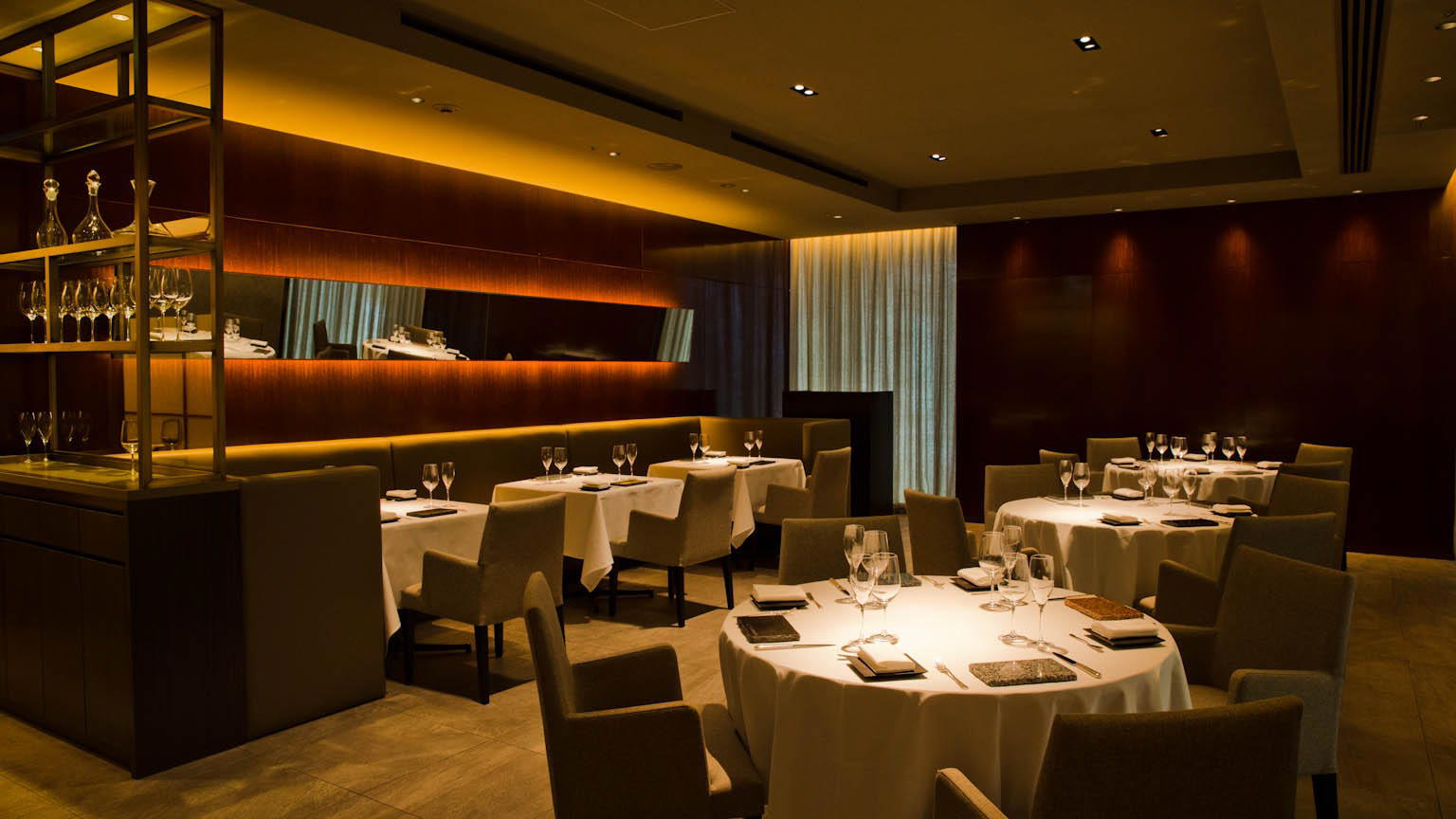
Restaurants in Sagamihara
Browse all →

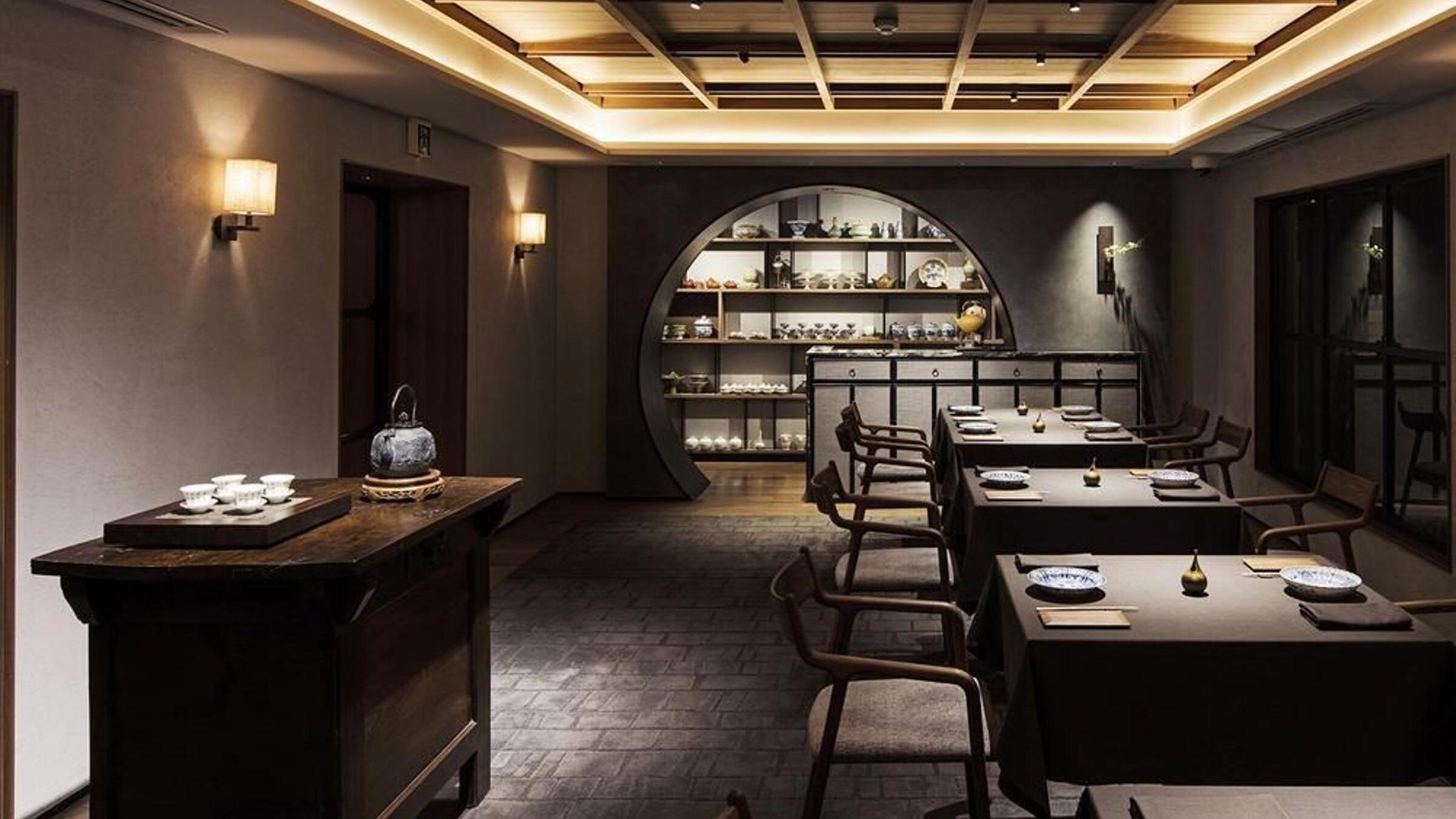

Bars in Sagamihara
Browse all →




Hotels in Sagamihara
Browse all →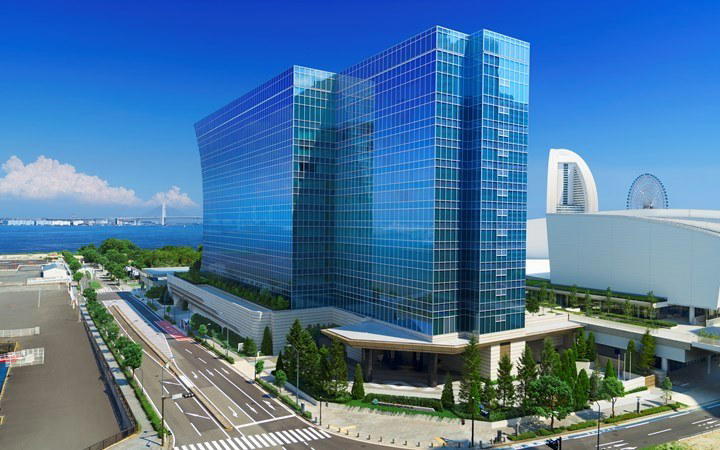




Wineries in Sagamihara
Browse all →
At a Glance
- Lively
- Cozy
- Solo
- Casual Hangout
- After Work
- Group Dining
- Family
- Standalone
- Beer Program
- Local Sourcing
Current opening hours
- Monday
- Closed
- Tuesday
- 10 AM–2:30 PM, 3:30–9 PM
- Wednesday
- 10 AM–2:30 PM, 3:30–9 PM
- Thursday
- 10 AM–2:30 PM, 3:30–9 PM
- Friday
- 10 AM–2:30 PM, 3:30–9 PM
- Saturday
- 10 AM–2:30 PM, 3:30–7 PM
- Sunday
- 10 AM–2:30 PM, 3:30–7 PM
Hours can change for holidays and private events. Last verified .
Busy local ramen-ya with counter-focused seating, casual service, and a warm, bustling atmosphere typical of neighborhood iekei shops.